Lyon Cruise Port
Port de Lyon - Quai Claude Bernard


Lyon, France Port
UN/LOCODE FRLIO Port of call Homeport
Lyon Cruise Port Location
| Port Details | |
|---|---|
| Country | France |
| UN/LOCODE | FRLIO |
| Contact | |
| Address | Quai Claude Bernard, 69007 Lyon, France |
| Port phone | +33 4 72 77 06 07 |
| Website | www.lyon-port.fr |
| Geography | |
| Coordinates | 45.76400, 4.83570 |
| Accessibility | |
| Accessible | Limited |
River cruise vessels docking at the Quai Claude Bernard on the Rhône River sit exactly 1.1 km (0.68 miles) from Place Bellecour, a trajectory that takes 14 minutes on foot for an average walker. This central location in the Auvergne-Rhône-Alpes region of southeastern France makes Lyon one of the most accessible destinations on any European itinerary. Situated roughly 32 km (20 miles) north of the Roman ruins of Vienne and 40 km (25 miles) from the medieval village of Pérouges, Lyon serves as the definitive gastronomic capital of the country. Lyon rewards those who understand its geography: the city is split between the Presqu'île (the peninsula), the historic Vieux Lyon on the west bank of the Saône, and the hilly Croix-Rousse to the north. As a mixed-use destination serving primarily river cruise itineraries, the city is best explored through its unique 'traboules'—hidden passageways once used by silk weavers. You can realistically see the main Roman and Renaissance highlights in a single day, but the city punishes those who do not book their lunch at a bouchon well in advance. Lyon rewards the strategic eater and the curious walker, but it will physically exhaust those who attempt to climb the Fourvière hill on foot rather than using the funicular.
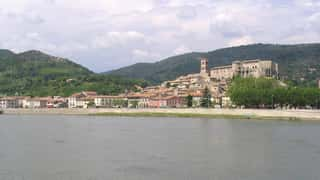
Lyon — Port Overview
History
Lyon was founded in 43 BC by the Romans as Lugdunum, eventually becoming the capital of Gaul due to its strategic position at the confluence of the Rhône River and the Saône. The two Roman theaters visible on Fourvière Hill today date back to this era, specifically the 1st century BC, marking Lyon as a pivotal administrative and military center for the Roman Empire. By the Renaissance, the city evolved into a global silk-trading powerhouse. The unique architecture of Vieux Lyon, featuring the iconic 'traboules' or secret corridors, was developed to protect precious silk bolts from the elements as they were moved from weavers to merchants. During the 19th century, the 'Canuts' (silk workers) of the Croix-Rousse district led major social revolts, leaving a legacy of labor activism that still permeates the city's character. In World War II, Lyon's labyrinthine passages made it the undisputed capital of the French Resistance; the Jean Moulin Museum now documents this clandestine history. You will find that the transition from Roman antiquity to Renaissance commerce is visible in a single 2-km (1.2-mile) stretch. Today, the city's history is best seen in the 'Murs des Lyonnais'—a massive 800-square-meter trompe-l'œil mural depicting famous figures from the city's 2,000-year history, located at the corner of Quai St. Vincent.
The Verdict
Lyon is a city that rewards the prepared traveler, particularly one who understands that the best experiences are often hidden behind unassuming wooden doors. This guide has been fact-checked by J. Richard and the Waterways Cruise editorial team. Excursions that guarantee a return to the ship can be tailored to your mobility, interests, and pace, so missing departure is never a concern. No two travelers want the same day ashore, especially in a city as complex as Lyon.
Things to Do & See in Lyon
| Attraction | Type | Address | Phone | Hours | Website | Admission |
|---|---|---|---|---|---|---|
| Musée des Confluences | Museum | 86 Quai Perrache, 69002 Lyon | +33 4 28 38 12 12 | Tuesday-Sunday 10:30 AM – 6:30 PM | museedesconfluences.fr | EUR €12.00 |
| Les Halles de Lyon Paul Bocuse | Tourist Attraction | 102 Cours Lafayette, 69003 Lyon | +33 4 78 62 39 33 | Daily 7:00 AM – 7:00 PM (Restaurants until 10:30 PM) | halles-de-lyon-paulbocuse.com | Free |
| Basilique Notre-Dame de Fourvière | Landmark | 8 Place de Fourvière, 69005 Lyon | +33 4 78 25 13 01 | Daily 7:00 AM – 8:00 PM | fourviere.org | Free |
| Vieux Lyon & Traboules | Historical Site | Rue Saint-Jean, 69005 Lyon | Passageways typically open 8:00 AM – 7:00 PM | lyon-france.com | Free |
Musée des Confluences · Museum
EUR €12.00This futuristic architecture at the tip of the Presqu'île is Lyon's most striking modern landmark. It is worth knowing that this is the best 'bad weather' option in the city. The museum explores the origins of life and human societies through a mix of science and anthropology. It is worth the time for the building itself—a 'Crystal' and 'Cloud' structure of steel and glass. Look for the massive dinosaur skeletons in the permanent 'Species' gallery. The roof terrace provides an unmatched view of the river confluence that most visitors walk past without realizing there is elevator access.
86 Quai Perrache, 69002 Lyon ·+33 4 28 38 12 12 ·Tuesday-Sunday 10:30 AM – 6:30 PM ·www.museedesconfluences.fr
Les Halles de Lyon Paul Bocuse · Tourist Attraction
FreeThe 'Temple of Gastronomy' named after Lyon's most famous chef, Paul Bocuse. This indoor market houses 50+ high-end vendors selling everything from truffles and oysters to pralines and charcuterie. The walking time from the dock takes about 22 minutes, but a taxi is faster. It is genuinely worth the time because it concentrates the best of French culinary culture into one building. Look for the 'Saucisson en Brioche'—a local staple. Most visitors miss the small sit-down wine bars at the back of the stalls; stop here for a glass of Beaujolais and a plate of cheese.
102 Cours Lafayette, 69003 Lyon ·+33 4 78 62 39 33 ·Daily 7:00 AM – 7:00 PM (Restaurants until 10:30 PM) ·www.halles-de-lyon-paulbocuse.com
Basilique Notre-Dame de Fourvière · Landmark
FreePerched on the 'hill that prays,' this 19th-century basilica is a riot of gold leaf, mosaics, and marble. It was built to thank the Virgin Mary for saving the city from the plague and the Prussian invasion. The interior is stunningly ornate—far more so than the Saint-Jean Cathedral below. It is worth noting that the best panoramic view of Lyon is not from the front terrace but from the garden path (Jardin du Rosaire) just to the south. You will come away with a sense of the scale and religious history of the city.
8 Place de Fourvière, 69005 Lyon ·+33 4 78 25 13 01 ·Daily 7:00 AM – 8:00 PM ·www.fourviere.org
Vieux Lyon & Traboules · Historical Site
FreeLyon's secret passageways were built to protect silk from the rain as it moved from the loom to the merchant. There are over 400 in the city, but only about 40 are open to the public. They are marked by small brass seals on the street. Walking through them feels like stepping into a 16th-century thriller. Look for the spiral staircases in the hidden courtyards. Most visitors walk past the doors without realizing they can push them open. This is the single most authentic experience Lyon offers, providing a direct link to the city's merchant past.
Rue Saint-Jean, 69005 Lyon ·Passageways typically open 8:00 AM – 7:00 PM ·www.lyon-france.com
Eating & Drinking in Lyon
Lyon's culinary identity is defined by the 'bouchon'—a traditional tavern serving hearty, meat-heavy dishes. Unlike the refined sauces of Paris, Lyon's food is robust, focusing on offal and charcuterie. Key dishes include 'Quenelles de brochet' (pike dumplings in crayfish sauce) and 'Salade Lyonnaise' (frisée with bacon lardons and a poached egg). What tourists expect is a 'vibrant' light French meal; what they get is heavy, butter-rich peasant food. To drink, order a 'Pot' (46cl bottle) of Beaujolais or Côtes du Rhône. Find the genuine version at any restaurant with the yellow 'Authentique Bouchon Lyonnais' sticker. Avoid the restaurants on Rue Mercière that have menus translated into six languages; they are generally generic. For street food, get a 'Praline Rose' tart from any bakery in Vieux Lyon—its neon-pink color is iconic to the region.
Le Musée
€35.00–€45.00 (~$40.00–$52.00 USD)This is the quintessential Lyon bouchon experience. It is tiny, loud, and the tables are pushed together so you will likely talk to your neighbors. Order the pistachio sausage in brioche—it is the city's gold standard. The chef, Luc Abadie, is known for his hospitality and for explaining the 'machon' tradition. One honest limitation: there is no choice. You eat what is fresh that day. It is the best food in the city for the price, but not for picky eaters or those seeking a quiet, romantic corner.
2 Rue des Forces, 69002 Lyon ·+33 4 78 37 71 54 ·Tuesday-Saturday 12:00 PM – 2:00 PM, 7:30 PM – 9:30 PM
Le Musée
This is the quintessential Lyon bouchon experience. It is tiny, loud, and the tables are pushed together so you will likely talk to your neighbors. Order the pistachio sausage in brioche—it is the city's gold standard. The chef, Luc Abadie, is known for his hospitality and for explaining the 'machon' tradition. One honest limitation: there is no choice. You eat what is fresh that day. It is the best food in the city for the price, but not for picky eaters or those seeking a quiet, romantic corner.
Try: Saucisson pistaché en brioche, Tablier de sapeur
Getting There & Around
The primary way to explore Lyon's historic core is on foot, as the main sites in Vieux Lyon and Presqu'île are densely packed. However, the TCL public transit system is excellent. It is a good idea to buy a 'Ticket 24h' for €6.50 (~$7.50 USD), which covers all buses, trams, the metro, and the essential funiculars to Fourvière. You can purchase these at any metro or tram station kiosk using a contactless credit card. Uber operates reliably and is typically cheaper than traditional taxis for short hops across the river, costing roughly €10.00 (~$11.50 USD). While the city has a bike-share program called Vélo'v, the registration process for short-term visitors is frustratingly complex and the cobblestones of the old town are brutal on a bicycle. One tip most guides omit: the 'Vaporetto' river shuttle on the Saône costs only €5.00 (~$5.75 USD) and provides a unique perspective of the Renaissance buildings that you cannot get from the shore. It runs every hour between the Confluence and Saint-Paul.
Getting back to the ship
The latest safe departure from Place Bellecour is 45 minutes before all-aboard. A taxi from the center to Quai Claude Bernard takes 10 minutes and costs roughly €12.00 (~$14.00 USD). If you are walking, allow 20 minutes from the Presqu'île. Public transit is reliable, but the T1 tram can be delayed by protests—common in Lyon on Saturdays. If you miss the ship, contact the Port Authority at +33 4 72 77 06 07. Lyon is a major rail hub; you can easily catch a TGV to the next stop (likely Avignon or Arles), but it will cost roughly €60.00 (~$70.00 USD) plus taxi fares. The ship will not hold for independent passengers.
Weather & Best Time to Visit Lyon
Weather & What to Pack
Cruise season: March to November
12°C–28°C (54°F–82°F); rainfall is common in May and October. High humidity in July.
What to wear: Layering is vital as the Rhône valley can be breezy. Wear supportive, thick-soled shoes for the cobblestones. Avoid heels. Bring a waterproof layer even on sunny days. At religious sites like Fourvière, shoulders should be covered, though rules are less strict than in Italy.
Weather risks: Occasional fog in late autumn can delay river navigation. Sudden summer thunderstorms can cause flash flooding on the lower quays.
Spring offers the best clarity for views of the Alps from Fourvière hill.
| Season | Conditions | Hazards | Affected areas | Visitor advice |
|---|---|---|---|---|
| Summer (June–August) | Hot and often humid, with temperatures frequently exceeding 30°C (86°F). | The exposed concrete of the Rhône River quays and the large, shadeless Place Bellecour become heat traps. Dehydration is a risk on the climb to Fourvière. | Place Bellecour, Quai Claude Bernard, Fourvière Terrace. | Wear light, breathable clothing and use the funicular to reach the Basilica. Schedule outdoor walking for before 11:00 AM or after 4:00 PM. |
| Spring and Autumn (April–May, September–October) | Mild but unpredictable with occasional heavy rain showers from the Rhône valley. | The uneven cobblestones in Vieux Lyon and the 'Montée' paths become extremely slippery when wet. Moss on the historic stone steps is a major fall risk. | Vieux Lyon traboules, Roman Theaters, Jardin des Curiosités. | Footwear with significant grip is non-negotiable. A compact umbrella is more useful than a rain jacket for quickly entering and exiting narrow traboules. |
Practical Information
Cultural etiquette
Locals greet each other with 'La Bise' (two kisses), but tourists should stick to a firm 'Bonjour Monsieur/Madame' upon entering any shop—failing to say this is considered a significant social slight. In bouchons, splitting dishes is often frowned upon because the portions and prices are calibrated for a full meal; if you must split, ask politely. Photography is generally welcome in traboules, but remember people live there—do not photograph into private windows. Queueing is generally orderly, but 'cutting' at a crowded bakery is common; stay assertive. Tipping is inclusive (service compris), but leaving an extra 5-10% for a sit-down lunch is common for good service. A common mistake cruise passengers make is trying to eat lunch at 2:00 PM; most authentic Lyon kitchens close strictly at 1:30 PM for the afternoon.
Mistakes to Avoid
| Mistake |
|---|
Walking up the hill to Fourvière Basilica. |
Eating lunch on Rue Saint-Jean in Vieux Lyon. |
Waiting until the day of to book a Bouchon Lyonnais. |
Missing the Saint-Antoine Market because it's 'just a grocery market'. |
Practical tips
Lyon is largely a card-accepting city, but smaller bouchons and some market stalls still prefer cash (Euros) for amounts under €10.00. Tipping is not required but leaving €2.00–€3.00 for lunch is appreciated. Learn: 'Bonjour' (Hello), 'Merci' (Thank you), 'S'il vous plaît' (Please), 'L'addition' (The bill), and 'Pardon' (Excuse me). Pickpockets are common around the Fourvière funicular and the crowded Rue Saint-Jean; keep bags in front. Dress code is 'casual chic'; avoid gym wear if you want good service in a bouchon. The best time to visit the Basilica is before 10:00 AM before the tour buses from the bigger ocean ships in the region arrive.
Cruise Lines Visiting Lyon
Port of Call





Embarkation / Disembarkation
Why Book With Waterways Cruise?
Four decades of expertise, one dedicated advisor, and every detail handled, from your front door to the gangway and back.
Personal Service — Your Own Cruise Concierge
Tailor-Made — 100% Custom-Built
Expertise — 40+ Years in Travel
Price Watch — Book With Total Confidence
Signature Sailings
All Cruise Lines at Lyon (A–Z)
Nearby Ports






FAQ — Lyon
Is the tap water safe to drink in Lyon?
Yes, tap water in Lyon is among the highest quality in France, sourced from the underground aquifer of the Rhône. You will see many public 'Wallace' fountains which are safe and free to use. Order 'une carafe d'eau' in restaurants to get free tap water rather than paying €6.00 (~$7.00 USD) for bottled. For guaranteed hydration during long walks, it is a good idea to carry a reusable bottle to fill at the Place de la République fountain.
Are shops closed in Lyon on Mondays?
Many independent boutiques and smaller museums in Lyon are indeed closed on Mondays, which is a common French tradition. However, larger department stores on Rue de la République and the Part-Dieu mall remain open. Most bouchons also close on Sundays and Mondays. If your port call falls on a Monday, plan to focus on the Basilica, the Roman Theaters, and the major Musée des Confluences which are usually accessible.
How do I get from the Lyon cruise dock to the airport?
Lyon-Saint Exupéry Airport (LYS) is roughly 30 km (18.5 miles) from the city center. The most reliable method is the Rhônexpress tram-train from Part-Dieu station, costing €16.30 (~$18.75 USD) for a 30-minute journey. A taxi or Uber directly from the Quai Claude Bernard will cost between €55.00 and €75.00 (~$63.00–$86.00 USD) depending on traffic, taking roughly 40 minutes.
Does Lyon have a city-wide bike share for tourists?
Yes, it is called Vélo'v. While efficient for locals, tourists often struggle with the registration which requires a credit card deposit of €150.00. A short-term 1-day pass costs €4.00 (~$4.60 USD). However, it is best to avoid using these for the Old Town due to the heavy cobblestones. Guided e-bike tours that cover the flat river paths of both the Rhône and Saône are recommended for a smoother experience.
What is the 'Pharmacie de Garde' system?
In France, pharmacies take turns opening on Sundays and holidays. To find the open one in Lyon, go to the door of any pharmacy; they are legally required to post the name and address of the nearest open 'Garde' pharmacy. You may need to call the local police (17) to have them verify your ID before the pharmacist will open the night-service window.
Is it worth buying the Lyon City Card for a 1-day cruise stop?
The Lyon City Card costs €29.00 (~$33.35 USD) for 24 hours. It includes all public transit, the funicular, and entry to 23 museums. If you plan to visit the Miniature Museum (€12.50) and the Fine Arts Museum (€12.00) plus use the funicular twice, the card pays for itself. If you only plan to walk the traboules and eat, skip it and buy individual tram tickets.
Where is the best place to buy authentic Lyon silk?
Avoid the souvenir stalls in Vieux Lyon. The most authentic silk is found at 'Brochier Soieries' in the Grand Hôtel-Dieu or 'L'Atelier de Soierie' at the foot of the Croix-Rousse hill. Expect to pay at least €80.00 (~$92.00 USD) for a genuine silk scarf made in Lyon. Anything cheaper is likely imported polyester. Specific workshops that offer weaving demonstrations can be identified with assistance from local resources.
How do I find the secret traboules without a guide?
Look for the small yellow and blue signs on the corners of buildings in Vieux Lyon and Croix-Rousse. The most famous is at 54 Rue Saint-Jean. You must push the door—if it's during daylight hours, it is likely unlocked for the public. Remember that these are people's homes; keep your voice to a whisper and do not use flash photography.
What is the difference between a sightseeing boat and the Vaporetto?
Sightseeing boats (like Les Bateaux Lyonnais) are 1-hour narrated tours costing ~€15.00. The Vaporetto is a public water bus used by locals, costing only €5.00 (~$5.75 USD). The Vaporetto does not have commentary but offers the same views of the Saône riverfront. It is the most cost-effective way to see the city from the water during your port call.
Is there luggage storage near the cruise pier?
There is no storage at the pier itself. The closest reliable options are the lockers at Lyon-Perrache train station, a 15-minute walk from Quai Claude Bernard. They cost between €5.50 and €9.50 (~$6.30–$11.00 USD). Many shops in the Presqu'île also participate in 'Nannybag' or 'Radical Storage' apps, where you can leave a bag for ~€6.00 per day.
Fact-checked and co-written by J. Richard, Founder, Waterways Cruise, with the Waterways Cruise Content Team.
Published May 19, 2026 · Last updated November 2, 2026
This guide is researched and reviewed by our editorial team, but prices, hours, and availability change often. Confirm current details directly with venues, excursion operators, and your cruise line before you travel.