Bergen Cruise Port
Bergen Havn (Port of Bergen)


Bergen, Norway Port
UN/LOCODE NOBGO Port of call Homeport
Bergen Cruise Port Location
| Port Details | |
|---|---|
| Country | Norway |
| UN/LOCODE | NOBGO |
| Contact | |
| Address | Slottsgt 1, 5003 Bergen, Norway |
| Port phone | +47 55 56 89 50 |
| Website | bergenhavn.no |
| Geography | |
| Coordinates | 60.39130, 5.32210 |
| Accessibility | |
| Accessible | Limited |
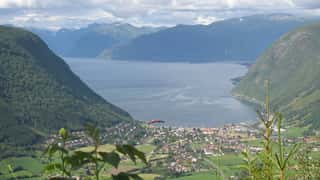
The Skolten and Bontelabo cruise terminals are located exactly 1.1 km (0.7 miles) from the city centre, a distance that is a flat, 12-minute walk. Located in the Vestland region of southwestern Norway, Bergen serves as the primary gateway to the fjords, sitting prominently on the shores of the Byfjorden. This is an ocean cruise port that remains the second busiest in the country, managing over 300 calls annually. Travelers can realistically expect a dense, walkable city center, though those docking at the Jektevik terminal must account for a 10-minute shuttle transfer as foot traffic is prohibited in that industrial zone. Bergen is 105 km (65 miles) from the village of Flåm, roughly a 2.5-hour journey by road or boat, and 100 km (62 miles) from the Hardangerfjord region. Be aware that Bergen's high rainfall—averaging 240 days per year—is the single most important factor for shore planning. Visitor feedback is consistent that the city rewards those who prioritize morning visits to the Fløibanen funicular to avoid the 45-minute afternoon queues. Conversely, it punishes those who expect a quiet experience at the Fish Market during peak cruise hours. It is an essential stop for history enthusiasts, but less ideal for those seeking low-cost dining or guaranteed dry weather.
Bergen — Port Overview
History
Bergen was officially founded in 1070 by King Olav Kyrre, and it served as the capital of Norway during the 12th and 13th centuries. Its strategic position on the Byfjorden made it an irresistible hub for the Hanseatic League, the powerful medieval merchant guild that established an 'Office' here in 1360. For over 400 years, the Hanseatic merchants dominated the trade of stockfish (dried cod) from northern Norway for grain from the Baltic, operating as a self-governed German enclave within the city. This era defined the architectural legacy of Bryggen, the series of wooden commercial buildings that have been repeatedly destroyed by fire and rebuilt using traditional methods. The most significant fire of 1702 leveled nearly the entire city, but the foundations and layout were strictly preserved. During World War II, Bergen faced heavy occupation and a catastrophic explosion in 1944 when the Dutch vessel Voorbode, laden with 120 tons of explosives, detonated in the harbor, causing massive damage to historic sites like Håkon’s Hall and the Rosenkrantz Tower. Today, visitors can see the direct result of this reconstruction history; the uneven, leaning facades of Bryggen are not just a design quirk but a record of centuries of architectural resilience and Hanseatic economic dominance. The city remains the administrative center of Vestland and a focal point for maritime heritage.
The Verdict
Bergen is a destination that reveals its best self to those who look beyond the primary tourist wharf. At this port, the people who do best are the ones who arrive with a plan and the flexibility to adapt it when the inevitable rain arrives. This guide has been fact-checked by J. Richard and the Waterways Cruise editorial team. Excursions that guarantee a return to the ship can be tailored to your mobility, interests, and pace, so missing departure is never a concern. No two travelers want the same day ashore.
Things to Do & See in Bergen
| Attraction | Type | Address | Phone | Hours | Website | Admission |
|---|---|---|---|---|---|---|
| Fløibanen Funicular | Tourist Attraction | Vetrlidsallmenningen 21, 5014 Bergen | +47 55 33 68 00 | Daily 08:00 - 23:00 | floyen.no | USD 160 NOK |
| Bergen Fish Market (Mathallen) | Cultural Site | Strandkaien 3, 5013 Bergen | +47 55 55 20 00 | Daily 08:00 - 22:00 (Summer) | visitbergen.com | Free |
| Norwegian Fisheries Museum | Museum | Sjøgaten 23, 5035 Bergen | +47 55 30 91 80 | Daily 10:00 - 17:00 (Summer) | fiskerimuseet.museumvest.no | USD 150 NOK |
| Bergen Cathedral (Domkirken) | Historical Site | Domkirkeplassen 1, 5017 Bergen | +47 55 59 32 00 | Tue-Fri 11:00 - 12:30 (Limited) | bergen.kirken.no | Free |
| Rosenkrantz Tower | Historical Site | Bergenhus Fortress, 5003 Bergen | +47 55 30 87 70 | Daily 10:00 - 16:00 | bymuseet.no | USD 120 NOK |
Fløibanen Funicular · Tourist Attraction
USD 160 NOKThe Fløibanen is more than a tourist ride; it is a vital piece of city infrastructure that has transported locals and visitors to the top of Mount Fløyen since 1918. The journey takes approximately six minutes, ascending to 320 meters above sea level. From the Floyen viewing platform, you get a definitive perspective of the Byfjorden and the dense layout of the Bergen city center. Be aware that the funicular cars were recently upgraded to large-windowed versions, significantly improving the view during the ascent. While the panorama is the main draw, visitors should look for the goats that graze near the summit; they are part of the local park management team. If you are physically able, the walk back down to the city takes about 45 minutes through forested switchbacks, but be warned: the incline is steep and can be hard on the knees. This is the most popular attraction in Bergen for a reason, but its value is entirely dependent on visibility.
Vetrlidsallmenningen 21, 5014 Bergen ·+47 55 33 68 00 ·Daily 08:00 - 23:00 ·www.floyen.no
Bergen Fish Market (Mathallen) · Cultural Site
FreeSince the 1200s, this harbor-side market has been the heart of Bergen's trade. Today, it is divided into the traditional outdoor stalls and the modern, glass-walled Mathallen. While some dismiss it as a tourist trap, it remains the best place to see the diversity of Norwegian seafood, from king crab legs to smoked whale meat (which is controversial for many visitors). Visitors should head inside the Mathallen for a more controlled and professional dining experience. Look for the local 'Stockfish' displays; this air-dried cod was the currency of the Hanseatic League and is still produced using ancient methods. While the prices are high—expect to pay 300 NOK (~$28.50 USD) for a seafood plate—the quality of the raw product is world-class. It is a sensory experience of smells, sights, and tastes that defines the city's connection to the North Sea.
Strandkaien 3, 5013 Bergen ·+47 55 55 20 00 ·Daily 08:00 - 22:00 (Summer) ·www.visitbergen.com
Norwegian Fisheries Museum · Museum
USD 150 NOKLocated in the authentic sea-warehouses of Sandviken, this museum tells the story of how fish built Norway. Unlike the more polished museums in the center, this site feels raw and connected to the water. The exhibits cover everything from the evolution of fishing gear to the modern—and controversial—Atlantic salmon farming industry. You will notice that travelers consistently rate this higher than the Hanseatic Museum because of its interactive nature and the lack of crowds. You can walk through the actual 'sjebu' (sea houses) where stockfish was stored for centuries. The smell of old timber and salt air is pervasive. It provides the essential context for why Bergen exists in the first place and offers a much-needed break from the cruise ship masses in the main harbor.
Sjøgaten 23, 5035 Bergen ·+47 55 30 91 80 ·Daily 10:00 - 17:00 (Summer) ·fiskerimuseet.museumvest.no
Bergen Cathedral (Domkirken) · Historical Site
FreeWith a history stretching back to 1181, the Bergen Cathedral has survived numerous fires and even a naval battle between the English and Dutch fleets in the harbor. The architecture is a mix of Romanesque and Gothic styles, though much of what you see today is the result of 19th-century restoration. The most famous feature for eagle-eyed visitors is the 17th-century cannonball stuck in the tower wall, fired during the Battle of Vågen. Inside, the atmosphere is austere and reflective, a sharp contrast to the bustling commercial streets just a block away. It serves as a quiet sanctuary and a reminder of Bergen's long-standing role as a religious center in Norway. It is worth the five-minute detour from the Fish Market just to see the historical scars on its exterior.
Domkirkeplassen 1, 5017 Bergen ·+47 55 59 32 00 ·Tue-Fri 11:00 - 12:30 (Limited) ·www.bergen.kirken.no
Rosenkrantz Tower · Historical Site
USD 120 NOKConsidered the most important Renaissance monument in Norway, the Rosenkrantz Tower was built in the 1560s by the governor of Bergen Castle, Erik Rosenkrantz, as a combined residence and fortified tower. It was designed to demonstrate power to both the Hanseatic merchants and potential invaders. The tower incorporates parts of an even older royal palace from the 1270s. Climbing to the top rewards you with a strategic view of the Vågen harbor that explains exactly why this site was chosen for defense. During the 1944 harbor explosion, the tower was severely damaged but meticulously restored. The interior is sparse, focusing on the stone architecture and the defensive layout. It is the best place in the city to feel the weight of Bergen's medieval and Renaissance military history, though the physical toll of the climb is significant.
Bergenhus Fortress, 5003 Bergen ·+47 55 30 87 70 ·Daily 10:00 - 16:00 ·bymuseet.no
Eating & Drinking in Bergen
Bergen's culinary identity is inseparable from the Byfjorden and the North Sea. The defining dish is 'Bergensk Fiskesuppe', a delicate, creamy fish soup characterized by its balance of sour and sweet. Unlike the hearty chowders of New England, this is a refined broth often thickened with egg yolks and sour cream. Another regional specialty is 'Persetorsk', a traditional sugar-and-salt-pressed cod dish that was historically served during the winter but can now be found year-round in specialty restaurants. For a local drink, look for 'Hansa' beer, which has been brewed in Bergen since 1891, or try a glass of Linie Aquavit, the potato-based spirit aged in sherry casks that have crossed the equator. You can find genuine street food at the 'Trekroneren' sausage stand near the Fish Market; order the Reindeer Sausage with lingonberry sauce—it’s what locals eat for a quick, high-quality snack. Many tourists expect to find 'Swedish-style' meatballs everywhere, but in Bergen, the focus is almost entirely on the white fish trade that sustained the city for a millennium.
| Place | Address | Phone | Hours | Website | Price range |
|---|---|---|---|---|---|
| Bryggeloftet & Stuene | Bryggen 11, 5003 Bergen | +47 55 30 32 50 | Daily 12:00 - 23:00 | bryggeloftet.no | 450-700 NOK (~$42.50–$66.00 USD) |
| Pingvinen | Vaskerelven 14, 5011 Bergen | +47 55 60 46 46 | Daily 11:00 - 01:00 | pingvinen.no | 250-400 NOK (~$23.50–$38.00 USD) |
Bryggeloftet & Stuene
450-700 NOK (~$42.50–$66.00 USD)Operating in the same location since 1910, Bryggeloftet is the definitive place to try authentic Norwegian cuisine. The interior is heavy with dark wood and maritime history. You must order the Bergen Fish Soup; it is creamy, slightly sweet from vinegar and sugar, and loaded with fresh fish balls and root vegetables. It is the gold standard for this regional dish. The service is professional and paced for a full meal, so do not come here if you only have 45 minutes before all-aboard. One honest limitation: reservations are essential during cruise season, as the 'Stuene' (small rooms) fill up by 1:00 PM.
Bryggen 11, 5003 Bergen ·+47 55 30 32 50 ·Daily 12:00 - 23:00
Pingvinen
250-400 NOK (~$23.50–$38.00 USD)Pingvinen is a cozy gastropub that specializes in 'husmannskost'—traditional Norwegian worker's food. The 'Plukkfisk' is a local comfort food staple that most tourists never try, consisting of flaked fish mixed with mashed potatoes and served with flatbread and melted butter. The atmosphere is unpretentious and local. It is one of the few places where you can experience the genuine culinary identity of Bergen without the white tablecloths. Note that it is a small venue and can get quite noisy in the late afternoon.
Vaskerelven 14, 5011 Bergen ·+47 55 60 46 46 ·Daily 11:00 - 01:00
Bryggeloftet & Stuene
Operating in the same location since 1910, Bryggeloftet is the definitive place to try authentic Norwegian cuisine. The interior is heavy with dark wood and maritime history. You must order the Bergen Fish Soup; it is creamy, slightly sweet from vinegar and sugar, and loaded with fresh fish balls and root vegetables. It is the gold standard for this regional dish. The service is professional and paced for a full meal, so do not come here if you only have 45 minutes before all-aboard. One honest limitation: reservations are essential during cruise season, as the 'Stuene' (small rooms) fill up by 1:00 PM.
Try: Bergen Fish Soup (Bergensk Fiskesuppe), Reindeer Fillet with lingonberries
Pingvinen
Pingvinen is a cozy gastropub that specializes in 'husmannskost'—traditional Norwegian worker's food. The 'Plukkfisk' is a local comfort food staple that most tourists never try, consisting of flaked fish mixed with mashed potatoes and served with flatbread and melted butter. The atmosphere is unpretentious and local. It is one of the few places where you can experience the genuine culinary identity of Bergen without the white tablecloths. Note that it is a small venue and can get quite noisy in the late afternoon.
Try: Plukkfisk (shredded cod with potato and béchamel), Meatballs in gravy (Kjøttkaker)
Getting There & Around
The primary way to explore Bergen is by walking, as most attractions are clustered around the Vågen harbor. For destinations further afield, like Edvard Grieg's home (Troldhaugen), the Bybanen (Light Rail) is the most efficient method. A single ticket costs 40 NOK (~$3.80 USD) and is valid for 90 minutes; it is a good idea to download the 'Skyss Billett' app for the easiest purchase experience. Taxis are abundant but will be your most expensive option, often costing upwards of 300 NOK (~$28.50 USD) for even short cross-town trips. For a more scenic transit, the Beffen electric ferry crosses the harbor from Bryggen to Nykirken for 35 NOK (~$3.30 USD), offering a classic local perspective. One tip most guides omit: if you plan to use the bus and light rail more than three times, buy the 24-hour ticket for 105 NOK (~$10.00 USD) at any 7-Eleven or Narvesen kiosk, as it is cheaper than three single fares.
Getting back to the ship
If your ship is docked at Skolten or Bontelabo, you should leave the Fish Market area no later than 45 minutes before all-aboard to allow for a comfortable 15-minute walk and security check. For those at Jektevik, you must leave the city center 75 minutes before all-aboard to account for the shuttle wait time and transit. A taxi back to the terminal will cost approximately 200 NOK (~$19.00 USD) and takes 5-10 minutes. If you miss the ship, contact the Port Authority at +47 55 56 89 50 immediately. Most ships will not hold for independent travelers. Missing the ship here usually requires a 5-hour train journey to Oslo or a flight to the next port (often Stavanger or Ålesund), which can cost upwards of $400 USD on short notice.
Weather & Best Time to Visit Bergen
Weather & What to Pack
Cruise season: April through October, with a small number of winter 'Northern Lights' calls.
12°C to 18°C (54°F–64°F) in summer. Frequent light rain and cloud cover. Humidity is high but wind is usually moderate in the harbor.
What to wear: Waterproof layers are non-negotiable; do not rely on an umbrella as the wind will break it. A high-quality raincoat with a hood is recommended. Wear sturdy, non-slip walking shoes to handle wet cobblestones. Layering is essential as the temperature can drop 5 degrees when you reach the top of Mount Fløyen. Sun protection is rarely needed, but wind-chill can be surprising even in July.
Weather risks: Heavy fog can occasionally delay arrivals in the Byfjorden, though this is rare compared to Atlantic ports. Extreme rainfall can cause localized flooding in the historic alleys.
May and June are statistically the driest months, while September sees the highest rainfall totals for the cruise season.
Practical Information
Cultural etiquette
Norwegians are generally reserved but polite. A simple 'Hei' (pronounced like 'hi') is the standard greeting. In shops and restaurants, use 'Takk' (thank you) frequently. Dining customs are fairly informal, but service is slower than in the U.S. because servers do not rely on tips and prefer not to rush guests. Signaling you are finished is done by placing your knife and fork parallel on the right side of the plate. Photography is welcome everywhere except inside churches during services. Queueing is a strict social contract here; never attempt to 'merge' or skip ahead at the Fløibanen or bus stops. Tipping is not required but rounding up the bill or adding 5-10% for exceptional service at dinner is appreciated. A common cultural misunderstanding involves the 'personal space' rule—locals value a wider physical distance in public than many Americans are used to. Do not be offended if people seem distant; it is a sign of respect for your privacy, not unfriendliness.
Mistakes to Avoid
| Mistake |
|---|
Waiting to buy Fløibanen tickets at the physical ticket window. |
Relying on an umbrella during a typical Bergen rain shower. |
Eating lunch at the outdoor Fish Market stalls. |
Attempting to walk from the Jektevik terminal to the city center. |
Practical tips
Norway is a leader in the cashless revolution, and even the smallest market stalls and the Beffen ferry accept credit cards and Apple Pay. You do not need to carry local currency (NOK) at all. Tipping is entirely optional; 10% is generous for a sit-down dinner. Learn these five words: Hei (Hello), Takk (Thanks), Unnskyld (Excuse me), Ja (Yes), Nei (No). The most common scam is the 'overpriced seafood plate' where weights are not clearly marked—always ask for the total price before the fish is prepared. Dress code for the Cathedral is respectful but casual; just ensure shoulders are covered and hats are removed. To avoid the worst crowds at the Fløibanen, it is suggested to arrive at the ticket office 15 minutes before opening or wait until 2 hours before the final all-aboard when most excursions have returned to the ship.










Why Book With Waterways Cruise?
Four decades of expertise, one dedicated advisor, and every detail handled, from your front door to the gangway and back.
Personal Service — Your Own Cruise Concierge
Tailor-Made — 100% Custom-Built
Expertise — 40+ Years in Travel
Price Watch — Book With Total Confidence
Signature Sailings
All Cruise Lines at Bergen (A–Z)
Nearby Ports



FAQ — Bergen
What is the best way to spend 4 hours in Bergen if it's raining heavily?
Head immediately to the KODE Art Museums along Lille Lungegårdsvannet. They are a series of four interconnected buildings housing one of the largest Munch collections outside Oslo. This allows you to stay indoors while moving between exhibits. Alternatively, the Norwegian Fisheries Museum in Sandviken is largely indoor-based and accessible via a short bus ride. Covered van tours that prioritize panoramic viewpoints without requiring you to stand in the rain at the funicular queue can be arranged in advance.
Can I see a fjord from the Bergen cruise port without a long excursion?
Yes, you are already in one. Bergen is situated on the Byfjorden. However, for the dramatic 'narrow' fjord experience, you should take the 3-hour round-trip high-speed catamaran to Mostraumen, which departs from Zachariasbryggen near the Fish Market. It costs approximately 750 NOK (~$70.00 USD). This fits perfectly into a standard 6-hour port call and delivers the steep cliffs and waterfalls that passengers expect from Norway without the 5-hour commitment of a trip to Flåm.
Is the Bergen Card worth it for a single day cruise visit?
Generally, no. The 24-hour Bergen Card costs 380 NOK (~$36.00 USD). While it offers free bus travel and museum discounts, you would need to visit at least three major museums and use the funicular to break even. Since most cruise passengers only have time for the funicular and one museum, paying for individual tickets is more cost-effective. Only buy it if you are a 'museum-marathoner' planning to see KODE, the Hanseatic Museum, and the Aquarium in one day.
How much does a typical lunch for two cost in Bergen?
Expect to pay between 600 and 900 NOK (~$56.00–$85.00 USD) for two people for a modest lunch with one main course and a soft drink each. Alcohol is heavily taxed; a single pint of local Hansa beer will cost approximately 110-130 NOK (~$10.50–$12.50 USD). To save money, it is best to get a reindeer sausage at Trekroneren for 75 NOK (~$7.00 USD) or returning to the ship for lunch.
Where is the best place to find free Wi-Fi near the cruise pier?
The Skolten terminal has free Wi-Fi, but it can be slow when 3,000 passengers disembark. The most reliable free Wi-Fi is at the Tourist Information Center (upstairs in the Mathallen) and at any Starbucks or Espresso House in the city center. Most 'Skyss' public buses also offer free Wi-Fi, though you may need to register with an email address to gain access for the duration of your ride.
Are there any public laundromats in Bergen for cruise passengers?
Bergen has very few self-service laundromats as most locals own their own machines. 'Selvbetjeningsvaskeri' at Sparebanksgaten 2 is the most central option. However, it is often busy and expensive. You should use the laundry service on your cruise ship instead, as the time lost searching for and wait at a local laundromat (typically 2-3 hours) is too valuable during a short port call.
Is it safe to drink the tap water in Bergen?
The tap water in Bergen is among the cleanest and best-tasting in the world, sourced from protected mountain reservoirs. There is absolutely no need to buy bottled water. It is a good idea to bring a reusable bottle from the ship and fill it at the terminal or any public sink. This will save you approximately 40 NOK (~$3.80 USD) per bottle compared to buying it at a tourist kiosk.
Do I need to tip the shuttle bus driver or tour guides?
Tipping is not expected for the free port shuttle drivers. For organized shore excursions, a small tip of 50-100 NOK (~$4.50–$9.50 USD) is appreciated but by no means mandatory. Norwegian guides are paid a living wage and do not rely on tips. If you receive exceptional service, a small gesture of appreciation is welcomed, but you will never be pressured to tip as you might be in other regions.
What is the best way to get to Mount Ulriken instead of Fløyen?
Mount Ulriken is higher and offers a more 'alpine' feel than Fløyen. Take the 'Ulriken Express' bus which departs from near the Fish Market (look for the bright red bus). A combined bus and cable car ticket costs around 450 NOK (~$42.50 USD). It takes about 15 minutes to reach the base. It is much less crowded than the funicular but takes longer to reach and costs significantly more. Choose Ulriken if you want a serious mountain view without the cruise crowds.
Can I walk from the Fish Market to the Bergen Aquarium?
Yes, it is a very pleasant 15-minute walk through the residential streets of the Nordnes peninsula. The route is mostly flat and follows the shoreline. This is a great way to see the 'local' side of Bergen away from the Bryggen tourist center. The Aquarium (Akvariet) is located at the very tip of the peninsula and is a great option for families.
Fact-checked and co-written by J. Richard, Founder, Waterways Cruise, with the Waterways Cruise Content Team.
Published May 19, 2026 · Last updated November 2, 2026
This guide is researched and reviewed by our editorial team, but prices, hours, and availability change often. Confirm current details directly with venues, excursion operators, and your cruise line before you travel.