Netherlands Cruise Ports & Cruise Guide
Total 39 · 33 river · 6 ocean
- Friesland
- Groningen
- North Holland
- Overijssel
- South Holland
- Utrecht
- Zeeland
This page is an overview of the 39 cruise ports in Netherlands, covering river and ocean cruises. Cruises start and end at Amsterdam, Rotterdam, Kinderdijk. 192 cruise ships visit Netherlands across 39 ports. See live sailings and availability on the Netherlands cruises page.


A journey through the Netherlands by river cruise offers a seamless blend of Golden Age history, cutting-edge design, and tranquil polderscapes. From Amsterdam's concentric canals to the windmills of Kinderdijk and the medieval town of Hoorn, every bend of the Rhine and Ijssel reveals a country that is compact yet endlessly varied. For the milestone traveler seeking authentic encounters without crowds, a river cruise along Dutch waterways provides intimate access to villages that larger ships cannot reach, while the flat terrain makes every excursion gentle and accessible. This package curates the essential ports, excursions, and cultural insights to ensure a sophisticated, unhurried voyage.
Country facts
History
The Netherlands' history is defined by its relationship with water. From the Dutch Golden Age of the 17th century, when the Dutch Republic became a global maritime power and Amsterdam a leading trading port, to the modern engineering of the Delta Works, the Dutch have continually shaped their landscape. The country was a founding member of the EU and NATO, and today remains a progressive, open society with a rich cultural heritage.
The Netherlands' history includes a colonial past in Indonesia, Suriname, and the Caribbean that is not always glorified; modern discourse acknowledges this legacy. Travelers may encounter museums that address this with nuance, such as the Rijksmuseum and the Tropenmuseum.
Culture
Dutch culture emphasizes pragmatism, directness, and tolerance. Bicycles are a national icon, and 'gezelligheid' (coziness) is a core social value. The country is renowned for its liberal policies on cannabis, euthanasia, and same-sex marriage, reflecting a pragmatic, consensus-based society.
Music: Dutch music spans from traditional folk to electronic dance (DJs like Armin van Buuren, Tiësto). Classical music is represented by the Royal Concertgebouw Orchestra, and the country has a strong jazz and pop scene.
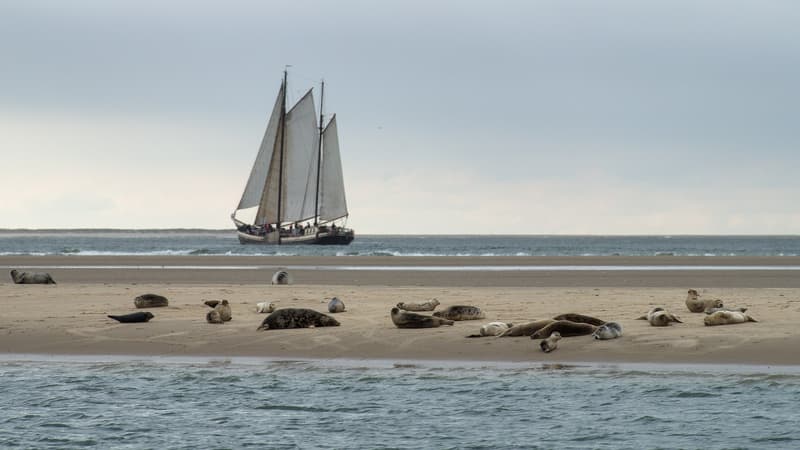
Signature landscape: The Wadden Sea – a UNESCO World Heritage site along the northern coast, with tidal flats and barrier islands, vital for migratory birds. Also the iconic windmills and tulip fields that epitomize the Dutch landscape.
Cuisine
- Stroopwafel – thin waffle filled with caramel syrup
- Raw herring (haring) – often served with onions and pickles
- Dutch cheese – Gouda, Edam, Leyden
- Bitterballen – deep-fried meatballs with mustard
- Poffertjes – miniature fluffy pancakes
- Hagelslag – chocolate sprinkles on buttered bread
Architecture & heritage
- Canal ring of Amsterdam (17th century UNESCO)
- Kinderdijk windmills (19th-century mill network)
- Rietveld Schröder House (De Stijl movement)
- Dutch Water Defence Lines (World War II defense system)
- Historic port town of Hoorn and Enkhuizen
Tips for American travellers
- The Dutch are direct; it's considered polite to be straightforward.
- Bicycles rule: look both ways for cyclists, especially in cities.
- Most people speak excellent English, but learning a few Dutch words ('dank u', 'alsjeblieft') is appreciated.
- Cash is rarely used; contactless payments are standard.
- Tipping is not mandatory but rounding up or 5–10% in restaurants is common.
- The country is flat, so walking and cycling are easy; but be prepared for rain at any time.
Major cities & destinations
Amsterdam Capital city; cruise port (major hub)
Iconic canals, world-class museums, and a vibrant urban atmosphere. The historic center is a UNESCO World Heritage site, and its compactness makes it perfect for exploration.
Primary embarkation port for Rhine and Dutch waterways cruises. Most river cruise itineraries begin or end here.
Rijksmuseum – Rembrandt's 'Night Watch' and Dutch masters Van Gogh Museum – the world's largest collection of his works Anne Frank House – Holocaust memorial and historical site Canal ring – a boat tour through 17th-century canals Dam Square and Royal Palace Jordaan district – independent shops and cafesRotterdam Major port city; cruise port
Modern architecture, maritime history, and a resilient spirit. Rebuilt after WWII bombings, it now features innovative design like the Markthal and Cube Houses.
A key port of call for cruises on the Rhine and Maas, offering a contrast to Amsterdam's historic charm.
Markthal – food hall with residential apartments Cube Houses (Kubuswoningen) Erasmus Bridge – iconic cable-stayed bridge Maritime Museum Rotterdam Delfshaven – the only remaining historical harbor The white-collar architecture of the Kop van ZuidUtrecht Historic city; cruise port
Canal wharfs, medieval churches, and a lively student vibe. Utrecht is a quintessential Dutch city with a unique two-level canal system.
Often included as a port on Rhine itineraries, offering a taste of authentic Dutch urban life away from crowds.
Dom Tower – the tallest church tower in the Netherlands Canal wharfs (Oudegracht) – unique cellars and terraces at water level Rietveld Schröder House (UNESCO) – De Stijl architectural icon Centraal Museum – local art and history The Vredenburg market – fresh produce and flowersKinderdijk Village and UNESCO World Heritage site
The most iconic windmill complex in the Netherlands, with 19 historic windmills dating from the 18th century. A must-see for anyone interested in Dutch water management.
A prime excursion from Rotterdam or Amsterdam, often reached by river cruise or land excursion.
Windmill network – well-preserved polder mills Visitor Center – interactive exhibits on water management Boat tour through the windmills Walking and cycling paths along the canals The windmill museum (Museummolen)Hoorn Historic port town; cruise port
A well-preserved Golden Age harbor town with gabled houses and a maritime past. Hoorn offers a quieter alternative to Amsterdam's bustle.
Port of call on Dutch waterways itineraries, especially those exploring the IJsselmeer.
Hoorn's historic harbor (Oosterpoort) Westfries Museum – local history and art The statue of Jan Pieterszoon Coen (colonial legacy) Steam tram museum (Stoomtram Hoorn-Medemblik) Boat trip to the former island of MarkenCruise ports of call
The Netherlands is a core region for European river cruising. The country's extensive network of rivers, canals, and lakes allows ships to visit both major cities and quaint villages. Most cruises focus on the Rhine, which enters from Germany, and the IJsselmeer, a former inland sea. Ports are generally located close to town centers, allowing immediate exploration.
- Rhine Route: Amsterdam to Basel or vice versa, passing through Utrecht, Rotterdam (for Kinderdijk), and then continuing into Germany.
- IJsselmeer and Dutch Waterways: Circular itineraries exploring Amsterdam, Hoorn, Enkhuizen, and the islands of Marken and Volendam, sometimes venturing to the Wadden Sea.
Amsterdam Both
Amsterdam is the largest port for river cruises in the Netherlands, with several cruise terminals along the IJ river and the Amstel. It is a common embarkation and disembarkation point, as well as a turnaround port.
Best for: First-time visitors, museum lovers, canal experiences
Operators: Viking, AmaWaterways, Uniworld, Avalon Waterways, Scenic Luxury Cruises & Tours, Emerald Cruises, Tauck, Riviera River Cruises, Gate 1 Travel, Adventure Canada (occasional)
Rotterdam Rhine Route
Rotterdam's harbor is one of the world's largest, and the city offers modern architecture and maritime heritage. Cruise ships dock at the passenger terminal near the Erasmus Bridge, with easy access to the city center.
Best for: Modern architecture, port experiences, Kinderdijk excursions
Operators: Viking, AmaWaterways, Uniworld, Avalon Waterways, Scenic, Emerald Cruises
Utrecht Rhine Route
Utrecht's old town is located along the Oudegracht canal, and ships dock near the city center. It offers a more intimate Dutch experience with fewer tourists than Amsterdam.
Best for: History, architecture, student vibe, canal-side dining
Operators: Viking, AmaWaterways, Uniworld, Avalon Waterways, Scenic
Kinderdijk Rhine Route (from Rotterdam or via cruise ship)
Kinderdijk is not a typical docking port but a highlight excursion. Some ships anchor nearby and use tenders or have a shore excursion by bus. It is a UNESCO site with 19 windmills.
Best for: Iconic windmill photography, Dutch engineering, walking and cycling
Operators: All lines call at Rotterdam and offer Kinderdijk as an excursion
Hoorn IJsselmeer and Dutch Waterways
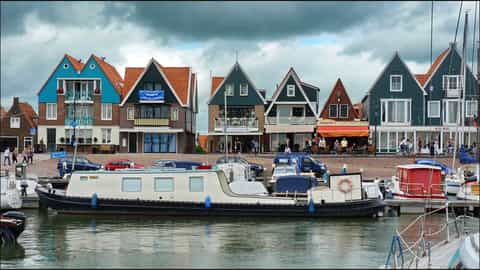
Hoorn is a historic town on the IJsselmeer, accessible via a canal. It has a charming harbor and preserved 17th-century buildings.
Best for: Golden Age history, maritime culture, relaxed exploring
Operators: Viking, AmaWaterways, Uniworld, Emerald Cruises
Other minor ports include Enkhuizen, Medemblik, and Nijmegen, often on specific itineraries. Many Dutch towns are accessible via small craft but are not served by large river cruise ships. Travelers interested in smaller waterways can consider barge cruises.
All cruise ports in Netherlands
Ships visiting by type: 57 ocean 132 river 1 expedition
Showing 39 ports in Netherlands
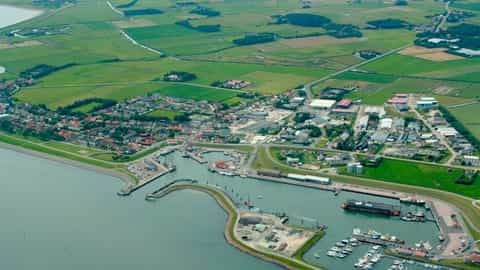
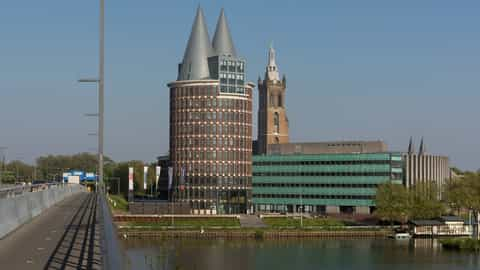
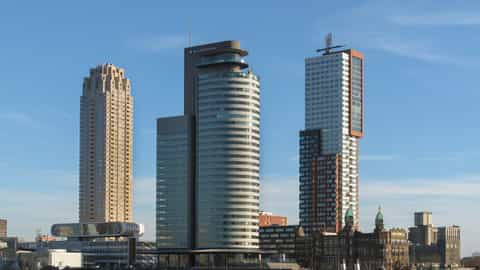
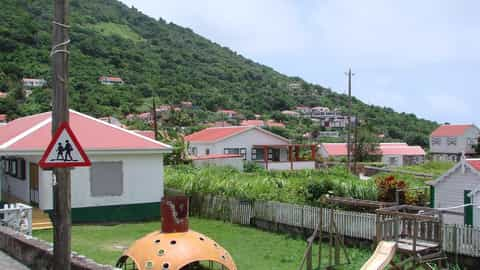










River cruises & routes
River cruising in the Netherlands is typically part of longer Rhine itineraries that may extend to Germany, France, or Switzerland. However, there are also dedicated Dutch round-trip cruises that focus on the IJsselmeer and the Hollandse Plassen lake district. These cruises offer a mix of cultural and scenic experiences, with the flat landscape making cycling excursions popular.
| Route | Length | Countries | Highlights |
|---|---|---|---|
| Amsterdam to Basel (Rhine cruise) | 7-14 days | Netherlands, Germany, France, Switzerland (depending on cruise) | Amsterdam, Utrecht, Cologne, Rüdesheim, Strasbourg, Basel. This is the classic Rhine voyage. |
| Holland and Belgium (Canals and Waterways) | 7-10 days | Netherlands, Belgium | Amsterdam, Rotterdam, Antwerp, Bruges, Ghent. Focus on cultural cities and medieval architecture. |
| Dutch Waterways (IJsselmeer and the Zaan) | 6-8 days | Netherlands | Amsterdam, Hoorn, Enkhuizen, Marken, Volendam, Zaanse Schans. A circle around the former Zuiderzee. |
Season: April to October is the peak season. Tulip season (mid-April to early May) is especially popular but crowded. Shoulder months (May, June, September) offer milder weather and fewer crowds. Some cruises operate in March and November with modified itineraries. Winter cruises are rare.
Cruise lines visiting Netherlands
All major river cruise lines include the Netherlands, especially Amsterdam, as a port of call or embarkation port. The list below includes operators that feature the Netherlands prominently on their itineraries.
Viking River Cruises
Amsterdam to Basel, Amsterdam to Budapest (partial), Rhine Getaway
Ships: Viking Longships (e.g., Viking Skadi, Viking Eir), Viking Hlin
AmaWaterways
Rhine, Main, Danube combinations; Amsterdam as start or end
Ships: AmaPrima, AmaCerto, AmaSonata
Uniworld Boutique River Cruise Collection
Amsterdam to Brussels, Rhine cruises
Ships: River Empress, S.S. Antoinette
Scenic Luxury Cruises & Tours
Rhine and Danube combos, with Amsterdam
Ships: Scenic Jasper, Scenic Amber
Tauck
Dutch and Belgian waterways, Rhine
Ships: MS Treasures, MS Grace
Riviera River Cruises
Rhine, Moselle, and Dutch canals
Ships: MS William Wordsworth, MS Emily Brontë
Gate 1 Travel
Rhine cruises with Amsterdam
Ships: MS Esprit, MS Emily
All these lines are river cruise specialists with ships designed for calm waters. Booking well in advance is recommended for tulip-season sailings. Some lines offer smaller 'barge' cruises for an even more intimate experience, but these are not typically covered in standard river cruise brochures.
Planning & advice
This reader seeks milestone travel that is enriching but not exhausting. The Netherlands offers a gentle pace with flat terrain, excellent infrastructure, and a rich cultural narrative. River cruising eliminates the hassle of packing and unpacking while providing a floating boutique hotel with panoramic views of the ever-changing landscape. The compact scale of Dutch towns means you can step off the ship and immediately immerse in history, art, and daily life, without feeling herded. The country's tolerance and openness also create a safe, welcoming environment.
For the American traveller
- The Netherlands is a highly accessible destination for Americans; English is widely spoken.
- The currency is the euro, and credit cards are accepted almost everywhere, though some small shops and markets prefer cash.
- Tap water is safe and of excellent quality.
- The country is very bicycle-friendly, but be cautious when walking or cycling; bike lanes are often separate and fast-moving.
- Museums can be crowded; book tickets online in advance, especially for the Anne Frank House and the Rijksmuseum.
- The Dutch are direct communicators; do not be offended by bluntness.
- Tipping is not expected but appreciated; a 5-10% tip at restaurants is fine.
Excursion planning
- Choose excursions that match your pace; river cruise lines offer 'gentle' and 'active' walking tours.
- For Kinderdijk, consider a morning visit to avoid crowds and enjoy softer light for photography.
- In Amsterdam, combine a canal cruise with a museum visit; the order can be flexible.
- If you have mobility concerns, opt for flat, paved routes; all major cities are wheelchair accessible.
- Many excursions include food tastings; be open to trying local specialties like herring or cheese.
- For a more intimate experience, venture out on your own in port towns like Hoorn – the cruise line provides shuttle or map.
The verdict
The Netherlands is an ideal river cruise destination for the mature American traveler. Its blend of historic cities, iconic windmills, and serene waterways offers a diverse yet cohesive experience. The country's small size means that even on a short cruise you can see a lot without rushing. With world-class museums, gentle cycling routes, and friendly locals, a Dutch river cruise delivers both cultural depth and relaxation. For the traveler who fears being herded, the key is to choose a smaller ship (under 150 passengers) and book excursions that allow independent exploration. The Netherlands is a top pick for a milestone journey.
Sources
- Lonely Planet — The Netherlands Travel Guide (accessed 2026-09-09)
- CIA World Factbook — Netherlands (accessed 2026-09-09)
- Waterways Cruise Journal — 2026 Netherlands River Cruises (accessed 2026-09-09)
- UNESCO World Heritage Centre — Kinderdijk-Elshout (accessed 2026-09-09)