Finland Cruise from Helsinki — 49 Days

48 nights · Finland · Departs Helsinki (Finland) · Visiting Tallinn, Stockholm, Visby, Bornholm Island Denmark, Kiel, Aarhus, Copenhagen, Skagen, Stavanger, Andalsnes, Nordfjordeid, Alesund, Seydisfjordur, Akureyri, Isafjordur, Reykjavik, Runavik, Kirkwall, Leith-Edinburgh, Southampton, Falmouth UK, Cobh-Cork, Dublin, Belfast, Killybegs, Galway, Zeebrugge, Amsterdam, Oslo, Kristiansand, Klaipeda, Riga · Aboard Princess Cruises on the Caribbean Princess

Princess Cruises logo
Cruise linePrincess Cruises
ShipCaribbean Princess
Duration48 nights
Port calls33
Departures1 sailings
From fare$7,518 per person
Year built2004
Guests3766
Cabins1569
Crew1200
Length289 m
Beam48 m
Cruising speed21.0 kn
  1. Day 1

    Helsinki, Finland

    Helsinki is a compact capital where Nordic design, sea air and neoclassical grandeur meet within easy reach of the harbour. Begin at Senate Square, framed by the white Helsinki Cathedral and elegant buildings shaped by architect Carl Ludvig Engel. At the Old Market Hall, Finnish rye bread, smoked fish and seasonal berries offer a taste of local life. With time to spare, take the ferry to Suomenlinna, a UNESCO-listed sea fortress spread across six islands.

  2. Day 2

    Tallinn, Estonia

    Step ashore in Tallinn, where medieval towers rise above a Baltic capital built for curious walkers. Within the UNESCO-listed Old Town, cobbled lanes lead to merchant houses, church spires and Town Hall Square. Climb Toompea for views across red roofs and the Gulf of Finland; explore cafés and galleries beyond the walls. Tallinn rewards a day on foot, with history close at hand and a distinctly modern pulse.

  3. Day 3

    Stockholm, Sweden

    Stockholm rewards the curious with a capital spread across 14 islands, where Lake Mälaren meets the Baltic Sea. From the waterfront, ferries and bridges lead to Gamla Stan’s narrow lanes, the Royal Palace, and the Nobel Prize Museum. Visit the Vasa Museum to see a 17th-century warship recovered from the harbor. Then pause for coffee in a city where water, design, and history shape everyday life.

  4. Day 4

    Visby, Sweden

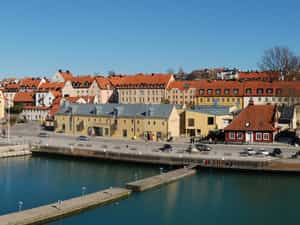
    On Gotland’s western shore, Visby makes a striking first impression with its medieval walls and Baltic setting. Inside the ring wall, cobbled lanes lead past merchants’ houses, church ruins and rose-filled gardens. Once a powerful Hanseatic port, the town is now a UNESCO World Heritage Site, best explored on foot. Pause at St Mary’s Cathedral, then follow the ramparts for broad views over rooftops and sea. Visby rewards a slow walk, with island scenery just beyond the walls.

  5. Day 5

    Bornholm Island Denmark, Denmark

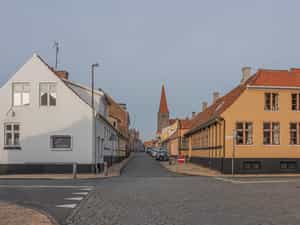
    Bornholm lies in the Baltic Sea, closer to Sweden than mainland Denmark. Rønne, its principal port, opens onto an island of granite cliffs, sandy beaches and quiet farmland. Visit Hammershus, northern Europe’s largest medieval castle ruin, or seek out Bornholm’s distinctive round churches. In Gudhjem, smokehouses serve the local specialty: smoked herring. Bornholm rewards unhurried exploration, with striking coastlines and Danish character within easy reach.

  6. Day 6

    Kiel, Germany

    Kiel faces the Baltic at the western end of Kiel Fjord, where Germany’s great ship canal begins. This working maritime city rewards a waterfront stroll, with ferries, sailboats and cargo ships sharing the harbor. From central cruise berths, the old town, St. Nicholas Church and City Hall are within easy reach. For a closer look at naval history, take the short trip to Laboe’s memorial and preserved U-boat.

  7. Day 7

    Aarhus, Denmark

    Arrive in Aarhus, Denmark’s second-largest city, where a waterfront meets one of Scandinavia’s most rewarding cultural scenes. From the port, the compact centre is easy to explore on foot. See the Gothic cathedral, browse the Latin Quarter’s independent shops, then visit ARoS for its rooftop panorama. At Den Gamle By, historic Danish streets and interiors bring everyday life across centuries into view. Choose Aarhus for a day with substance: excellent museums, good design, and lively café culture.

  8. Day 8

    Copenhagen, Denmark

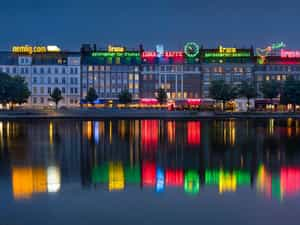
    Copenhagen is best explored at street level, where royal history meets modern design. At Nyhavn, colorful harbor-front houses frame canal tours; nearby Amalienborg Palace is the monarch’s winter residence. Christiansborg Palace combines Denmark’s parliament with historic royal rooms, while Christianshavn’s canals reveal a quieter side. Pause for smørrebrød, the open-faced rye-bread staple, and explore the city’s design shops before returning to port.

  9. Day 9

    Skagen, Denmark

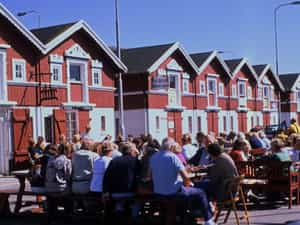
    At Denmark’s northernmost town, the distinctive light has drawn artists and travellers for generations. Skagen’s ochre houses with white trim line quiet streets, while its fishing harbour remains central to local life. A short journey leads to Grenen, where the Skagerrak and Kattegat meet in shifting waves. At Skagens Museum, discover works by the Skagen Painters, then browse local galleries or linger over fresh seafood.

  10. Day 10

    Stavanger, Norway

    Stavanger rewards a shore day spent on foot. White wooden houses line the compact old centre beside a lively harbour. The Norwegian Petroleum Museum explains how oil reshaped the city. Climb to the cathedral, begun around 1125, then browse Øvre Holmegate’s colourful cafés and shops. For a wider view, take a boat into Lysefjord, where sheer cliffs rise beneath Preikestolen. Wear good shoes; cobbles and steep lanes are part of the pleasure.

  11. Day 11

    Andalsnes, Norway

    Torvik brings you to Herøy, a working island community on Norway’s rugged Sunnmøre coast. Fishing remains central here, while bridges and causeways link a scatter of islands and fishing villages. Fosnavåg, the municipality’s lively harbour town, offers a closer look at maritime life and local seafood. Beyond the port, the Atlantic opens onto low islands, open water and dramatic mountain horizons. Choose a scenic drive toward Runde, famed for its seabird cliffs, or enjoy the quiet pace of the coast.

  12. Day 12

    Nordfjordeid, Norway

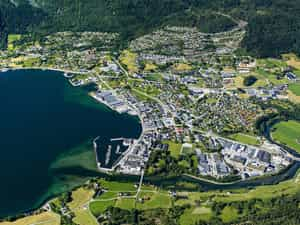
    Nordfjordeid sits at the head of Eidsfjorden, where steep mountains frame a sheltered arm of Nordfjord. Step ashore for Sagastad, a Viking-age centre built around a full-scale replica of the Myklebust ship. In town, see 19th-century Eid Church, then visit the Norwegian Fjord Horse Centre to discover this native breed. Inland roads lead toward glacier country, mountain lakes and the dramatic scenery of western Norway.

  13. Day 13

    Alesund, Norway

    Ålesund makes an immediate impression: its waterfront is lined with Art Nouveau buildings, rebuilt after a devastating fire in 1904. Beyond the elegant façades, this is a working Norwegian port framed by islands and steep mountain peaks. Climb the 418 steps to Mount Aksla for a sweeping view across the town and Sunnmøre Alps. Then visit the Atlantic Sea-Park, one of Northern Europe’s largest saltwater aquariums.

  14. Day 15

    Seydisfjordur, Iceland

    Seyðisfjörður sits at the end of a deep fjord, framed by steep mountains and waterfalls. Its colorful wooden houses and blue church give the small town a character unlike Iceland’s larger ports. Walk the rainbow-painted street, visit the Skaftfell arts centre, or follow trails toward nearby cascades. The road over Fjarðarheiði offers wide views, though weather can change quickly. Here, East Iceland feels close, quiet, and distinctly local.

  15. Day 16

    Akureyri, Iceland

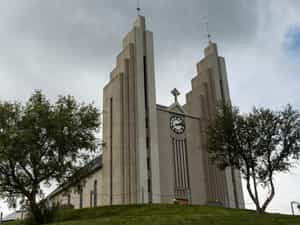
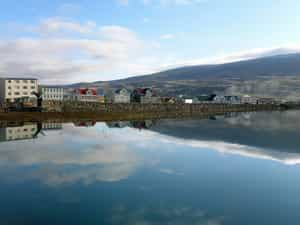
    Akureyri sits at the head of Eyjafjörður, Iceland’s longest fjord, with mountains rising beyond its compact harbour. Walk uphill to Akureyrarkirkja, then browse cafés and shops along Hafnarstræti. The town’s botanical garden grows thousands of plant varieties despite its northern latitude. From the waterfront, boats head out to watch whales. Road trips reach Goðafoss and the volcanic landscapes around Lake Mývatn. Akureyri rewards a day spent both in town and beyond.

  16. Day 17

    Isafjordur, Iceland

    Ísafjörður is the Westfjords’ principal town, set between a sheltered harbor and steep, often snow-streaked mountains. Walk its compact center to see colorful timber houses, then visit the Westfjords Heritage Museum in the historic harbor district. Its exhibits trace the fishing trade that shaped life along Iceland’s remote western coast. Beyond town, dramatic fjord scenery unfolds along winding roads. With a full day ashore, consider the drive to Dynjandi, one of the region’s most striking waterfalls.

  17. Day 18

    Reykjavik, Iceland

    Reykjavík is a capital with one foot in the wild. The Atlantic frames the city, volcanic mountains rise on the horizon, and geothermal water warms its pools. Start at Hallgrímskirkja, whose tower commands broad views, then walk down to the harbor and Harpa concert hall. Cafés, design shops, and museums make the compact center easy to explore on foot. Beyond town, geysers and waterfalls make a striking day trip; return for a soak in a neighborhood pool.

  18. Day 19

    Isafjordur, Iceland

    Ísafjörður is the Westfjords’ principal town, set between a sheltered harbor and steep, often snow-streaked mountains. Walk its compact center to see colorful timber houses, then visit the Westfjords Heritage Museum in the historic harbor district. Its exhibits trace the fishing trade that shaped life along Iceland’s remote western coast. Beyond town, dramatic fjord scenery unfolds along winding roads. With a full day ashore, consider the drive to Dynjandi, one of the region’s most striking waterfalls.

  19. Day 20

    Akureyri, Iceland

    Akureyri sits at the head of Eyjafjörður, Iceland’s longest fjord, with mountains rising beyond its compact harbour. Walk uphill to Akureyrarkirkja, then browse cafés and shops along Hafnarstræti. The town’s botanical garden grows thousands of plant varieties despite its northern latitude. From the waterfront, boats head out to watch whales. Road trips reach Goðafoss and the volcanic landscapes around Lake Mývatn. Akureyri rewards a day spent both in town and beyond.

  20. Day 21

    Seydisfjordur, Iceland

    Seyðisfjörður sits at the end of a deep fjord, framed by steep mountains and waterfalls. Its colorful wooden houses and blue church give the small town a character unlike Iceland’s larger ports. Walk the rainbow-painted street, visit the Skaftfell arts centre, or follow trails toward nearby cascades. The road over Fjarðarheiði offers wide views, though weather can change quickly. Here, East Iceland feels close, quiet, and distinctly local.

  21. Day 23

    Runavik

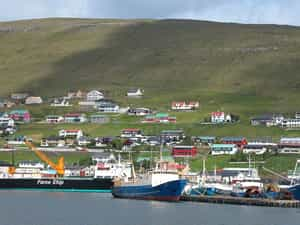
    Runavík occupies the eastern shore of Skálafjørður on Eysturoy, the Faroes’ second-largest island. Its working harbour faces the country’s longest fjord, framed by steep slopes and scattered settlements. The town is a practical base for exploring Eysturoy by road. Nearby Toftavatn offers quiet waters and birdlife, while mountain roads lead to small fishing villages. Expect a compact port town, with the archipelago’s dramatic landscape close at hand.

  22. Day 24

    Kirkwall

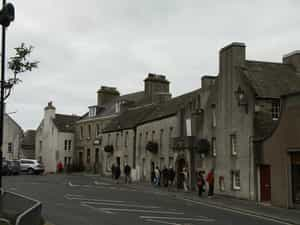
    Kirkwall is Orkney’s compact capital, where Norse history remains part of everyday life. Begin at St Magnus Cathedral, a striking red-sandstone landmark founded in 1137. Nearby, the ruins of the Earl’s and Bishop’s palaces reveal the power once held here. Beyond town, prehistoric sites such as Skara Brae and the Ring of Brodgar make a compelling excursion. Leave time for the harbor, local shops, and a dram of island whisky.

  23. Day 25

    Leith-Edinburgh

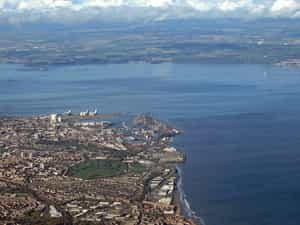
    Leith brings Edinburgh within reach, but rewards those who stay by the water. Once a working port, this lively district pairs maritime history with independent restaurants, galleries and a strong local character. At Ocean Terminal, step aboard the Royal Yacht Britannia, the former royal residence now open to visitors. Trams and buses connect you with the capital: Edinburgh Castle, its museums and Georgian streets make an easy day ashore.

  24. Day 27

    Southampton

    Southampton is a working port with a rich maritime past. Walk its medieval city walls, then visit SeaCity Museum, where exhibits explore the city’s connection to the Titanic. The Mayflower began its 1620 voyage from Southampton, and the Titanic sailed from here in 1912. Beyond the waterfront, the New Forest’s heathland and Winchester’s cathedral make rewarding excursions.

  25. Day 28

    Falmouth UK

    Falmouth puts Cornwall’s maritime history within easy reach of a lively working harbour. Set beside the Fal estuary, it offers access to Pendennis Castle, built by Henry VIII to defend the coast. The National Maritime Museum Cornwall explores the region’s seafaring past through engaging collections. Take a ferry to St Mawes, or follow the coast to beaches, gardens and sweeping sea views.

  26. Day 29

    Cobh-Cork, Ireland

    Cork is Ireland’s most independent-minded city, built on islands in the River Lee and shaped by its maritime past. Most cruise ships berth at Cobh, a handsome harbour town about 15 miles from Cork. A direct railway connects the two. Browse the English Market, visit St Fin Barre’s Cathedral, or seek out the city’s cafés and pubs. Allow time for Blarney Castle, a short drive away.

  27. Day 30

    Dublin, Ireland

    Dublin is a city best explored on foot, where Georgian squares, lively lanes and centuries of history sit close together. From Dublin Port, the centre is a short drive away, making a day ashore easy to shape. See the Book of Kells at Trinity College, then trace the Liffey through the city centre. A pint in a traditional pub is an invitation to linger.

  28. Day 31

    Belfast

    Belfast pairs a proud maritime past with a lively, walkable centre. At Titanic Belfast, the story of the famous liner unfolds beside the shipyard where she was built. Nearby, grand City Hall and the Cathedral Quarter reveal different sides of the city, from civic confidence to café-lined lanes. Across west Belfast, political murals offer a vivid perspective on its recent history. With the Giant’s Causeway within reach, Belfast also makes a compelling starting point for Northern Ireland’s dramatic coast.

  29. Day 32

    Killybegs, Ireland

    Killybegs is Ireland’s largest fishing port, a working harbour on Donegal’s rugged south coast. Watch trawlers unload their catch, then explore the town’s maritime story at the Killybegs Maritime and Heritage Centre. Beyond the quays, the road leads towards Slieve League, where immense Atlantic-facing cliffs rise above the sea. Come for a close view of Ireland’s fishing life; stay for Donegal’s wide horizons and fresh seafood.

  30. Day 33

    Galway, Ireland

    Galway rewards a day on foot. The compact centre opens onto the River Corrib, medieval lanes and the Spanish Arch. Stop for oysters or browse independent shops before hearing traditional music in a pub. Galway Cathedral stands beside the river, while the Latin Quarter keeps the streets lively. For a wider view, follow the seafront walk to Salthill, where the Atlantic comes within easy reach.

  31. Day 35

    Southampton

    Southampton is a working port with a rich maritime past. Walk its medieval city walls, then visit SeaCity Museum, where exhibits explore the city’s connection to the Titanic. The Mayflower began its 1620 voyage from Southampton, and the Titanic sailed from here in 1912. Beyond the waterfront, the New Forest’s heathland and Winchester’s cathedral make rewarding excursions.

  32. Day 36

    Zeebrugge, Belgium

    Zeebrugge is Belgium’s North Sea gateway, but Bruges is the reason many travellers come ashore. The medieval city lies about 17 kilometres inland, its canals, brick gables and market square remarkably intact. The coast has its own appeal: stroll the broad beach, watch fishing boats return, or find seafood near the harbour. Choose your day well, and you can pair Bruges’ rich history with the Flemish coast’s open skies and sea air.

  33. Day 37

    Amsterdam, Netherlands

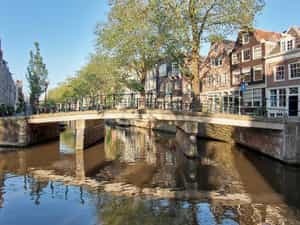
    Amsterdam pairs world-class museums with the everyday pleasure of canal-side life. Its Golden Age houses, narrow waterways and lively markets make the city rewarding well beyond its famous sights. Visit the Rijksmuseum for Dutch masters, then explore the canal belt on foot or by boat. Leave time for a neighbourhood café: in Amsterdam, the best discoveries often come between the landmarks.

  34. Day 39

    Oslo, Norway

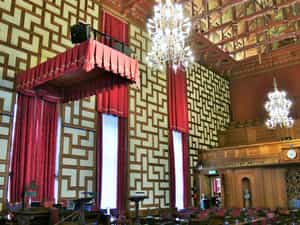
    Oslo rewards curious travellers with a rare balance of grand history, modern design and easy access to nature. From the harbour, walk to City Hall, the Nobel Peace Center and Akershus Fortress, whose ramparts overlook the fjord. Across the water, Bygdøy gathers standout museums, including the Fram Museum and Norwegian Folk Museum. Save time for the Opera House, where a public roof offers a striking view over the city and Oslofjord.

  35. Day 40

    Kristiansand, Norway

    Kristiansand is southern Norway at an easy pace, with a handsome harbour and a compact centre made for walking. Founded in 1641 by King Christian IV, Kristiansand’s grid still shapes Kvadraturen, its compact central district. Posebyen’s quiet lanes are lined with white wooden houses, part of one of northern Europe’s largest collections. Follow the waterfront to Fiskebrygga, where fish counters and restaurants make an easy lunch stop. Kilden, the city’s waterfront concert hall, adds a bold modern note.

  36. Day 41

    Skagen, Denmark

    At Denmark’s northernmost town, the distinctive light has drawn artists and travellers for generations. Skagen’s ochre houses with white trim line quiet streets, while its fishing harbour remains central to local life. A short journey leads to Grenen, where the Skagerrak and Kattegat meet in shifting waves. At Skagens Museum, discover works by the Skagen Painters, then browse local galleries or linger over fresh seafood.

  37. Day 42

    Copenhagen, Denmark

    Copenhagen is best explored at street level, where royal history meets modern design. At Nyhavn, colorful harbor-front houses frame canal tours; nearby Amalienborg Palace is the monarch’s winter residence. Christiansborg Palace combines Denmark’s parliament with historic royal rooms, while Christianshavn’s canals reveal a quieter side. Pause for smørrebrød, the open-faced rye-bread staple, and explore the city’s design shops before returning to port.

  38. Day 43

    Aarhus, Denmark

    Arrive in Aarhus, Denmark’s second-largest city, where a waterfront meets one of Scandinavia’s most rewarding cultural scenes. From the port, the compact centre is easy to explore on foot. See the Gothic cathedral, browse the Latin Quarter’s independent shops, then visit ARoS for its rooftop panorama. At Den Gamle By, historic Danish streets and interiors bring everyday life across centuries into view. Choose Aarhus for a day with substance: excellent museums, good design, and lively café culture.

  39. Day 44

    Kiel, Germany

    Kiel faces the Baltic at the western end of Kiel Fjord, where Germany’s great ship canal begins. This working maritime city rewards a waterfront stroll, with ferries, sailboats and cargo ships sharing the harbor. From central cruise berths, the old town, St. Nicholas Church and City Hall are within easy reach. For a closer look at naval history, take the short trip to Laboe’s memorial and preserved U-boat.

  40. Day 45

    Bornholm Island Denmark, Denmark

    Bornholm lies in the Baltic Sea, closer to Sweden than mainland Denmark. Rønne, its principal port, opens onto an island of granite cliffs, sandy beaches and quiet farmland. Visit Hammershus, northern Europe’s largest medieval castle ruin, or seek out Bornholm’s distinctive round churches. In Gudhjem, smokehouses serve the local specialty: smoked herring. Bornholm rewards unhurried exploration, with striking coastlines and Danish character within easy reach.

  41. Day 46

    Klaipeda, Lithuania

    Klaipėda is Lithuania’s Baltic port, where maritime history meets an unexpectedly handsome old town. Its half-timbered warehouses and narrow lanes recall centuries of trade under Prussian rule. Ferries cross the lagoon to the Curonian Spit, a UNESCO-listed sweep of dunes, pine woods and fishing villages. Stay in town for museums and cafés, or make the crossing for a striking day outdoors.

  42. Day 47

    Riga, Latvia

    Riga rewards a day ashore with a compact UNESCO-listed Old Town and one of Europe’s richest Art Nouveau districts. Begin at the House of the Blackheads, then follow cobbled lanes to Riga Cathedral and the riverfront. Across the canal, Alberta Street displays ornate façades that made the city a landmark of early twentieth-century design. For local life, browse Riga Central Market, set in former Zeppelin hangars near the Daugava.

  43. Day 48

    Tallinn, Estonia

    Step ashore in Tallinn, where medieval towers rise above a Baltic capital built for curious walkers. Within the UNESCO-listed Old Town, cobbled lanes lead to merchant houses, church spires and Town Hall Square. Climb Toompea for views across red roofs and the Gulf of Finland; explore cafés and galleries beyond the walls. Tallinn rewards a day on foot, with history close at hand and a distinctly modern pulse.

  44. Day 49

    Helsinki, Finland

    Helsinki is a compact capital where Nordic design, sea air and neoclassical grandeur meet within easy reach of the harbour. Begin at Senate Square, framed by the white Helsinki Cathedral and elegant buildings shaped by architect Carl Ludvig Engel. At the Old Market Hall, Finnish rye bread, smoked fish and seasonal berries offer a taste of local life. With time to spare, take the ferry to Suomenlinna, a UNESCO-listed sea fortress spread across six islands.

Caribbean Princess Cruises

Published September 23, 2026
Last updated October 3, 2026
Author: J. Richard


Cruise Disclosure

Good to know: Prices are quoted per person based on double occupancy and include all applicable taxes and fees. Availability and prices can change quickly, so please continue through the booking process to confirm the latest availability and pricing before you pay.

We work hard to make sure everything on this website is accurate and up to date. However, some information may be incomplete or inaccurate, including details supplied by third parties or otherwise outside our control, and we cannot be held responsible for such errors. We work with 41 cruise line operators, that are providing cruises on 585 ships visiting 1,731 ports across 7,194 unique cruises, creating 13,822 itineraries. This is a great deal of data to continually update daily from our suppliers. If a pricing error, misrepresentation, or omission occurs, we reserve the right to adjust the pricing, correct the information, or cancel or decline any booking made in error, with notice to you. Thank you for your understanding!