Greece Cruise from Piraeus to Civitavecchia — 15 Days

14 nights · Greece · Departs Piraeus-Athens (Greece) · Visiting Katakolon, Corfu Island, Kotor, Dubrovnik, Split, Venice, Sibenik, Bari, Crotone, Messina, Naples, Civitavecchia-Rome · Aboard Viking Cruises on the Viking Vela

Viking Cruises logo
Cruise lineViking Cruises
ShipViking Vela
Duration14 nights
Port calls13
Departures2 sailings
From fare$9,498 per person
Year built2024
Guests998
Cabins499
Crew465
Length238 m
Beam31 m
Cruising speed20.0 kn
  1. Day 1

    Piraeus-Athens, Greece

    Piraeus is Athens’ working harbour, not a resort port—and that is its appeal. From here, the capital’s ancient landmarks are within reach, while the waterfront keeps its own busy, distinctly Greek character. Visit the Archaeological Museum of Piraeus, then linger over grilled fish in Mikrolimano, a small harbour lined with tavernas. Metro connections make central Athens straightforward. Or stay near the water and watch ferries depart for the islands.

  2. Day 2

    Katakolon, Greece

    Katakolon is a compact seaside port on the western Peloponnese, with cafés and shops lining its waterfront. Most visitors come for ancient Olympia, about 35 kilometres inland and readily reached by road. There, the sanctuary, archaeological museum and ancient stadium bring the story of the Olympic Games into focus. Back in Katakolon, allow time for a stroll along the harbour before returning to your ship.

  3. Day 3

    Corfu Island, Greece

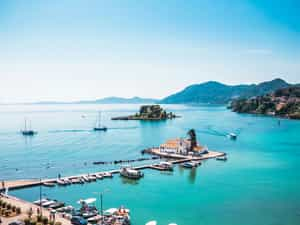
    Corfu rewards visitors who look beyond the beach resorts. Its Old Town, a UNESCO World Heritage site, bears the marks of centuries of Venetian rule. Walk the arcaded Liston, then climb to the Old Fortress for views across the rooftops and Ionian Sea. Beyond town, cypress-lined roads lead to Paleokastritsa’s coves, while the Achilleion palace recalls an imperial past. Allow time for lunch; Corfiot cooking pairs Ionian seafood with Italian and Greek influences.

  4. Day 4

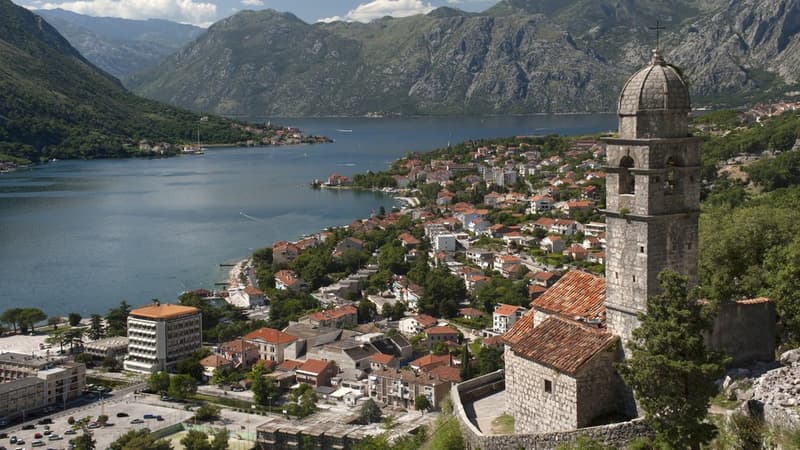
    Kotor, Montenegro

    At the head of Montenegro’s Bay of Kotor, the old town sits beneath steep mountains. Enter through the Sea Gate and follow stone lanes to St Tryphon’s Cathedral. Venetian-era walls frame squares, churches, and cafés within a compact UNESCO-listed center. For a broader view, climb toward San Giovanni Fortress; the steps are demanding. Take water and allow time for the ascent, especially in summer heat. From the harbor, the bay’s changing light makes a memorable arrival and departure.

  5. Day 5

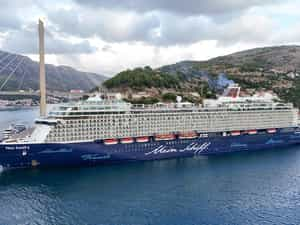
    Dubrovnik, Croatia

    Spend a day inside Dubrovnik’s UNESCO-listed Old Town, best explored on foot. Walk the city walls for close views of fortifications, roofs, and harbor. Then follow Stradun to Rector’s Palace and the Franciscan monastery. Book wall access in advance during busy months, and start early in summer. Mount Srđ offers a higher view, reached by cable car or road. Leave time for side lanes; their quieter corners reveal the city’s daily rhythm.

  6. Day 6

    Split, Croatia

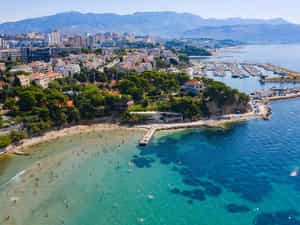
    Split is Croatia’s second-largest city, but its heart feels remarkably intimate. Inside Diocletian’s Palace, Roman walls frame cafés, shops and homes. The cathedral and Peristyle recall the emperor’s former residence. Walk the Riva for views across the harbor and its working waterfront. Then climb Marjan Hill for a broad panorama of red roofs and Adriatic islands. Few ports make history so easy to enter on foot.

  7. Day 7

    Venice, Italy

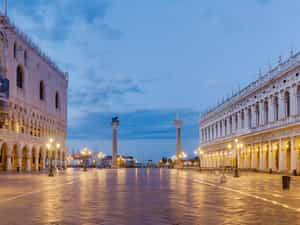
    Arrive in Venice by water, where the lagoon’s canals replace ordinary streets. St Mark’s Basilica and Doge’s Palace anchor the celebrated Piazza San Marco. Take a vaporetto along the Grand Canal, then explore a quieter neighborhood on foot. Confirm your ship’s terminal and transfer arrangements before setting out; cruise access varies. Near Rialto, the market and bridge offer a lively glimpse of the city’s trade. Give yourself time to leave the main routes and follow smaller canals.

  8. Day 10

    Sibenik, Croatia

    Šibenik pairs a working waterfront with a medieval centre climbing the hillside. The Cathedral of St James, a UNESCO World Heritage site, was built entirely from stone. From St Michael’s Fortress, take in broad views across the islands, then explore the cafés and narrow lanes below. Four historic fortresses speak to the city’s strategic past. Krka National Park is a rewarding excursion inland.

  9. Day 11

    Bari, Italy

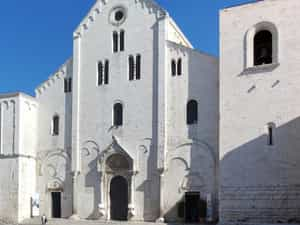
    Bari is Puglia’s lively capital, with a working port and a historic center close by. Enter Bari Vecchia on foot and follow its lanes toward the Basilica of Saint Nicholas. This Romanesque church draws pilgrims and visitors to the saint’s revered relics. On Arco Basso, local women have traditionally shaped orecchiette by hand. Then cross to the seafront or browse Via Sparano’s shops and cafés. Order seafood or a plate of Puglia’s distinctive pasta before returning to port.

  10. Day 12

    Crotone, Italy

    Crotone puts ancient Magna Graecia within easy reach of Calabria’s Ionian coast. Greek settlers founded Croton in the eighth century BC, and Pythagoras later taught here. In the old town, narrow lanes lead to the 16th-century Castle of Charles V and the cathedral. At Capo Colonna, the last standing column marks Hera Lacinia’s ancient sanctuary. The headland opens to broad Ionian views.

  11. Day 13

    Messina, Italy

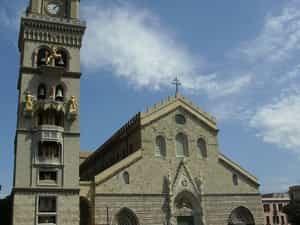
    Messina faces Calabria across the narrow Strait of Messina, with mainland Italy visible from its waterfront. At noon, figures move across the cathedral’s clock tower, a daily spectacle best seen from the square. Nearby, Montorsoli’s 16th-century Fountain of Orion rewards a closer look. Excursions reach Taormina and Mount Etna, but Messina’s compact center also merits an unhurried walk.

  12. Day 14

    Naples, Italy

    Naples puts its history within reach: the port opens onto a compact city framed by Mount Vesuvius and the bay. UNESCO-listed streets lead to churches, palaces and the everyday theatre of southern Italian life. At the National Archaeological Museum, mosaics and objects from Pompeii and Herculaneum bring the Roman world sharply into focus. Stay close for Neapolitan pizza, or use Naples as a springboard to Pompeii, Herculaneum and Capri.

  13. Day 15

    Civitavecchia-Rome, Italy

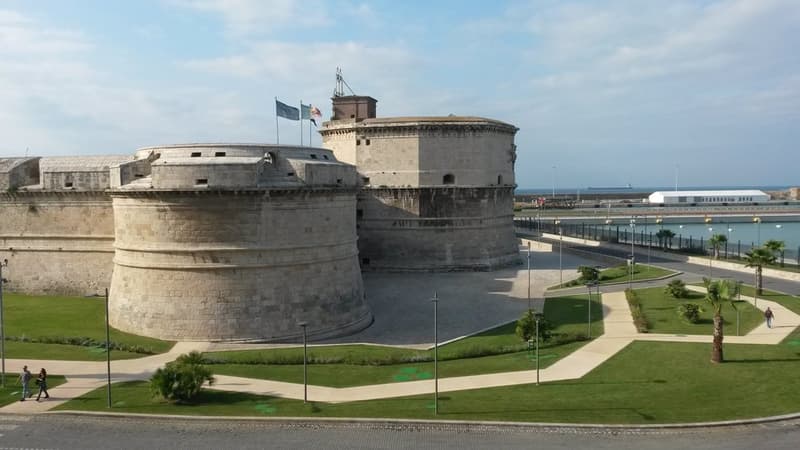
    Your ship docks at Civitavecchia, Rome’s seaport, about 50 miles northwest of the capital. Rome’s great monuments are within reach, but the port town rewards a closer look. Walk the waterfront to Forte Michelangelo, a 16th-century fortress begun under Pope Julius II; explore the old streets and market. Prefer a quieter day? The town’s seafront and nearby beaches offer an easy change of pace. Choose Rome for art and antiquity, or Civitavecchia for coastal life beyond the terminal.

Viking Vela Cruises

Published September 4, 2026
Last updated October 3, 2026
Author: J. Richard


Cruise Disclosure

Good to know: Prices are quoted per person based on double occupancy and include all applicable taxes and fees. Availability and prices can change quickly, so please continue through the booking process to confirm the latest availability and pricing before you pay.

We work hard to make sure everything on this website is accurate and up to date. However, some information may be incomplete or inaccurate, including details supplied by third parties or otherwise outside our control, and we cannot be held responsible for such errors. We work with 41 cruise line operators, that are providing cruises on 585 ships visiting 1,731 ports across 7,194 unique cruises, creating 13,822 itineraries. This is a great deal of data to continually update daily from our suppliers. If a pricing error, misrepresentation, or omission occurs, we reserve the right to adjust the pricing, correct the information, or cancel or decline any booking made in error, with notice to you. Thank you for your understanding!