Antarctica Cruise Ports & Cruise Guide
Total 9
This page is an overview of the 9 cruise ports in Antarctica, covering ocean cruises. Cruises start and end at King George Island Antarctica. 21 cruise ships visit Antarctica across 9 ports. See live sailings and availability on the Antarctica cruises page.



Antarctica is not a country but a continent-size wilderness governed by the Antarctic Treaty, and visiting it means traveling as an expedition passenger rather than a tourist. For the American reader who fears being herded, this is the antidote: small ships, zodiac landings, no souvenir shops, no crowds in the conventional sense, and a powerful message that every footstep is a privilege. This package covers the Antarctic Peninsula, South Shetland Islands, and sub-Antarctic gateways, with honest guidance on Drake Passage discomfort, weather-driven itinerary changes, and the premium cost of true expedition travel.
Country facts
History
Antarctica's recorded history is short: speculative maps, a first confirmed sighting in 1820, a heroic era of exploration in the early 20th century, and a post-1959 turn toward science and environmental protection. Travelers today follow the wake of Cook, Bellingshausen, Weddell, Ross, Shackleton, Amundsen, and Scott, but in far greater comfort and with a strict environmental code.
The heroic-age narrative often glorifies imperial competition and ignores the role of Indigenous peoples of the far south (e.g., Yaghan and Selk'nam) who had long navigated the sub-Antarctic channels. Also, tourism's carbon footprint is real; no itinerary to Antarctica is 'eco-neutral' despite strong onboard sustainability efforts.
Culture
Antarctica has no native culture. Its culture is expeditionary, scientific, and international: a 'continent for peace and science' where field camps, research stations, and shipboard communities create a temporary, purposeful society. For visitors, the culture is one of respectful awe, quietness, and leave-no-trace.
Music: No indigenous music; shipboard life often includes lectures, documentary screenings, and occasionally a pianist in the lounge. Field stations play their national music, but visitors rarely hear it.
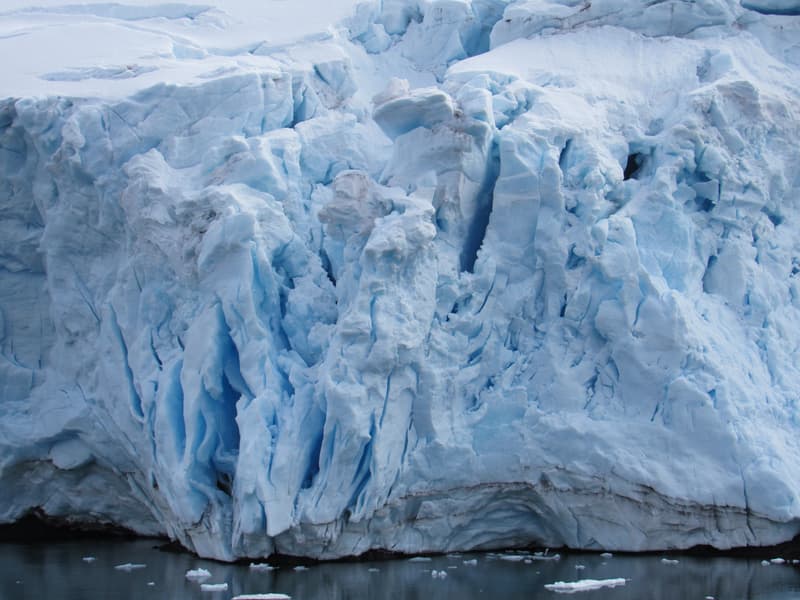
Signature landscape: The polar ice sheet: the world's largest frozen freshwater reservoir, with tabular icebergs, blue-ice caves, and 100-meter-high ice cliffs at the peninsula.
Architecture & heritage
- Historic huts from the Heroic Age: Scott's and Shackleton's huts on Ross Island; Argentine and British research stations on the peninsula.
- Port Lockroy (Base A): a restored British research station and post office on Goudier Island.
- Deception Island's whaling station remains and volcanic black-sand beach.
- Lemaire Channel ice corridor.
Tips for American travellers
- Book through a reputable expedition operator and read their environmental guidelines before you go.
- Expect itinerary changes: weather and ice rule every day; flexibility is a virtue, not a disappointment.
- Pack in layers, including waterproof pants and jacket, and a neck gaiter; wind chill is the real enemy.
- No national parks, no restrooms, no souvenir shops: be self-sufficient and carry out everything you bring ashore.
- Biosecurity matters: clean your clothing and gear before arrival to avoid introducing seeds or organisms.
- You will not 'set foot on Antarctica' at every landing; some shore visits are to islands in the South Shetlands.
Major cities & destinations
Ushuaia, Argentina Gateway city
The world's southernmost city and departure point for most Antarctic cruises, set between the Martial Mountains and the Beagle Channel.
Primary embarkation port for Antarctic Peninsula voyages; ships typically depart in the late afternoon and cross the Drake Passage.
Tierra del Fuego National Park Beagle Channel waterfront End of the World Train Martial Glacier viewpointPunta Arenas, Chile Gateway city
Chilean gateway for fly-cruise Antarctica trips, with a strong maritime history and panoramic views of the Strait of Magellan.
Alternate departure point for air-cruise expeditions that fly to King George Island, skipping the Drake Passage.
Nao Victoria Museum Cerro de la Cruz viewpoint Plaza Muñoz Gamero Strait of Magellan waterfrontKing George Island, South Shetland Islands Expedition hub
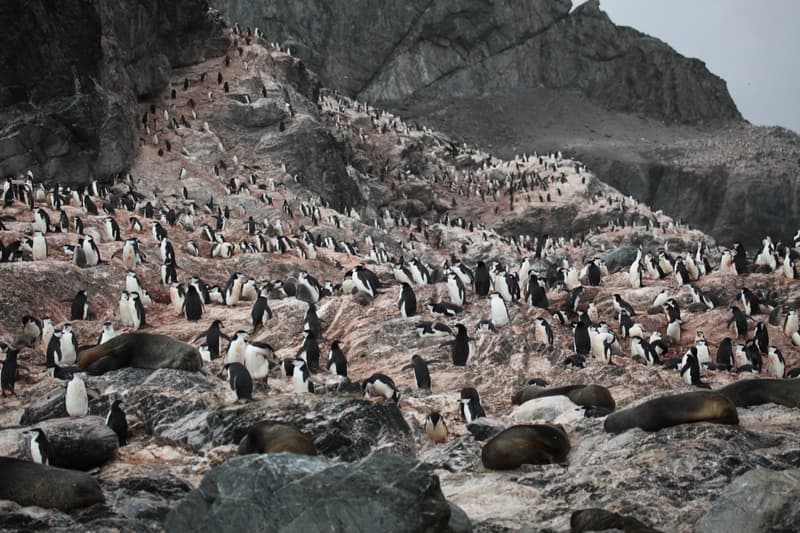
The most visited place in Antarctica, with active research stations from multiple nations and abundant wildlife, including penguin colonies.
Fly-cruise landing point from Punta Arenas and a common first/last landing for many ship-based itineraries.
Arctowski Station (Poland) Bellingshausen Station (Russia) Great Wall Station (China) Penguin rookeries at Admiralty BayPort Lockroy (Goudier Island), Antarctic Peninsula Historic site and landing
A restored British base with a museum and post office, surrounded by gentoo penguins, icebergs, and classic peninsula scenery.
One of the most iconic peninsula landings; ships queue for turns to land, so it is a managed, time-limited visit.
Port Lockroy Museum Penguin nesting areas Neumayer Channel views Historic post officeParadise Bay, Antarctic Peninsula Natural harbor and landing site
A spectacular bay on the western Antarctic Peninsula with towering glaciers, calving ice cliffs, and gentoo and chinstrap penguins.
Classic 'first landing' site for its protected waters and reliable wildlife.
Almirante Brown Station (Argentina) Glacier fronts Gentoo penguin colonies Iceberg graveyardDeception Island, South Shetland Islands Volcanic caldera landing
A collapsed volcano with a ring-shaped harbor, black-sand beaches, geothermal warmth, and historic whaling/airfield remains.
Unique 'steam and ice' landing inside a caldera; ships enter through Neptune's Bellows.
Whalers Bay Neptune's Bellows entrance Telefon Bay Baily Head chinstrap penguin colonyNeko Harbour, Antarctic Peninsula Continental landing
One of the few places where ships can make a true continental Antarctic landing; dramatic glacier fronts and gentoo penguin colonies.
A favored 'mainland' stop for expedition ships on the peninsula.
Neko Glacier Gentoo penguin colony Continental Antarctica shoreline Panoramic view from the moraineLemaire Channel, Antarctic Peninsula Scenic strait
A narrow, steep-walled channel often called 'Kodak Gap' for its mirror-calm water and dense icebergs.
A passage rather than a landing, but a highlight of almost every peninsula voyage.
Booth Island Mount Wandel Iceberg formations Cormorant and penguin coloniesCruise ports of call
Antarctic cruising is expedition cruising. There are no docks, no terminals, no port agents, and no scheduled arrival times. 'Ports of call' are anchorages, bays, and scientific stations where small ships land passengers by zodiac. This section lists the principal landing sites and gateways, grouped by route family.
- Classic Antarctic Peninsula from Ushuaia: cross the Drake Passage, spend 4–6 days in the South Shetland Islands and western Antarctic Peninsula, then recross the Drake. Usually 9–12 days.
- Fly-cruise from Punta Arenas: fly to King George Island, board an expedition ship there, and explore the peninsula without the Drake crossing. Usually 7–10 days, with a night in Punta Arenas before and after.
Ushuaia, Argentina Route family one
Embarkation port on the Beagle Channel; ships sail east around Staten Island or directly south through the Drake Passage. Facilities are small but adequate for polar expedition ships.
Best for: Drake Passage purists who want the full voyage experience; also excellent pre-cruise Patagonia add-ons.
Operators: Lindblad Expeditions, Quark Expeditions, Ponant, Silversea, Hurtigruten Expeditions, Viking Expedition Cruises
Punta Arenas, Chile Route family two
Fly-cruise hub; passengers fly from Punta Arenas to King George Island in about two hours and board the ship there. This avoids the Drake Passage crossing.
Best for: Travelers with limited time or who want to minimize sea-sickness risk; also good for combining with Chilean Patagonia.
Operators: Lindblad Expeditions, Quark Expeditions, Ponant, Silversea, Hurtigruten Expeditions
King George Island, South Shetland Islands Both route families
A large, relatively ice-free island with many research stations and a gravel runway near Bellingshausen Station. Ships anchor or moor at sea and zodiacs ferry passengers ashore.
Best for: First-time Antarctic travelers wanting a gentler arrival; wildlife, scientific stations, and penguin colonies.
Operators: Lindblad Expeditions, Quark Expeditions, Ponant, Silversea, Hurtigruten Expeditions, Viking Expedition Cruises
Port Lockroy, Goudier Island Route family one
A small island in the Palmer Archipelago with a restored British base (Base A) used for science and post-war survey work. Now a museum and post office managed by the UK Antarctic Heritage Trust.
Best for: Postcards, stamps, museum history, and gentoo penguin encounters in an iconic setting.
Operators: Lindblad Expeditions, Quark Expeditions, Ponant, Silversea, Hurtigruten Expeditions, Viking Expedition Cruises
Paradise Bay, Antarctic Peninsula Route family one
A protected bay on the western peninsula with the Argentine station Almirante Brown. Steep glaciers calve into the bay, and the shoreline hosts gentoo penguins.
Best for: The quintessential 'first continental landing'; iceberg photography and a sense of Antarctic vastness.
Operators: Lindblad Expeditions, Quark Expeditions, Ponant, Silversea, Hurtigruten Expeditions, Viking Expedition Cruises
Deception Island, South Shetland Islands Route family one
A horseshoe-shaped volcanic island whose flooded caldera, Port Foster, provides one of the safest natural harbors in the South Shetlands. Whaling stations and a British base from the 1950s remain.
Best for: A surreal volcanic landscape, optional polar plunge, and history of the whaling era.
Operators: Lindblad Expeditions, Quark Expeditions, Ponant, Silversea, Hurtigruten Expeditions, Viking Expedition Cruises
Neko Harbour, Antarctic Peninsula Route family one
On the mainland of the Antarctic Peninsula, Neko Harbour offers a rare true-continental landing with a steep glacier and gentoo penguin colony.
Best for: Hiking to a panoramic viewpoint over the bay; the feeling of standing on the Antarctic continent itself.
Operators: Lindblad Expeditions, Quark Expeditions, Ponant, Silversea, Hurtigruten Expeditions, Viking Expedition Cruises
Lemaire Channel, Antarctic Peninsula Route family one
A narrow 11 km channel between the Antarctic Peninsula and Booth Island, flanked by sheer granite peaks and glaciers. It is not a landing site but a navigation highlight.
Best for: Extraordinary scenery and wildlife photography from the ship's bow or a zodiac when conditions allow.
Operators: Lindblad Expeditions, Quark Expeditions, Ponant, Silversea, Hurtigruten Expeditions, Viking Expedition Cruises
Most Antarctic voyages also call at small South Shetland Islands sites such as Half Moon Island, Aitcho Islands, and Yankee Harbour; these are not fixed ports but weather-dependent landings chosen by the expedition leader. Falkland Islands and South Georgia are separate destinations often combined with Antarctica on longer expeditions.
All cruise ports in Antarctica
Ships visiting by type: 13 ocean 2 river 8 expedition
Showing 9 ports in Antarctica




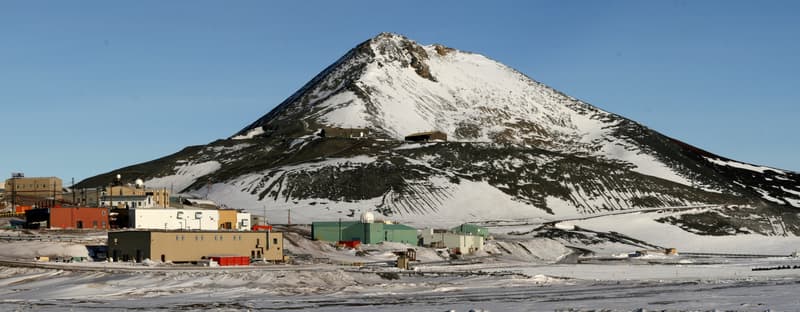
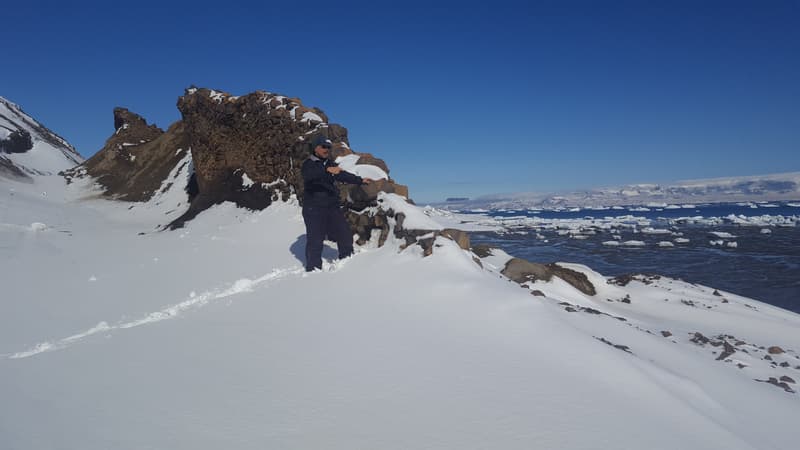
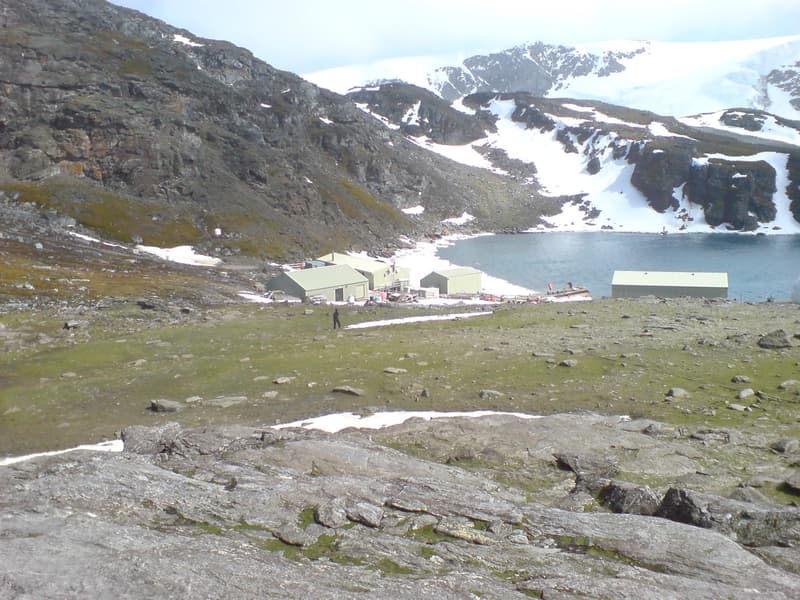

River cruises & routes
There are no rivers in Antarctica. The cruise routes are ocean expeditions, but the shipboard rhythm resembles expedition cruising: daily lectures, zodiac landings, and wildlife viewing. The 'river' analogy is a convenient way to think of the Drake Passage and the protected channels of the Antarctic Peninsula as a fluid route system.
| Route | Length | Countries | Highlights |
|---|---|---|---|
| Classic Antarctic Peninsula via Drake Passage (Ushuaia round-trip) | 10–12 days | Argentina and Antarctica (no other countries) | Drake Passage crossing, South Shetland Islands, Port Lockroy, Paradise Bay, Neko Harbour, Lemaire Channel, Deception Island |
| Fly-Cruise Explorer (Punta Arenas round-trip) | 8–10 days | Chile and Antarctica | Two-hour flight to King George Island, peninsula landings, no Drake Passage, shorter time at sea |
| Antarctic Peninsula and Weddell Sea Explorer (Ushuaia round-trip) | 12–14 days | Argentina and Antarctica | Adds the Weddell Sea side, huge tabular icebergs, emperor penguin possibilities in some seasons, Snow Hill Island |
| Falklands, South Georgia, and Antarctic Peninsula | 18–22 days | Argentina, United Kingdom (Falklands and South Georgia), Antarctica | Wildlife-rich sub-Antarctic islands, king penguin colonies, historic whaling and Shackleton sites, plus the peninsula |
Season: Antarctic cruise season runs from late October to early March (austral summer). Early season (Nov) offers fresh snow and penguin courtship; mid-season (Dec–Jan) has milder weather and penguin chicks; late season (Feb–Mar) features whale sightings and more mature wildlife.
Cruise lines visiting Antarctica
A small, highly regulated group of expedition and luxury cruise lines operates Antarctic voyages. The most reputable are IAATO members, limit ship size to 500 passengers (with strict landing restrictions), and include experienced polar expedition teams. For this reader, the sweet spot is an expedition ship carrying 100–200 passengers, not a large cruise ship.
Lindblad Expeditions
Classic Antarctica, Antarctica + South Georgia + Falklands, fly-cruise via Punta Arenas/King George Island
Ships: National Geographic Endurance, National Geographic Resolution
Quark Expeditions
Antarctic Peninsula, Weddell Sea, South Georgia, Falklands, fly-cruise
Ships: Ultramarine, World Explorer
Ponant
Luxury expedition cruises to the peninsula and Weddell Sea, including hybrid-electric icebreaking voyages
Ships: Le Commandant Charcot, Le Lyrial
Silversea
Luxury expedition cruises to the Antarctic Peninsula, South Georgia, Falklands
Ships: Silver Cloud, Silver Endeavour
Hurtigruten Expeditions
Classic Antarctic Peninsula, South Georgia, Falklands, fly-cruise
Ships: MS Fridtjof Nansen, MS Roald Amundsen
Viking Expedition Cruises
Antarctic Peninsula expedition cruises from Ushuaia and Punta Arenas
Ships: Viking Polaris, Viking Octantis
Ships with more than 500 passengers are not permitted to make shore landings in Antarctica. Some large ships (e.g., certain non-expedition ships) may only offer 'cruise-by' itineraries with no landings. If you want to set foot ashore, choose an IAATO member expedition operator and confirm that your itinerary includes zodiac landings. Compare included excursions, expedition team credentials, and single supplements carefully.
Planning & advice
You have earned the right to trade the checklist for the profound. Antarctica delivers a once-in-a-lifetime experience that is physically accessible but mentally enlarging: every zodiac ride, penguin colony, and ice cliff reinforces the fact that you are not a tourist but an expedition guest. The strict environmental rules and small-group format protect you from the herded cruise-ship experience, while the Antarctic Treaty system gives you a rare glimpse of international cooperation. This is not a beach vacation; it is a pilgrimage for people who still believe the world can inspire awe.
For the American traveller
- Passport and visas: you only need a passport for Argentina or Chile gateway cities; Antarctica itself has no immigration controls. Most Americans do not need a visa for Argentina or Chile for tourism, but check current rules.
- Health: no vaccinations are required for Antarctica, but your expedition operator will require medical history and may require a signed fitness declaration. You should be able to walk on uneven ice/snow and climb in and out of a zodiac.
- Seasickness: the Drake Passage can be rough. Bring your own seasickness remedy (patch, wristband, or medication) and talk to your doctor before departure. Choose a fly-cruise if you are very concerned.
- Travel insurance: mandatory. Your policy must cover emergency medical evacuation, expedition activities (zodiac, hiking), and trip cancellation. Antarctica is not covered by Medicare or most US health plans.
- What to pack: waterproof expedition pants, insulated waterproof boots (often provided by the operator), thermal base layers, fleece or down midlayer, waterproof shell, gloves, hat, neck gaiter, polarized sunglasses, sunscreen, and binoculars.
- Cash and cards: no ATMs in Antarctica; carry a credit card for onboard expenses and some cash for small purchases in gateway cities.
- Communication: most expedition ships offer satellite Wi-Fi (expensive and slow); expect limited connectivity. Use it for occasional check-ins, not streaming.
- Respect wildlife: IAATO rules require maintaining at least 5 meters from penguins and seals, and keeping noise low. Follow your expedition guide's instructions.
Excursion planning
- Book at least 12–18 months ahead if you want a specific ship or departure date; premium suites and single cabins sell out quickly.
- Choose shoulder-season departures (early November or late February) if you prefer fewer ships and more flexibility; mid-summer (December–January) has the best weather but the busiest landing sites.
- Attend all safety briefings and lectures; they are part of the experience and essential for understanding landing procedures.
- Pack a small daypack for zodiac landings with camera, dry clothes, water, and snacks; you may be ashore for 1–2 hours.
- Expect last-minute landing changes due to ice and wind; the expedition leader chooses the best sites each day. A flexible attitude is the most important gear you bring.
- If you fear being herded, choose a ship with 100–150 passengers and ask about the ratio of expedition guides to guests. Smaller groups mean more time ashore and fewer lines.
The verdict
Antarctica is the most honest and uncompromising destination on Earth for the experienced American traveler who wants to feel small in the best way. It is expensive, weather-dependent, and physically demanding, but the payoff is unmatched: silence, icebergs the size of cathedrals, penguin colonies that smell like life, and a continent that belongs to no one and everyone. Choose a small expedition ship, pack patience, and go before the ice changes more than it already has.
Sources
- International Association of Antarctica Tour Operators — IAATO Antarctic Travel Guidelines (accessed 2026-09-09)
- National Science Foundation — U.S. Antarctic Program (accessed 2026-09-09)
- Government of the United Kingdom — Foreign travel advice: Antarctica / British Antarctic Territory (accessed 2026-09-09)
- Secretariat of the Antarctic Treaty — Antarctic Treaty and Environmental Protocol (accessed 2026-09-09)
- Central Intelligence Agency — The World Factbook – Antarctica (accessed 2026-09-09)
- National Geographic — Antarctica Cruise Guide (accessed 2026-09-09)