Argentina Cruise Ports & Cruise Guide
Total 4
This page is an overview of the 4 cruise ports in Argentina, covering ocean cruises. Cruises start and end at Ushuaia, Buenos Aires, Puerto Madryn. 48 cruise ships visit Argentina across 4 ports. See live sailings and availability on the Argentina cruises page.

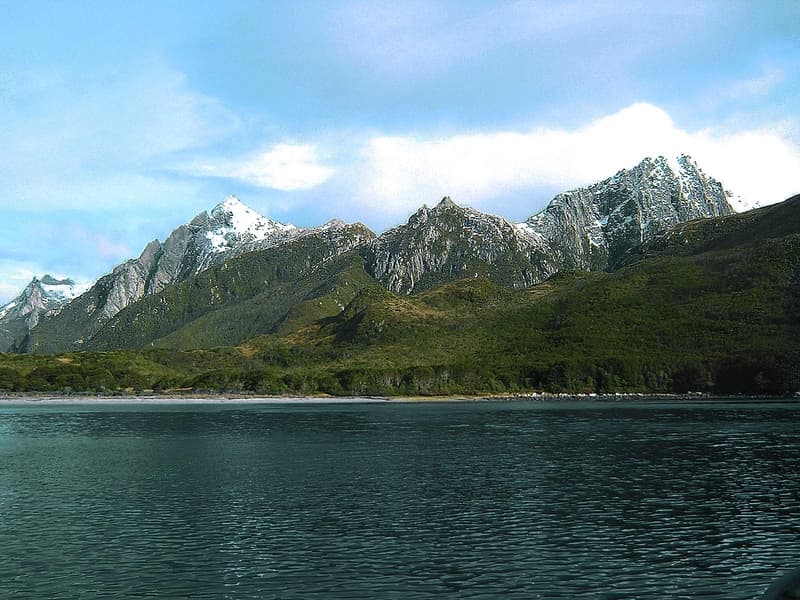


Argentina offers the widest arc of travel experiences in South America—from the European soul of Buenos Aires to Patagonian glaciers and Iguazú Falls. For a traveler who loathes being herded, the key is small-ship expedition cruising, private land guides, and shoulder-season timing. This package covers the essential ports, onshore excursions, and honest advice for navigating Argentina's distances, currency, and late-night culture.
Country facts
History
Argentina was shaped by Spanish colonization, mass immigration, and cycles of boom and crisis. It emerged as an independent republic in the 19th century, built a European-style state, then struggled with military coups and economic instability. Today it is a culturally rich, geographically vast country reasserting itself on the global stage.
The dictatorship's crimes and Argentina's recurring economic crises are sensitive subjects. Travelers should approach them with respect, avoid romanticizing military rule, and listen to local voices rather than reduce history to a simple timeline.
Culture
A proud blend of European immigration, indigenous heritage, and African-descended roots, expressed in tango, asado, and fierce civic debate.
Music: Tango, folklore (zamba, chacarera), and rock nacional; live music thrives in Buenos Aires and at provincial festivals.
Signature landscape: Iguazú Falls, Perito Moreno Glacier, the Andes, the Valdés Peninsula, and the vast Pampas horizon.
Cuisine
- asado (grilled beef)
- empanadas
- milanesa
- locro (stew)
- provoleta
- dulce de leche
- alfajores
- malbec wine
- fernet con coca
Architecture & heritage
- Recoleta Cemetery
- Teatro Colón
- Casa Rosada
- Jesuit Missions of the Guaraníes (UNESCO)
- Café Tortoni
- Caminito in La Boca
- Quebrada de Humahuaca (UNESCO)
Tips for American travellers
- Dine late (9–11 PM); lunch is the big meal of the day.
- Carry small bills; the peso's value changes quickly.
- Use licensed taxis or ride-hailing apps in cities.
- Learn basic Spanish; English is limited outside tourism.
- Dress in layers for Patagonia and use sunscreen even when it feels cool.
Major cities & destinations
Buenos Aires Capital / cruise gateway
European architecture, tango, world-class food, bookstores, and vibrant neighborhoods like Recoleta, San Telmo, and Palermo.
Primary embarkation port for Antarctic, Cape Horn, and Patagonia cruises; also the base for Río de la Plata and Paraná river-style itineraries.
Casa Rosada Plaza de Mayo Recoleta Cemetery La Boca / Caminito San Telmo Sunday market Teatro Colón Puerto Madero Palermo parksEl Calafate Patagonian glacier town
Base for the Perito Moreno Glacier and Los Glaciares National Park, one of the most dramatic ice landscapes on earth.
Not a cruise port, but a common pre/post-cruise land extension reached by air from Buenos Aires or Ushuaia.
Perito Moreno Glacier Los Glaciares National Park Lago Argentino Paseo de la Costanera Glaciar Spegazzini and Upsala boat tourUshuaia Expedition port / southernmost city
Dramatic setting on the Beagle Channel, gateway to Tierra del Fuego, the Antarctic Peninsula, and Cape Horn.
Embarkation/disembarkation point for Antarctic fly-cruises and Australis cruises through the Strait of Magellan and Cape Horn.
Tierra del Fuego National Park Beagle Channel Martial Glacier End of the World Train Maritime Museum and former prisonPuerto Madryn Coastal wildlife gateway
Gateway to Península Valdés, Punta Tombo penguins, sea lions, and the unique Welsh heritage of Gaiman.
Frequent port of call on ocean cruises from Buenos Aires to Patagonia and Cape Horn.
Península Valdés (UNESCO) Punta Tombo Magellanic penguin colony EcoCentro Puerto Madryn Puerto Pirámides Welsh tea house in GaimanMendoza Inland city / wine region
Andean foothills, Malbec vineyards, olive groves, and adventure activities in the high desert.
Not a cruise port; a popular land extension for travelers combining a Patagonia cruise with wine country.
Plaza Independencia Museo del Área Fundacional Parque General San Martín Cerro de la Gloria Wineries in Maipú and Valle de UcoPuerto Iguazú Rainforest gateway / river town
Base for the mighty Iguazú Falls (UNESCO) and the triple border with Brazil and Paraguay.
Not a regular cruise port, but a common post-cruise add-on via flight from Buenos Aires; small boat excursions operate on the Iguazú River.
Iguazú National Park (Argentina) Garganta del Diablo Upper and Lower Falls trails Hito Tres Fronteras (Triple Frontier) Isla San MartínSalta Colonial highland city
Beautiful colonial architecture, Andean landscapes, indigenous culture, and access to the Quebrada de Humahuaca.
Not a cruise port; an excellent land extension for travelers interested in history and high-altitude scenery.
Plaza 9 de Julio Cathedral of Salta Convento de San Bernardo Museo de Arqueología de Alta Montaña (MAAM) Cerro San Bernardo Cachi and Cafayate wine roadBariloche Alpine lake town
Swiss-style architecture, Lake Nahuel Huapi, the Andes, chocolate shops, and year-round outdoor activities.
Not a coastal cruise port, but a hub for lake cruises on Nahuel Huapi and a popular land extension.
Cerro Catedral Circuito Chico Nahuel Huapi National Park Isla Victoria Museo de la PatagoniaCruise ports of call
Argentina's cruise story is dominated by the sea: most sailings either depart from Buenos Aires for Patagonia/Antarctica or call at Ushuaia and Puerto Madryn. River cruising on the Paraná/Uruguay is less developed; small-ship companies occasionally run Buenos Aires–Rosario–Iguazú itineraries. For a traveler who dislikes crowds, the sweet spot is expedition-style Patagonia with a Buenos Aires land extension.
- Río de la Plata & Paraná River — slow cruising from Buenos Aires through the estuary and river system to Rosario, Santa Fe, Corrientes, and sometimes Puerto Iguazú; also calls at Colonia del Sacramento (Uruguay) and Montevideo. These are scenic, wildlife-rich routes but sailings are seasonal and often by small-ship operators.
- Patagonia & Cape Horn — expedition and ocean cruises from Buenos Aires or Ushuaia along the Atlantic coast to Puerto Madryn, Punta Arenas (Chile), Cape Horn, Beagle Channel, and Antarctic Peninsula. Wildlife, glaciers, penguins, and strong seas.
Buenos Aires Río de la Plata & Paraná River
Most cruises use Buenos Aires as the main embarkation port. The city sits on the Río de la Plata, the world's widest estuary, with easy access to the Paraná River delta and ocean routes.
Best for: First-time visitors, tango, food, architecture, pre/post cruise stays, and river excursions on the Tigre Delta.
Operators: Ponant, Seabourn, Silversea, Oceania Cruises, Princess Cruises, Celebrity Cruises, MSC Cruises, Quark Expeditions, Hurtigruten Expeditions, Viking
Ushuaia Patagonia & Cape Horn
Deep-south port on the Beagle Channel, base for Antarctic fly-cruises and Australis sailings through the Strait of Magellan and around Cape Horn.
Best for: Antarctica-bound travelers, penguins, glaciers, Andean hiking, and off-season solitude.
Operators: Ponant, Seabourn, Silversea, Quark Expeditions, Hurtigruten Expeditions, Australis, Viking
Puerto Madryn Patagonia & Cape Horn
A stop on many ocean cruises from Buenos Aires to the Antarctic/Cape Horn region; gateway to Valdés Peninsula and Punta Tombo penguin reserve.
Best for: Whale watching (June–December), penguins, sea lions, Welsh heritage, and the open Patagonian steppe.
Operators: Princess Cruises, Celebrity Cruises, Oceania Cruises, Silversea, Seabourn, Ponant, MSC Cruises
Other potential Argentine calls include Mar del Plata, Comodoro Rivadavia, and Rosario, but these are less common on international itineraries; they are often used by repositioning or regional South American sailings. For river-focused travel, consider private charters on the Paraná or day boats from Tigre.
All cruise ports in Argentina
Ships visiting by type: 40 ocean 12 expedition
About Argentina Cruise Ports
Argentina
Cruise lines visiting Argentina
Argentina



River cruises & routes
While Argentina is not a classic river-cruise destination like Europe, the Río de la Plata and Paraná system offer atmospheric itineraries with wildlife, colonial towns, and ranches. Most trips are 7–14 days, often combining Buenos Aires, Rosario, Santa Fe, Corrientes, and Iguazú. Because infrastructure is less standardized, small-ship expedition companies and private yacht charters are the norm. For the anti-herd traveler, these routes are best booked as custom departures or with a specialist expedition operator.
| Route | Length | Countries | Highlights |
|---|---|---|---|
| Buenos Aires to Iguazú via Paraná River | 10–14 days | Argentina, Paraguay, Brazil (sometimes Uruguay) | Río de la Plata, Rosario, Paraná wetlands, Iberá wetlands, Jesuit missions, Iguazú Falls |
| Buenos Aires to Patagonia & Cape Horn (expedition) | 14–21 days | Argentina, Chile, Antarctica | Puerto Madryn whales, Beagle Channel, Cape Horn, Antarctic Peninsula, Falklands (optional) |
| Lake Nahuel Huapi & Argentine Lake District (local lake cruise) | 3–5 days | Argentina | Bariloche, Isla Victoria, Arrayanes Forest, Andean lakes |
Season: October to March is high season for South America and Antarctica. December–February is warmest, but wind and waves peak on Cape Horn routes; whale watching on Valdés is best June–December. River cruising on the Paraná is most comfortable in spring/fall (September–November and March–April) to avoid heat and humidity.
Cruise lines visiting Argentina
Argentina is served by a mix of large ocean cruise lines and smaller expedition operators. Expedition lines offer the most flexible, uncrowded experiences; ocean lines provide predictable comfort but larger groups. For the independent-minded traveler, small ships and private guides are the best fit.
Ponant
Patagonia, Cape Horn, Antarctica, Chilean fjords; occasional Río de la Plata/Paraná voyages
Ships: Le Bellot, L'Austral, Le Lyrial
Seabourn
Buenos Aires to Valparaíso via Patagonia/Antarctica
Ships: Seabourn Quest, Seabourn Venture
Silversea
South America and Antarctica expedition cruises
Ships: Silver Explorer, Silver Wind, Silver Cloud
Oceania Cruises
Buenos Aires to Valparaíso around Cape Horn; coastal South America
Ships: Marina, Riviera, Regatta
Princess Cruises
Cape Horn and South America itineraries with Buenos Aires and Puerto Madryn
Ships: Sapphire Princess, Coral Princess, Island Princess
Celebrity Cruises
Antarctica and South America cruise seasons from Buenos Aires/Ushuaia
Ships: Celebrity Infinity, Celebrity Eclipse
MSC Cruises
South American cruises from Buenos Aires to Brazil, Uruguay, and Argentina coast
Ships: MSC Magnifica, MSC Poesia
Quark Expeditions
Antarctic expeditions via Ushuaia and Buenos Aires
Ships: Ultramarine, Ocean Adventurer
Hurtigruten Expeditions
Antarctica and Patagonia expeditions from Buenos Aires/Ushuaia
Ships: MS Fridtjof Nansen, MS Roald Amundsen
Australis
Punta Arenas–Ushuaia and Ushuaia–Punta Arenas through Cape Horn and the Strait of Magellan
Ships: Ventus Australis, Stella Australis
Viking
Antarctica and South America expedition itineraries via Buenos Aires/Ushuaia
Ships: Viking Octantis, Viking Polaris
Expedition lines provide the most flexible, uncrowded experiences; ocean lines offer predictable comfort but larger groups. Book early for Antarctica, and check whether cruises are expedition-style with zodiac landings or sightseeing-only.
Planning & advice
Argentina rewards the traveler who trades a checklist for curiosity. The distances are enormous, the scenery is dramatic, and the history is raw. On a small ship you can feel the vastness without being herded; on land you can choose your own depth. It's a milestone trip for people who want to feel the edge of the world.
For the American traveller
- Carry U.S. dollars in clean, newer bills; exchange at official 'blue' rates cautiously and use authorized exchange houses only with trusted sources. Credit cards are accepted but may incur foreign transaction fees.
- Dinners are late (9–11 PM); plan an afternoon snack and book restaurants in advance.
- Use licensed taxis or ride-hailing apps (Uber, Cabify) in Buenos Aires; do not hail unlicensed cabs.
- Altitude in Salta/Quebrada de Humahuaca can be intense; hydrate and pace yourself.
- Patagonian wind is strong; always carry a windproof layer and sunscreen.
- Book excursions with operators who allow free time and small groups; avoid huge coach tours.
- Wi-Fi can be spotty; download offline maps and keep physical copies of reservations.
Excursion planning
- Choose 'small group' or 'private' excursions; in Patagonia, pick one long-day tour rather than several rushed stops.
- Build in a buffer day before and after your cruise for weather delays, especially in Ushuaia.
- Use licensed local guides for tango, historic walking, and wildlife; ask about group size before booking.
- If you value solitude, book the first or last sailings of the season or travel in shoulder months.
The verdict
Go now—choose the small ship, add a few independent days, and let Argentina show you how vast the world can be.
Sources
- CIA World Factbook — Argentina (accessed 2026-09-09)
- Encyclopaedia Britannica — Argentina (accessed 2026-09-09)
- Wikipedia — Argentina (accessed 2026-09-09)
- Argentina Travel — Official Tourism Website of Argentina (accessed 2026-09-09)
- Lonely Planet — Argentina (accessed 2026-09-09)
- UNESCO World Heritage Centre — Argentina – Properties inscribed on the World Heritage List (accessed 2026-09-09)
- Australis — Patagonia & Cape Horn Cruises (accessed 2026-09-09)
- Quark Expeditions — Antarctica Cruises from Ushuaia (accessed 2026-09-09)