Cooktown Cruise Port
The cruise tender landing at Cooktown is located directly at the foot of Charlotte Street, placing you within a 2-minute walk of the primary historic precinct. This remote destination sits in the Cape York Peninsula region of Far North Queensland, roughly 330 km (205 miles) north of Cairns and 260 km (160 miles) from Port Douglas. As a specialized ocean cruise port, Cooktown serves expedition ships and boutique vessels that anchor in the mouth of the **Endeavour River**. Keep in mind that while the town is compact, the tropical humidity is a significant factor; a 15-minute walk here feels like 45 minutes in a temperate climate. You can realistically expect a day filled with colonial maritime history and rare botanical discovery, but do not arrive expecting the polished resort infrastructure of the Whitsundays. Cooktown is raw, authentic, and historically dense. Travelers often report that the town rewards those who move slowly and engage with the local heritage. However, it punishes those who attempt to wander off marked paths or ignore the local wildlife warnings. This destination is about the 1770 landing of Captain Cook and the subsequent 1870s gold rush, and your day will be defined by these two transformative eras.
Cooktown Public Wharf


Cooktown, Australia Port
UN/LOCODE AUCTN Port of call
Cooktown Cruise Port Location
| Port Details | |
|---|---|
| Country | Australia |
| UN/LOCODE | AUCTN |
| Contact | |
| Address | 121 Charlotte Street, Cooktown QLD 4895, Australia |
| Port phone | +61 7 4069 5444 |
| Website | www.cook.qld.gov.au |
| Geography | |
| Coordinates | -15.46670, 145.24984 |
| Accessibility | |
| Accessible | Limited |
The cruise tender landing at Cooktown is located directly at the foot of Charlotte Street, placing you within a 2-minute walk of the primary historic precinct. This remote destination sits in the Cape York Peninsula region of Far North Queensland, roughly 330 km (205 miles) north of Cairns and 260 km (160 miles) from Port Douglas. As a specialized ocean cruise port, Cooktown serves expedition ships and boutique vessels that anchor in the mouth of the **Endeavour River**. Keep in mind that while the town is compact, the tropical humidity is a significant factor; a 15-minute walk here feels like 45 minutes in a temperate climate. You can realistically expect a day filled with colonial maritime history and rare botanical discovery, but do not arrive expecting the polished resort infrastructure of the Whitsundays. Cooktown is raw, authentic, and historically dense. Travelers often report that the town rewards those who move slowly and engage with the local heritage. However, it punishes those who attempt to wander off marked paths or ignore the local wildlife warnings. This destination is about the 1770 landing of Captain Cook and the subsequent 1870s gold rush, and your day will be defined by these two transformative eras.
Cooktown — Port Overview
History
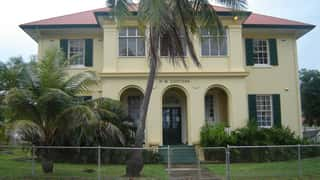
Cooktown's modern narrative began on June 17, 1770, when Captain James Cook beached the HMS *Endeavour* on the banks of the **Endeavour River** after the vessel struck a reef. For 48 days, Cook and his crew repaired the ship, representing the longest period the expedition spent on Australian soil. This site witnessed the first recorded instance of reconciliation between Europeans and the Guugu Yimithirr people, an event sparked by a dispute over green turtles. Following Cook’s departure, the area remained largely undisturbed until the 1873 discovery of gold on the Palmer River. This sparked a chaotic gold rush that transformed a quiet riverbank into a bustling port of 30,000 people almost overnight. By 1874, the town was a forest of tents and iron buildings, serving as the main gateway for thousands of Chinese and European miners. You will still see the architectural legacy of this wealth in the stone-kerbed streets and the grand 1889 convent building that now houses the local museum. World War II brought another shift, with the evacuation of civilians and the town's use as a strategic base. Today, the 1770 landing site and the 19th-century gold rush ruins remain the most prominent features visible from the Charlotte Street waterfront.
The Verdict
The travelers who get the most from Cooktown are those who arrive with a plan and the flexibility to adapt it to the tropical conditions. This guide has been fact-checked by J. Richard and the Waterways Cruise editorial team. Excursions that guarantee a return to the ship can be tailored to your mobility, interests, and pace, so missing departure is never a concern. At Waterways Cruise, no two travelers want the same day ashore, and in a place as unique as Cooktown, having an expert plan is the key to unlocking the true North Queensland experience.
Things to Do & See in Cooktown
| Attraction | Type | Address | Phone | Hours | Website | Admission |
|---|---|---|---|---|---|---|
| James Cook Museum | Museum | 120 Charlotte St, Cooktown QLD 4895 | +61 7 4069 5386 | Daily 9:30 AM – 4:00 PM | nationaltrust.org.au | USD $15.00 AUD |
| Cooktown Botanic Gardens | Tourist Attraction | Walker Street, Cooktown QLD 4895 | +61 7 4069 6001 | Daily 8:00 AM – 5:00 PM | cooktownandcapeyork.com | Free |
| The Milbi Wall | Cultural Site | Webber Esplanade, Cooktown QLD 4895 | Open 24 hours | cooktownandcapeyork.com | Free | |
| Grassy Hill Lookout | Landmark | Grassy Hill Road, Cooktown QLD 4895 | Open 24 hours | cook.qld.gov.au | Free | |
| Cooktown Waterfront Park | Natural Feature | Webber Esplanade, Cooktown QLD 4895 | Open 24 hours | cook.qld.gov.au | Free |
James Cook Museum · Museum
USD $15.00 AUDHoused in the stunning 1889 Sisters of Mercy Convent, this is arguably the finest regional museum in Australia. It holds the original anchor and one of the cannons from the HMS *Endeavour*, recovered from the reef nearly 200 years after Cook jettisoned them. You will find that the museum’s true value lies in its balanced narrative, presenting the landing from both European and Guugu Yimithirr perspectives. When you stand before the anchor, you are looking at the very object that changed the course of Pacific history. Beyond the maritime artifacts, the museum chronicles the Palmer River Gold Rush with an intensity that makes the period feel alive. Look for the 'objects of daily life' exhibit; it features the tiny, personal items that miners carried into one of the harshest environments on Earth. Visitors should allow at least 90 minutes. It provides the essential air-conditioned relief that makes a hot Cooktown day manageable.
120 Charlotte St, Cooktown QLD 4895 ·+61 7 4069 5386 ·Daily 9:30 AM – 4:00 PM ·www.nationaltrust.org.au
Cooktown Botanic Gardens · Tourist Attraction
FreeEstablished in 1878, these gardens are among the oldest in Queensland. They were created to provide fresh produce and botanical study in the remote north, but their true fame comes from the 'Living Collection'—plants that are direct descendants of those collected by Joseph Banks and Daniel Solander in 1770. Walking through the stone-walled sections feels like stepping back into a Victorian-era scientific outpost. Visitors often note that the shade provided by the massive tropical canopy is the best in town. Don't miss the Vera Scarth-Johnson Gallery located within the grounds; her watercolor illustrations bring the Cape York flora to life with scientific precision. The gardens offer a rare opportunity to see 'Endeavour' plants in their natural habitat. If you have the energy, the Solander Trail provides a loop through the surrounding bushland, but be warned: the heat increases significantly once you leave the manicured, shaded areas of the main garden.
Walker Street, Cooktown QLD 4895 ·+61 7 4069 6001 ·Daily 8:00 AM – 5:00 PM ·www.cooktownandcapeyork.com
The Milbi Wall · Cultural Site
FreeThe Milbi Wall (or 'Story Wall') is a 12-metre-long curved mosaic situated exactly where the HMS *Endeavour* was careened in 1770. It was created by local Aboriginal artists and tells the story of the landing, the gold rush, and the resilience of the Guugu Yimithirr people. This is a crucial stop because it provides the Indigenous counter-narrative to the colonial history found elsewhere in town. It is recommended to read the wall from left to right; it begins with the creation stories and moves through the arrival of 'the strangers' to the modern era. The vibrant tiles depict local fauna, traditional hunting, and the impact of the gold rush. It is a powerful piece of public art that transforms a simple walkway into a classroom. Most visitors walk past it on their way to the pub or museum, but taking ten minutes here will fundamentally change how you view the statues and monuments you'll see later in the day.
Webber Esplanade, Cooktown QLD 4895 ·Open 24 hours ·www.cooktownandcapeyork.com
Grassy Hill Lookout · Landmark
FreeGrassy Hill is the defining landmark of Cooktown. When Captain Cook was stranded here, he climbed this hill repeatedly to find a way out of the labyrinth of reefs that had nearly destroyed his ship. Standing at the summit today, the view is virtually unchanged from 1770. To your west, the **Endeavour River** snakes into the dense mangroves of the Cape York wilderness; to the east, the Coral Sea stretches toward the horizon. It is worth noting that on a clear day, you can actually see the change in water color that marks the start of the reef system. The hill is home to a small lighthouse and several commemorative plaques. While most guides recommend walking, the incline is too strenuous for many travelers over 65 in the tropical heat. Take a taxi to the top and walk down—your knees and your heart rate will thank you. The panoramic view provides the best 'sense of place' of any location in Far North Queensland.
Grassy Hill Road, Cooktown QLD 4895 ·Open 24 hours ·www.cook.qld.gov.au
Cooktown Waterfront Park · Natural Feature
FreeThis beautifully landscaped park stretches along the **Endeavour River** frontage, connecting the wharf to the main monuments. It is the town's social hub and provides the most comfortable environment for those who want to experience Cooktown without heavy walking. The park features a statue of Captain Cook, the Queen’s Steps (built for the 1970 visit of Elizabeth II), and an interpretive trail. This location is often considered a good 'base camp' for families or groups with mixed mobility. You can sit on a bench under a Frangipani tree and watch the local charter boats return with their catch. It is well established that the park's restrooms are the highest quality in the town center. It’s a perfect spot for birdwatching; look for the majestic Sea Eagles circling the river mouth. Despite the serene atmosphere, never forget you are in crocodile country. The water’s edge is for viewing only—never for wading or washing hands.
Webber Esplanade, Cooktown QLD 4895 ·Open 24 hours ·www.cook.qld.gov.au
Eating & Drinking in Cooktown
The culinary identity of Cooktown is defined by two things: the sea and the bush. Being a remote outpost, the 'local' diet relies heavily on what can be caught in the **Endeavour River** or the Coral Sea. Barramundi is the king here; unlike the farmed versions found in southern cities, Cooktown barra is wild-caught and has a cleaner, firmer texture. You should also look for Mud Crabs, which are a local delicacy usually served simply with chili or lime. Beyond seafood, the region produces exceptional tropical fruits—mangoes, papaws, and rambutans—which you can often find at small roadside stalls or the Saturday markets if your port call aligns. A unique drink to try is 'Cooktown Ginger Beer', often made using local ginger. One honest note: while tourists expect a sophisticated 'Australian fusion' scene, the reality is that locals eat hearty, practical meals. The 'genuine version' of a Cooktown meal is a piece of grilled fish eaten on a bench overlooking the river at sunset.
| Place | Address | Phone | Hours | Website | Price range |
|---|---|---|---|---|---|
| The River of Gold | 122 Charlotte St, Cooktown QLD 4895 | +61 7 4069 5222 | Daily 11:30 AM – 2:30 PM (Lunch) | riverofgold.com.au | $25.00 – $40.00 AUD (~$17.50 – $28.00 USD) |
| The Lure Shop | 125 Charlotte St, Cooktown QLD 4895 | +61 7 4069 5114 | Daily 8:00 AM – 5:00 PM | facebook.com | $15.00 – $25.00 AUD (~$10.50 – $17.50 USD) |
The River of Gold
$25.00 – $40.00 AUD (~$17.50 – $28.00 USD)This is where you go for a proper, sit-down lunch that highlights local produce without the 'tourist pub' chaos. The star of the menu is the Barramundi, sourced directly from the local waters. It is served with a crispness that only fresh-caught fish can achieve. The dining room is airy and makes good use of the tropical breeze, providing a welcome respite from the Charlotte Street sun. You should order the 'Reef and Beef' if you want a true taste of the region's two primary industries. The service is friendly in that relaxed, North Queensland way—don't expect a 10-minute turnaround, but do expect a genuine smile. It is one of the few places in town where you can have a conversation without shouting over a jukebox. Be aware that like most places in Cooktown, they stop serving lunch promptly at 2:30 PM.
122 Charlotte St, Cooktown QLD 4895 ·+61 7 4069 5222 ·Daily 11:30 AM – 2:30 PM (Lunch)
The Lure Shop
$15.00 – $25.00 AUD (~$10.50 – $17.50 USD)Don't let the name fool you—this is part fishing tackle shop, part gourmet deli. It is arguably the most authentic food experience in town. You order at the counter and sit at basic tables, but the seafood is impeccable. The Prawn Bucket is recommended; the prawns are sweet, firm, and often landed that very morning. This is the perfect spot for a quick, high-quality lunch that doesn't eat into your museum time. It is unpretentious and deeply local. You’ll be eating surrounded by high-end fishing lures and local gossip. It’s also the best place to buy a cold ginger beer—a local favorite for cutting through the humidity. Honest limitation: the seating is outdoors and can be quite warm during the midday peak, but the quality of the food makes it worth the sweat.
125 Charlotte St, Cooktown QLD 4895 ·+61 7 4069 5114 ·Daily 8:00 AM – 5:00 PM
The River of Gold
This is where you go for a proper, sit-down lunch that highlights local produce without the 'tourist pub' chaos. The star of the menu is the Barramundi, sourced directly from the local waters. It is served with a crispness that only fresh-caught fish can achieve. The dining room is airy and makes good use of the tropical breeze, providing a welcome respite from the Charlotte Street sun. You should order the 'Reef and Beef' if you want a true taste of the region's two primary industries. The service is friendly in that relaxed, North Queensland way—don't expect a 10-minute turnaround, but do expect a genuine smile. It is one of the few places in town where you can have a conversation without shouting over a jukebox. Be aware that like most places in Cooktown, they stop serving lunch promptly at 2:30 PM.
Try: Wild Caught Barramundi, Cape York Beef Burger
The Lure Shop
Don't let the name fool you—this is part fishing tackle shop, part gourmet deli. It is arguably the most authentic food experience in town. You order at the counter and sit at basic tables, but the seafood is impeccable. The Prawn Bucket is recommended; the prawns are sweet, firm, and often landed that very morning. This is the perfect spot for a quick, high-quality lunch that doesn't eat into your museum time. It is unpretentious and deeply local. You’ll be eating surrounded by high-end fishing lures and local gossip. It’s also the best place to buy a cold ginger beer—a local favorite for cutting through the humidity. Honest limitation: the seating is outdoors and can be quite warm during the midday peak, but the quality of the food makes it worth the sweat.
Try: Fresh Prawn Bucket, Fish and Chips
Getting There & Around
The primary way to move around Cooktown is walking. The town's historic core is laid out on a simple grid along Charlotte Street, making navigation effortless. You will find that most attractions, including the museum and the lower gardens, are within a 1.2 km (0.75 mile) radius of the pier. There is no public bus or tram system, and the two local taxi operators are often busy with school runs or medical transfers; wait times can exceed 30 minutes during peak disembarkation. Uber does not operate here. For those with mobility concerns, some cruise lines arrange a private shuttle to the Botanic Gardens. Bike rentals are available at some local guesthouses, but the town's hills—especially toward Grassy Hill—can be punishing in the heat. It is advisable to stay on the river side of Charlotte Street when walking south; the shade from the trees is significantly better than the exposed shopfront side, and direct glare off the water will be avoided.
Getting back to the ship
The final tender usually departs the Charlotte Street Wharf at 4:30 PM for a 5:00 PM sailing. It is a good idea to be in the tender queue by 4:00 PM at the latest. This provides a 30-minute buffer for the 10-minute transit back to the ship. A taxi back from the Botanic Gardens takes 5 minutes and costs roughly $10 AUD (~$7.00 USD), but you must call for one at least 20 minutes in advance. If you miss the final tender, you must contact the Port Agent (number on your daily program). Because Cooktown is 330 km from the next major port (Cairns) and the road is often partially unsealed or slow, missing the ship here is an expensive, multi-day logistical nightmare involving private 4WD transport or charter flights. The ship will not wait for independent passengers.
Weather & Best Time to Visit Cooktown
Weather & What to Pack
Cruise season: May to October
26°C to 30°C (79°F to 86°F), high humidity, very low rainfall, and steady southeasterly trade winds.
What to wear: Lightweight, breathable natural fabrics like linen or cotton are essential. Avoid synthetic blends that trap heat. A wide-brimmed hat with a chin strap is necessary for the wind on Grassy Hill. Sturdy walking sandals or sneakers are sufficient for the town, but ensure they have good grip for the inclines. The UV index is 11+ even on hazy days, so sun-protective clothing is better than just relying on cream. Bring a light rain shell for sudden tropical mists.
Weather risks: Strong trade winds (25+ knots) can occasionally make tender operations choppy or cause delays. Heat exhaustion is a genuine risk for passengers walking to the lookout.
Humidity levels begin to rise noticeably in late September as the 'build-up' to the wet season begins.
| Season | Conditions | Hazards | Affected areas | Visitor advice |
|---|---|---|---|---|
| Dry Season (May–October) | Warm, sunny days with low humidity and minimal rainfall. Temperatures average 26°C to 29°C (79°F to 84°F). | The primary risk is sun exposure on the Grassy Hill climb and dehydration. Walking paths are generally dry and stable. | Grassy Hill walking track and the open waterfront promenade. | Wear a broad-brimmed hat and carry at least 1 litre of water. This is the peak cruise window for a reason—the weather is reliably excellent. |
| Wet Season (November–April) | Extreme humidity, heavy tropical downpours, and potential cyclonic activity. Temperatures reach 32°C (90°F). | Walking tracks become muddy and slippery. Saltwater crocodile activity increases in the **Endeavour River** after heavy rains. | Botanic Garden trails and the riverbank areas near the wharf. | Most cruises avoid this window. If visiting, use high-strength insect repellent and strictly stay away from the water's edge. |
Practical Information
Cultural etiquette
In Far North Queensland, the social code is deeply informal but built on mutual respect. (1) Greeting: A simple 'G’day' or a nod is the standard. Avoid overly formal titles; even elders are often addressed by their first names once a rapport is established. (2) Dining: Lunch is a casual affair. It is common to share large tables in pubs. Tipping is not mandatory in Australia, but for exceptional service in a restaurant, 10% is appreciated. (3) Photography: Always ask permission before photographing Indigenous people or their artworks. Some sacred sites or cultural performances may have strict no-photo rules. (4) Queueing: Australians are generally strict about waiting their turn; 'jumping the queue' is considered highly offensive. (5) Tipping beyond dining: You do not need to tip taxi drivers or hotel staff, though rounding up the fare is common. (6) A common misunderstanding: Many cruise passengers assume that 'Aboriginal culture' is a single entity. In Cooktown, people are Guugu Yimithirr; acknowledging their specific tribal name earns immense goodwill. It is also vital to heed all crocodile warning signs; ignoring them isn't seen as 'brave' by locals, but as dangerously disrespectful to the environment.
Mistakes to Avoid
| Mistake |
|---|
Attempting to swim at Finch Bay or the Endeavour River waterfront. |
Walking to Grassy Hill at high noon without adequate water. |
Failing to book the James Cook Museum in advance during peak season. |
Leaving the waterfront without seeing the Milbi Wall. |
Practical tips
Cooktown is a 'cash-friendly' town. While major hotels and the museum accept credit cards (Visa/Mastercard), many small cafes, market stalls, and the local taxi prefer cash. It is a good idea to carry at least $50 AUD (~$35 USD) in small denominations. The tipping norm is zero for taxis and 10% for high-end dining. Five phrases that earn goodwill: 'No worries' (the universal response to thanks), 'How’re you going?' (the standard greeting), 'Too right' (meaning I agree), 'Cheers' (thanks/goodbye), and 'Good on ya' (well done). Beware of the 'Cooktown Fly'—small, persistent bush flies that are harmless but annoying; many locals wear head nets during the height of the dry season. The main scam here is 'overpriced unofficial tours' offered at the wharf; stick to pre-booked or museum-sanctioned guides. For the James Cook Museum, the best time to visit is exactly at opening (9:30 AM) to avoid the heat and the bus crowds. Dress is strictly 'tropical casual'—even the best restaurants do not require a jacket or tie. Finally, always carry a full water bottle; there are long stretches of Charlotte Street with no shade, and heat exhaustion can set in within 30 minutes of walking.
Cruise Lines Visiting Cooktown
Port of Call



Why Book With Waterways Cruise?
Four decades of expertise, one dedicated advisor, and every detail handled, from your front door to the gangway and back.
Personal Service — Your Own Cruise Concierge
Tailor-Made — 100% Custom-Built
Expertise — 40+ Years in Travel
Price Watch — Book With Total Confidence
Signature Sailings
All Cruise Lines at Cooktown (A–Z)
Nearby Ports


FAQ — Cooktown
Are there saltwater crocodiles in the Endeavour River near the wharf?
Yes, saltwater crocodiles are permanent residents of the **Endeavour River**. It is well established that sightings near the Charlotte Street wharf are common, particularly during the change of tide. These are 'apex predators' and can be highly aggressive. You must stay at least 5 metres (16 feet) back from the water's edge and never wade or wash your hands in the river. This is not a theoretical threat; it is a fundamental part of life in Far North Queensland.
Is there a public bus from Cooktown to Cairns for a day trip?
No, there is no public bus that allows for a day trip between Cooktown and Cairns. The journey by road takes approximately 4 hours each way via the inland Mulligan Highway, or longer via the coastal Bloomfield Track. This is a total of 8 hours of driving, which exceeds the duration of almost all port calls. Anyone promising a 'quick trip' to Cairns is misrepresenting the geography of the Cape York Peninsula. If you wish to see the surrounding rainforest, it is a good idea to book a localized 4WD tour that stays within 50 km (31 miles) of the port to ensure you return before departure.
What is the best way to deal with the 'Cooktown Fly' during a shore excursion?
The 'Cooktown Fly' is a small, non-biting bush fly that can be incredibly persistent during the dry season. Their activity is highest on still, humid days. The most effective defense is a high-DEET insect repellent or a physical head net, which can be purchased for roughly $10 AUD (~$7.00 USD) at the local hardware store on Charlotte Street. Avoid wearing dark colors, which seem to attract them. While they are harmless, they can make a 20-minute walk to the Botanic Gardens feel very frustrating. Applying repellent before leaving the ship’s tender is recommended to ensure protection the moment you step onto the wharf.
Can I find high-speed Wi-Fi near the cruise landing?
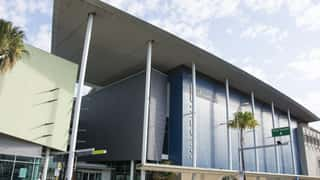
High-speed Wi-Fi is a rarity in Cooktown due to its remote location. The most reliable connection is at the Cooktown Library on the corner of Charlotte and Helen Streets, about a 5-minute walk from the wharf. It is free but can be slow when 500 cruise passengers all attempt to connect at once. Some cafes like 'The River of Gold' offer Wi-Fi to paying customers. Do not expect to upload large video files or attend Zoom meetings while in port.
Is it safe to swim at Finch Bay?
No, it is not safe to swim at Finch Bay or any other beach in the Cooktown area. While the beach is beautiful for a walk, the waters are inhabited by saltwater crocodiles and, during the warmer months, lethal marine stingers (box jellyfish and Irukandji). There are no lifesavers on duty, and the risk to your safety is extreme. Locals generally only swim in specific inland freshwater holes several kilometers from town, and even those require local knowledge to ensure they are croc-free. For a safe way to experience the water, it is best to book a guided river cruise, where you can see the ecosystem from the safety of a high-sided boat.
Do I need to book the James Cook Museum tickets in advance?
While not strictly mandatory, booking tickets for the James Cook Museum at least 48 hours in advance is highly recommended if you are arriving on a cruise ship. The museum is the town's primary attraction and can only accommodate a limited number of people at once to protect the fragile 1889 convent building. When a ship is in port, the 9:30 AM and 10:30 AM slots fill up almost instantly. Tickets cost $15.00 AUD (~$10.50 USD). You can book through the National Trust of Australia (Queensland) website. To ensure a seamless day with pre-paid entry and a private guide, consider booking a heritage package.
What specific Guugu Yimithirr words should I know?
Learning a few words of the local Guugu Yimithirr language earns tremendous respect from the community. 'Gari' (pronounced gah-ree) means 'No', and 'Aye' (pronounced eye) means 'Yes'. The word for the region's famous animal, 'Gangurru' (gan-goo-roo), is actually where the English word 'Kangaroo' originated—this happened right here in Cooktown in 1770. Using these words, especially when discussing the Milbi Wall or the museum exhibits, shows you have a genuine interest in the local culture. For a more in-depth cultural experience with a local elder, a private 'Welcome to Country' session for small groups if booked well in advance of your sailing can be arranged in advance.
Where is the closest ATM to the Charlotte Street wharf?
The closest ATM is located at the Westpac Bank branch at 116 Charlotte Street. This is approximately a 300-metre (985-foot) walk from the tender landing, taking about 4 minutes. It is the only major bank in town, and the ATM is accessible 24 hours. Be aware that during cruise calls, this machine can occasionally run out of cash by mid-afternoon. It is a good idea to withdraw any Australian Dollars you might need in a larger city like Cairns before your ship heads north. If you have trouble with the ATM, the local Post Office (also on Charlotte Street) offers 'Bank@Post' services where you can withdraw cash with a debit card.
Are there venomous snakes I should worry about in the Botanic Gardens?
While Australia is famous for its snakes, sightings in the manicured areas of the Cooktown Botanic Gardens are rare during the day. However, venomous species like the Eastern Brown Snake and the Coastal Taipan do inhabit the surrounding bushland. To stay safe, you must stay on the paved or well-worn gravel paths and avoid walking through long grass or over piles of dead leaves. If you see a snake, stand still and allow it to move away; they are generally shy and will not attack unless provoked. Be aware that 'the best snake is the one you don't touch.' For peace of mind, guided garden tours are led by experts trained in local wildlife safety.
Can I walk to the top of Grassy Hill with a mobility aid?
It is best to avoid walking to the top of Grassy Hill if you rely on a walker, cane, or manual wheelchair. The road is 1.5 km (0.9 miles) long with a gradient that exceeds 12% in several sections. The bitumen surface can also become extremely hot, radiating heat back at the walker. However, the summit itself is paved and relatively flat. The best solution is to take a local taxi or a ship-organized shuttle to the very top. This allows you to enjoy the 360-degree views of the Coral Sea without the physical strain. For travelers with limited mobility, a private vehicle that will wait for you at the summit while you take photos can be arranged in advance.
Fact-checked and co-written by J. Richard, Founder, Waterways Cruise, with the Waterways Cruise Content Team.
Published May 19, 2026 · Last updated November 2, 2026
This guide is researched and reviewed by our editorial team, but prices, hours, and availability change often. Confirm current details directly with venues, excursion operators, and your cruise line before you travel.