Belgium Cruise Ports & Cruise Guide
Total 12 · 9 river · 3 ocean
- Flanders
This page is an overview of the 12 cruise ports in Belgium, covering river and ocean cruises. Cruises start and end at Antwerp, Zeebrugge, Ostend. 124 cruise ships visit Belgium across 12 ports. See live sailings and availability on the Belgium cruises page.
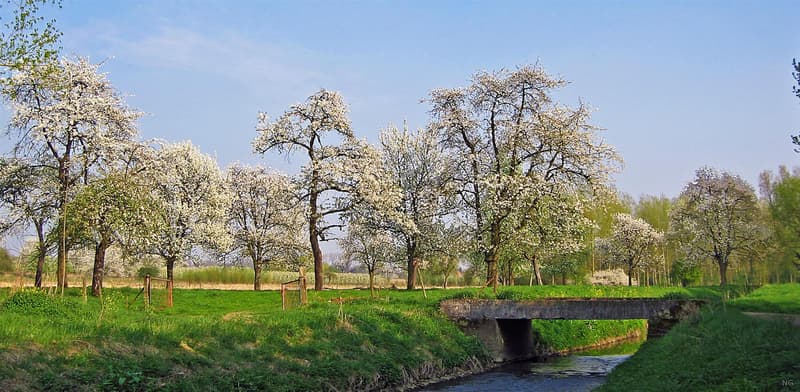


Belgium packs Europe's history into a small area. Its river cruise ports—Brussels, Antwerp, Ghent, Bruges, Namur, Dinant and Liège—offer UNESCO squares, Gothic towers, Rubens, world-class beer and chocolate, and poignant WWI sites. River ships tie them together without unpacking. The trade-offs: Bruges can feel like a theme park, some river moorings are outside old town centers, and Belgium's low-key cities reward travelers who slow down rather than simply check off sights.
Country facts
History
Belgium sits at the crossroads of Roman, Frankish, Burgundian, Habsburg, French, Dutch, and German influences. It emerged as an independent kingdom in 1830 after centuries of foreign rule, industrialized early on coal and steel, suffered both world wars on its soil, and became a driving force behind European integration. The country today is a complex federal state shaped by the Flemish-Walloon divide.
Belgium's reputation as a 'funny little country' obscures deep political fault lines between Dutch-speaking Flanders and French-speaking Wallonia. Tourists rarely see the institutional friction, but it shapes daily life. Belgium's history also includes a brutal colonial record in the Congo, which Belgians are still confronting publicly.
Culture
Belgians tend to be pragmatic, modest, and fiercely regional. Flemish, Walloon, and Brussels identities are often stronger than a single national identity. Belgians value good food, satire, privacy, and gezelligheid—a cozy, unhurried sense of comfort shared with friends.
Music: From Renaissance polyphony to Jacques Brel, Toots Thielemans, and contemporary jazz and electronic scenes, Belgium has a distinctive musical voice. Festivals such as Tomorrowland draw global audiences, while local concert halls keep classical traditions alive.
Signature landscape: The Ardennes forest and the Meuse river valley—limestone cliffs, caves, castle-backed villages, and dense woods—form Belgium's most dramatic natural landscape. In Flanders, the gentler coastal dunes and polder plains offer wide skies and quiet cycling routes.
Cuisine
- Moules-frites (mussels with fries)
- Waterzooi (cream-based chicken or fish stew)
- Carbonnade flamande (beef stew with beer)
- Belgian fries with mayonnaise
- Belgian chocolate and pralines
- Brussels waffles and Liège waffles
- Speculoos cookies
- Artisanal beers: Trappist, lambic, saison, abbey beers
Architecture & heritage
- Gothic cathedrals and UNESCO-listed belfries
- Art Nouveau townhouses by Victor Horta
- Art Deco and modernist buildings in Brussels and Antwerp
- Baroque churches and Rubens' altarpieces
- Medieval beguinages
- Canal-side guild houses of Ghent and Bruges
- Fortress citadels of Namur and Dinant
- World War I memorials in Flanders Fields
Tips for American travellers
- Belgium is not a blend of France and the Netherlands; it is a distinct country with its own food, beer, humor, and politics.
- Start with 'bonjour' in Brussels and Wallonia, and 'hallo' in Flanders; English is widely spoken, but local greetings go a long way.
- Validate train tickets before boarding at the yellow machines; fines apply for missing validation.
- Tipping is modest: 5-10% in restaurants is appreciated but not required, and bar service usually includes a service charge.
- Keep valuables secure in crowded places; pickpocketing is a minor but real issue in Brussels and Bruges.
- Many museums close on Mondays; plan your independent time around this.
- Tap water in Belgium is safe and can be requested free in restaurants.
- The beer list is serious. Ask your server or a local guide rather than defaulting to a standard pils.
Major cities & destinations
Brussels Capital city and EU seat
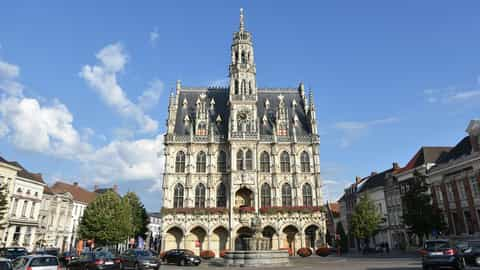
Brussels is a city of grand squares, comic-strip murals, Art Nouveau houses, EU institutions, chocolate shops, and world-class beer bars. The Grand-Place is one of Europe's most beautiful squares.
Primary embarkation/disembarkation point for many river cruises in Belgium. Ships moor on the Brussels-Charleroi Canal near the city center, a short shuttle or walk from the old town.
Grand-Place Atomium Manneken Pis Mont des Arts Royal Galleries of Saint-Hubert Musical Instruments Museum Horta Museum Cinquantenaire Park EU Quarter and Parc LéopoldBruges Historic canal city, UNESCO World Heritage
Bruges is a beautifully preserved medieval city of canals, cobblestones, bell towers, and beguinages. It is romantic and walkable, though busy in peak season.
Most river cruise ships do not sail directly into Bruges. Lines include it as a motorcoach excursion from Ghent or via the North Sea port of Zeebrugge.
Markt and Belfry Rozenhoedkaai canal view Church of Our Lady Begijnhof Groeningemuseum Minnewater (Lake of Love) Basilica of the Holy Blood Chocolate Museum Bruges Beer ExperienceAntwerp Port city and fashion/diamond capital
Antwerp combines a working world port with Rubens, fashion, diamonds, a soaring Gothic cathedral, and a lively old town. It feels more real and less touristed than Bruges.
A major Scheldt river port. River ships often dock near Het Steen or the 't Eilandje quarter, within walking distance of the old town.
Cathedral of Our Lady Rubenshuis Grote Markt Museum aan de Stroom (MAS) Het Steen Antwerp Zoo Fashion Museum (MoMu) Diamond District Plantin-Moretus MuseumGhent Historic university city
Ghent has a magnificent medieval center, the world-famous Ghent Altarpiece, and a lively student atmosphere. It is less crowded than Bruges but just as rich in history.
A regular river port on the Scheldt-Lys waterways. Ships dock within easy walking distance of Graslei and the old town.
Saint Bavo's Cathedral and the Ghent Altarpiece Graslei and Korenlei Gravensteen Castle St. Nicholas' Church Ghent Belfry St. Michael's Bridge Design Museum Gent STAM Ghent City MuseumNamur Citadel city at the confluence of the Sambre and Meuse
Namur is a relaxed Walloon city dominated by a vast citadel. It is the gateway to the Ardennes and offers excellent river views and a compact old town.
A regular Meuse river port. Ships moor on the river near the center; the citadel and old town are within walking distance.
Citadel of Namur St. Aubin's Cathedral Belfry of Namur Église Saint-Loup Félicien Rops Museum Jardin des Plantes Confluence viewpointDinant Picturesque Meuse river town
Dinant is one of Belgium's most dramatic sights: a cliff-top citadel, an onion-domed collegiate church, and the river below. It is also the birthplace of Adolphe Sax.
A small Meuse port often paired with Namur. Ships moor close to the town center, though larger vessels may need to anchor downstream and tender or use a pontoon.
Citadel of Dinant Collegiate Church of Notre-Dame Leffe Abbey and museum Maison de Monsieur Sax Rocher Bayard Grotte La Merveilleuse Meuse riverside promenadeLiège Major city on the Meuse, Wallonia's largest city
Liège is a lively, authentic, and sometimes gritty city with a great market, a striking Calatrava railway station, and a proud culinary identity.
An important Meuse river port and occasional embarkation point. Ships moor near the city center, with the old town and Montagne de Bueren within walking distance.
Palais des Princes-Évêques Liège-Guillemins TGV station Museum of Walloon Life St. Paul's Cathedral La Boverie Montagne de Bueren Curtius Museum Féronstrée districtYpres Town and World War I memorial destination
Ypres (Ieper) was reduced to rubble in World War I and rebuilt as a memorial. The In Flanders Fields Museum and Menin Gate are deeply moving places.
Reached by motorcoach from Bruges or Ghent on most Flanders excursions; not a river port.
In Flanders Fields Museum Menin Gate Essex Farm Cemetery Tyne Cot Cemetery Ypres Cloth HallWaterloo Battlefield town
Waterloo is the site of Napoleon's final defeat in 1815. The battlefield, Lion's Mound, and Hougoumont Farm offer a powerful sense of European history.
A popular half-day coach excursion from Brussels; not a river port.
Lion's Mound Hougoumont Farm Wellington Museum Battle of Waterloo PanoramaCruise ports of call
Belgium's river cruising is based on two systems: the Scheldt basin connecting Brussels, Antwerp, and Ghent, and the Meuse/Maas basin connecting Liège, Namur, and Dinant. Bruges is usually approached overland from Zeebrugge or Ghent because its medieval canals are too small for modern river cruise ships.
- Rhine & Scheldt: Amsterdam–Brussels–Antwerp–Ghent–Bruges, connecting the Netherlands and Belgium on canals and the Scheldt.
- Meuse & Moselle: from the Netherlands/Meuse through Liège, Namur, and Dinant, sometimes continuing into France (Givet) or toward Luxembourg; less crowded and more scenic.
Brussels Rhine & Scheldt
Ships moor on the Brussels-Charleroi Canal at the Port of Brussels, about 10 minutes by shuttle or a pleasant walk from the city center. The Grand-Place is the star, but the city also has Art Nouveau houses, the EU Quarter, and a serious food scene.
Best for: First-time visitors, art and architecture, chocolate and beer, EU history
Operators: A-ROSA, Avalon Waterways, CroisiEurope, Emerald Cruises, Riviera Travel, Scenic, Tauck, Uniworld, Viking
Antwerp Rhine & Scheldt
River ships often dock along the Scheldt quays near Het Steen or the 't Eilandje quarter. From there, the Gothic cathedral, Rubenshuis, and Grote Markt are walkable. Antwerp feels more like a working port than a tourist set-piece.
Best for: Rubens, fashion, diamonds, port energy
Operators: A-ROSA, Avalon Waterways, CroisiEurope, Emerald Cruises, Riviera Travel, Scenic, Tauck, Uniworld, Viking
Ghent Rhine & Scheldt
Ships dock within walking distance of Graslei and the old town. Ghent is less crowded than Bruges but just as medieval, with the Ghent Altarpiece, Gravensteen Castle, and a vibrant student life.
Best for: Medieval architecture, the Ghent Altarpiece, atmosphere without Bruges crowds
Operators: A-ROSA, Avalon Waterways, CroisiEurope, Emerald Cruises, Riviera Travel, Scenic, Tauck, Uniworld, Viking
Bruges Rhine & Scheldt
River cruise ships cannot navigate Bruges' medieval canals; lines call at Zeebrugge on the North Sea or run a motorcoach from Ghent/Brussels. The UNESCO old town is a 30-40 minute ride. Expect crowds, but early access helps.
Best for: Canals, medieval squares, chocolate, romantic atmosphere
Operators: A-ROSA, Avalon Waterways, CroisiEurope, Emerald Cruises, Riviera Travel, Scenic, Tauck, Uniworld, Viking
Namur Meuse & Moselle
A quiet, hilly provincial capital beneath a vast citadel. Ships moor on the Meuse; the old town is a short walk. The citadel offers the best view of the confluence.
Best for: Citadel views, relaxed Walloon culture, gateway to Ardennes
Operators: CroisiEurope, Riviera Travel, Scenic, Tauck, Uniworld, Viva Cruises
Dinant Meuse & Moselle
A postcard town wedged between cliffs and the Meuse. The citadel clings to the rock; the collegiate church's onion dome anchors the riverfront. Ships moor near the center, but the mooring can be tight for larger vessels; small ships are the norm.
Best for: Scenery, citadel, kayaking, Leffe beer history
Operators: CroisiEurope, Riviera Travel, Scenic, Tauck, Viva Cruises
Liège Meuse & Moselle
Wallonia's largest city is lively, authentic, and sometimes rough-edged. River ships moor near the city center, with the Palais des Princes-Évêques and the steep Montagne de Bueren stairs within walking distance.
Best for: Real city life, history, local food, Sunday market
Operators: CroisiEurope, Riviera Travel, Scenic, Tauck, Uniworld, Viva Cruises
Tournai and Mechelen also appear on some small-ship or hotel-barge itineraries, but the regular river-cruise ports of call are the seven above. Ocean cruise ships use Zeebrugge for Bruges; river ships generally do not dock in Zeebrugge.
All cruise ports in Belgium
Ships visiting by type: 53 ocean 70 river 3 expedition
Showing 12 ports in Belgium








River cruises & routes
Belgium has no single 'Belgian river' in the Amazonian sense, but it is a linchpin of Europe's canal and river network. The Scheldt and Meuse basins connect the Low Countries to France, Germany, and the Rhine. River cruising here is about gentle landscape, layered history, food, and beer—not alpine drama.
| Route | Length | Countries | Highlights |
|---|---|---|---|
| Amsterdam, Antwerp, Ghent, Brussels, Bruges | 8 days | Netherlands, Belgium | Canal cities, old masters, chocolate and beer, optional Flanders Fields excursion. |
| Brussels, Antwerp, Ghent, Bruges | 6 days | Belgium (plus optional Amsterdam pre-cruise) | Belgium-only pace; medieval market squares, Rubens, canal boat rides. |
| Meuse Valley: Maastricht, Liège, Namur, Dinant, Givet | 7 days | Netherlands, Belgium, France | Ardennes scenery, citadels, caves, local food and beer. |
| Basel, Rhine, Strasbourg, Brussels, Antwerp, Amsterdam | 12 days | Switzerland, France, Germany, Netherlands, Belgium | Full Rhine with Belgian add-on; Basel to Amsterdam plus Belgian cities. |
Season: Best mid-April to mid-October; May-June and September are ideal. Christmas market cruises in December are popular but cold and can be foggy.
Cruise lines visiting Belgium
Most major river cruise lines include Belgium on Rhine or Amsterdam–Brussels–Bruges itineraries, while a smaller set of operators runs dedicated Meuse/Scheldt voyages. Ships are generally small, carrying 100 to 190 guests, with open seating and included or optional excursions.
A-ROSA
Rhine/Scheldt between Amsterdam, Brussels, Antwerp, and Ghent; casual, wellness-oriented shipboard vibe.
Ships: A-ROSA VIVA, A-ROSA SILVA
Avalon Waterways
Amsterdam–Brussels–Bruges and Rhine–Belgium combinations; known for open-air balconies and active excursions.
Ships: Avalon Panorama, Avalon Impression
CroisiEurope
Most extensive Meuse/Scheldt program; Brussels–Liège–Namur–Dinant–Givet and Amsterdam–Brussels–Paris sailings; European-style dining.
Ships: MS Beethoven, MS Symphonie
Emerald Cruises
Rhine/Main/Danube with Belgium extensions; contemporary 'Star-Ships' and included bike tours.
Ships: Emerald Sun, Emerald Sky
Riviera Travel
Belgium and Netherlands river cruises from Amsterdam to Brussels; smaller ships, British-style service, good value.
Ships: MS Emily Brontë, MS William Wordsworth
Scenic
Luxury all-inclusive Rhine and Amsterdam–Brussels–Bruges itineraries; butler service and included excursions.
Ships: Scenic Jewel, Scenic Crystal
Tauck
Small-ship, all-inclusive, high-end Rhine and Benelux; excellent guides and culinary program.
Ships: ms Emerald, ms Sapphire
Uniworld
Boutique river cruises on Rhine, Meuse, and Dutch-Belgian waterways; ornate design and all-inclusive.
Ships: River Queen, River Duchess
Viking
Popular Amsterdam–Brussels–Bruges 'Rhine Getaway' and longer Rhine itineraries; included excursion in each port.
Ships: Viking Skadi, Viking Aegir
Viva Cruises
Meuse, Moselle, and Rhine itineraries with international sailings; contemporary ships and smaller scale.
Ships: MS Viva One, MS Viva Moments
The master operator list above is the union of all operators shown per port. Only CroisiEurope and Viva Cruises are frequent on the Meuse; the larger lines use Belgium primarily as an extension of Rhine or Amsterdam-based sailings.
Planning & advice
Belgium is the perfect 'next level' for Americans who have already seen London and Paris: it is small, safe, easy to navigate, and rich in layered history. A river cruise removes logistics and lets you experience medieval market squares, WWI memorials, beer, and chocolate without changing hotels. Belgium's modest, ironic culture suits travelers who hate being herded; you can peel off from the group and be rewarded immediately.
For the American traveller
- Pack layers and rain gear; Belgian weather changes quickly.
- Bring a 230V Type C/E plug adapter; most US devices will need a converter too.
- Use euros; credit cards are widely accepted, but carry a little cash for small shops and public restrooms.
- Ask your cruise line exactly where the ship docks; some river ports are outside old town centers and require a shuttle.
- Do not overpack. River cruise cabins are compact and laundry service is available on most lines.
- If you have mobility concerns, book 'easy walking' excursions. Cobblestones, stairs, and canal bridges are beautiful but uneven.
- Bruges is charming but congested in peak season; go early in the morning or late in the evening.
- Tipping is not expected the way it is in the US. Most cruise lines include gratuities or have a recommended amount.
- Check museum opening days; many are closed on Mondays.
Excursion planning
- Choose one included city tour per port, then use free time to explore independently—this avoids feeling herded.
- Pre-book the Ghent Altarpiece and the Last Post ceremony at Menin Gate before your trip.
- In Bruges, take the first canal boat of the day to beat the crowds.
- In Brussels, return to the Grand-Place after dinner when the light is magical and tour groups have gone.
- On the Meuse, take the tourist train up to Namur's citadel if walking uphill is a challenge.
- Pair Namur in the morning with Dinant in the afternoon; they are close and both are river ports.
- Factor in coach transfer time for Bruges and Ypres; these are shore excursions, not dock-to-door visits.
The verdict
Belgium rewards slow travel. For the American who wants substance, beauty, and good food, a Belgian river cruise is an understated, manageable, and memorable choice—especially in shoulder season, with a route matched to your walking ability and a willingness to explore beyond the crowded postcard stops.
Sources
- Visit Flanders — Discover Flanders and Brussels (accessed 2026-09-09)
- Belgian Tourist Office — Belgium: Official Tourism Website (accessed 2026-09-09)
- Encyclopaedia Britannica — Belgium (accessed 2026-09-09)
- Wikipedia — Belgium (accessed 2026-09-09)
- CroisiEurope — Meuse River Cruises (accessed 2026-09-09)
- Viking River Cruises — Rhine Getaway Itinerary (accessed 2026-09-09)