BVI Cruise Ports & Cruise Guide
Total 2
This page is an overview of the 2 cruise ports in BVI, covering ocean cruises. 30 cruise ships visit BVI across 2 ports. See live sailings and availability on the BVI cruises page.
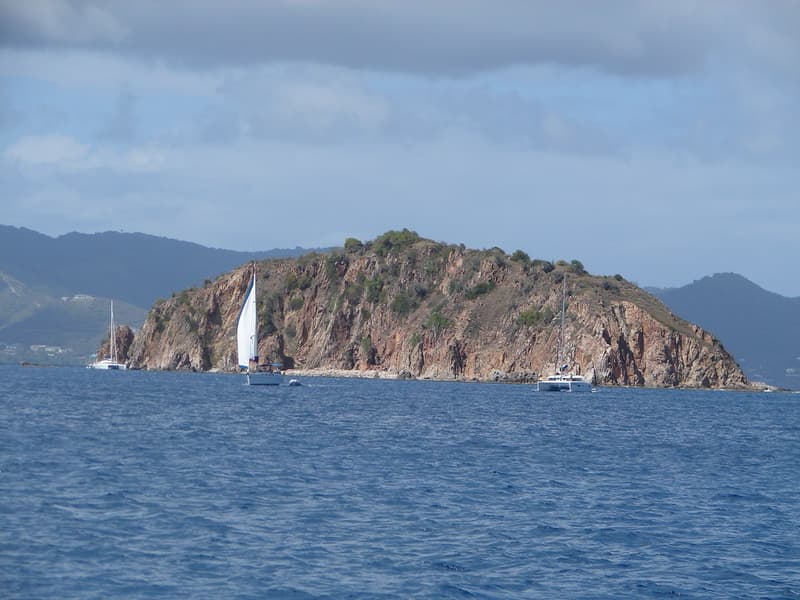

The British Virgin Islands combine world-class sailing, dramatic granite boulders, and a laid-back beach-bar culture within a compact, sheltered archipelago. A small-ship or chartered-yacht itinerary is the best match for mature travelers who want the Caribbean's beauty without being herded through crowded mega-ship ports.
Country facts
History
Originally inhabited by Ciboney, Arawak/Taino, and Kalinago peoples, the islands were sighted by Columbus in 1493 and later colonized by Dutch and English settlers. The British took formal control in 1672, and a plantation economy dependent on enslaved Africans developed. After emancipation in 1834, the islands declined economically until the 20th century, when tourism and offshore finance transformed the territory. Hurricane Irma in 2017 caused widespread destruction, and recovery has been steady but uneven.
Cruise marketing can gloss over colonial exploitation and modern inequality. BVI's current prosperity relies heavily on offshore finance and tourism, and hurricane recovery is uneven. Some 'deserted beach' moments are curated; small islands can feel crowded when multiple cruise ships anchor.
Culture
British Virgin Islanders, often called 'belongers', share an Afro-Caribbean heritage with a distinctly British civic character. Sailing is a cultural touchstone, and the annual Spring Regatta and Anegada lobster festival are local highlights.
Music: Fungi music, a local folk style built on washboard, ukulele, conch shell, and bass, remains central to BVI identity; calypso, soca, reggae, and steel pan are also popular.
Signature landscape: The Baths on Virgin Gorda - a maze of huge granite boulders forming grottos, pools, and beaches - is the territory's natural icon.
Cuisine
- Fungi (cornmeal and okra)
- Roti
- Conch fritters
- Fish and fungi
- Pate (fried bread with spiced meat or fish)
- Anegada lobster
- Pusser's rum punch
- Painkiller cocktail
Architecture & heritage
- Road Town's 18th- and 19th-century stone warehouses and chandlery
- Fort Burt in Road Town
- Copper Mine ruins on Virgin Gorda
- Sage Mountain National Park's remnant rain forest
- St. Philip's Church ruins on Tortola
Tips for American travellers
- The U.S. dollar is the local currency; small bills are helpful.
- Driving is on the left; most visitors should use taxis and boat charters.
- Pack reef-safe sunscreen, water shoes, and a dry bag for tender ports.
- Service is friendly but reserved; greet people with 'good morning' and ask before photographing locals.
- Travel insurance is essential, especially during hurricane season.
Major cities & destinations
Road Town, Tortola Capital city and main cruise port
The historic harbor town is BVI's cultural and administrative center. In an hour you can walk from the pier to the botanical garden, old warehouses, and Fort Burt, then escape to north-shore beaches or Sage Mountain.
Large ships berth at Tortola Pier Park; Road Town is the main clearance point and the busiest island gateway.
Tortola Pier Park Main Street colonial warehouses J.R. O'Neal Botanic Gardens Fort Burt Sage Mountain National Park Cane Garden Bay Brewer's BaySpanish Town, Virgin Gorda Island town and anchorage
Virgin Gorda is the boulder-sculpted heart of the BVI, home to The Baths and the quieter North Sound yachting basin. Spanish Town is the ferry and supply hub, with a relaxed West Indian feel.
Ships anchor or tender here; the waterfront is the staging point for The Baths and island 4x4 tours.
The Baths Devil's Bay National Park Virgin Gorda Peak National Park Copper Mine ruins North Sound and Bitter End Savannah BayGreat Harbour, Jost Van Dyke Tender anchorage and village
Tiny Jost Van Dyke has a single winding road and some of the Caribbean's most famous beach bars, including Foxy's and the Soggy Dollar Bar. It is the classic 'barefoot BVI' experience.
Small ships anchor off Great Harbour; tenders deliver passengers to a rustic pier near Foxy's. Weather can cancel stops.
Foxy's Bar (Great Harbour) White Bay and Soggy Dollar Bar Bubbly Pool at Sandy Cay Sandy Spit Little Jost Van DykeAnegada Outer coral island settlement
Anegada is flat, coral-formed, and ringed by one of the Caribbean's largest fringing reefs. It feels wonderfully remote, with miles of empty beach and a famous lobster culture.
Infrequently visited by small expedition-style or chartered vessels; a true off-the-beaten-path call for those who want to escape the usual circuit.
Loblolly Bay Cow Wreck Beach Anegada Reef Flamingo Pond The Settlement (model town) Anegada MuseumCruise ports of call
BVI cruise calls are dominated by Road Town, but the archipelago's real magic lies in the tender stops at Virgin Gorda, Jost Van Dyke, and occasionally Anegada. Sea conditions dictate tender access; the best months are December through May.
- Eastern Caribbean circle - San Juan to St. Thomas/St. Maarten; ships berth at Road Town and sometimes anchor at Spanish Town.
- Virgin Islands yacht route - St. Thomas to Jost Van Dyke and Anegada; the preserve of small sailing vessels and luxury yachts.
Road Town, Tortola Eastern Caribbean circle
Large ships dock at the modern Tortola Pier Park, steps from Road Town's old harbor. On big-ship days expect the pier promenade to be lively; escape by taxi to the north shore.
Best for: Colonial history, beach days, and easy shore tours
Operators: Royal Caribbean International, Windstar Cruises, SeaDream Yacht Club, Star Clippers
Spanish Town, Virgin Gorda Eastern Caribbean circle
Ships anchor off Spanish Town or just south of The Baths, and passengers come ashore by tender. The small waterfront has ferry docks, taxi stands, and dive shops.
Best for: The Baths, island 4x4 tours, North Sound yachting
Operators: Windstar Cruises, SeaDream Yacht Club, Star Clippers
Great Harbour, Jost Van Dyke Virgin Islands yacht route
The bay is open to the south and sheltered enough for small vessels in normal trade winds. Tenders land at a simple pier near Foxy's, and the beach bars are a short walk.
Best for: Beach bars, snorkeling, and island charm
Operators: Windstar Cruises, SeaDream Yacht Club, Star Clippers
Anegada Virgin Islands yacht route
Anegada has no deep-water cruise pier; vessels anchor offshore and land by tender, and weather windows are important. The island's low profile and reefs demand careful navigation.
Best for: Remote beaches, reef snorkeling, fresh lobster
West End/Soper's Hole on Tortola is a customs and immigration entry for private yachts but not a scheduled cruise port. Other secondary anchorages include Cane Garden Bay, Cooper Island, and Peter Island, used mostly by charter yachts.
All cruise ports in BVI
Ships visiting by type: 30 ocean 3 expedition
Showing 2 ports in BVI


River cruises & routes
The BVI has no navigable rivers. In this schema, 'river cruises' are best interpreted as open-water yacht routes through the Sir Francis Drake Channel and the cays between Tortola, Virgin Gorda, and Jost Van Dyke.
| Route | Length | Countries | Highlights |
|---|---|---|---|
| BVI charter circuit | 7 days | BVI | Road Town, Norman Island, Cooper Island, Salt Island, Spanish Town, Virgin Gorda, Jost Van Dyke, Cane Garden Bay |
| BVI/USVI loop | 7 days | BVI/USVI | St. Thomas, St. John, Jost Van Dyke, Norman Island, Virgin Gorda, Road Town |
Season: High season December-May; hurricane season June-November. Winter and spring offer the most reliable trade winds and calmest anchorages.
Cruise lines visiting BVI
BVI's cruise traffic is split between mainstream ships that berth at Road Town and small-ship/yacht lines that explore the entire archipelago. Because the best anchorages are too shallow for large vessels, a small-ship itinerary is the most rewarding way to see the islands.
Royal Caribbean International
Eastern Caribbean itineraries with a Road Town call, often combined with St. Thomas and St. Maarten.
Windstar Cruises
Small-ship sailing voyages through the Leeward and Virgin Islands; stops at Road Town, Spanish Town, and Great Harbour.
Ships: Wind Star, Wind Surf
SeaDream Yacht Club
Seven-day Virgin Islands voyages; Great Harbour, Spanish Town, and Road Town.
Ships: SeaDream I, SeaDream II
Star Clippers
Tall-ship cruises from St. Maarten; calls at Road Town and Spanish Town.
Ships: Royal Clipper, Star Clipper
For this reader, the strongest match is a small-ship line or a chartered crewed catamaran. Large ships use Road Town, but they can overwhelm the island's small scale.
Planning & advice
The BVI is a milestone destination for travelers who want the beauty of the Caribbean without the high-rise resort feel. Its small-ship and charter scene lets you travel at your own pace, meet islanders at beach bars, and earn a sense of discovery rather than being bused from one crowded overlook to another.
For the American traveller
- The U.S. dollar is the official currency; bring small denominations for taxis, beach bars, and local tips.
- A valid U.S. passport is required for air travel to the BVI; even on cruises, carry your passport rather than a birth certificate.
- BVI drives on the left. Unless you are confident with a stick shift and narrow roads, rely on taxis, safari buses, and boat charters.
- Tap water is from desalination plants or cisterns; bottled water is common for drinking.
- Hurricane season runs June through November; buy trip insurance that covers weather disruption.
- Emergency and health services are limited on small islands; carry any prescription medicines in your carry-on.
Excursion planning
- Book the first tender of the day to The Baths and arrive before the tour boats; park staff often limit numbers.
- Choose small-group excursions and confirm the maximum number before paying.
- At Road Town, hire a licensed taxi for a private north-shore beach tour; agree on the fare and time beforehand.
- If you want zero herding, choose a yacht line with fewer than 150 passengers or a private catamaran charter.
- Pack water shoes, a dry bag, and reef-safe sunscreen; tender landings can be wet.
The verdict
Highly recommended for the independent-minded, milestone-age traveler. Choose a small-ship or yacht itinerary that includes Virgin Gorda and Jost Van Dyke, use Road Town only as a launch point, and you will find the BVI's intimacy and maritime soul intact.
Sources
- CIA World Factbook — British Virgin Islands (accessed 2026-09-09)
- BVI Tourist Board — Visit BVI (accessed 2026-09-09)
- Encyclopaedia Britannica — British Virgin Islands (accessed 2026-09-09)
- Windstar Cruises — Caribbean Cruises (accessed 2026-09-09)