Cambodia Cruise Ports & Cruise Guide
Total 12 · 9 river · 3 ocean
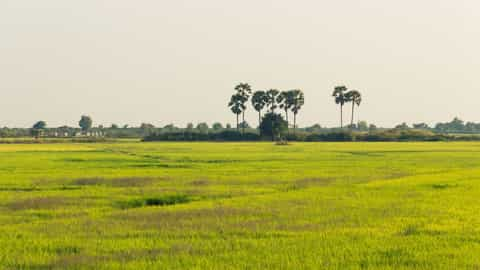
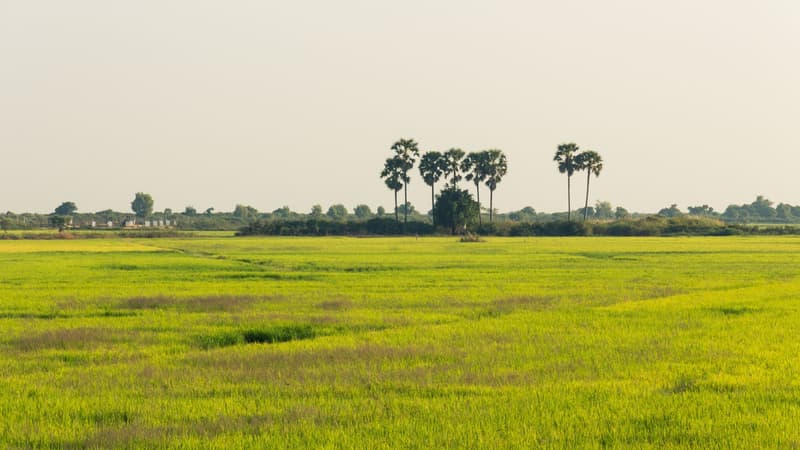
- Kampong Chhnang
- Kampong Thom
This page is an overview of the 12 cruise ports in Cambodia, covering river and ocean cruises. Cruises start and end at Kampong Chhnang. 31 cruise ships visit Cambodia across 12 ports. See live sailings and availability on the Cambodia cruises page.
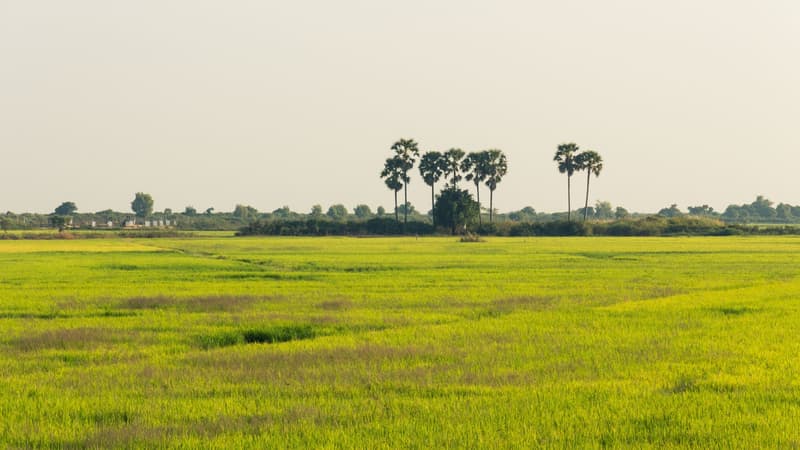

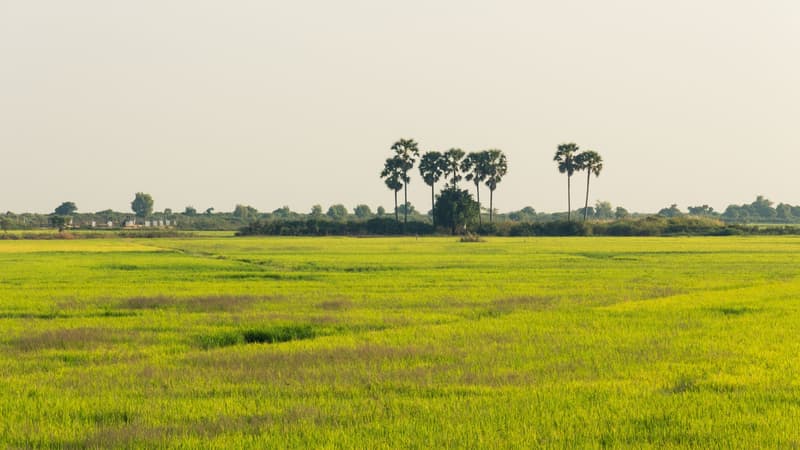
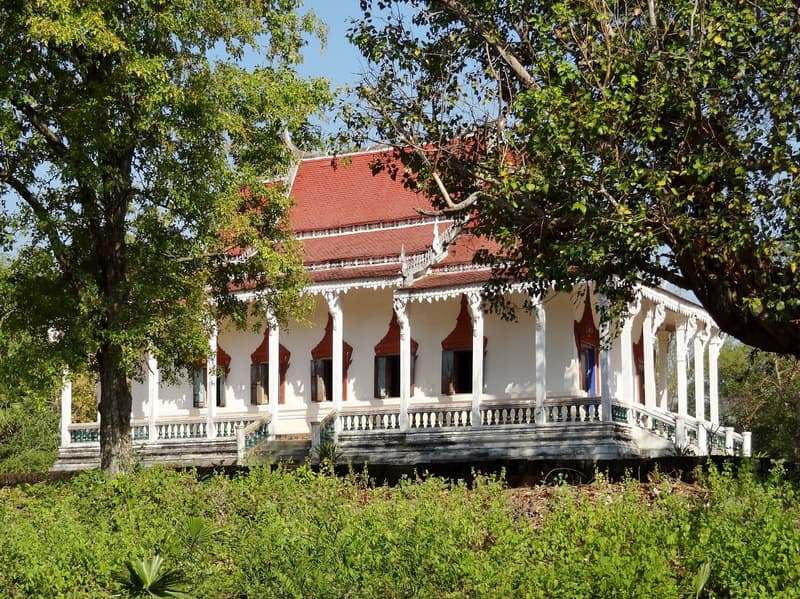
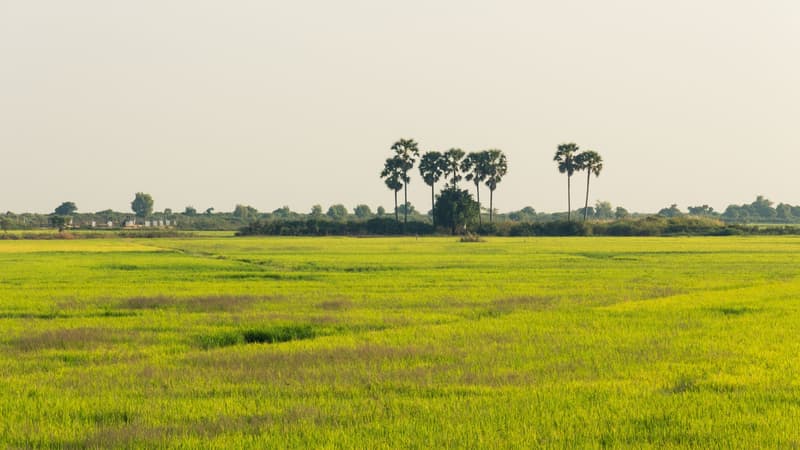
Cambodia offers the rare combination of a world wonder, a poignant recent history, and a deeply human river culture. For the American traveler, the Mekong and Tonle Sap are the most unhurried ways to see the country: no packing, no tour buses, no herding. A cruise stops at Phnom Penh's palace and killing fields, artisan villages, provincial temples, and Siem Reap's Angkor complex. The trade-off is that river cruising only samples Cambodia; the temples at Angkor are reached by bus from the Tonle Sap lake port, and some days require tendering or wooden walkways. Weather and water levels matter, and the dark history is unavoidable but manageable. Travelers who want depth without physical strain can choose higher-end ships with included excursions and intimate group sizes.
Country facts
History
Cambodia's recorded history runs from early Indianized kingdoms through the great Khmer Empire centered on Angkor, a French protectorate, independence, civil war, the Khmer Rouge terror, and a slow postwar rebuilding. For cruise travelers, the layered past is visible in temple stone, colonial architecture, and living traditions.
History is not a theme park. The Killing Fields and Tuol Sleng are emotionally heavy; many travelers need time and quiet after visiting. At the same time, Cambodia's modern optimism and Buddhist culture are visible on the river, and local guides handle these visits with remarkable grace.
Culture
Khmer identity centers on Theravada Buddhism, the Khmer language, respect for elders, and a deep connection to rice and water. The monarchy and the image of the Buddha are deeply revered.
Music: Pinpeat court music and Apsara dance ensemble; traditional mohori music; popular music influenced by 1960s rock and modern Khmer pop; classical dance is performed at temples and cultural restaurants.
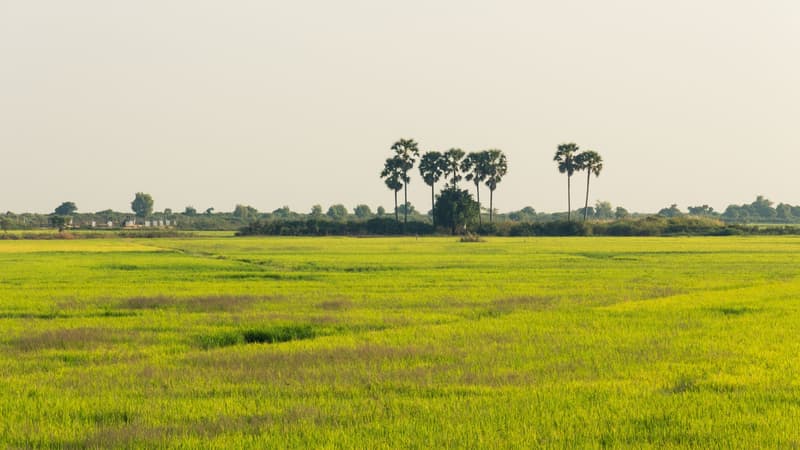
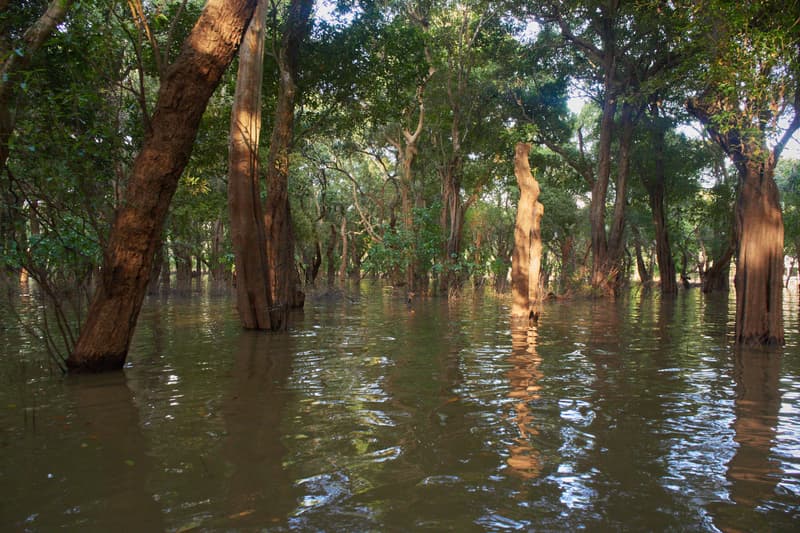
Signature landscape: The Tonle Sap, Southeast Asia's largest freshwater lake, reverses its flow each monsoon, expanding to over five times its dry-season size and fertilizing the floodplain.
Cuisine
- Amok (coconut fish curry steamed in banana leaf)
- Lok lak (stir-fried beef with lime-pepper dip)
- Kuy teav (pork/beef rice noodle soup)
- Num banh chok (Khmer noodles with fish-based green curry sauce)
- Krolan (sticky rice in bamboo tube)
- Fresh spring rolls with prawns and herbs
- Prahok (fermented fish paste) for adventurous eaters
Architecture & heritage
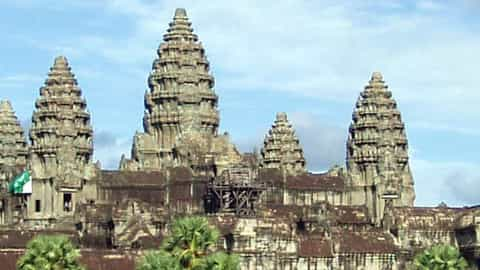
- Angkor Wat and the Angkor Archaeological Park (UNESCO)
- Bayon's stone faces at Angkor Thom
- Ta Prohm, the temple entwined with strangler figs
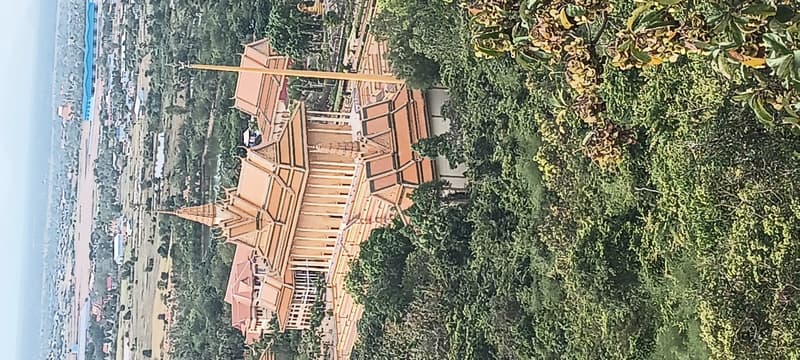
- Royal Palace and Silver Pagoda in Phnom Penh
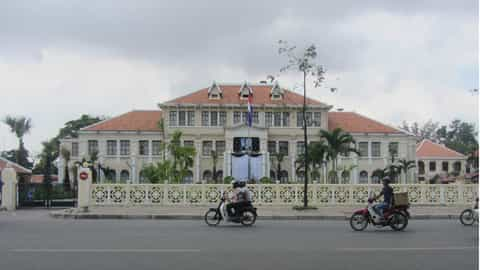
- French colonial buildings along Phnom Penh's riverfront
- Sambor Prei Kuk (UNESCO) near Kampong Thom
Tips for American travellers
- Dress modestly at temples and pagodas: cover shoulders and knees; remove shoes before entering sanctuary.
- Do not touch or point feet at Buddha images or monks; use the right hand for giving and receiving.
- The U.S. dollar circulates widely; small riel notes are useful for markets and tips.
- Drink bottled or filtered water; avoid ice unless from reputable cruise or hotel.
- Negotiating gently is expected in markets, but not in fixed-price shops or museums.
- At memorial sites, silence and respect are important; ask before photographing people, especially survivors.
- Sunscreen, insect repellent, and a light rain layer are essential; river cruises provide much of this comfort.
Major cities & destinations
Phnom Penh Capital city
The chaotic, vibrant capital mixes golden pagodas, French colonial boulevards, and sobering memorials. It is Cambodia's political, cultural, and economic heart.
Principal Cambodian river port; overnight stop for most Mekong cruises; central mooring near the Royal Palace.
Royal Palace and Silver Pagoda National Museum of Cambodia Tuol Sleng Genocide Museum Choeung Ek Killing Fields Wat Phnom Phsar Thmei (Central Market) Sisowath Quay riverfrontSiem Reap Gateway town to Angkor
Base for the temples of Angkor, a UNESCO site and the largest religious monument in the world. The town itself has lively markets, restaurants, and the Phare Circus.
The final/starting point for many cruises; ships moor at Phnom Krom on Tonle Sap and transfer passengers 30 minutes to town and temples.
Angkor Wat Angkor Thom (Bayon, Baphuon, Phimeanakas) Ta Prohm Banteay Srei Angkor National Museum Pub Street and Old Market Phare, The Cambodian CircusKampong Cham Provincial river town
A laid-back Mekong town of old French shophouses, a unique seasonal bamboo bridge, and pre-Angkor temple ruins. It rarely feels crowded.
A classic lower-Mekong call for lines that want an authentic Cambodian town away from the capital.
Wat Nokor Bachey Phnom Pros and Phnom Srei Bamboo Bridge (seasonal) Koh Paen island French colonial riverside houses Kampong Cham Central MarketKampong Chhnang Tonle Sap port town
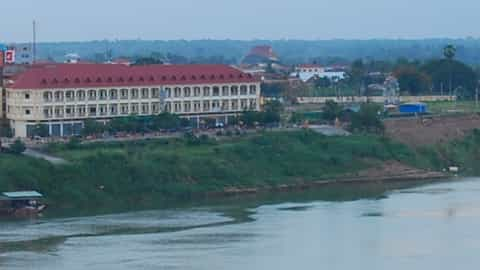
Known as 'Little Switzerland,' this town is the center of Khmer pottery and a gateway to floating villages. The surrounding wetlands are alive with birds.
Primary stopping point for cruises crossing the Tonle Sap between Phnom Penh and Siem Reap.
Floating villages Pottery workshops Palm sugar groves and farm Wat Kampong Tralach Leu Morning riverside marketKoh Chen Craft village on the Mekong
A tiny riverside village that has made silver and copper items for generations. Visitors see skilled artisans hammering metal and daily life on stilts.
A short, immersive stop between Phnom Penh and Kampong Cham; typical of the human-scale moments river cruising does best.
Silversmith workshops Coppersmith workshops Stilt-house community Village pagoda Riverside marketAngkor Ban Riverside village
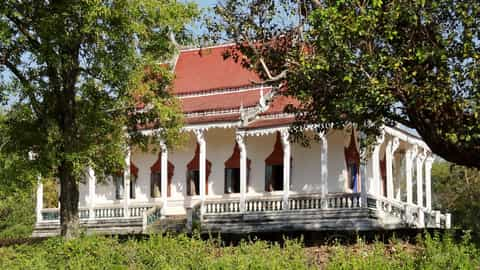
A pretty village of classic Khmer wooden houses, lush gardens, and a white pagoda; it has become a favorite for photographers and slow travelers.
An optional or seasonal stop for smaller ships; provides a view of rural Cambodia largely unchanged by mass tourism.
Wat Angkor Ban Old Khmer wooden houses Village lanes and gardens Local school Monks' quarters and blessing hallKratie Upper Mekong river town
A sleepy French-era river town with a beautiful riverfront and the best chance to see endangered Irrawaddy dolphins. Feels a world away from Angkor's crowds.
Port for expedition-style ships sailing north toward Laos; a genuine frontier stop.
Kampi Pool dolphin watching Wat Sorsor Moi Roi (100-column pagoda) Phnom Sombok hilltop temple Kratie riverside promenade Koh Trong islandCruise ports of call
Cambodia's river cruising concentrates on two connected waterways: the Mekong from the Vietnamese border through Phnom Penh to Kampong Cham, and the Tonle Sap lake/river corridor linking Phnom Penh with the Siem Reap lake port of Phnom Krom. A smaller expedition route runs north to Kratie and toward Laos.
- Lower Mekong: Ho Chi Minh City ↔ Phnom Penh ↔ Kampong Cham, with village stops such as Koh Chen and Angkor Ban.
- Tonle Sap & Angkor: Phnom Penh ↔ Kampong Chhnang ↔ Siem Reap/Phnom Krom; plus a smaller Upper Mekong extension to Kratie/Laos for expedition ships.
Phnom Penh Lower Mekong / Tonle Sap
Cambodia's capital sits at the confluence of the Mekong, Tonle Sap, and Bassac rivers. Ships moor along Sisowath Quay, putting the Royal Palace, National Museum, and riverfront within easy walking distance.
Best for: First-time orientation to Cambodian history, culture, and French colonial charm
Operators: AmaWaterways, Avalon Waterways, Viking, Uniworld Boutique River Cruise Collection, Emerald Cruises, Pandaw River Cruises, Heritage Line, Scenic Luxury Cruises & Tours
Kampong Cham Lower Mekong
A quiet French-era town on the Mekong's west bank, famous for its seasonal bamboo bridge and the pre-Angkorian temple of Wat Nokor.
Best for: Slow village life, temples without crowds, and seeing the Mekong up close
Operators: AmaWaterways, Avalon Waterways, Viking, Uniworld Boutique River Cruise Collection, Emerald Cruises, Pandaw River Cruises, Heritage Line, Scenic Luxury Cruises & Tours
Koh Chen Lower Mekong
A small Mekong village between Phnom Penh and Kampong Cham, known for its silversmiths and copper crafts and stilt houses.
Best for: Seeing a working craft community and rural river life
Operators: AmaWaterways, Avalon Waterways, Viking, Uniworld Boutique River Cruise Collection, Emerald Cruises, Pandaw River Cruises, Heritage Line, Scenic Luxury Cruises & Tours
Angkor Ban Lower Mekong
A visually rich village of old wooden houses, flower-filled gardens, and a prominent pagoda; often a favorite stop for river photographers.
Best for: Khmer village charm and photography
Operators: AmaWaterways, Avalon Waterways, Pandaw River Cruises, Heritage Line, Scenic Luxury Cruises & Tours
Kampong Chhnang Tonle Sap
Known as 'Little Switzerland' for its hilly setting, this port is the gateway to floating villages on the Tonle Sap and a center of pottery and palm sugar.
Best for: Wetland ecology, floating villages, and handicraft traditions
Operators: AmaWaterways, Avalon Waterways, Viking, Uniworld Boutique River Cruise Collection, Emerald Cruises, Pandaw River Cruises, Heritage Line, Scenic Luxury Cruises & Tours
Siem Reap / Phnom Krom Tonle Sap / Angkor
Cruise ships call at Phnom Krom on the Tonle Sap, about 20–30 minutes from Siem Reap town and the Angkor temples. Most lines include at least two days to explore Angkor.
Best for: Angkor Archaeological Park, one of the world's great heritage sites
Operators: AmaWaterways, Avalon Waterways, Viking, Uniworld Boutique River Cruise Collection, Emerald Cruises, Pandaw River Cruises, Heritage Line, Scenic Luxury Cruises & Tours
Kratie Upper Mekong
A small riverside town in northeastern Cambodia, increasingly included by expedition-style cruises connecting the lower Mekong with Laos. The river here is broad and fringed by flooded forest.
Best for: Irrawaddy dolphins, river life beyond the tourist trail
Operators: Pandaw River Cruises, Heritage Line
In addition to these, some lines include Prek Kdam, Koh Oknha Tei, or Oknhatey Island, and upper-Mekong voyages reach Kratie for Irrawaddy dolphins. Ports are weather-dependent; the dry season lowers water levels and the monsoon raises them, so ships may substitute stops.
All cruise ports in Cambodia
Ships visiting by type: 16 ocean 15 river
Showing 12 ports in Cambodia







River cruises & routes
Cambodia's cruises are almost entirely on the Mekong and Tonle Sap. The classic route connects Ho Chi Minh City and Siem Reap, with two or more days in Cambodia. A smaller number of voyages sail the Tonle Sap to Phnom Penh or go north toward Laos.
| Route | Length | Countries | Highlights |
|---|---|---|---|
| Siem Reap (Angkor) to Ho Chi Minh City | 14–16 | Cambodia and Vietnam | Angkor temples; Tonle Sap floating villages; Kampong Chhnang pottery; Phnom Penh palace and memorials; Mekong Delta and Cai Be; Ho Chi Minh City |
| Phnom Penh to Siem Reap (or reverse) | 7–8 | Cambodia | Mekong villages, Kampong Cham, Kampong Chhnang, Tonle Sap lake, Angkor complex |
| Upper Mekong: Kratie to Laos / remote Mekong | 10–14 | Cambodia, Laos, Vietnam (varies) | Irrawaddy dolphins at Kratie, remote river villages, Khone Falls and Si Phan Don, colonial towns |
Season: November through March is the prime cruise season: dry, cooler, and with good water levels. April–May are hot; June–October monsoon can bring rain but also dramatic skies and fuller rivers, and some lines offer low-season rates.
Cruise lines visiting Cambodia
Most major river cruise companies include Cambodia on a Vietnam-Cambodia Mekong itinerary. Ships tend to be smaller than European river ships, with shallow drafts and open-air sundecks. A few expedition-style operators go farther north to Kratie and Laos.
AmaWaterways
Lower Mekong; Saigon–Siem Reap; Tonle Sap; Cambodia/Vietnam itineraries.
Ships: AmaDara
Viking
Cambodia & Vietnam; Siem Reap/Ho Chi Minh City; Mekong and Tonle Sap.
Ships: Viking Mekong
Uniworld Boutique River Cruise Collection
Timeless Cambodia & Vietnam; Siem Reap/Ho Chi Minh City.
Ships: Mekong Jewel
Pandaw River Cruises
Mekong expeditions, including upper Mekong to Kratie and Laos.
Ships: RV Mekong Pandaw, RV Indochine II
Heritage Line
Mekong and Tonle Sap; Vietnam/Cambodia boutique cruises.
Ships: The Jahan
Scenic Luxury Cruises & Tours
Vietnam & Cambodia; Siem Reap/Ho Chi Minh City.
Ships: Scenic Spirit
Not all lines sail every route. The same ship may be chartered by an American tour operator; check whether excursions and drinks are included. Smaller expedition ships offer more flexibility; larger ships have more onboard amenities.
Planning & advice
Cambodia is ideal for the milestone traveler who wants depth, not herding. River cruising removes the friction of changing hotels, unpacking, and navigating chaotic roads. The scale is human, the temples are transcendent, and the recent history adds a dimension no beach resort can match. For travelers who fear being herded, choose a smaller ship, request a private car at Angkor, and take a pause day on the ship instead of joining every excursion. Cambodia rewards independence and curiosity, but a good guide makes the difference between a postcard and a story.
For the American traveller
- U.S. citizens need a passport valid at least six months and an e-visa or visa-on-arrival; cruise lines usually handle Cambodian visa paperwork for the group.
- Dollars are widely accepted; ATMs dispense U.S. dollars, but small purchases need riel.
- Do not photograph military/police or children without permission; always ask.
- Buddhist etiquette: cover shoulders and knees at pagodas, remove shoes, and don't touch monks or Buddha images.
- Tap water is not safe; use ship-provided bottled water for drinking and teeth brushing.
- Health: consult a travel clinic; malaria risk is low in city/river areas but mosquito protection is still advised.
- Traffic in Phnom Penh is chaotic; wait for guides when crossing streets.
- Air quality in dry season can be smoky; sensitive travelers should carry masks.
- Tipping is appreciated but not mandatory; cruise lines provide guidance.
- Avoid political protests and gatherings; do not discuss the royal family or election politics lightly.
Excursion planning
- Book excursions through the cruise line to ensure timing, tendering, and visa coordination.
- Choose one heavy memorial site per day; pair Tuol Sleng with something lighter, like a market or riverfront walk.
- At Angkor, go early. The classic sunrise at Angkor Wat is magical but crowded; your cruise line can arrange a less-crowded gate or an afternoon visit.
- Pace temple climbs; Ta Prohm is mostly flat but some Angkor temples have steep staircases.
- Carry a small daypack with water, sunscreen, hat, and insect repellent; ships will refill water bottles.
- Ask your guide about water levels. A 'village walk' may involve a muddy path; sturdy closed-toe shoes help.
- For floating villages, bring a camera with a zoom lens; don't give candy or money directly to children, give through the guide if you wish to help.
- Allow time for cultural performances; Phare Circus in Siem Reap is a fun, high-energy evening.
The verdict
Cambodia on a river cruise is a once-in-a-lifetime country for American milestone travelers—provided they accept the trade-offs. The Mekong is not Europe; docking is often by tender, water levels shift schedules, and the weight of history can be heavy. But the combination of Angkor, the Tonle Sap's natural drama, and the kindness of the Khmer people is unmatched. For the reader who wants to feel the world's texture rather than just see it, Cambodia is the destination.
Sources
- CIA World Factbook — Cambodia - The World Factbook (accessed 2026-09-09)
- Encyclopaedia Britannica — Cambodia | History, Map, Flag, Capital, Population, & Facts (accessed 2026-09-09)
- Lonely Planet — Cambodia travel (accessed 2026-09-09)
- ASEAN — ASEAN Member States - Cambodia (accessed 2026-09-09)