Puerto Chacabuco Cruise Port
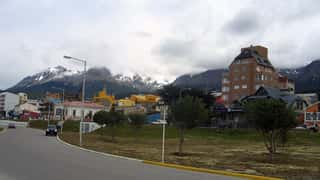
The cruise terminal at Puerto Chacabuco offers no significant shopping or cultural attractions within walking distance, necessitating a pre-arranged vehicle for the 15 km (~9 mile) trip to Puerto Aysén or the 80 km (~50 mile) trip to Coyhaique. Located in the Aysén Region of Northern Patagonia, this port serves as a rugged gateway to the dramatic landscapes of the Aysén Fjord. You must understand that this is a functional industrial settlement of fewer than 2,000 residents; it is not a 'strolling' town. The transit time to Coyhaique, the regional capital, takes about consistently 75 to 90 minutes each way depending on traffic at the Presidente Ibáñez Bridge. Travelers should note that Puerto Chacabuco is 1,600 km south of Santiago and roughly a 2-hour drive from the Balmaceda Airport (BBA) for those ending their voyage here. As an ocean cruise port, it hosts everything from 3,000-passenger mid-sized ships to 200-guest expedition vessels. You will find that the Aysén Fjord weather is notoriously fickle; if you don't have a pre-booked excursion, you will likely find yourself standing in the rain at a small craft market with nowhere to go. This destination rewards those who venture deep into the Simpson River Valley and punishes those who wait until disembarkation to find a taxi.
Puerto Chacabuco Terminal (Emporcha)

Puerto Chacabuco, Chile Port
UN/LOCODE CLPCH Port of call Homeport
Puerto Chacabuco Cruise Port Location
| Port Details | |
|---|---|
| Country | Chile |
| UN/LOCODE | CLPCH |
| Contact | |
| Address | Av. Bernardo O'Higgins s/n, Puerto Chacabuco, Región de Aysén, Chile |
| Port phone | +56 67 235 1515 |
| Website | www.emporcha.cl |
| Geography | |
| Coordinates | -46.34580, -72.35420 |
| Accessibility | |
| Accessible | Limited |
The cruise terminal at Puerto Chacabuco offers no significant shopping or cultural attractions within walking distance, necessitating a pre-arranged vehicle for the 15 km (~9 mile) trip to Puerto Aysén or the 80 km (~50 mile) trip to Coyhaique. Located in the Aysén Region of Northern Patagonia, this port serves as a rugged gateway to the dramatic landscapes of the Aysén Fjord. You must understand that this is a functional industrial settlement of fewer than 2,000 residents; it is not a 'strolling' town. The transit time to Coyhaique, the regional capital, takes about consistently 75 to 90 minutes each way depending on traffic at the Presidente Ibáñez Bridge. Travelers should note that Puerto Chacabuco is 1,600 km south of Santiago and roughly a 2-hour drive from the Balmaceda Airport (BBA) for those ending their voyage here. As an ocean cruise port, it hosts everything from 3,000-passenger mid-sized ships to 200-guest expedition vessels. You will find that the Aysén Fjord weather is notoriously fickle; if you don't have a pre-booked excursion, you will likely find yourself standing in the rain at a small craft market with nowhere to go. This destination rewards those who venture deep into the Simpson River Valley and punishes those who wait until disembarkation to find a taxi.
Puerto Chacabuco — Port Overview
History
Puerto Chacabuco came to prominence in the mid-20th century as a necessary replacement for the silted-up port at Puerto Aysén. Founded effectively in the 1970s, it lacks the colonial architecture found in northern Chile, reflecting instead the late push by the Chilean government to settle and connect the remote Aysén territory. The construction of the Carretera Austral (Southern Highway) beginning in 1976 transformed this region from an isolated outpost accessible only by sea into a connected frontier. This history is visible today in the utilitarian, almost frontier-style construction of the town and the modern engineering of the Presidente Ibáñez Bridge, which was completed in 1966 and remains the longest suspension bridge in Chile. The region's economy was historically built on sheep ranching and forestry, but the rise of the salmon farming industry in the 1980s is what truly shaped the Aysén Fjord you see today. When you look at the water, you'll see the circular pens of salmon farms, a controversial but vital economic driver that has turned this once-quiet fjord into a bustling maritime corridor. Every building here speaks to the struggle against Patagonia’s elements—functional, weather-beaten, and resilient.
The Verdict
Puerto Chacabuco is a port that rewards the prepared traveler. The clients who get the most from this Patagonian gateway are those who arrive with a clear plan to head inland toward the Simpson River or Coyhaique, rather than waiting to see what the pier offers. This guide reflects the expertise of advisors and the feedback of guests, all fact-checked by J. Richard. A customized itinerary can manage the tricky Aysén Fjord logistics, including private 4x4 vehicles and guaranteed return-to-ship timing. No two travelers want the same Patagonian story.
Things to Do & See in Puerto Chacabuco
| Attraction | Type | Address | Phone | Hours | Website | Admission |
|---|---|---|---|---|---|---|
| Coyhaique Plaza de Armas | Landmark | Plaza de Armas, Coyhaique, Chile | +56 67 267 5100 | Open 24 hours | coyhaique.cl | Free |
| Río Simpson National Reserve | Historical Site | Ruta 240, km 37, Aysén, Chile | +56 67 221 2109 | 9:00 AM – 5:00 PM | conaf.cl | USD 5,000 CLP |
| Lake Elizalde | Natural Feature | 30 km Southwest of Coyhaique | Open 24 hours | Not available | Free | |
| Aikén del Sur Private Park | Tourist Attraction | Carretera a Puerto Chacabuco km 2, Chile | +56 67 235 1515 | 9:00 AM – 6:00 PM (Seasonal) | catamaranesdelsur.cl | USD 25,000 CLP |
| Presidente Ibáñez Bridge | Landmark | Ruta 240, Puerto Aysén, Chile | Open 24 hours | Not available | Free |
Coyhaique Plaza de Armas · Landmark
FreeThe heart of the Aysén region, this pentagonal square is unique in Chile. Designed to resemble the badge of the Chilean police (Carabineros), it serves as the social and commercial anchor for the entire province. You will find the best selection of regional handicrafts here, particularly the world-famous Patagonian wool products. Keep in mind that the quality of knitwear here is significantly higher than what you find at the port terminal. Take a moment to sit on the benches and watch the 'huasos' (Chilean cowboys) come into town in their traditional berets. It is a place that feels like a frontier capital—rugged but welcoming. The walking loop around the square is 450 meters, making it a very manageable stroll. Look for the hand-carved wooden furniture in the shops on the north side; they are made from local 'Lenga' wood and are true works of art. This experience delivers the most authentic 'town' atmosphere you can find in Northern Patagonia.
Plaza de Armas, Coyhaique, Chile ·+56 67 267 5100 ·Open 24 hours ·www.coyhaique.cl
Río Simpson National Reserve · Historical Site
USD 5,000 CLPThis 40,000-hectare reserve is where the rainforest meets the mountains. The Simpson River, which runs through it, is a breathtaking glacial turquoise. As you stand on the banks, you are surrounded by 'Nalca' plants (Chilean rhubarb) with leaves as large as umbrellas. Travelers often report that the sheer verticality of the valley walls is what impressed them most. The museum provides an excellent overview of the huemul (Andean deer) and the puma, the two icons of Patagonian wildlife. You will likely see kingfishers and eagles soaring over the river. The air here is some of the cleanest on earth, literally filtered by thousands of miles of Pacific ocean and Patagonian forest. It is a quiet, powerful place that rewards those who take twenty minutes to simply sit by the water and listen to the 'Chucao' bird’s call. It is the definitive 'Patagonia' stop for those with limited mobility or time.
Ruta 240, km 37, Aysén, Chile ·+56 67 221 2109 ·9:00 AM – 5:00 PM ·www.conaf.cl
Lake Elizalde · Natural Feature
FreeLake Elizalde is a 25-km long glacial lake surrounded by steep mountains and dense forest. It is far enough from the main cruise route to feel completely wild. The water is a deep, sapphire blue, reflecting the snow-capped peaks that never melt. It is worth noting that fewer than 5% of cruise passengers ever reach this lake. If you want silence and the feeling of being at the 'end of the world,' this is your destination. You will find that the trout fishing here is some of the best in the southern hemisphere. You will see small local farmsteads where smoke rises from wood-burning stoves, a scene that hasn't changed in fifty years. This is the Patagonia of the pioneers. It delivers a sense of scale and isolation that the more tourist-heavy spots simply cannot match. It requires effort to get here, but the reward is a landscape that you will likely have all to yourself.
30 km Southwest of Coyhaique ·Open 24 hours ·Not available
Aikén del Sur Private Park · Tourist Attraction
USD 25,000 CLPAikén del Sur is a 300-hectare botanical treasure. It was designed specifically to show off the four main Patagonian ecosystems: the humid forest, the peat bogs, the riverside, and the mountain. The boardwalk system allows you to walk through dense ferns and mosses without damaging the fragile soil. You’ll walk under the canopy of Coihue and Tepu trees, some of which are hundreds of years old. Clients who followed this route reported that the guide’s knowledge of the local 'Calafate' berry (which you must eat to ensure your return to Patagonia) was a highlight. The park culminates in a large 'quincho' (traditional pavilion) where you can often see folk dancers and enjoy local cider. While it is a commercial operation, the conservation work they do is genuine. It’s a sensory experience—the smell of wet earth, the sound of the waterfall, and the taste of the local lamb. It delivers a very 'complete' Patagonian day without the long drive to Coyhaique.
Carretera a Puerto Chacabuco km 2, Chile ·+56 67 235 1515 ·9:00 AM – 6:00 PM (Seasonal) ·www.catamaranesdelsur.cl
Presidente Ibáñez Bridge · Landmark
FreeCompleted in 1966, this bright red suspension bridge is the longest of its kind in Chile and is a National Monument. It spans the Aysén River and is the only thing connecting the port to the rest of the country. For locals, this bridge is a symbol of their connection to civilization. When you stand on it, you can feel the power of the river below, which drains a massive portion of the Andes. The view from the center of the bridge looking toward the mountains is spectacular—the green of the hills is so vivid it looks painted. The bridge length is 210 meters; it’s a short but intense walk. It is the industrial pride of the region. Many visitors just drive over it on their way to Coyhaique, but getting out and feeling the bridge sway slightly in the wind gives you a true sense of the Aysén frontier. It’s a stark, beautiful piece of engineering in a wild landscape.
Ruta 240, Puerto Aysén, Chile ·Open 24 hours ·Not available
Eating & Drinking in Puerto Chacabuco
The culinary identity of the Aysén Fjord is a duel between the sea and the steppe. The regional star is 'Cordero al Palo'—lamb roasted whole on a wooden cross over an open fire for several hours. This results in a smoky, tender meat that is incomparable to standard oven-roasted lamb. From the water, you must try 'Centolla' (Southern King Crab), which is sweeter and more delicate than its Alaskan cousin. Unlike the central valley of Chile, the Aysén region drinks 'Mate'—a bitter herbal tea shared in a communal gourd, reflecting the influence of nearby Argentina. For something stronger, look for 'Calafate Sour', a local twist on the Pisco Sour using the deep purple Calafate berry. One honest note: many tourists expect 'spicy' Chilean food, but Patagonian cuisine is actually quite mild, relying on the quality of the meat and wood-smoke for flavor rather than peppers. The genuine version of these dishes is found in the 'picadas'—unassuming roadside eateries with corrugated metal roofs.
| Place | Address | Phone | Hours | Website | Price range |
|---|---|---|---|---|---|
| Mamma Gaucha | Paseo Horn 47, Coyhaique, Chile | +56 67 223 2033 | 12:30 PM – 11:30 PM | mammagaucha.cl | 25,000 CLP (~$25.50 USD) |
| Casino de Bomberos | Av. General Marchant 400, Puerto Aysén | +56 67 233 2828 | 12:30 PM – 4:00 PM | 20,000 CLP (~$20.50 USD) | |
| Pizzería y Cervecería Ruperto | Bulnes 217, Coyhaique | +56 67 223 4520 | 12:00 PM – 12:00 AM | cervezaruperto.cl | 5,000 CLP (~$5.00 USD) |
Mamma Gaucha
25,000 CLP (~$25.50 USD)Order the Patagonian lamb pizza; it is the definitive fusion of regional tradition and Italian comfort. The crust is thin and charred in a wood-fired oven. Visitor feedback is consistent that always about the warmth of the service. It is located on a pedestrian street, making it a perfect spot to relax away from the bus crowds. Keep in mind that it gets very busy at lunch, so arrive by 12:15 PM or you will wait 30 minutes for a table.
Paseo Horn 47, Coyhaique, Chile ·+56 67 223 2033 ·12:30 PM – 11:30 PM
Casino de Bomberos
20,000 CLP (~$20.50 USD)Don't let the 'fire station' location fool you; this is where you find the best King Crab (Centolla) in the province. The portions are massive and the fish is caught that morning. It is basic, honest, and loud. If you want to see how Chileans actually eat on their day off, this is the place. It’s a 15-minute taxi from the pier. Note: they often don't accept international credit cards, so bring cash.
Av. General Marchant 400, Puerto Aysén ·+56 67 233 2828 ·12:30 PM – 4:00 PM
Pizzería y Cervecería Ruperto
5,000 CLP (~$5.00 USD)This is the best place to sample Aysén's booming craft beer scene. The water used for brewing comes directly from glacial runoff, giving the beer a unique crispness. It’s a great spot to meet local fly-fishing guides who congregate here after a day on the river. The vibe is laid-back and the walls are decorated with local history. It's the perfect 'one-last-drink' stop before the 90-minute bus ride back to the ship.
Bulnes 217, Coyhaique ·+56 67 223 4520 ·12:00 PM – 12:00 AM
Getting There & Around
Once you leave the terminal, your options are limited. Walking is only viable for the 500-meter stretch of the port itself. Public transit consists of small buses called 'micros' that depart from the main road (Camino a Puerto Aysén) about 10 minutes from the pier. These are cheap (3,500 CLP / ~$3.50 USD) but run on a 'when full' basis and lack luggage space. Taxis are your best bet but are not metered for long distances—you must negotiate the fare to Coyhaique upfront. Uber does not reliably operate here; do not count on it. Bike rentals are non-existent at the port, and the road to Puerto Aysén is a high-speed industrial corridor with heavy truck traffic, making cycling dangerous for tourists. One tip: If taking a bus, look for the 'colectivos' (shared taxis) in Puerto Aysén. They follow set routes and are much faster than buses for moving around the local town for about 1,000 CLP (~$1.00 USD).
Itineraries & Sample Walks
4-Hour Shore Excursion in Puerto Chacabuco
Río Simpson National Reserve
9:00 AM (90 min)
This reserve protects the dramatic valley where the Simpson and Correntoso rivers meet. Visit the small museum on-site to learn about regional flora before walking the short 'Las Bandurrias' trail. You'll see ancient ferns and perhaps the elusive Huemul deer if you're quiet.
- Drive east on Route 240 from the terminal for approximately 35 minutes. (25,000 CLP (~$25.50 USD) taxi)
- Entry: 5,000 CLP ($5.00)
- Most people skip the museum, but it contains the only reliable topographical map of the valley you'll see all day.
Velo de la Novia Waterfall
11:00 AM (20 min)
A stunning, narrow waterfall that drops directly toward the road. There is a small pull-off where you can get out for photos. The mist from the falls often creates rainbows across the road.
- 10-minute drive back toward the port on Route 240. (Included in taxi)
- Entry: Free (Free)
- Don't just look at the big falls; look across the road to the river where 'weeping walls' of moss drip constant Patagonian dew.
Lunch Recommendation
Mamma Gaucha
It’s a local institution that perfectly blends Italian comfort with Patagonian ingredients. It avoids the 'tourist menu' feel of the hotel restaurants and has a great view of the pedestrian street.
Order: Patagonian Lamb Pizza, Calafate Sour (cocktail)
Paseo Horn 47, Coyhaique
Cost: 25,000 CLP (~$25.50 USD)
8-Hour Full Day Experience in Puerto Chacabuco
Aikén del Sur Private Park
8:30 AM (150 min)
A well-managed private park with boardwalks through cold-temperate rainforest. It’s the best place to see the 'Arrayán' trees with their orange bark. The hike ends with a traditional Patagonian lamb barbecue if you book the full experience.
- 5-minute drive from the pier. (5,000 CLP (~$5.00 USD))
- Entry: 25,000 CLP ($25.50)
- Take the 'River Trail' for the best views of the lake; it's less crowded than the main circuit.
Coyhaique Plaza de Armas
11:30 AM (60 min)
Explore the unique five-sided square. This is the best place to buy authentic wool products. Look for the 'Feria Artesanal' on one side of the square for hand-knitted sweaters and wood carvings.
- 75-minute drive via Route 240. (Included in taxi/tour)
- Entry: Free (Free)
- The statue of the 'Ovejero' (Shepherd) is the best photo op to capture the soul of the region.
Getting back to the ship
The latest safe departure time from Coyhaique is exactly 2.5 hours before your all-aboard time. This allows for the 90-minute transit plus a 60-minute buffer for potential delays at the Ibáñez Bridge or slow-moving industrial traffic. A taxi back to the port from Coyhaique will cost roughly 35,000 CLP (~$36.00 USD) for a one-way drop-off. Public buses are reliable but can be full; visitors should take the 1:30 PM bus for a 4:00 PM all-aboard. If you are running late, contact the port agent immediately (number is on your daily ship program). The ship will NOT hold for independent travelers, and missing the ship here is a logistical nightmare; the next major port is typically two days away through the fjords. You would need to fly from Coyhaique (BBA) to the next port at significant personal expense.
Weather & Best Time to Visit Puerto Chacabuco
Weather & What to Pack
Cruise season: November to March
8°C to 18°C (46°F to 64°F). It rains on roughly 200 days per year here. High humidity and persistent winds from the Pacific.
What to wear: Layering is non-negotiable. Start with a moisture-wicking base, add a fleece or wool mid-layer, and top with a waterproof, windproof shell. The temperature difference between the damp Aysén Fjord and the drier Coyhaique is up to 6°C (11°F). Wear waterproof hiking shoes even for city walks, as puddles are deep and sidewalks are uneven. A warm hat and gloves are essential for the scenic cruising sections of your day.
Weather risks: Heavy fog in the Aysén Fjord frequently delays tender operations by 1–2 hours. High winds can also cancel tendering entirely, forcing ships to bypass the port.
December and January offer the longest daylight (up to 16 hours) but also the strongest winds.
| Season | Conditions | Hazards | Affected areas | Visitor advice |
|---|---|---|---|---|
| Summer (December–March) | Mild but highly unpredictable. Temperatures range from 10°C (50°F) to 20°C (68°F). Rain is frequent even in 'dry' months. | The metal walkway of the Presidente Ibáñez Bridge and the wooden boardwalks at Aikén del Sur become extremely slippery when wet. Gusting winds in the Aysén Fjord can make tender transfers challenging. | Aikén del Sur Private Park, Puerto Chacabuco tender platform, and the hanging bridge in Puerto Aysén. | Wear shoes with aggressive rubber soles. Do not rely on umbrellas; the Patagonian wind will destroy them. A high-quality GORE-TEX shell is mandatory. |
| Shoulder Season (October–November & April) | Colder and significantly wetter. Snow is possible on the higher passes towards Coyhaique. Temperatures average 5°C (41°F) to 12°C (54°F). | Black ice can form on Route 240 near the tunnel between Puerto Aysén and Coyhaique. Trails in the Simpson River Reserve become muddy and unstable. | Route 240 mountain pass and the Río Simpson National Reserve hiking trails. | Prioritize indoor activities in Coyhaique or scenic drives rather than hiking. Ensure your tour operator uses a vehicle with winter-rated tires if traveling in April. |
Practical Information
Cultural etiquette
Locals in the Aysén region, known as 'Ayseninos,' are formal but incredibly warm. A handshake is the standard greeting for tourists, though a single kiss on the right cheek is common between men and women once a rapport is established. Dining is a slow, social affair; never ask for the check ('la cuenta') until you are truly ready to leave, as it is considered rude for a waiter to bring it unprompted. Splitting a dish is perfectly acceptable in the larger restaurants in Coyhaique but might be viewed oddly in smaller village 'picadas.' Photography of local 'huasos' or their horses should always be preceded by a nod and '¿Puedo?' (May I?). Tipping is standardized: a 10% 'propina' is usually included as a suggestion on the bill; you should pay it unless the service was truly poor. For private guides, 10,000 CLP (~$10.25 USD) per person is a generous and appreciated tip. A common mistake is assuming everyone speaks English; while tourism staff do, the taxi drivers and market vendors likely do not. A simple 'Gracias' goes a long way in this remote frontier.
Mistakes to Avoid
| Mistake |
|---|
Staying in the town of Puerto Chacabuco for the day. |
Trusting the weather forecast from the ship. |
Thinking you can 'wing it' with a taxi to Coyhaique. |
Not bringing enough cash (Chilean Pesos). |
Practical tips
The local currency is the Chilean Peso (CLP). Credit cards are accepted in major shops and restaurants in Coyhaique, but the artisan market at the port and taxis are strictly cash-only. Visitors should carry at least 50,000 CLP (~$51.00 USD) per person for incidentals. Tipping is a standard 10% in restaurants. To earn goodwill, use these phrases: 'Hola' (Hello), '¿Cuanto cuesta?' (How much?), 'Es muy lindo' (It's very beautiful), and 'Muchas gracias' (Thank you very much). Scams are rare in this region, but be wary of 'unlicensed' taxis at the pier that quote USD prices significantly higher than the CLP equivalent. Always negotiate in CLP. For the dress code: there are no religious restrictions, but 'Patagonian Formal' means clean, technical outdoor gear. Even the best restaurants in Coyhaique welcome guests in hiking boots and fleeces. The best time to visit the Simpson Reserve is as early as your gangway allows; by 11:00 AM, the tranquility is broken by large tour groups.
Cruise Lines Visiting Puerto Chacabuco
Port of Call






Why Book With Waterways Cruise?
Four decades of expertise, one dedicated advisor, and every detail handled, from your front door to the gangway and back.
Personal Service — Your Own Cruise Concierge
Tailor-Made — 100% Custom-Built
Expertise — 40+ Years in Travel
Price Watch — Book With Total Confidence
Signature Sailings
All Cruise Lines at Puerto Chacabuco (A–Z)
Nearby Ports

FAQ — Puerto Chacabuco
Can I see penguins in Puerto Chacabuco?
No, you cannot see penguins here. The local geography of the Aysén Fjord consists of steep, forested mountains that do not provide the flat, gravelly nesting grounds penguins require. Most penguin colonies in Chile are found further south in the Magallanes region (near Punta Arenas) or further north on the coast (Chiloé Island). If you see a tour advertising 'wildlife,' it will primarily focus on marine birds like the King Cormorant, sea lions, and potentially dolphins in the fjord. Do not book a tour here expecting a penguin encounter, as you will be disappointed. For guaranteed wildlife, focus on the Simpson River National Reserve for birding.
Is there an ATM at the Puerto Chacabuco cruise pier?
There is no ATM at the Puerto Chacabuco pier or within the small village. The nearest reliable ATMs are located 15 km (9 miles) away in the town of Puerto Aysén at major banks like Banco Estado. The total time to get to an ATM and back takes about 45 minutes by taxi, which will cost you 15,000 CLP (~$15.50 USD). This is a poor use of your limited time. It is best to to withdraw Chilean Pesos in a larger port like Puerto Montt or Valparaiso before arrival. If you must have cash, some artisan stalls at the pier may accept USD at a very poor exchange rate (often 20% below market value).
How long does it really take to get to Coyhaique?
The drive from Puerto Chacabuco to Coyhaique takes between 75 and 90 minutes each way. While the distance is only 80 km (50 miles), the road (Route 240) is a winding mountain pass with significant truck traffic and a single-lane tunnel. Keep in mind that delays are common at the Presidente Ibáñez Bridge in Puerto Aysén due to maintenance or local protests. You should budget at least 3.5 hours of your day for round-trip transit. If your ship is only in port for 5 or 6 hours, it is a good idea to skip Coyhaique entirely and focus on the Simpson River Valley, which is only 35 minutes away and offers similar natural beauty without the transit stress.
Is the water safe to drink in Puerto Chacabuco?
Tap water in Chile is technically potable and safe to drink, including in Puerto Chacabuco and Coyhaique. However, the mineral content in Patagonian water is very high, which can cause minor stomach upset for travelers unaccustomed to it. Visitors should use bottled water for drinking and save the tap water for brushing teeth. Most high-end restaurants in Coyhaique will offer 'Agua con gas' (sparkling) or 'Agua sin gas' (still) bottled water. If you are hiking in the National Reserve, do not drink directly from the rivers; while they look pristine, upstream salmon farming or livestock can contaminate the water. Always carry a reusable bottle filled from the ship’s treated supply.
What is the best thing to buy in Coyhaique?
Authentic wool knitwear and Lenga wood carvings are the best purchases. Look specifically for 'Lana de Aysén'—this is local wool that is hand-spun and dyed using natural lichen and roots. A high-quality, hand-made sweater should cost between 40,000 and 60,000 CLP (~$41.00–$61.50 USD). Anything significantly cheaper is likely factory-made in Santiago. Lenga wood is a native beech tree that produces a beautiful, durable grain; look for salad bowls or cutting boards. These are functional pieces of Patagonian history. Avoid buying 'generic' Chilean souvenirs like copper plates or lapis lazuli here, as they are shipped in from the north and are more expensive than in Santiago or Coquimbo.
Are there any sandy beaches near the port?
No, there are no sandy swimming beaches near Puerto Chacabuco. The Aysén Fjord is a glacial landscape where the mountains drop steeply into the sea. The 'beaches' that do exist are made of large, grey volcanic stones and are strictly for industrial or artisanal fishing use. Furthermore, the water temperature rarely exceeds 12°C (54°F), making it far too cold for swimming. If you see 'Ensenada Baja' on a map, it is a scenic bay for photography, not for sunbathing. This port is for nature, hiking, and photography, not for a beach day. If you want a beach experience in Chile, you must wait until your ship reaches the central coast near Coquimbo or Arica.
Do I need to book a tour or can I walk around?
You absolutely need to book a tour or a private driver. Puerto Chacabuco is a functional industrial port with no museums, parks, or significant shops within walking distance. Once you leave the pier, you are on a high-speed industrial road. There are no sidewalks connecting the port to the nearest town of Puerto Aysén. Many guests disembark thinking they will 'stroll the village' only to return to the ship 20 minutes later out of boredom. At a minimum, take the ship’s shuttle to Puerto Aysén, but for the best experience, a pre-booked excursion to the Simpson River or Coyhaique is essential. Private drivers for guests who prefer to avoid large tour buses can be arranged in advance.
What kind of wildlife will I see?
Inland, you are likely to see Andean Condors, Kingfishers, and the 'Chucao' bird. In the Simpson River National Reserve, if you are extremely lucky and quiet, you might spot a Huemul (south Andean deer), though they are endangered and very shy. Along the fjord, you will see sea lions and occasionally dolphins (Peale's dolphin). Pumas do exist in the region but are almost never seen near the tourist trails. The 'wildlife' experience here is more about the flora—the massive Nalca plants and ancient Coihue trees. If your goal is to see large numbers of animals, this port may underwhelm; it is a destination where the landscape itself is the primary attraction.
Is the road to Coyhaique scary or steep?
The road (Route 240) is fully paved and of good quality, but it is a mountain road. It features several sharp curves and one significant tunnel. It is not 'scary' in the sense of sheer drop-offs without railings, but it can be intimidating in heavy rain or fog. The most 'dramatic' section is the descent into the Simpson River Valley, which offers incredible views. If you suffer from severe motion sickness, you should take a seat at the front of the bus or car and take preventative medication. The journey is very scenic and is considered one of the most beautiful drives in Chile. The vehicles used by major tour operators are modern and well-maintained.
What is 'Once' and should I try it?
'Once' (pronounced 'on-say') is a Chilean tradition that is a cross between high tea and a light supper, usually served between 5:00 PM and 8:00 PM. It typically involves tea, coffee, bread (marraqueta), avocado (palta), cheeses, and jams. While most cruise passengers are back on the ship by this time, you can find 'Once' menus in Coyhaique cafes in the late afternoon. It is a wonderful, cozy way to experience local life. It is a good idea to try it at a cafe near the Plaza de Armas if you have an afternoon departure. It’s a great way to taste local jams made from Calafate or Rosehip berries. Just be aware it might ruin your appetite for the ship's formal dinner!
Fact-checked and co-written by J. Richard, Founder, Waterways Cruise, with the Waterways Cruise Content Team.
Published May 19, 2026 · Last updated November 2, 2026
This guide is researched and reviewed by our editorial team, but prices, hours, and availability change often. Confirm current details directly with venues, excursion operators, and your cruise line before you travel.