Colombia Cruise Ports & Cruise Guide
Total 6 · 1 river · 5 ocean
- Bolívar
This page is an overview of the 6 cruise ports in Colombia, covering river and ocean cruises. Cruises start and end at Cartagena, Barranquilla. 63 cruise ships visit Colombia across 6 ports. See live sailings and availability on the Colombia cruises page.


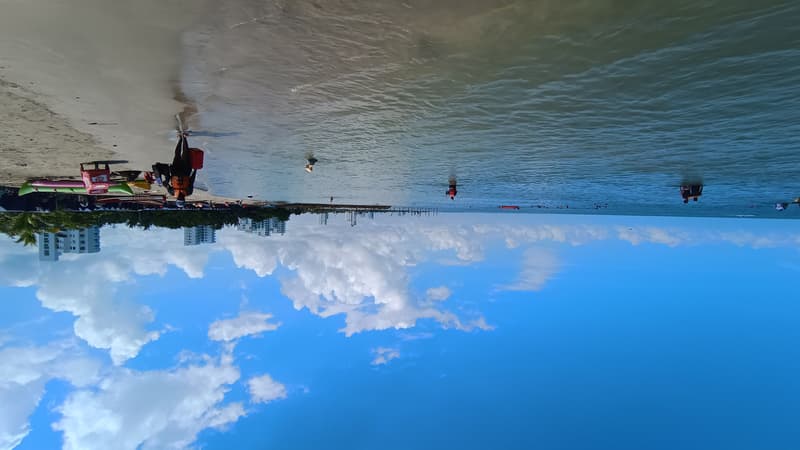
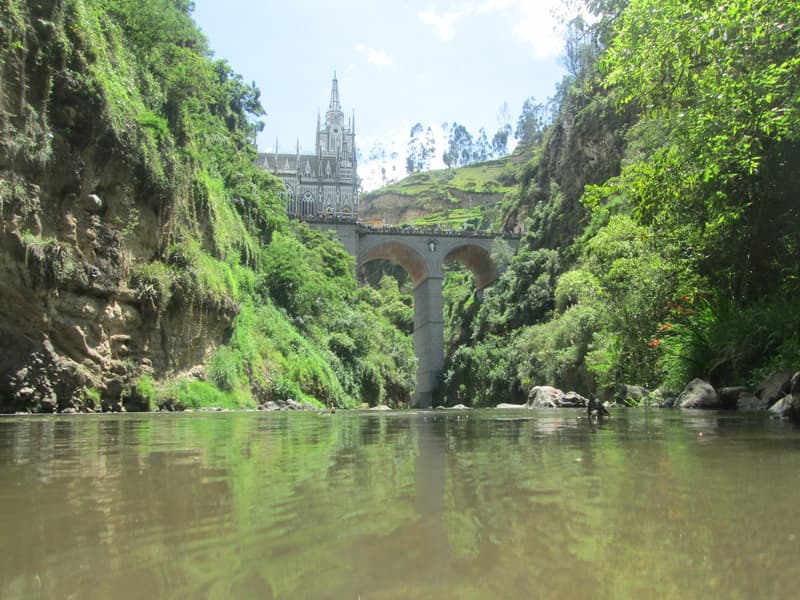
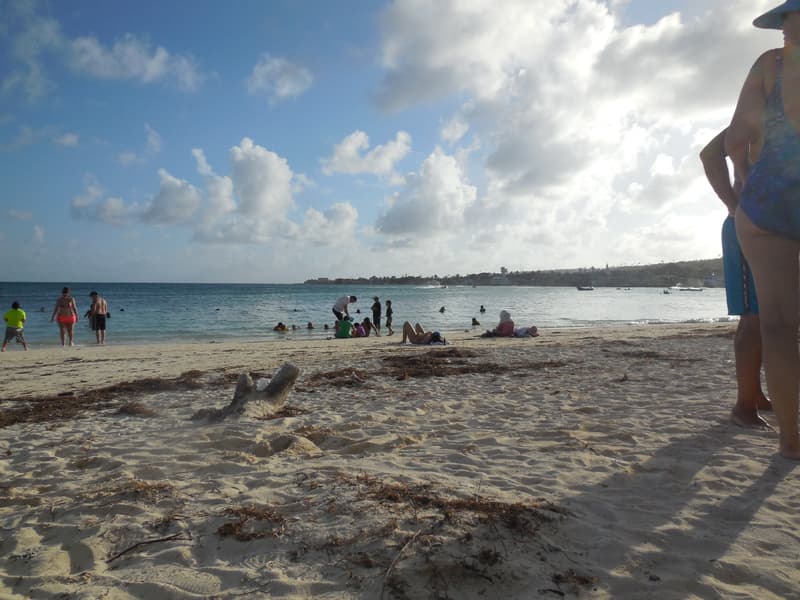
Colombia is a country of staggering natural beauty, deep colonial history, and warm, layered culture. For the milestone traveler, the Magdalena River offers a rare, unhurried waterway through the nation’s historic heart—from the walled Caribbean city of Cartagena to the timeless streets of Mompox. Boutique river cruising here is still intimate and un-crowded, making it an ideal choice for travelers who want authentic encounters without feeling herded.
Country facts
History
Colombia’s history is a complex weave of indigenous civilizations, Spanish conquest, independence, internal conflict, and remarkable contemporary resilience. The Magdalena River has always been its liquid spine, carrying people, gold, ideas, and culture from the Andes to the Caribbean.
Colombia’s past includes deep political violence, inequality, and drug-related conflict. The 2016 peace accord was real progress, but not a cure-all. Travelers should stay informed, respect local communities, and avoid romanticizing the country’s challenges.
Culture
Regional pride is intense: costeño warmth on the Caribbean coast, paisa enterprise in Medellín, and cachaco formality in Bogotá. Music, food, and family are central. Gabriel García Márquez’s magical realism draws directly from the landscapes and river towns of Colombia.
Music: Cumbia, vallenato, salsa, champeta, and porro are the essential sounds; Valledupar and Cali are major musical centers, and Barranquilla’s carnival is UNESCO-listed.
Signature landscape: The Magdalena River—Colombia’s liquid spine—flows about 1,528 km from the Andes to the Caribbean and gives the country its defining waterway.
Cuisine
- Arepas
- Bandeja paisa
- Ajiaco
- Sancocho
- Empanadas
- Ceviche caribeño
- Fresh tropical fruits: lulo, maracuyá, guanábana, zapote
- Colombian coffee
Architecture & heritage
- Walled City of Cartagena and its fortifications (UNESCO)
- Historic Centre of Santa Cruz de Mompox (UNESCO)
- Qhapaq Ñan Andean road system (shared UNESCO listing)
- Salt Cathedral of Zipaquirá
- Colonial churches and plazas of Barranquilla, Calamar, and Santa Marta
Tips for American travellers
- Learn a few Spanish phrases; even basic greetings open doors.
- Carry small bills; many small vendors cannot break large notes.
- Drink bottled or filtered water; avoid tap water.
- Use licensed taxis or app-based rideshares.
- Do not wear flashy jewelry or visibly count money.
- Confirm your guide’s credentials before any private excursion.
Major cities & destinations
Bogotá Capital city / highland gateway
Colombia’s high-altitude capital balances world-class museums, colonial La Candelaria, and a vibrant contemporary food scene.
Primary international gateway; most river cruise packages include a pre-cruise extension here before flying to Cartagena.
La Candelaria Museo del Oro Museo Botero Plaza de Bolívar Cerro de MonserrateMedellín City / innovation hub
Once infamous, now a model of urban reinvention; Medellín offers street art, cable cars, and eternal-spring weather.
Land extension only; not a river port but easy by air from Bogotá and Cartagena.
Comuna 13 Botero Plaza Museo de Antioquia Parque Arví Pueblito PaisaCartagena Caribbean port city / UNESCO World Heritage
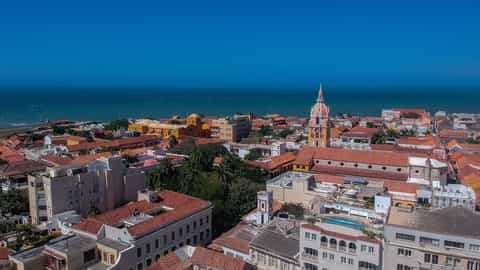
Colombia’s crown jewel—a walled city with balconies, plazas, and fortresses on the Caribbean.
Primary embarkation/disembarkation port for Magdalena river cruises; also a major Caribbean cruise call.
Walled City Castillo San Felipe de Barajas Getsemaní Palace of the Inquisition BocagrandeSanta Marta Coastal city / gateway to Tayrona
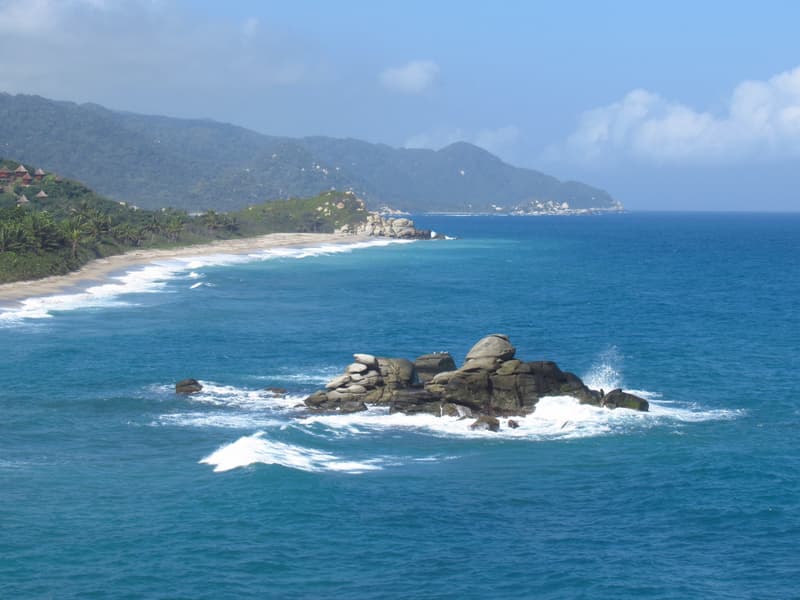
Colombia’s oldest surviving city; beaches, Sierra Nevada backdrop, and Tayrona National Park.
Important Caribbean cruise port and pre/post option; not typically on Magdalena river routes.
Quinta de San Pedro Alejandrino Catedral Basílica de Santa Marta Tayrona National Park Minca coffee townBarranquilla River port / carnival city
The energetic gateway to the Magdalena delta and Colombia’s carnival capital.
River port near the river mouth; access to Bocas de Ceniza and carnival culture.
Bocas de Ceniza Museo del Carnaval Gran Maleconcito Museo RománticoCalamar River town on the Magdalena
A quiet river stop with wetlands, birdlife, and slow-river rhythm.
Docking point for nature excursions and village walks; ships often overnight here.
Malecón de Calamar Ciénaga de Pijiño wetlands Iglesia de San JoséMompox (Santa Cruz de Mompox) Colonial riverside town / UNESCO World Heritage
One of the Americas’ most perfectly preserved river towns; timeless plazas and filigree silver.
Signature Magdalena River port and highlight of any Colombian river cruise.
Plaza de la Concepción Iglesia de Santa Bárbara Museo de Arte Religioso Calle de la Albarrada Casa de los PortalesCruise ports of call
River cruises on the Magdalena are intimate and slow. Ships sail from the Caribbean coast into the river’s delta, calling at working river towns and colonial gems. The focus is history, wildlife, and daily life along Colombia’s main waterway.
- Magdalena River Classic — Cartagena to Barranquilla via Calamar and Mompox.
- Caribbean Coast & Sierra Nevada extensions — Santa Marta, Tayrona, and Rosario Islands offered as pre/post or combined coastal packages.
Cartagena one
A UNESCO walled city on the Caribbean. River cruise ships join and leave the Magdalena itinerary from Cartagena, allowing time to explore the fortresses, plazas, and Getsemaní before sailing.
Best for: Historic colonial architecture, fortresses, nightlife, and gateway to Rosario Islands
Operators: AmaWaterways
Barranquilla one
Colombia’s fourth-largest city sits near the Magdalena’s mouth. Cruises visit Bocas de Ceniza, where the river meets the sea, and explore the city’s carnival heritage.
Best for: Carnival culture, river-mouth scenery, and urban energy
Operators: AmaWaterways
Calamar one
A small Magdalena port with a promenade and access to the Ciénaga de Pijiño wetlands.
Best for: Birdwatching, village life, quiet sunsets
Operators: AmaWaterways
Mompox one
An island-like town in the Magdalena River, famed for its preserved colonial center and gold filigree.
Best for: Colonial architecture, artisan silver, river views
Operators: AmaWaterways
Santa Marta is an important Caribbean cruise port and a natural extension, but most Magdalena river itineraries do not dock there. Check combination packages if you want both river and coastal exploration.
All cruise ports in Colombia
Ships visiting by type: 56 ocean 2 river 2 expedition
Showing 6 ports in Colombia


River cruises & routes
River cruising in Colombia is still wonderfully uncrowded. The Magdalena River, once the country’s main highway, is being rediscovered by boutique ships. Expect unhurried cruising, wildlife, and deep cultural access rather than nonstop entertainment.
| Route | Length | Countries | Highlights |
|---|---|---|---|
| Magdalena River & Caribbean Coast | 8 days / 7 nights | Colombia | Cartagena, Calamar, Mompox, Barranquilla; UNESCO colonial architecture, wetlands birding, river sunset navigation. |
| Bogotá & Magdalena River Explorer | 11 days / 10 nights | Colombia | Bogotá museums, Cartagena walled city, Mompox silver, Barranquilla carnival culture. |
Season: December through March (dry season); October–November and April are shoulder. River levels and rain can alter navigation, so expect flexibility.
Cruise lines visiting Colombia
Most river cruising on the Magdalena is operated by AmaWaterways, whose AmaMagdalena is the flagship of this route. Ocean cruise lines also call at Cartagena and Santa Marta.
AmaWaterways
Magdalena River & Caribbean Coast; Cartagena–Calamar–Mompox–Barranquilla, with Bogotá pre/post extensions.
Ships: AmaMagdalena
As of 2026, AmaWaterways is the leading international operator on the Magdalena. Because this is a small, evolving market, always verify current sailings and itineraries; ocean cruise lines regularly call at Cartagena and Santa Marta.
Planning & advice
This is for milestone travelers who prefer authentic encounters over packaged tours: a slow river path through Colombia’s colonial heart, where you can wander without crowds, learn from local artisans, and enjoy the country’s layered history without being herded.
For the American traveller
- Check the U.S. State Department travel advisory for Colombia; exercise increased caution in urban areas and avoid border regions.
- Use licensed taxis or app-based rideshares rather than hailing on the street.
- Carry a photocopy of your passport and keep the original in the ship safe.
- Drink bottled or filtered water; avoid ice from unknown sources.
- Book excursions through the cruise line or vetted local operators.
- Be alert but not paranoid; Colombians are famously hospitable.
Excursion planning
- Choose small-group tours (max 10–12) to avoid the herded feel.
- Plan for heat and humidity in Cartagena and river towns; do major sightseeing early morning.
- Book UNESCO-certified guides for Cartagena and Mompox.
- Ask about river levels and possible itinerary swaps.
- Combine river cruising with 2–3 nights in Bogotá and/or Medellín.
The verdict
Colombia offers the rare combination of Caribbean warmth, river-town history, and Andean drama. For the right traveler, a Magdalena river cruise is a milestone journey—provided they choose a small ship and embrace the adventure.
Sources
- Colombia Travel — Official tourism portal of Colombia (accessed 2026-09-09)
- UNESCO World Heritage Centre — Port, Fortresses and Group of Monuments, Cartagena (accessed 2026-09-09)
- UNESCO World Heritage Centre — Historic Centre of Santa Cruz de Mompox (accessed 2026-09-09)
- CIA World Factbook — Colombia (accessed 2026-09-09)
- U.S. Department of State — Colombia International Travel Information (accessed 2026-09-09)
- AmaWaterways — Colombia River Cruises (accessed 2026-09-09)