Golfito Cruise Port
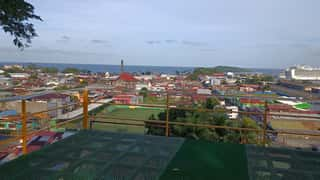
The cruise terminal facilities in Golfito are scattered, but most passengers arrive via tender at the Municipal Pier, positioned exactly 1.5 km (0.9 miles) from the historical American Zone. This port, located in the Brunca Region of southern Costa Rica, is not a polished tourist hub; it is a working town that rewards those who leave the pier behind for the water. You are visiting one of the world's only tropical fjords, the Golfo Dulce, where the rainforest meets a deep inner sea. Realistically, you cannot explore the deep interior of Corcovado National Park and make an afternoon departure; it is a 1-hour boat ride each way, often in rougher Pacific swells outside the bay. However, you are only 45 minutes from the world-class surf of Pavones and roughly 30 km (18 miles) from the pristine Piedras Blancas National Park. As an ocean cruise port primarily serving small-ship itineraries, Golfito punishes the unprepared with oppressive 90% humidity and confusing local transit. Keep in mind that the most common mistake is staying in the immediate town area, which consists mostly of industrial shops. This destination rewards the water-bound traveler. If you don't book a boat, you haven't seen Golfito. It is a place of raw beauty that demands an active spirit.
Muelle Municipal de Golfito


Golfito, Costa Rica Port
UN/LOCODE CRGLF Port of call Homeport
Golfito Cruise Port Location
| Port Details | |
|---|---|
| Country | Costa Rica |
| UN/LOCODE | CRGLF |
| Contact | |
| Address | Waterfront Road, Golfito, Puntarenas, Costa Rica |
| Port phone | +506 2775 0411 |
| Website | www.incop.go.cr |
| Geography | |
| Coordinates | 8.65260, -83.17332 |
| Accessibility | |
| Accessible | Limited |
The cruise terminal facilities in Golfito are scattered, but most passengers arrive via tender at the Municipal Pier, positioned exactly 1.5 km (0.9 miles) from the historical American Zone. This port, located in the Brunca Region of southern Costa Rica, is not a polished tourist hub; it is a working town that rewards those who leave the pier behind for the water. You are visiting one of the world's only tropical fjords, the Golfo Dulce, where the rainforest meets a deep inner sea. Realistically, you cannot explore the deep interior of Corcovado National Park and make an afternoon departure; it is a 1-hour boat ride each way, often in rougher Pacific swells outside the bay. However, you are only 45 minutes from the world-class surf of Pavones and roughly 30 km (18 miles) from the pristine Piedras Blancas National Park. As an ocean cruise port primarily serving small-ship itineraries, Golfito punishes the unprepared with oppressive 90% humidity and confusing local transit. Keep in mind that the most common mistake is staying in the immediate town area, which consists mostly of industrial shops. This destination rewards the water-bound traveler. If you don't book a boat, you haven't seen Golfito. It is a place of raw beauty that demands an active spirit.
Golfito — Port Overview
History
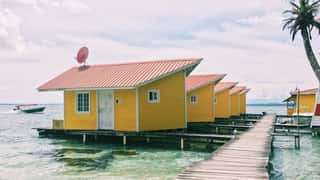
Golfito was a ghost of a village until the 1930s when the United Fruit Company (UFC) moved its regional headquarters here to escape banana blight in the Caribbean. Between 1938 and 1985, the UFC transformed the landscape, building a segregated 'company town' that is still visible today. The 'American Zone' featured stilt-houses designed for tropical airflow, a hospital, and a golf course, while the 'Pueblo Civil' housed the local workers. This era of prosperity ended abruptly in 1984 when a massive labor strike combined with falling banana prices forced the UFC to shutter its operations in 1985. The town plummeted into economic depression overnight. To combat this, the Costa Rican government established the Deposito Libre Comercial de Golfito in 1990—a duty-free shopping zone intended to draw domestic tourists. Today, you will see the remnants of this industrial past in the rusted machinery at the pier and the distinct wooden architecture of the northern neighborhood. History here isn't in a museum; it is in the decaying grand porches of the former administrators' homes and the massive concrete piers that once loaded millions of tons of fruit onto 'Great White Fleet' steamers. It is worth noting that standing at the water's edge, you can still feel the scale of the empire that once dictated life in the Golfo Dulce.
The Verdict
The travelers who get the most from Golfito are those who arrive with a plan and the flexibility to adapt to the tropical rhythm. This guide has been fact-checked by J. Richard and the Waterways Cruise editorial team. A fully customized day ashore matched to your mobility and interests—including guaranteed return-to-ship excursions—can be arranged through a local tour operator. No two travelers want the same experience in the Costa Rican rainforest.
Things to Do & See in Golfito
| Attraction | Type | Address | Phone | Hours | Website | Admission |
|---|---|---|---|---|---|---|
| Golfito Marina Village | Landmark | Southern end of Golfito, Puntarenas | +506 2775 0000 | Daily 8:00 AM - 10:00 PM | golfito-marina.com | Free |
| Casa Orquideas Botanical Garden | Natural Feature | Playa San Jose, Golfo Dulce | Guided tours usually at 8:30 AM or 9:00 AM | Not available | USD 10,000 CRC | |
| Piedras Blancas National Park | Natural Feature | North of Golfito, Puntarenas | +506 2775 1210 | Daily 8:00 AM - 4:00 PM | sinac.go.cr | USD 7,500 CRC |
Golfito Marina Village · Landmark
FreeThe Marina Village represents the transition of Golfito from a banana port to a luxury yachting hub. You will notice that this is the most 'comfortable' place for cruise passengers to spend their final hour before re-boarding. The facility is world-class, with high-end boutiques and the best-maintained infrastructure in the region. While it lacks the grit and history of the American Zone, it provides a safe, clean environment for those who want to experience the bay without getting their feet wet. You can watch multi-million dollar yachts navigate the calm waters of the Golfo Dulce while enjoying a craft beer or a high-quality meal. It is a sanitized version of Costa Rica, but in a port this humid and rugged, that can be a welcome relief. Visitors should visit for the view alone; the way the jungle-covered hills reflect in the still water of the marina is stunning. It serves as a perfect bookend to a day of more rugged exploration.
Southern end of Golfito, Puntarenas ·+506 2775 0000 ·Daily 8:00 AM - 10:00 PM ·www.golfito-marina.com
Casa Orquideas Botanical Garden · Natural Feature
USD 10,000 CRCCasa Orquideas is a legendary private botanical garden tucked into a remote bay. Visitor feedback is consistent that unanimous: it is the highlight of the region. The owners have spent decades cultivating an incredible array of tropical plants. Because it is only accessible by water, it remains peaceful. You will walk through corridors of vibrant flowers, with toucans and macaws often flying overhead. The sheer density of the flora is breathtaking. You aren't just looking at plants; you are standing in a carefully manicured piece of the rainforest. The diversity of the heliconias and palms is staggering. It’s an educational experience as much as a visual one, as the guides explain the medicinal uses of many of the species. This experience actually delivers the 'jungle paradise' most travelers imagine when they book a Costa Rican cruise. Skip the town and prioritize this—it is the true heart of the Golfo Dulce experience.
Playa San Jose, Golfo Dulce ·Guided tours usually at 8:30 AM or 9:00 AM ·Not available
Piedras Blancas National Park · Natural Feature
USD 7,500 CRCThis is one of Costa Rica's most remote and rugged national parks. It is part of the Osa Conservation Area and protects a critical biological corridor. Unlike the more famous Manuel Antonio, you won't see crowds here. You will see primary rainforest that cascades down to the edge of the Golfo Dulce. The biodiversity is off the charts, but the wildlife can be hard to spot in the dense canopy—a good guide is essential. You are here for the atmosphere: the sound of howler monkeys, the smell of damp earth, and the feeling of total isolation. The park is a sanctuary for jaguars and ocelots, though sightings are rare. For the cruise passenger, a visit here is a dive into the 'wild' Costa Rica. It is punishing, hot, and often wet, but it is an authentic encounter with a primary ecosystem. This only for those in good physical condition who have proper hiking footwear is recommended. This stop gives you a sense of awe that paved tourist trails cannot match.
North of Golfito, Puntarenas ·+506 2775 1210 ·Daily 8:00 AM - 4:00 PM ·www.sinac.go.cr
Eating & Drinking in Golfito
The culinary identity of Golfito is defined by the [Golfo Dulce](https://waterwayscruise.com/ports/costa-rica/golfito/) and the rugged Brunca interior. Expect fish to be the star, particularly Corvina (sea bass) and Pargo (red snapper), usually caught within miles of your ship. Unlike the tourist-heavy Guanacaste region, the food here remains focused on the 'Casado,' a traditional worker's lunch that reflects the town's UFC labor history. You must try the local 'Chiliguaro,' a spicy shot made from tomato juice, lime, and Guaro (cane spirit)—it’s the unofficial drink of the southern coast. Street food is rare, but you’ll find vendors selling 'Pipa Fria' (cold coconut water) along the pier; it is the most effective way to combat the local heat. Locals don't eat 'fusion' here; they eat hearty, starch-heavy meals that sustain them through physical labor. Avoid the 'American' burgers found in some hotel bars; they are rarely better than what you’ll find on the ship. Instead, seek out a waterfront soda for fresh ceviche—it is the one dish that truly reflects the freshness of the bay.
| Place | Address | Phone | Hours | Website | Price range |
|---|---|---|---|---|---|
| Soda La Cubana | Waterfront Road, near the Municipal Pier | +506 2775 0418 | 7:00 AM - 6:00 PM | 5,000 CRC (~$10.00 USD) | |
| Banana Bay Marina Restaurant | Banana Bay, Golfito | +506 2775 0838 | 7:00 AM - 9:00 PM | bananabaymarina.com | 12,000 CRC (~$24.00 USD) |
| The Roof at Marina Village | Marina Village, Golfito | 4:00 PM - 10:00 PM | 4,500 CRC (~$9.00 USD) |
Soda La Cubana
5,000 CRC (~$10.00 USD)An authentic, open-air Costa Rican 'soda.' You come here for the Casado—a massive plate of rice, beans, plantains, salad, and your choice of protein. It is the fuel of Costa Rica. The breeze from the bay keeps it cool, and the service is fast. It is gritty, honest, and the best value in town. One caveat: it’s cash only.
Waterfront Road, near the Municipal Pier ·+506 2775 0418 ·7:00 AM - 6:00 PM
Banana Bay Marina Restaurant
12,000 CRC (~$24.00 USD)This is the classic Golfito hangout. Built on a pier over the water, it has a 'salty dog' atmosphere that perfectly captures the town’s maritime history. The ceviche is prepared in the classic Costa Rican style with ginger ale and cilantro—it’s refreshing and sharp. It’s the best place to sit and watch the pangas zip across the Golfo Dulce. Honest limitation: service can be 'island time' slow.
Banana Bay, Golfito ·+506 2775 0838 ·7:00 AM - 9:00 PM
The Roof at Marina Village
4,500 CRC (~$9.00 USD)The only spot in Golfito for a proper cocktail with an elevated view. As the sun sets behind the hills across the Golfo Dulce, the sky turns a brilliant purple. They use Cacique Guaro, the national spirit, in a way that’s actually drinkable for foreigners. Locals come here to celebrate special occasions.
Marina Village, Golfito ·4:00 PM - 10:00 PM
Getting There & Around
The geography of Golfito is unusual: it is essentially one long street stretched between the jungle and the sea. Walking the entire length is not recommended due to the heat and lack of sidewalks. Taxis are plentiful; always look for the official red cars with a yellow triangle on the door. They rarely use meters for short hops, so negotiate the fare before getting in—expect to pay no more than $5 USD to go anywhere in town. Uber does not operate here. For a truly local experience, use the 'pangas' (water taxis). You can hail one from any of the small docks. A trip across the bay to Playa Cacao or a nearby lodge typically costs 3,000–5,000 CRC (~$6.00–$10.00 USD). Bicycles are available for rent near the Marina, but the narrow main road with heavy truck traffic makes cycling stressful for many. Consider that if you are exploring the American Zone, take a taxi there and walk back toward the pier to save your energy for the heat.
Itineraries & Sample Walks
4-Hour Shore Excursion in Golfito
Golfo Dulce Dolphin Safari
8:30 AM (120 min)
A private boat takes you into the heart of the bay. You’ll likely see Spinner and Bottlenose dolphins who live here year-round. The water is often like glass, reflecting the jungle. Watch for the 'Blue Hole' area where the depth drops significantly.
- Short walk from the ship tender to the boat dock. (Included in tour cost)
- Entry: 35,000 CRC ($70.00)
- Sit at the front of the boat and look for the ripples of the 'tide rips'—dolphins love to hunt along these temperature lines.
Historical American Zone Walk
10:45 AM (60 min)
Walk past the old UFC stilt-houses. It feels like a movie set for a 1940s drama. Many of these homes are still in use, maintained by families of former workers. The architecture is specifically designed for cross-ventilation without electricity.
- 5-minute taxi from the pier. (2,500 CRC (~$5.00 USD))
- Entry: Free (Free)
- Visit the old UFC commissary building; it’s now repurposed but still serves as a community landmark.
Lunch Recommendation
La Pescaderia (Marina Village)
While most tourists go to the sodas in town, this offers air-conditioned comfort and fish caught that morning by the marina's fleet.
Order: Fresh Tuna Carpaccio, Whole Fried Red Snapper
Golfito Marina Village, Golfito
Cost: 15,000 CRC (~$30.00 USD)
8-Hour Full Day Experience in Golfito
Casa Orquideas Botanical Garden
8:00 AM (150 min)
This private garden is only accessible by water. You’ll see hundreds of species of orchids, bromeliads, and heliconias. It is a haven for toucans and macaws. The walk is easy but can be humid.
- 30-minute private boat ride from Golfito. ($25.00 USD (per person for panga))
- Entry: 10,000 CRC ($20.00)
- Ask the guide to show you the 'vanilla orchid'—you can smell the raw beans.
Playa Cacao Relaxation
11:30 AM (90 min)
The nearest 'swimming' beach. It’s rustic and local. Not a white-sand Caribbean beach, but the water is warm and the jungle backdrop is stunning.
- 15-minute boat ride. ($10.00 USD)
- Entry: Free (Free)
- Keep an eye on the almond trees for Scarlet Macaws.
Getting back to the ship
To guarantee your return before the all-aboard, you should be back in the port area at least 45 minutes prior to departure. If you are across the bay at Playa Cacao or Casa Orquideas, leave no later than 90 minutes before all-aboard to account for potential boat engine trouble or sudden heavy rain. A panga return from Playa Cacao takes 15 minutes and costs 5,000 CRC (~$10.00 USD). If you miss the ship, your only option is a 7-hour drive or a 1-hour domestic flight to San Jose to catch up at the next port. The port contact number is +506 2775 0411. Passengers who arrange a return guarantee through their cruise line or a licensed local operator will be assured of a return; if the tour boat is delayed, the ship will be held or transit will be arranged to the next port at no cost.
Weather & Best Time to Visit Golfito
Weather & What to Pack
Cruise season: December to April
26°C–33°C (79°F–91°F). Extremely high humidity (80%+). Minimal rain in Feb/March.
What to wear: Wear ultra-light, moisture-wicking fabrics. Avoid heavy cotton which will not dry. A wide-brimmed hat is non-negotiable for the water. Bring sturdy sandals with straps (like Tevas or Chacos) for boat transfers, as your feet will likely get wet during beach landings. Don't forget a lightweight waterproof shell even in the dry season.
Weather risks: Heavy afternoon squalls can occasionally suspend tender service for 30–60 minutes.
December is the transition month—expect lush greenery but frequent lingering rain showers.
| Season | Conditions | Hazards | Affected areas | Visitor advice |
|---|---|---|---|---|
| Dry Season (January–April) | Hot, humid, and mostly sunny. Highs reach 33°C (91°F). | Intense UV exposure and dehydration on the water. The unshaded asphalt in the Deposito Libre becomes a heat trap. | Main waterfront road and the duty-free shopping district. | Wear a wide-brimmed hat and polarized sunglasses for the glare on the Golfo Dulce. Start all hiking before 9:00 AM. |
| Green Season (May–November) | Daily heavy afternoon rains, often starting around 2:00 PM. | Secondary jungle trails in Piedras Blancas become extremely muddy and slippery. Thunderstorms can delay tender operations. | National Park trails and boat transfer routes. | Carry a professional-grade dry bag for electronics. Schedule all water-based excursions for the morning window. |
Practical Information
Cultural etiquette
In Golfito, the greeting is 'Pura Vida'—it is more than a slogan; it is a greeting, a farewell, and an expression of patience. Use it often. When greeting locals, a firm handshake and a smile are standard. Dining is relaxed; the 'Casado' is often eaten with a fork and spoon. If you are finished, place your cutlery together on the plate; the server will not rush you. Tipping is not expected as a 10% service charge is legally included in every restaurant bill, but adding an extra 5–10% for exceptional service at a small soda is a deeply appreciated gesture. Photography of the old UFC houses is fine, but always ask '¿Puedo?' before photographing a person. A major cultural mistake cruise passengers make is losing their temper over 'island time.' Things move slowly here due to the heat. Raising your voice or showing visible frustration will only result in slower service and genuine offense. In the Golfo Dulce, patience is the currency of respect.
Mistakes to Avoid
| Mistake |
|---|
Spending the first hour at the Deposito Libre duty-free zone. |
Not bringing a dry bag for boat transfers. |
Assuming you can walk to the best attractions. |
Ordering 'American' food at local sodas. |
Practical tips
Cards are accepted at the Marina Village and larger hotels, but you must have cash (Colones or USD) for taxis, pangas, and local sodas. Tipping 1,000 CRC (~$2.00 USD) for a taxi is a generous local norm. Five words for goodwill: 'Gracias' (Thank you), 'Pura Vida' (Hello/Goodbye), 'Con Gusto' (You're welcome), '¿Cuanto cuesta?' (How much?), and 'Tuanis' (Cool). The main scam here involves 'unauthorized guides' at the pier offering dolphin tours in unsafe, uncovered boats—only use boats with a visible ICT license. Dress code: Very casual, but you must have a shirt and shoes to enter any business; swimwear is for the boat or beach only. Best time to visit the American Zone is 8:30 AM before the heat index peaks. Carry a copy of your passport; local police occasionally do routine checks on the main road.
Cruise Lines Visiting Golfito
Port of Call






Why Book With Waterways Cruise?
Four decades of expertise, one dedicated advisor, and every detail handled, from your front door to the gangway and back.
Personal Service — Your Own Cruise Concierge
Tailor-Made — 100% Custom-Built
Expertise — 40+ Years in Travel
Price Watch — Book With Total Confidence
Signature Sailings
All Cruise Lines at Golfito (A–Z)
Nearby Ports




FAQ — Golfito
Is the water in Golfito safe to drink?
Yes, tap water in Golfito is generally safe to drink, as it is in most of Costa Rica. However, the high mineral content can sometimes cause mild stomach upset for travelers used to highly filtered water. It is a good idea to use the chilled water stations at the Marina Village or purchase bottled water for long excursions into the national parks where you will need at least 2 liters of hydration. It is worth bringing a reusable insulated bottle to keep your water cool in the 33°C (91°F) heat.
Are there mosquitos at the Golfito cruise port?
Yes, and because Golfito is surrounded by primary rainforest, they are present year-round. While the breeze at the pier keeps them at bay, you will encounter them immediately upon entering the American Zone or any forested trail. DEET-based repellents are the only effective defense in this location. Apply it to your ankles and wrists before leaving the ship. Malaria is not a significant concern, but Dengue is present in the region, so preventing bites is essential for your comfort and safety.
Can I use US Dollars in Golfito?
Yes, US Dollars are widely accepted in Golfito, especially by taxi drivers and boat operators. However, you will receive your change in Costa Rican Colones, often at a poor exchange rate. Using local currency saves approximately 10–15% on small purchases like coffee and snacks. For a 4-hour port call, $40 in small USD bills is sufficient, but for an 8-hour day, it is a good idea to withdraw 25,000 Colones (~$50 USD) from the Banco Nacional ATM near the pier.
What is the 'Blue Hole' in Golfo Dulce?
The Blue Hole is a specific area in the Golfo Dulce where the seafloor drops to depths of over 200 meters (650 feet). This unique geography creates a calm, deep-water environment that is rare for a tropical bay. It is a primary reason why you will see so many dolphins and whales; the deep water provides a safe nursery for their young. Most dolphin-watching tours from Golfito will pass through this area, which is roughly 20 minutes from the pier by boat.
Are there crocodiles in the water at the port?
While rare at the main Municipal Pier, American Crocodiles do inhabit the mangroves and estuaries surrounding Golfito. You should never swim at the pier or near river mouths. Stick to designated swimming areas like Playa Cacao or the beaches across the bay. Keep in mind that sightings are most common near the Coto River, which is a 30-minute boat ride from the port. Always follow the 'No Nadar' (No Swimming) signs posted near local docks.
How do I catch a water taxi (panga)?
Pangas are the lifelines of Golfito. To catch one, simply walk to any small wooden dock along the waterfront and wave at an approaching boat. Most captains are looking for passengers. Confirm the price before you board; a trip across the bay to Playa Cacao should be roughly 5,000 CRC (~$10.00 USD). Ensure the boat has life jackets (chalecos) on board—this is a legal requirement in Costa Rica. For a guaranteed panga with an English-speaking captain, book.
Is Golfito safe for solo walkers?
Golfito is generally safe during daylight hours, but the town has a 'rough around the edges' feel. Stick to the main waterfront road and the American Zone. Avoid walking in the industrial areas behind the Deposito Libre alone. Petty theft like bag-snatching can occur, so keep your belongings secure and do not wear flashy jewelry. It is worth noting that the biggest danger to solo walkers isn't crime, but the heat and the uneven sidewalks which can lead to falls.
Can I see monkeys near the pier?
It is unlikely you will see them at the industrial pier itself, but you will almost certainly see and hear Howler Monkeys if you walk 15 minutes into the American Zone. Look for the large mango and almond trees. White-faced Capuchin monkeys are also common in the trees surrounding the Marina Village. If you take a boat to Piedras Blancas, you have a high chance of seeing all four Costa Rican monkey species in a single afternoon.
Do I need a visa to disembark in Golfito?
For US, Canadian, and UK citizens, no separate visa is required for cruise ship passengers disembarking for the day. Your ship will handle the manifest and immigration clearance. However, you must carry a clear photocopy of your passport photo page and your entry stamp (if provided) while ashore. Local authorities occasionally conduct spot checks at the Deposito Libre entrance. Always check your specific cruise line's documentation requirements before departure.
What should I do if it rains during my port call?
Rain is a way of life in the 'Green Coast.' If it rains, don't cancel your plans. Most boat tours have canopies, and the rainforest is often more active during a light drizzle. However, if there is lightning, boat operations will temporarily pause. The best place to wait out a storm is a waterfront soda or the covered bar at the Marina Village; lightweight ponchos are provided for guests to ensure the rain doesn't ruin the experience.
Fact-checked and co-written by J. Richard, Founder, Waterways Cruise, with the Waterways Cruise Content Team.
Published May 19, 2026 · Last updated November 2, 2026
This guide is researched and reviewed by our editorial team, but prices, hours, and availability change often. Confirm current details directly with venues, excursion operators, and your cruise line before you travel.