Dominica Cruise Ports & Cruise Guide
Total 3
This page is an overview of the 3 cruise ports in Dominica, covering ocean cruises. Cruises start and end at Roseau, Portsmouth. 52 cruise ships visit Dominica across 3 ports. See live sailings and availability on the Dominica cruises page.
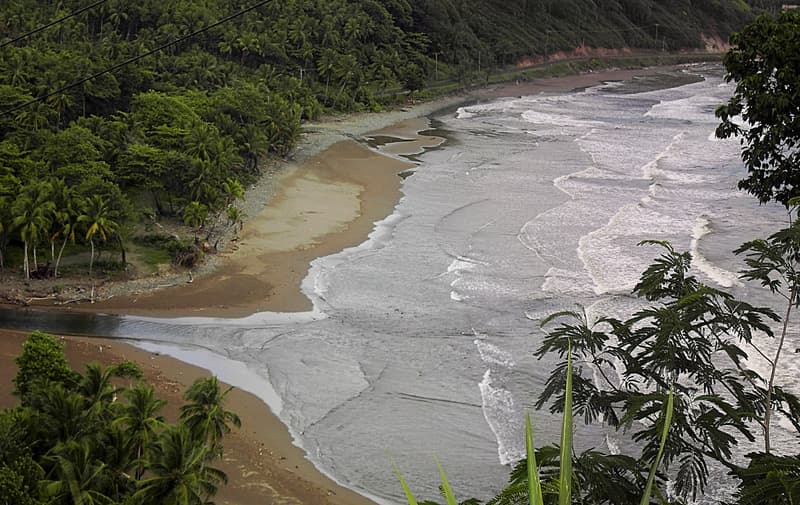


Dominica, the 'Nature Isle of the Caribbean', offers unspoiled volcanic landscapes, rainforests, and the world's second-largest hot spring (Boiling Lake). For the mature American traveler seeking authentic, non-commercial experiences, Dominica delivers pristine natural wonders, warm hospitality, and a slower pace—though it lacks the manicured resorts and extensive infrastructure of other islands. Cruise visitors dock at Roseau and can explore waterfalls, river gorges, and Kalinago culture. The island's rugged terrain demands a sense of adventure and comfortable walking shoes, but rewards with unforgettable encounters and a sense of discovery far from typical tourist crowds.
Country facts
History
Dominica's history is marked by a resilient indigenous population, European colonial rivalry, and eventual independence. The island's rugged terrain made it a last stronghold of the Kalinago (Carib) people, who resisted European settlement for centuries. French and British powers vied for control, with Britain finally gaining full possession in 1763. After a period of plantation agriculture and slavery, Dominica became an independent republic in 1978, but its history includes episodes of political instability and devastating hurricanes. Today, it is celebrated for its natural heritage and a growing eco-tourism sector.
Dominica's history is not widely known, but its colonial legacy is evident in place names, architecture, and the blend of cultures. The island's development has been slow, and it remains one of the less-visited Caribbean islands, which is precisely its charm.
Culture
Dominicans proudly call their island the 'Nature Isle' due to its lush, unspoiled environment. The culture blends African, European, and indigenous Kalinago traditions, with a strong emphasis on community and respect for the land.
Music: Bouyon music originated in Dominica; also calypso, reggae, and traditional quadrille. The World Creole Music Festival is held annually in Roseau.
Signature landscape: Boiling Lake, a flooded fumarole in Morne Trois Pitons National Park, is the world's second-largest hot spring and a UNESCO World Heritage site.
Cuisine
- Callaloo soup (national dish, made with dasheen leaves and okra)
- Crab backs (stuffed land crabs)
- Bakes (fried dough)
- Mountain chicken (now rare, often replaced by local chicken)
- Fresh fish, especially tuna and mahi-mahi
- Local fruits: mango, papaya, passion fruit, guava
- Bush rum (local rum punch)
Architecture & heritage
- Creole-style wooden houses with colorful paint and gingerbread trim
- Fort Shirley (18th-century British fort on the Cabrits Peninsula near Portsmouth)
- Old Roseau Town with its market, cathedral, and colonial buildings
- Kalinago Territory (Carib Reserve) with craft workshops and cultural demonstrations
Tips for American travellers
- Pack sturdy walking shoes for rugged trails and possibly water shoes for river crossings.
- Hire a certified local guide for hikes to Boiling Lake or the Waitukubuli Trail—they know the terrain and provide insight.
- Expect a slower pace; the island is not about luxury, but about authentic experiences.
- Respect nature: stay on marked paths, do not disturb wildlife, and carry out all trash.
- Use DEET-based insect repellent for mosquitoes, especially during wet seasons.
- Cash is king; many small shops and tour operators do not accept credit cards.
Major cities & destinations
Roseau Capital City
The island's capital is a vibrant hub with colorful Creole architecture, the bustling market, and a rich history. It serves as the gateway to most natural attractions.
All cruise ships dock at Roseau's cruise pier, located just a short walk from the city center. Passengers can easily explore on foot or join tours departing from the pier.
Roseau Botanic Gardens (tropical flora and parrots) Dominica Museum (history and culture) Roseau Cathedral (Our Lady of Fair Haven) – Roman Catholic church with stained glass Old Market Square (historic marketplace, now a craft market) Fort Young Hotel (historical fort turned hotel, scenic views)Portsmouth Town
Second-largest town, known for its natural harbor, the historical Cabrits National Park, and a more laid-back vibe compared to Roseau.
Occasionally, cruise ships anchor off Portsmouth and tender passengers ashore. The port is used for certain itineraries, especially those focusing on northern attractions.
Cabrits National Park & Fort Shirley (restored military garrison, panoramic views) Indian River (mangrove-lined river, boat tours, and film location for 'Pirates of the Caribbean') Douglas-Charles Airport (if arriving by air) Portsmouth Market (local crafts and produce) The Kalinago Territory (slightly further inland, but accessible from here)Cruise ports of call
Dominica's primary cruise port is Roseau, located on the southwest coast. The island is a port of call on many Eastern and Southern Caribbean itineraries, often as a less-commercial alternative to larger islands. The port area is compact and walkable, with easy access to attractions.
- Eastern Caribbean itineraries from Florida (e.g., Miami, Fort Lauderdale) typically include Roseau along with San Juan, St. Thomas, and other Leeward Islands.
- Southern Caribbean itineraries from San Juan or Barbados may include Roseau as part of a longer loop, sometimes also calling at Portsmouth.
Roseau Both Eastern and Southern Caribbean itineraries
The Roseau cruise port consists of a modern pier capable of handling large ships. The city center is directly adjacent, making it easy for passengers to explore independently. Tenders are rarely needed.
Best for: Nature enthusiasts, hikers, and those seeking authentic Caribbean culture away from mass-market tourism.
Operators: Celebrity Cruises, Holland America Line, Royal Caribbean International, Princess Cruises, Windstar Cruises
Occasionally, ships may anchor at Portsmouth or at the north, but Roseau is the sole permanent cruise port. Visitors should confirm their itinerary.
All cruise ports in Dominica
Ships visiting by type: 51 ocean 3 expedition

River cruises & routes
Dominica is not a typical river-cruise destination; however, its many rivers and gorges offer small-boat excursions that can be part of cruise tours. The Indian River is the most famous navigable waterway, used for boat tours. There is no dedicated river-cruise industry, but passengers can enjoy river-based adventures.
| Route | Length | Countries | Highlights |
|---|---|---|---|
| Indian River Boat Tour | 2-3 hours | Dominica | Mangrove tunnels, birdwatching, stops at historic sites from 'Pirates of the Caribbean'. |
| Titou Gorge Swim | 2-3 hours | Dominica | Swim through a narrow gorge to a waterfall (featured in 'Pirates of the Caribbean' movies). |
Season: Year-round, but the dry season (November to April) offers clearer waters and easier access. Rainy season (June to October) can make rivers more turbulent.
Cruise lines visiting Dominica
Dominica is a standard port of call on many Caribbean cruises, though not all ships stop here. The island is particularly favored by lines that emphasize adventure and authenticity.
Celebrity Cruises
Eastern and Southern Caribbean itineraries from Fort Lauderdale or San Juan.
Ships: Celebrity Reflection, Celebrity Edge
Holland America Line
Caribbean cruises from Fort Lauderdale, often including Roseau.
Ships: Nieuw Amsterdam, Zuiderdam
Royal Caribbean International
Eastern and Southern Caribbean sailings from Miami or San Juan.
Ships: Oasis of the Seas, Serenade of the Seas
Princess Cruises
Caribbean itineraries from Fort Lauderdale or San Juan.
Ships: Caribbean Princess, Island Princess
Windstar Cruises
Small-ship cruises exploring the Leeward Islands, often including Dominica.
Ships: Wind Surf, Star Pride
These lines offer a mix of large and small ships; Dominica's port can accommodate vessels up to about 1,200 feet. Tenders may be used for larger ships, but Roseau's pier is modern.
Planning & advice
If you are seeking a milestone journey beyond typical tourist traps, Dominica offers unpretentious authenticity, breathtaking nature, and a chance to immerse yourself in a Caribbean culture that remains proudly green and rugged. It is ideal for travelers who value experiences over souvenirs and prefer small-group, thoughtful exploration. The island's lack of mega-resorts and high-end shopping is a bonus—there's nothing to do but soak in the natural wonders and engage with a welcoming community.
For the American traveller
- Passport required; visa-free for US citizens for stays up to 6 months.
- No mandatory vaccinations, but check with CDC for routine vaccinations and consider hepatitis A and typhoid.
- Health care is limited; bring prescription medications and a basic first-aid kit.
- Water is generally safe in Roseau, but stick to bottled water for drinking if sensitive.
- Use registered taxis and tour guides; avoid walking alone at night in isolated areas.
- The currency is the East Caribbean dollar (XCD), but US dollars are widely accepted; credit cards are not accepted everywhere.
- Be prepared for occasional power outages and slow internet; embrace the disconnection.
Excursion planning
- Book shore excursions through the cruise line for convenience, but for a more personalized experience, hire a local guide at the pier (ensure they are certified).
- For hiking, wear sturdy shoes, bring rain gear, and carry plenty of water.
- Check physical fitness levels; Boiling Lake hike is strenuous (3-4 hours each way) and not suitable for all.
- If you have mobility issues, opt for scenic drives and gentle walks like the Emerald Pool or Trafalgar Falls (which has a short, wheelchair-accessible path to the viewing area).
- Book tours early to avoid crowding; Dominica is less commercial, but popular trips fill up quickly.
The verdict
Dominica is a must-visit for the adventurous, nature-loving traveler who wants to experience the Caribbean's raw, unspoiled beauty—not for those seeking luxury or predictability. Its natural wonders, from the Boiling Lake to the Emerald Pool, are unforgettable, and the cruise port is easy to navigate. Embrace the 'nature isle' spirit, and you'll leave with a deeper appreciation for the planet and the resilient spirit of its people.
Sources
- Wikipedia — Dominica (accessed 2026-09-09)
- UNESCO World Heritage Centre — Morne Trois Pitons National Park (accessed 2026-09-09)
- Discover Dominica Authority — Official Tourism Site (accessed 2026-09-09)
- Cruise Critic — Dominica Cruise Port (accessed 2026-09-09)