Dominican Republic Cruise Ports & Cruise Guide
Total 7
- La Romana
- Nacional
- San Cristóbal
This page is an overview of the 7 cruise ports in Dominican Republic, covering ocean cruises. Cruises start and end at Puerto Plata, La Romana, Santo Domingo. 88 cruise ships visit Dominican Republic across 7 ports. See live sailings and availability on the Dominican Republic cruises page.
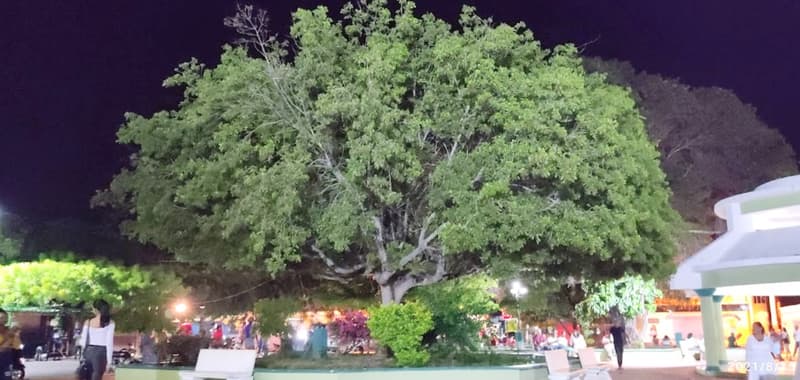
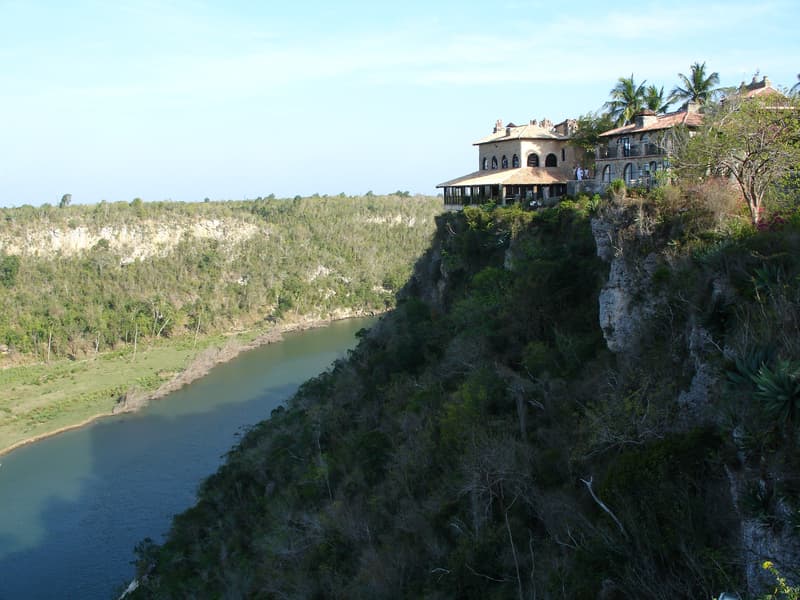


The Dominican Republic offers a rich blend of Caribbean beaches, colonial history, and vibrant culture, making it an ideal destination for mature travelers seeking both relaxation and discovery. Cruise passengers can explore colonial Santo Domingo, the amber coast of Puerto Plata, and the exclusive resorts of La Romana, all while enjoying modern amenities and warm hospitality. This package highlights authentic experiences away from crowds, with emphasis on personal freedom and cultural immersion.
Country facts
History
The Dominican Republic shares the island of Hispaniola with Haiti. Originally inhabited by the Taíno people, it was the first site of European colonization in the Americas, with Christopher Columbus arriving in 1492. Santo Domingo became the capital of the Spanish Empire in the New World. Over centuries, the country experienced colonial rule, brief French control, independence from Spain and Haiti, and later political instability. Today, it is a democratic nation with a growing economy driven by tourism, services, and manufacturing.
The country's history includes periods of political violence and instability. Travelers today will find a welcoming nation, but it's wise to be aware of socioeconomic disparities and occasional political tensions, which rarely affect tourist zones.
Culture
Dominican identity is a fusion of Taíno, African, and Spanish influences. This is expressed in music, dance, art, and daily life. The people are known for their warmth, resilience, and pride in their heritage.
Music: Merengue, a fast-paced dance music, is the national rhythm. Bachata, more romantic and slower, originated in the countryside. Both genres are globally recognized and integral to Dominican culture.
Signature landscape: Pico Duarte, the highest peak in the Caribbean, offers challenging hikes and cloud forest ecosystems. The Caribbean coast features pristine beaches and coral reefs, while the Samaná Peninsula is famous for humpback whale watching.
Cuisine
- La bandera (rice, beans, and meat)
- Sancocho (hearty stew with tubers and meats)
- Mangú (mashed plantains served with eggs and salami)
- Mofongo (fried plantain mash with garlic and pork)
- Chicharrón de pollo (fried chicken)
- Morir soñando (orange juice with milk)
- Pescado con coco (fish in coconut sauce)
Architecture & heritage
- Colonial Zone of Santo Domingo: UNESCO World Heritage site with 16th-century architecture, including the Cathedral of Santa María la Menor, the Alcázar de Colón, and the Fortaleza Ozama.
- Puerto Plata's Victorian architecture, including the San Felipe Fortress and the Amber Museum.
- La Romana's Altos de Chavón, a recreated 16th-century Mediterranean village overlooking the Chavón River.
- Taino archaeological sites, such as the Cuevas de las Maravillas (Caves of Wonders) with pre-Columbian paintings.
Tips for American travellers
- Learn basic Spanish phrases; locals appreciate the effort, and English is not widely spoken outside tourist areas.
- Carry small bills for tips and local purchases; US dollars are accepted in many tourist spots, but change is given in pesos.
- Drink bottled water and avoid ice from street vendors to prevent stomach issues.
- Use reputable taxis or ride-hailing apps; negotiate fares beforehand.
- Dress modestly when visiting churches or rural areas.
- Be mindful of the sun; use high-SPF sunscreen and stay hydrated.
- Try local rum and coffee, but consume in moderation.
- Respect local customs and ask before taking photos of people.
Major cities & destinations
Santo Domingo Capital and cultural hub
As the oldest continuously inhabited European settlement in the Americas, Santo Domingo is a living museum. Explore the colonial architecture, visit world-class museums, and experience the vibrant street life.
Cruise ships dock at the Port of Santo Domingo, allowing easy access to the Colonial Zone. It's a port of call on many Caribbean itineraries, offering a deep dive into history.
Colonial Zone (UNESCO World Heritage site) Cathedral of Santa María la Menor Alcázar de Colón Fortaleza Ozama Malecón (seafront boulevard) National Museum of History and GeographyPuerto Plata Coastal city and resort area
Known as the 'Bride of the Atlantic,' Puerto Plata offers a blend of history, natural beauty, and beach resorts. The Victorian architecture and the cable car ride to Mount Isabel de Torres are highlights.
Two cruise ports: Amber Cove (built by Carnival) and Taino Bay (newer). Both are modern terminals with amenities and direct access to the city and excursions.
San Felipe Fortress Amber Museum (Museo del Ámbar) Mount Isabel de Torres National Park and cable car Playa Dorada beach 27 Waterfalls of Damajagua (nearby)La Romana Resort and cultural destination
La Romana is home to the luxurious Casa de Campo resort and the charming Altos de Chavón, a 16th-century Mediterranean-style village. The region also offers beautiful beaches and the Chavón River.
Cruise ships dock at the port in La Romana, allowing access to Casa de Campo and Altos de Chavón. It's a preferred port for upscale travelers seeking culture and relaxation.
Altos de Chavón (cultural center and amphitheater) Casa de Campo Marina and the Teeth of the Dog golf course Cueva de las Maravillas (Cave of Wonders) Isla Catalina (Catalina Island) for snorkelingSamaná Peninsula and natural sanctuary
Samaná is a lush, less-developed peninsula with dramatic landscapes, waterfalls, and whale watching from January to March. It's a nature lover's paradise.
Cruise ships often tender in the bay of Samaná, offering access to the town of Santa Bárbara and surrounding natural attractions. The port is still developing but increasingly popular.
Cayo Levantado (Bacardi Island) El Limón Waterfall (reached by horseback or hike) Los Haitises National Park Whale watching in Samaná Bay (winter months)Punta Cana Beach resort area
Punta Cana is known for its all-inclusive resorts and white-sand beaches, but it also offers opportunities for eco-adventures, golf, and even a new cruise port.
A new cruise port (Punta Cana Cruise Port) opened recently, allowing larger ships. It's convenient for those wanting immediate beach access and resort amenities.
Bavaro Beach Hoyo Azul (cenote) Indigenous Eyes Ecological Park Cap Cana Marina and the CaletonSantiago de los Caballeros Second-largest city and cultural center
Santiago is the industrial and cultural heart of the Cibao Valley, with tobacco farms, museums, and a vibrant arts scene. It's less touristy but offers authentic Dominican experiences.
Not a typical cruise port, but can be visited via overland tours from Puerto Plata or Samaná.
Monument to the Heroes of the Restoration Casa de Arte (art center) Tobacco factory tours (e.g., Don Arturo Cigar Factory) Centro León (cultural center and museum)Cruise ports of call
The Dominican Republic is a popular cruise destination in the Caribbean, with multiple ports offering diverse experiences from historic colonial towns to resort beaches. The main cruise ports are Santo Domingo, Puerto Plata (Amber Cove and Taino Bay), La Romana, Samaná, and the newer Punta Cana. Each port provides a unique gateway to the country's cultural and natural attractions.
- Eastern Caribbean Loop: These itineraries typically include stops in the US Virgin Islands, Puerto Rico, and the Dominican Republic, focusing on beaches and resort amenities. Punta Cana and Samaná are common.
- Southern Caribbean & Colonial Heritage: These cruises emphasize history and culture, with stops in Santo Domingo and La Romana, often combined with other Spanish Caribbean ports.
Santo Domingo (Port of Santo Domingo) Southern Caribbean & Colonial Heritage
Located in the Ozama River mouth, the port is steps from the Colonial Zone, allowing easy exploration of the UNESCO World Heritage site. Modernized facilities can accommodate mid-sized ships.
Best for: History enthusiasts and cultural travelers
Operators: Norwegian Cruise Line, Royal Caribbean, Holland America, Princess Cruises
Puerto Plata - Amber Cove Eastern Caribbean Loop
Amber Cove is Carnival Corporation's port facility, with a shopping area, pool, and access to the north coast. It's convenient for excursions to Puerto Plata's attractions and nearby beaches.
Best for: Active travelers and beach lovers
Operators: Carnival Cruise Line, Norwegian Cruise Line, Princess Cruises, MSC Cruises
Puerto Plata - Taino Bay Eastern Caribbean Loop
Taino Bay, opened in 2021, is a newer port with a focus on sustainability and local culture. It offers a beach club, pools, and easy access to the city and natural attractions.
Best for: Families and first-time visitors
Operators: Royal Caribbean, Celebrity Cruises, Norwegian Cruise Line, MSC Cruises
La Romana Southern Caribbean & Colonial Heritage
The port is located near Casa de Campo and Altos de Chavón. Ships dock at a marina, and tenders may be used depending on the berth. The area is upscale with golf and art.
Best for: Cultural and upscale travelers
Operators: Royal Caribbean, Celebrity Cruises, Oceania Cruises, Regent Seven Seas
Samaná Eastern Caribbean Loop
Ships anchor in the bay and tender to the town of Santa Bárbara de Samaná. The area is known for whale watching, waterfalls, and lush landscapes. Infrastructure is simpler, but the natural beauty is remarkable.
Best for: Nature and wildlife enthusiasts
Operators: Norwegian Cruise Line, Holland America, MSC Cruises, Windstar Cruises
Punta Cana Eastern Caribbean Loop
Punta Cana Cruise Port opened in 2021, located near Bavaro Beach. It has modern facilities and direct access to the resort zone. Excursions focus on beaches, eco-parks, and adventures.
Best for: Beach lovers and resort enthusiasts
Operators: Carnival Cruise Line, Royal Caribbean, Norwegian Cruise Line, MSC Cruises
Other ports like Barahona or Manzanillo are rarely used by major cruise lines. The Dominican Republic also has potential for expedition cruises, but the main ports listed are the standard stops.
All cruise ports in Dominican Republic
Ships visiting by type: 84 ocean 5 expedition
Showing 7 ports in Dominican Republic





River cruises & routes
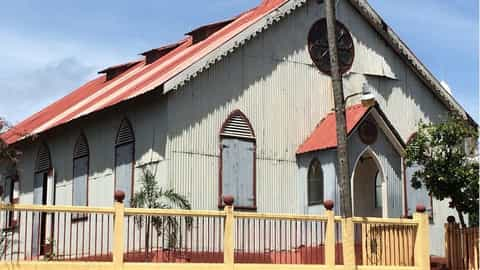
The Dominican Republic does not have significant river cruising infrastructure. The Chavón River near La Romana is scenic, but not used for overnight river cruises. However, day trips on riverboats or kayaks are possible in Los Haitises National Park.
| Route | Length | Countries | Highlights |
|---|---|---|---|
| Chavón River day cruise | 1 day | Dominican Republic | Scenic river gorges, Altos de Chavón views, tropical wildlife |
Season: Year-round, but best from December to April during the dry season
Cruise lines visiting Dominican Republic
The Dominican Republic is a standard port on many Caribbean itineraries. Major cruise lines include Carnival, Royal Caribbean, Norwegian, MSC, Holland America, and Princess. Smaller luxury lines like Oceania, Regent, and Windstar also visit, especially to La Romana and Samaná.
Carnival Cruise Line
Eastern Caribbean and Southern Caribbean itineraries, often including Amber Cove and Punta Cana.
Ships: Carnival Celebration, Carnival Horizon, Carnival Vista
Royal Caribbean International
Caribbean itineraries with stops at Taino Bay, Santo Domingo, La Romana, and Punta Cana.
Ships: Symphony of the Seas, Oasis of the Seas, Navigator of the Seas
Norwegian Cruise Line
Eastern Caribbean loops, including Samaná, Santo Domingo, and Puerto Plata.
Ships: Norwegian Encore, Norwegian Getaway, Norwegian Escape
MSC Cruises
Caribbean sailings from Miami or Port Canaveral, with stops at Amber Cove, Taino Bay, and Punta Cana.
Ships: MSC Seaside, MSC Divina, MSC Meraviglia
Holland America Line
Southern Caribbean itineraries, including Santo Domingo and La Romana.
Ships: Nieuw Statendam, Eurodam, Zuiderdam
Princess Cruises
Caribbean cruises with stops in Santo Domingo and Puerto Plata.
Ships: Enchanted Princess, Caribbean Princess
Luxury lines like Oceania, Regent, and Windstar also visit, often to less frequented ports like La Romana and Samaná, providing a more intimate experience.
Planning & advice
For the mature traveler who fears being herded, the Dominican Republic offers a balance of structured excursions and independent exploration. The country's rich history and natural beauty can be enjoyed at one's own pace, with options for both curated tours and self-guided wandering. The warm, welcoming culture and the ability to speak English in tourist areas reduce anxiety, while the absence of mass tourism in some destinations like Samaná allows for a more intimate experience.
For the American traveller
- Passport: Valid US passport required for a stay up to 90 days; no visa needed for tourism.
- Health: No mandatory vaccinations, but routine vaccines recommended; consider hepatitis A and typhoid. Tap water is not safe to drink; use bottled water.
- Safety: Tourist areas are generally safe, but practice common sense; avoid isolated areas at night and use official taxis.
- Language: Spanish is the official language; English is spoken in tourist zones, but learning basic phrases enhances the experience.
- Currency: US dollars are widely accepted, but you'll receive change in pesos; use credit cards in hotels and upscale restaurants.
- Time: Eastern Time, same as US East Coast, but does not observe DST (in 2026, Dominican Republic is on AST year-round).
- Communication: Cell phone coverage is good; consider a local SIM or international plan.
- Driving: Not recommended due to erratic driving; use excursions or taxis.
- Weather: Hurricane season runs June to November; cruise itineraries may be affected.
- Tourism: Book excursions through the cruise line or reputable local operators to avoid scams.
Excursion planning
- Book excursions early, especially for popular activities like whale watching or the 27 Waterfalls.
- Choose excursions that match your physical fitness level; some involve strenuous hiking.
- For a more authentic experience, consider a private tour with a licensed local guide.
- Pack light day bags with sunscreen, insect repellent, and water.
- Respect the environment: avoid touching coral reefs and follow park regulations.
- Be prepared for changes in weather; bring a light rain jacket.
The verdict
The Dominican Republic is a must-consider destination for American travelers seeking a culturally rich Caribbean experience without sacrificing comfort. Its diverse ports of call cater to various interests, from colonial history to pristine beaches. The cruise infrastructure is modern, yet the country retains an authentic character. By choosing excursions carefully and embracing the local culture, travelers can avoid the herd and enjoy a truly memorable journey.
Sources
- Central Intelligence Agency — The World Factbook: Dominican Republic (accessed 2026-09-09)
- Encyclopaedia Britannica — Dominican Republic (accessed 2026-09-09)
- Dominican Republic Ministry of Tourism — Official Tourism Website (accessed 2026-09-09)
- Wikimedia Commons — Category:Dominican Republic (accessed 2026-09-09)