Ecuador Cruise Ports & Cruise Guide
Total 20
This page is an overview of the 20 cruise ports in Ecuador, covering ocean cruises. Cruises start and end at Manta, Guayaquil, Baltra Island. 30 cruise ships visit Ecuador across 20 ports. See live sailings and availability on the Ecuador cruises page.
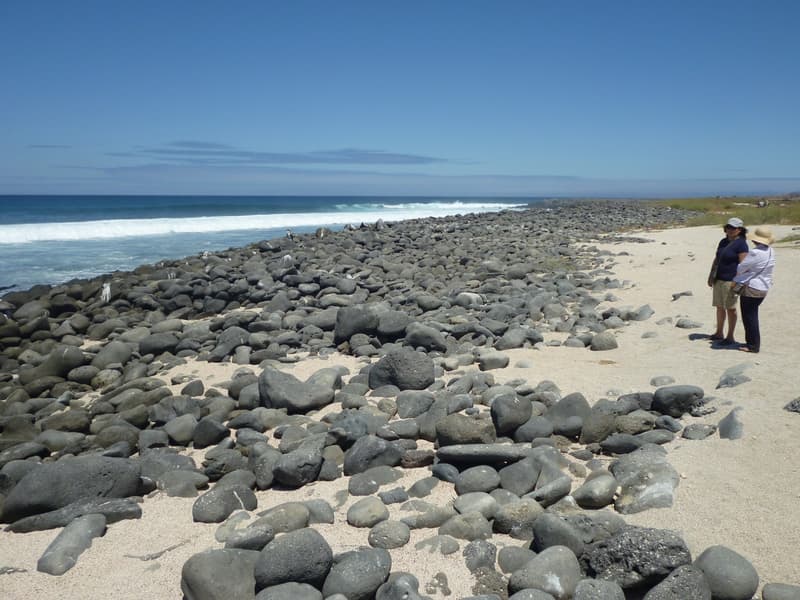




Ecuador is a compact, wildly diverse country that delivers two distinct cruise experiences: expedition-style voyages among the Galápagos Islands and small-ship river expeditions into the Amazon headwaters. For the American traveler who wants genuine discovery rather than a floating resort, Ecuador offers wildlife encounters, living Indigenous cultures, colonial architecture, and natural scenery unmatched on Earth. The key is choosing a small operator with certified naturalist guides, spending a few acclimatization days in Quito, and embracing the unpredictable rhythms of nature. This package gives you the full picture: ports, operators, excursions, honest trade-offs, and the imagery needed to sell it to a discerning audience.
Country facts
History
Ecuador's history spans ancient coastal cultures, Inca conquest, Spanish colonization, independence, and a modern republic shaped by oil, migration, and a fierce commitment to biodiversity. The country's name literally means 'equator'.
Ecuador's political history includes coups, presidential removals, and economic crises. The country has made real progress in infrastructure and conservation, but governance and security remain uneven. Travelers should not equate political volatility with danger on the ground; using reputable operators greatly mitigates risk.
Culture
Mestizo, Indigenous, Afro-Ecuadorian, and European influences blend differently in each region. Ecuadorians often identify with their region: costeños on the coast, serranos in the highlands, amazónicos in the jungle, and isleños in Galápagos.
Music: Pasillo is Ecuador's signature melancholy song style; Andean sanjuanito, coastal marimba, and Afro-Ecuadorian bomba are also iconic. Live music is common in Quito's old town and at festivals.
Signature landscape: The Galápagos Islands, a living laboratory that inspired Darwin, plus the Avenue of the Volcanoes in the Andes and the headwaters of the Amazon in Yasuní National Park.
Cuisine
- Ceviche de camarón (coastal shrimp ceviche with popcorn or chifles)
- Encebollado (tuna soup with onions, yuca, and pickled onion topping)
- Llapingachos (cheese-stuffed potato patties served with peanut sauce)
- Hornado (roasted pork with hominy, llapingachos, and ají)
- Guatita (tripe in peanut sauce)
- Cuy (roasted guinea pig, a traditional highland dish)
- Empanadas de morocho
- Canelazo (hot cinnamon and sugar-cane agave drink)
Architecture & heritage
- Historic center of Quito (UNESCO World Heritage)
- Historic center of Cuenca (UNESCO World Heritage)
- La Compañía de Jesús Church in Quito
- Ingapirca Inca ruins
- Baroque Quito School paintings and sculpture
- Haciendas of the Avenue of the Volcanoes
- Galápagos National Park and Marine Reserve
Tips for American travellers
- Altitude is real: Quito is 2,850 m (9,350 ft). Plan a low-key first day, drink plenty of water, and ask your doctor about acetazolamide.
- The U.S. dollar is Ecuador's currency. Bring small bills; many shops cannot break $20 or $50 notes.
- Tap water is not safe for most travelers. Drink bottled or filtered water and avoid ice from street vendors.
- Ecuador uses 120V/60Hz like the U.S., so your chargers work; bring a power strip for multiple devices.
- Learn basic Spanish: '¿Cuánto cuesta?' and '¿Dónde está...?' go far outside tourist zones.
- Use licensed taxis or ride apps. In Quito and Guayaquil, avoid walking alone at night in historic centers.
Major cities & destinations
Quito Capital and Andean highland gateway
A UNESCO World Heritage historic center, dramatic mountain setting, and base for the Avenue of the Volcanoes.
Main international arrival point for cruise passengers; most Galápagos expeditions include a pre-cruise hotel stay here.
Plaza Grande & Presidential Palace La Compañía de Jesús Church San Francisco Church & Monastery El Panecillo viewpoint Mitad del Mundo equator complex TelefériQo cable car to PichinchaGuayaquil Largest city and Pacific gateway
Ecuador's commercial hub, Malecón 2000 riverfront, and launch point for Galápagos flights and coastal cruises.
Home base for some Galápagos cruise operators and the main mainland stop for coastal expedition itineraries.
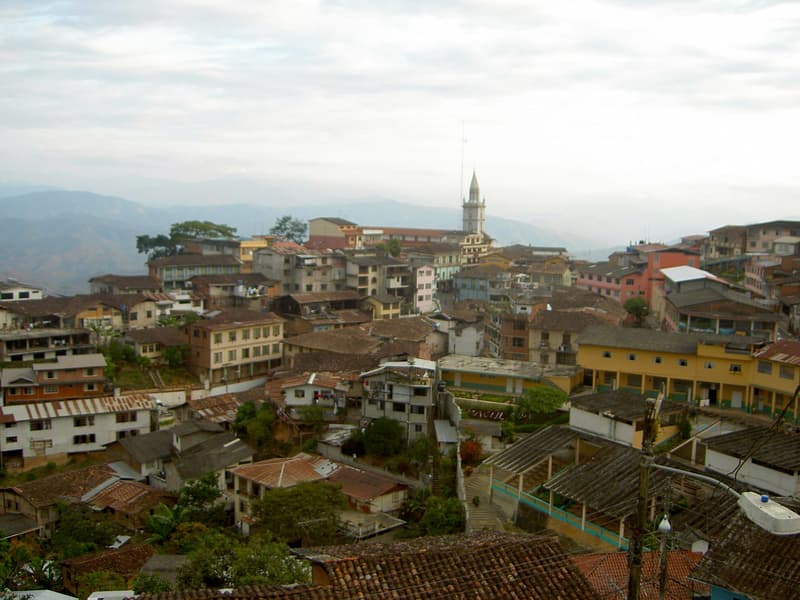
Malecón 2000 Las Peñas neighborhood Santa Ana Hill lighthouse Catedral Metropolitana Parque Histórico GuayaquilCuenca UNESCO colonial city in the southern Andes
Elegant plazas, Panama hat weaving, and a relaxed atmosphere often called Ecuador's most beautiful city.
Frequently paired with Galápagos cruise itineraries as a land extension; not a cruise port itself.
Catedral de la Inmaculada Concepción El Sagrario (Old Cathedral) Parque Calderón Río Tomebamba riverfront Pumapungo ruins & museum Toquilla straw hat factoriesPuerto Ayora (Santa Cruz) Galápagos expedition hub
The most developed tourist town in Galápagos, with easy access to giant tortoises and Charles Darwin Research Station.
Primary port for embarking and disembarking Galápagos expedition ships; most yachts and small ships visit or depart here.
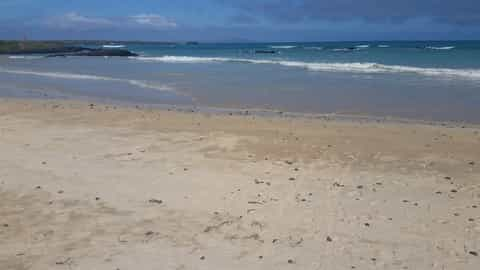
Charles Darwin Research Station El Chato Giant Tortoise Reserve Tortuga Bay beach Las Grietas swimming chasm Lava tunnels Highland tortoise reservePuerto Baquerizo Moreno (San Cristóbal) Galápagos provincial capital and port
The administrative capital of Galápagos, with sea lion beaches, snorkeling, and the island's interpretation center.
Frequent embarkation point for eastern Galápagos itineraries; small-ship cruises stop for the island's unique species.
Interpretation Center (San Cristóbal) Cerro Tijeretas (frigatebird cliff) La Lobería beach Kicker Rock (León Dormido) Puerto Chino beachPuerto Villamil (Isabela) Remote Galápagos beach town
Wild beaches, flamingo lagoons, and the young volcanic landscapes of Isabela, the largest island.
Port of call for Galápagos expedition ships, especially western routes visiting Isabela and Fernandina.
Tintoreras Islet & reef sharks Wall of Tears (El Muro de las Lágrimas) Poza de los Flamencos (flamingo lagoon) Concha Perla swimming area Sierra Negra volcano trailheadCoca (Puerto Francisco de Orellana) Amazon river cruise gateway
Gateway to Ecuador's Amazon (Oriente), where Napo River cruises depart into Yasuní National Park and Indigenous territories.
Embarkation point for river cruise ships on the Napo River; access is by flight from Quito.
Yasuní National Park Napo River Pañacocha lagoon Sacha Lodge surroundings Kichwa Indigenous communitiesOtavalo Indigenous highland market town
One of South America's most famous Indigenous markets, plus nearby Andean villages and crater lakes.
Mostly a land excursion from Quito; some cruise lines offer pre- or post-cruise extensions.
Plaza de los Ponchos market San Pablo Lake Cuicocha crater lake Cotacachi leather town Peguche waterfallCruise ports of call
Ecuador's cruising is almost entirely expedition-style: Galápagos islands by small ship and the Amazon headwaters by riverboat. Mainstream ocean cruise ships occasionally call at Manta on Pacific repositioning itineraries. Quito and Guayaquil are gateways rather than cruise ports, though Guayaquil is a possible embarkation point for coastal expedition voyages.
- Galápagos Expedition Cruises — 5- to 10-night itineraries around the archipelago, typically starting at Baltra or San Cristóbal and calling at Santa Cruz, Floreana, Española, Isabela, Fernandina, and Genovesa.
- Amazon Headwater River Cruises — 4- to 8-night expeditions on the Napo River from Coca or Nuevo Rocafuerte, with excursions into Yasuní National Park and along the Ecuadorian Amazon.
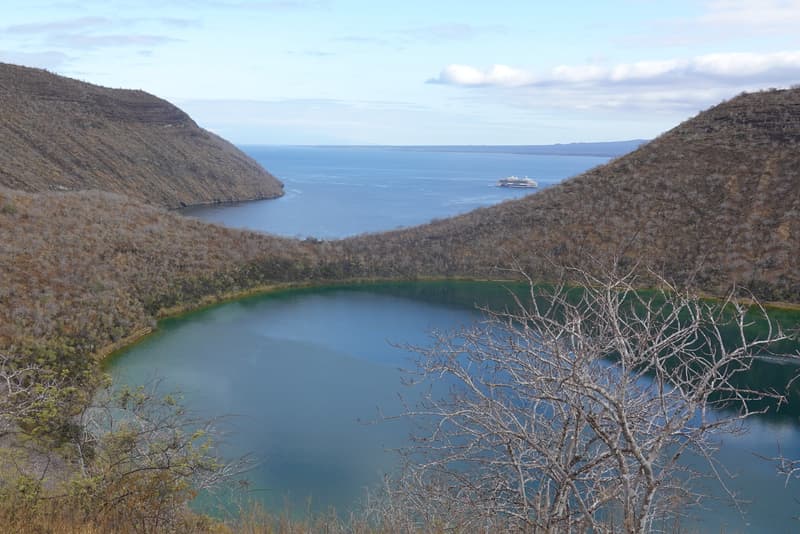
Puerto Ayora (Santa Cruz) galapagos
The tourist center of Santa Cruz and the busiest port in Galápagos. Expedition ships anchor in the harbor and launch Zodiacs to the dock; the town is the base for highland tortoise reserves and Charles Darwin Research Station.
Best for: First-time Galápagos visitors, tortoise encounters, and easy day excursions.
Operators: Lindblad Expeditions, Celebrity Cruises, Silversea, Quasar Expeditions, Ecoventura, Metropolitan Touring
Puerto Baquerizo Moreno (San Cristóbal) galapagos
Capital of Galápagos Province and a frequent start or end point for eastern itineraries. Known for sea lions lounging on the beach and Kicker Rock offshore.
Best for: Snorkeling, wildlife photography, and understanding Galápagos history at the interpretation center.
Operators: Lindblad Expeditions, Celebrity Cruises, Silversea, Quasar Expeditions, Ecoventura, Metropolitan Touring
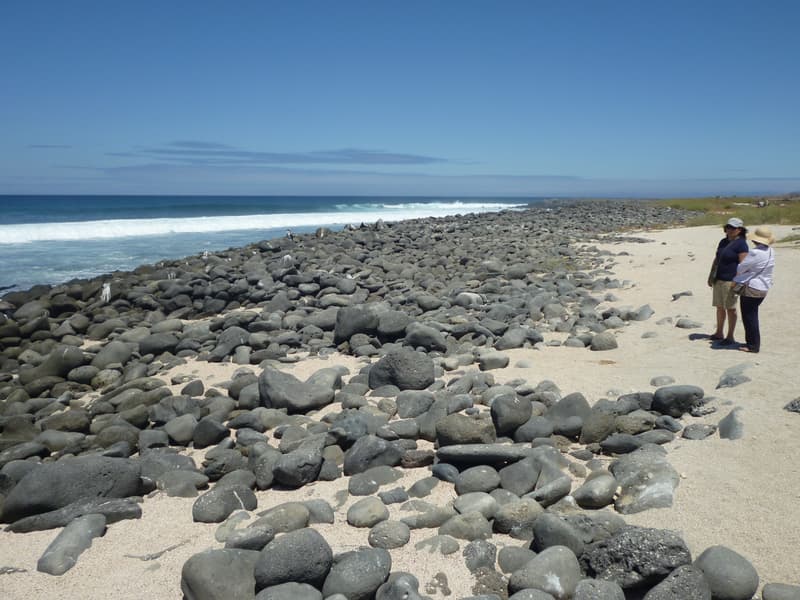
Puerto Villamil (Isabela) galapagos
A laid-back fishing village on Isabela Island, with long beaches, flamingo lagoons, and access to Sierra Negra volcano. Expedition ships use small-boat landings.
Best for: Volcanic landscapes, flamingos, and uncrowded beaches.
Operators: Lindblad Expeditions, Silversea, Ecoventura, Metropolitan Touring
Coca (Puerto Francisco de Orellana) amazon
A bustling frontier town on the Napo River and the main gateway for Ecuador's Amazon cruise ships. Passengers fly from Quito to Coca, then board expedition riverboats.
Best for: Yasuní National Park wildlife, river dolphins, and Indigenous culture.
Operators: Metropolitan Touring
Nuevo Rocafuerte amazon
A remote outpost on the Napo River near the Peruvian border. It is often the farthest point reached by Amazon river cruises before turning around or disembarking.
Best for: Deep Amazon immersion, parrot clay licks, and border-region wildlife.
Operators: Metropolitan Touring
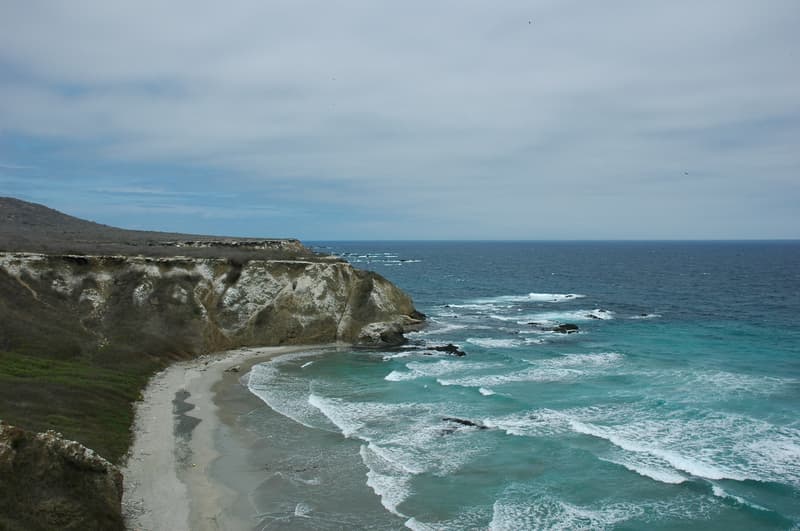
Manta mainland-pacific
Ecuador's largest tuna port and a frequent stop for ocean cruise ships on Panama Canal or round-the-world voyages. Not a river cruise port, but a valid coastal call for expedition fleets.
Best for: Pacific beach culture, seafood, and nearby archaeological sites.
Operators: Ponant, Celebrity Cruises, Silversea, Lindblad Expeditions
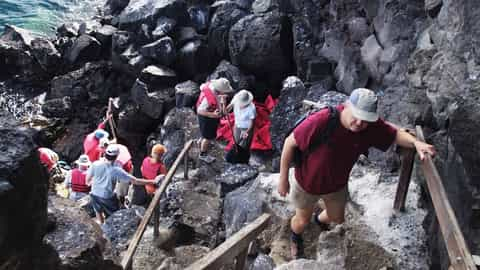
Mainland Pacific cruise calls are limited; Manta is the most frequent stop, while Guayaquil serves as a base for Galápagos flights rather than a deep-water cruise hub. The Galápagos National Park restricts ships to designated landing sites with certified guides.
All cruise ports in Ecuador
Ships visiting by type: 24 ocean 6 expedition
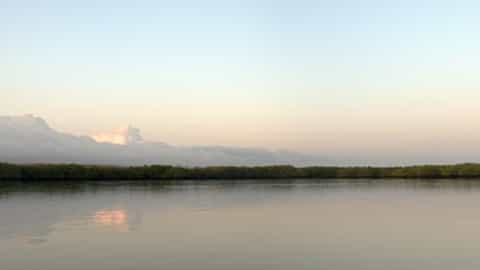
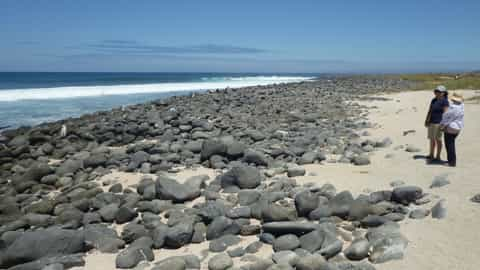
Showing 20 ports in Ecuador

















River cruises & routes
Ecuador's river cruising takes place on the Napo River, a major Amazon tributary. Small expedition vessels navigate from Coca into Yasuní National Park, offering wildlife viewing, visits to Kichwa communities, kayaking, and canopy walks. The season is year-round, but drier months are often best for forest trails.
| Route | Length | Countries | Highlights |
|---|---|---|---|
| Galápagos – Baltra to San Cristóbal or reverse | 7 nights / 8 days | Ecuador (Galápagos) | Giant tortoises, marine iguanas, blue-footed boobies, snorkeling with sea lions, volcanic landscapes |
| Galápagos – Western Isabela and Fernandina | 10 nights / 11 days | Ecuador (Galápagos) | Fernandina's flightless cormorants, Isabela's Sierra Negra volcano, Punta Moreno, Elizabeth Bay |
| Amazon Napo River – Coca to Nuevo Rocafuerte | 4 nights / 5 days | Ecuador | Yasuní National Park, river dolphins, monkeys, macaws, Kichwa communities |
| Amazon Napo River & Quito/Cuenca land extension | 7 nights / 8 days | Ecuador | Amazon headwaters plus colonial Quito or Cuenca highlands |
Season: Galápagos: warm/wet December–May (warmer water, calm seas); dry/cool June–November (more wind, excellent wildlife). Amazon: year-round; February–May is wetter, while June–September and December–January are comfortable for trail walking.
Cruise lines visiting Ecuador
Ecuador is served by expedition cruise lines rather than giant ships. In Galápagos, operators must use small vessels and licensed naturalist guides. On the Napo River, only a few expedition riverboats operate. Most itineraries combine a Galápagos voyage with a land extension to Quito, Cuenca, or the Amazon.
Lindblad Expeditions
Year-round Galápagos expeditions; occasional mainland Amazon and Ecuador highlands extensions.
Ships: National Geographic Endeavour II, National Geographic Islander II
Celebrity Cruises
Galápagos inner and outer loop itineraries; 6-, 7-, and 10-night cruises.
Ships: Celebrity Flora
Silversea Expeditions
Galápagos expedition voyages with all-suite accommodation and butler service.
Ships: Silver Origin
Quasar Expeditions
Private-charter and set-departure Galápagos yachts; can include mainland Ecuador extensions.
Ships: M/Y Evolution, M/Y Grace
Ecoventura
Small-yacht Galápagos expeditions with active excursions.
Ships: Origin, Theory
Metropolitan Touring
Galápagos cruise programs on Santa Cruz II, La Pinta, Isabela II; Amazon headwater river cruises aboard Anakonda and Manatee.
Ships: Santa Cruz II, La Pinta, Isabela II, Anakonda, Manatee
Ponant
Occasional Galápagos and South American expedition cruises; may call at Manta or Guayaquil.
Ships: Le Bellot, L'Austral
Most Galápagos ships are small expedition vessels with 16–100 passengers, booked either through international lines or local operators. U.S. travelers can book through a cruise advisor or directly. The Galápagos National Park requires certified naturalist guides on every excursion.
Planning & advice
You have the time and perspective to appreciate Ecuador's scale: a country smaller than Nevada with more biodiversity per acre than almost anywhere. The cruise experiences are genuinely small-ship, not conveyor-belt: 20–100 passengers, naturalists, and unhurried anchorages. You will not be herded unless you choose a mass-market bus tour. Ecuador rewards travelers who walk a little slower, ask questions, and accept that weather and wildlife do not run on a schedule.
For the American traveller
- Carry your passport and entry stamp; U.S. citizens do not need a visa for stays up to 90 days, but entry rules can change. Check the U.S. State Department before booking.
- Health preparation: yellow fever vaccine is recommended for Amazon travel, malaria pills may be advised for the eastern Amazon, and altitude acclimatization is essential in Quito. Comprehensive travel insurance is a must.
- Security: use registered taxis or ride apps in cities; avoid nighttime walking in Guayaquil and Quito historic centers; don't flash valuables.
- Galápagos: respect National Park rules, land only at designated sites, and carry cash for the park entrance fee and migration control card.
- Amazon: bring waterproof gear, long sleeves and pants, DEET-based insect repellent, and a flexible attitude for weather and mechanical delays.
- Connectivity: WhatsApp is ubiquitous; many hotels have Wi-Fi, but cellular coverage in Galápagos and Amazon towns is patchy.
Excursion planning
- Reserve Galápagos excursions and cruises with operators that include licensed naturalist guides; don't plan independent island hopping without checking park rules.
- In Quito, plan a low-key arrival day and take a guided walking tour to learn history and avoid altitude fatigue.
- For Amazon cruises, bring rubber boots, binoculars, and a waterproof camera; excursions involve boarding skiffs.
- Avoid booking same-day flight connections between Quito and Galápagos and cruise embarkation; weather delays happen.
- Use a local travel advisor who has visited Ecuador; they can pair you with small-group operators rather than large coach tours.
The verdict
Ecuador is one of the world's richest destinations for expedition cruising. Pair a Galápagos voyage with an Amazon headwater river cruise for a once-in-a-lifetime, nature-first itinerary. Choose a small-ship operator, plan extra time in Quito and Cuenca, and you'll leave with a sense of discovery—not a checklist.
Sources
- CIA World Factbook — Ecuador (accessed 2026-09-09)
- Britannica — Ecuador (accessed 2026-09-09)
- U.S. Department of State — Ecuador International Travel Information (accessed 2026-09-09)
- CDC — Ecuador Traveler View (accessed 2026-09-09)
- Galápagos National Park Directorate — Galápagos National Park (accessed 2026-09-09)
- Lonely Planet — Ecuador (accessed 2026-09-09)
- UNESCO World Heritage Centre — City of Quito and Historic Centre of Santa Ana de los Ríos de Cuenca (accessed 2026-09-09)