Estonia Cruise Ports & Cruise Guide
Total 2
This page is an overview of the 2 cruise ports in Estonia, covering ocean cruises. 50 cruise ships visit Estonia across 2 ports. See live sailings and availability on the Estonia cruises page.
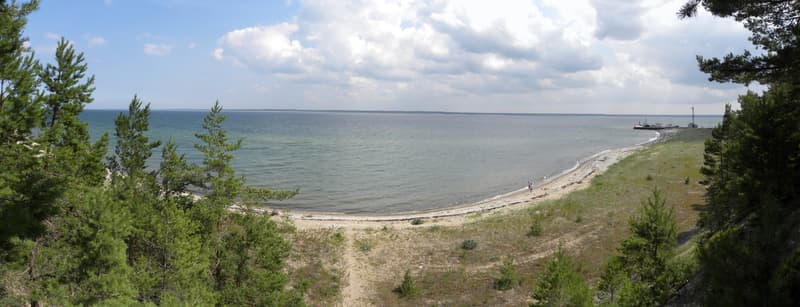

Estonia is a compact Northern European country of medieval ports, island quiet, and digital modernity. For cruise travelers it offers Tallinn, one of the Baltic's best-preserved Old Towns, plus small-ship calls at Saaremaa and Pärnu. It is not a river-cruise destination; its beauty lies on the coast, in forests, bogs, and manor houses. The country suits independent-minded milestone travelers who want authentic history and nature without crowds.
Country facts
History
Estonia is a small Baltic nation with a distinct language and culture, shaped by Teutonic, Swedish, Russian, and Soviet eras. It emerged from a 50-year Soviet occupation to become a digital-forward EU and NATO member. Its layered history is visible in medieval Old Town, manor houses, Soviet-era buildings, and restored national institutions.
Estonia's Soviet-era history is politically sensitive. Estonian official sources describe 1940–1991 as occupation; Russian official sources do not. Visitors will see both restoration and Soviet-era architecture, and the country's memory institutions tell that story with candor.
Culture
Estonians often describe themselves as a 'singing nation'; identity is tied to the language, the forest, the Baltic coast, and the memory of Soviet occupation. It is a Nordic-Baltic country that values calm, competence, and self-reliance.
Music: The Estonian Song Celebration (Laulupidu) takes place every five years; choral singing is so important it is inscribed on UNESCO's Representative List of the Intangible Cultural Heritage. Arvo Pärt and Veljo Tormis are internationally celebrated composers.
Signature landscape: Raised bogs and mires, accessible by boardwalk, especially Viru Bog in Lahemaa and Soomaa National Park.
Cuisine
- Black rye bread with herring or kilu
- Kama (roasted grain mixed with kefir or sour milk)
- Verivorst (blood sausage) with mulgikapsad (sauerkraut stew)
- Sült (pressed headcheese), usually served in winter
- Mulgipuder (barley and potato porridge with pork)
- Kohuke (curd snack)
- Juniper-smoked fish from coastal villages
- Marinated Baltic herring and fresh-caught perch
Architecture & heritage
- UNESCO-listed Tallinn Old Town with medieval walls and towers
- Toompea Castle and the Riigikogu
- Kadriorg Palace and Art Museum
- St. Olaf's Church (Oleviste kirik)
- Tartu University historic buildings and Toomemägi
- Wooden-house districts in Tallinn and Tartu
- Soviet-era panels, Linnahall, and Maarjamäe Palace
- Coastal manors like Palmse and Sagadi in Lahemaa
Tips for American travellers
- English is widely spoken by younger Estonians; learning 'tere' (hello) and 'aitäh' (thanks) helps.
- Cards are accepted nearly everywhere; keep a little euro cash for small markets and island shops.
- Tap water is safe to drink.
- Tipping is optional, not expected; round up or leave 10% for excellent service.
- Dress in layers even in summer; coastal weather changes fast.
- Use Bolt or Forus taxi apps instead of hailing street taxis.
- Respect quiet public spaces; Estonians value personal space and silence.
- Many shops and museums close on Mondays, especially outside Tallinn.
- Do not casually call the country 'Eastern Europe'; Estonians prefer Baltic or Northern European.
Major cities & destinations
Tallinn Capital city and medieval Hanseatic port
The Old Town is one of Europe's best-preserved medieval cityscapes, with walls, towers, guildhalls, and a lively cafe culture. It mixes Hanseatic history, Soviet memory, contemporary food, and easy access to nature.
Primary cruise gateway. Old City Harbour (Reisisadam) is 10–15 minutes on foot from the Old Town; most Baltic itineraries include Tallinn as a full-day or overnight call.
Toompea Castle / Riigikogu Alexander Nevsky Cathedral Tallinn Old Town walls and towers Raekoja plats (Town Hall Square) St. Olaf's Church (Oleviste kirik) Kadriorg Palace Kumu Art Museum Seaplane Harbour (Lennusadam) maritime museum Patarei Prison and Kalamaja district Balti Jaam MarketTartu University city and intellectual capital
Estonia's second city is a lively student town with a hilltop cathedral, neoclassical university buildings, wooden-house neighborhoods, and the Estonian National Museum.
Not a cruise port. It is an overland extension from Tallinn (about 2.5 hours by train or car) and occasionally offered as a full-day coach excursion on longer Baltic itineraries.
Tartu University main building Toomemägi (Cathedral Hill) Tartu Cathedral ruins AHHAA Science Centre Estonian National Museum Karlova wooden-house district Supilinn neighborhoodPärnu Coastal resort and small-ship port
The 'summer capital' has wide sandy beaches, a tree-lined promenade, spa hotels, and a relaxed resort pace.
Small-ship and expedition calls at the Pärnu marina or shallow-draft berth; no large-ship terminal. Pärnu is also the base for Soomaa National Park excursions.
Pärnu Beach Estonian Museum of New Art Villa Ammende Tervise Paradiis water park Pärnu promenade and mud baths Soomaa National ParkKuressaare (Saaremaa) Island town and medieval episcopal seat
The most complete medieval castle in the Baltics, surrounded by island landscapes of junipers, windmills, coastal cliffs, and the Kaali meteorite craters.
Main island port for expedition ships at Roomassaare, about 2 km from the town center. Saaremaa is a nature-oriented alternative to Tallinn.
Kuressaare Episcopal Castle Kaali meteorite crater Angla windmill park Vilsandi National Park Sõrve peninsula Panga Cliff Saaremaa Museum in the castleLahemaa National Park National park on the northern coast
Manor houses, bogs, sea villages, and forest paths. It is a classic excursion for cruise passengers who want to get out of the city.
About 45–60 minutes by road from Tallinn Old City Harbour; a practical half-day or full-day shore excursion.
Palmse Manor Sagadi Manor Vihula Manor Käsmu sea village Oandu nature trail Viru Bog boardwalk Võsu beachHiiumaa Island, lighthouse coast, and small-ship anchorage
Estonia's second-largest island is quieter than Saaremaa, with Kõpu Lighthouse (one of the oldest in Europe), windswept cliffs, and rural Estonian life.
Occasional small-ship/expedition call; ships anchor or use the Kärdla marina. Infrastructure is limited, so shore excursions are usually small-group and local.
Kõpu Lighthouse Hiiumaa Museum / Kassari Suuremõisa Manor Hiiumaa Iseseisvuse Muuseum Kärdla town Ristna cliffsCruise ports of call
Estonia's cruise calls center on Tallinn, one of the Baltic's most popular ports. Smaller expedition ships call at Saaremaa and Pärnu for island and coastal routes. Passengers dock close to medieval streets, and the country is compact enough for day excursions to national parks and university towns.
- Baltic Capital Ports
- Baltic Islands & West Coast
Tallinn Baltic Capital Ports
Large-ship berths are within walking distance of the UNESCO Old Town. Several terminals handle cruise ships, ferries, and fast craft. Shuttle buses and taxis are available but usually unnecessary for the Old Town.
Best for: Medieval Old Town, museums, food markets, and day trips to Lahemaa National Park or Kadriorg.
Operators: Viking Ocean Cruises, Oceania Cruises, Regent Seven Seas Cruises, Seabourn, Silversea Cruises, Azamara, Windstar Cruises, Holland America Line, Princess Cruises, Celebrity Cruises, MSC Cruises, Norwegian Cruise Line, Royal Caribbean International, Cunard, Ponant
Kuressaare (Saaremaa) Baltic Islands & West Coast
A compact harbor on the island of Saaremaa. Expedition ships may dock or tender; local guides meet passengers at the pier. The town center, castle, and museums are a short walk or bus ride.
Best for: Island heritage, castle, nature, meteorite crater, and uncrowded coast.
Operators: Seabourn, Silversea Cruises, Azamara, Windstar Cruises, Ponant, Hurtigruten Expeditions, Swan Hellenic
Pärnu Baltic Islands & West Coast
Pärnu is a summer resort town on the west coast. Cruise calls are made by small ships using Pärnu Marina or nearby anchorage. The beach and old town are a short walk from the center.
Best for: Beaches, spa culture, riverside walks, and Soomaa National Park.
Operators: Seabourn, Silversea Cruises, Azamara, Windstar Cruises, Ponant, Hurtigruten Expeditions, Swan Hellenic
Hiiumaa (Kärdla), Kihnu, and other small islands are occasionally used as tender/anchorage calls by expedition ships. There are no permanent cruise terminals. Tallinn's Old City Harbour remains the only large-ship cruise port in Estonia.
All cruise ports in Estonia
Ships visiting by type: 48 ocean 5 expedition
Showing 2 ports in Estonia


River cruises & routes
Estonia has no commercial river cruise routes comparable to those on the Volga, Rhine, or Danube. Baltic Sea cruises call at Tallinn, and small expedition ships explore the west coast and islands. Inland water travel is limited to the Emajõgi in Tartu and seasonal canoe/bogshoe trips in Soomaa National Park.
| Route | Length | Countries | Highlights |
|---|---|---|---|
| Baltic Sea 'Baltic Capital' cruise | 7–14 days | Denmark, Germany, Sweden, Finland, Estonia, sometimes Russia | Tallinn Old Town, Helsinki, Stockholm, Copenhagen, optional St Petersburg visa-free shore excursions |
| Baltic islands expedition | 8–12 days | Sweden, Finland, Estonia, sometimes Latvia | Saaremaa castle, Kaali crater, Vilsandi, Pärnu beach, Soomaa, Hiiumaa lighthouses |
| Estonia and Latvia small-ship coastal route | 10–14 days | Estonia, Latvia, sometimes Finland | Tallinn, Pärnu, Kuressaare, Riga, plus inland excursions to Tartu and Lahemaa |
Season: May to September. July and August are the busiest and warmest; late June has the famous 'white nights.' May and September are cooler but less crowded. Winter calls are rare, but Tallinn's Christmas market attracts some itineraries.
Cruise lines visiting Estonia
Tallinn is a standard Baltic Sea port for major premium and contemporary lines. Beyond Tallinn, small-ship and expedition operators dominate, offering calls at Saaremaa, Pärnu, and Hiiumaa. No ocean-cruise line is based in Estonia, but the Port of Tallinn is a well-run European cruise hub.
Viking Ocean Cruises
Baltic capitals with Tallinn calls; frequently included on Stockholm–St Petersburg itineraries.
Ships: varies by season
Oceania Cruises
Refined mid-size ship Baltic cruises; Tallinn often a full-day call.
Ships: varies by season
Regent Seven Seas Cruises
All-inclusive luxury Baltic voyages; Tallinn on longer Northern Europe itineraries.
Ships: varies by season
Seabourn
Luxury small ships; includes Tallinn, Saaremaa, and Pärnu on island-heavy routes.
Ships: varies by season
Silversea Cruises
Luxury and expedition; Saaremaa and Pärnu on Baltic islands itineraries.
Ships: varies by season
Azamara
Destination-intensive cruises with late-night stays; Tallinn and Saaremaa.
Ships: varies by season
Windstar Cruises
Small sailing/motor yachts; west coast and island calls including Pärnu and Saaremaa.
Ships: varies by season
Holland America Line
Premium mainline; Tallinn on Baltic capitals cruises.
Ships: varies by season
Celebrity Cruises
Modern luxury; Tallinn on Northern Europe/Scandinavia routes.
Ships: varies by season
Royal Caribbean International
Baltic and Scandinavia cruises; Tallinn calls.
Ships: varies by season
Ponant
French expedition/luxury yachts; Saaremaa, Hiiumaa, and Pärnu on Baltic nature cruises.
Ships: varies by season
Hurtigruten Expeditions
Expedition-style cruises to Baltic islands; Saaremaa and Pärnu.
Ships: varies by season
Swan Hellenic
Boutique expedition; Estonian islands and coastal ports.
Ships: varies by season
If you want to avoid large tour groups, choose a small-ship line (Seabourn, Silversea, Azamara, Windstar, Ponant, Hurtigruten, Swan Hellenic) or book a private guide in Tallinn. Major lines offer standard coach tours; local operators can customise walking, nature, and food tours at a similar price.
Planning & advice
Estonia rewards the traveler who wants to go beyond souvenir streets. It is small enough to grasp in one visit, yet layered with medieval Hanseatic history, Soviet memory, national forests, and island quiet. The pace is unhurried, English is easy, and the scale is human. For a milestone traveler who fears being herded, Estonia offers dignity: a place where you can walk alone through a bog, hear the wind in junipers, and still be back to the ship for dinner.
For the American traveller
- No visa required for U.S. citizens for tourism up to 90 days in the Schengen Area; passport must be valid for at least three months beyond intended departure.
- Estonia uses the euro; credit and debit cards are accepted almost everywhere, but carry a little cash for farmers markets and small island shops.
- English is widely spoken in tourism, hospitality, and among younger people; signage in Old Town is often bilingual.
- Emergency number is 112. Healthcare is of European standard; travel insurance is strongly recommended.
- Estonia is one of the world's most digital countries; free public Wi-Fi is common, and many services are online.
- The Smart Traveler Enrollment Program (STEP) from the U.S. State Department is a free way to receive safety alerts.
- Driving is on the right; an International Driving Permit is recommended if you plan to rent a car outside Tallinn.
- Weather is changeable; even in July, bring layers, a waterproof shell, and comfortable walking shoes.
- Taxis are metered; use the Bolt app or official taxi ranks to avoid surge pricing.
- Museums often have English audio guides and labels; buy tickets online for popular attractions in summer.
Excursion planning
- Walk out of Tallinn's Old City Harbour: the Old Town is about 10–15 minutes on foot, so skip the shuttle if you want to avoid herding.
- Go early. Start your Old Town tour before 9 a.m. before the day's cruise groups arrive from other ships.
- For Lahemaa, choose a small minibus or private guide; you can reach the Viru Bog boardwalk before larger coaches.
- In Saaremaa, consider a small-group jeep tour to Kaali crater and the coast; road infrastructure is good, but distances are long for walking.
- Pärnu is best as a slow day: beach, promenade, spa, and a river boat ride. Don't try to combine it with a full-day drive to Tallinn.
- If you want an overnight, spend it in Tallinn after the cruise. Evening light in the Old Town is a different, quieter experience.
- Ask whether the line's shore excursion is walking or coach-based. In Tallinn, a walking tour is more rewarding than a motorcoach panoramic tour.
- Check dates for the Estonian Song Celebration; if your trip coincides with it, Tallinn will be crowded and hotel rooms scarce.
The verdict
Choose Estonia when you want a Baltic port that feels both historic and unhurried. Tallinn is a must; for an island extension, Saaremaa is the right reward. The trade-off is that Estonia's real character lies beyond the cruise terminals, and the best way to see it is on foot, by bike, or in a small group.
Sources
- Visit Estonia — Estonia Official Travel Information (accessed 2026-09-09)
- UNESCO World Heritage Centre — Historic Centre (Old Town) of Tallinn (accessed 2026-09-09)
- Port of Tallinn — Old City Harbour (accessed 2026-09-09)
- Estonian Song and Dance Celebration — Laulupidu (accessed 2026-09-09)
- CIA World Factbook — Estonia (accessed 2026-09-09)