Bastia Cruise Port
Port de Commerce de Bastia


Bastia, France Port
UN/LOCODE FRBIA Port of call
Bastia Cruise Port Location
| Port Details | |
|---|---|
| Country | France |
| UN/LOCODE | FRBIA |
| Contact | |
| Address | Terminal Nord, 20200 Bastia, France |
| Port phone | +33 4 95 54 66 66 |
| Website | www.bastia.port.fr |
| Geography | |
| Coordinates | 42.68030, 9.44390 |
| Accessibility | |
| Accessible | Limited |
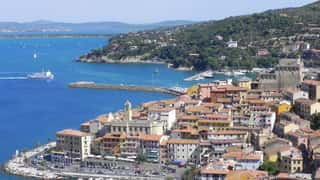
The cruise terminal at Bastia sits just 400 meters (0.25 miles) from the northern end of Place Saint-Nicolas, making it a five-minute walk to the city center. Located in the Haute-Corse region of northeastern Corsica, this destination rewards those who enjoy vertical exploration and punishes anyone wearing unsuitable footwear. You'll find yourself on the edge of the Tyrrhenian Sea, positioned at the base of the rugged Cap Corse peninsula. The ascent from the Old Port to the Citadel involves a significant incline that many travelers underestimate. Bastia is primarily an ocean cruise port, though it functions as a major ferry hub for the French mainland and Italy. It serves as the ideal springboard for the Patrimonio wine region, located just 15 km (9 miles) west, and the seaside village of Saint-Florent, reachable in 40 minutes by road. For those looking further, the historic town of Corte is 70 km (43 miles) inland, roughly 75 minutes by car. It is worth knowing that while the terminal is central, the historical 'Terra Nova' district requires navigating steep stairs or finding the public elevator hidden behind the post office. This city doesn't offer the manicured glitz of the Riviera; it delivers a raw, baroque authenticity that demands your attention.
Bastia — Port Overview
History
Bastia was established in 1380 by the Genoese governor Leonello Lomellini, who sought a more secure site than the inland village of Biguglia. He constructed a 'bastiglia' (stronghold), giving the city its name and founding the Terra Nova (New Town) district within the Citadel walls. For nearly 400 years, Bastia served as the seat of Genoese power in Corsica, which explains the pervasive Italianate architecture and the grid-like layout of the upper city. A pivotal moment occurred in 1794 when British forces, led by Horatio Nelson, captured the city during the short-lived Anglo-Corsican Kingdom. Nelson actually lost his right eye during the siege of nearby Calvi shortly after, but the occupation of Bastia solidified British naval influence in the Tyrrhenian Sea. The 19th century brought the expansion of Terra Vecchia (Old Town) and the construction of the massive Place Saint-Nicolas, which remains one of the largest public squares in France. During World War II, Bastia suffered heavy damage during the 1943 liberation of Corsica, the first French department to be freed from Axis occupation. Today, when you stand in the Place du Marché, you see the resilience of this history in the weathered facades and the towering 17th-century Church of Saint-Jean-Baptiste, which still dominates the harbor skyline exactly as it has for centuries.
The Verdict
The travelers who get the most from Bastia are those who embrace its verticality and venture beyond the main square. Whether you are climbing to the Citadel for the views or sampling wild boar in a quiet alley, this port rewards effort with an authentic Mediterranean experience. This guide has been fact-checked by J. Richard and the Waterways Cruise editorial team. A shore excursion with a guaranteed return to the ship, matched to your mobility, interests, and pace, removes any risk of missing departure.com. No two travelers want the same day in Corsica.
Things to Do & See in Bastia
| Attraction | Type | Address | Phone | Hours | Website | Admission |
|---|---|---|---|---|---|---|
| Place Saint-Nicolas | Landmark | Place Saint-Nicolas, 20200 Bastia, France | Open 24 hours | bastia-tourisme.com | Free | |
| Pro-Cathedral of Saint-Jean-Baptiste | Historical Site | Place de l'Hôtel de Ville, 20200 Bastia, France | +33 4 95 31 10 39 | 8:30 AM – 12:00 PM, 2:30 PM – 6:00 PM | Not available | Free |
| Musée de Bastia (Palais des Gouverneurs) | Museum | Place du Donjon, 20200 Bastia, France | +33 4 95 31 09 12 | 10:00 AM – 6:30 PM | musee-bastia.com | EUR €5.00 |
Place Saint-Nicolas · Landmark
FreeThis is the sprawling front door to Bastia. At 300 meters long, it is one of the largest squares in Europe, lined with plane trees and towering 19th-century buildings. You will find that most cruise passengers use it only as a transit point, which is a mistake. This is where the real life of the city happens. Sit at a cafe like 'Le Palais des Glaces' and watch the massive ferries from Livorno and Marseille dock. You'll see a statue of Napoleon looking out to sea toward Elba, his place of exile. The square hosts a giant flea market on Sunday mornings that is worth the walk alone. It delivers a sense of scale and civic pride that is rare for a city of this size.
Place Saint-Nicolas, 20200 Bastia, France ·Open 24 hours ·www.bastia-tourisme.com
Pro-Cathedral of Saint-Jean-Baptiste · Historical Site
FreeDominating the Old Port skyline with its twin bell towers, this 17th-century baroque masterpiece is the heart of Terra Vecchia. Inside, you'll find a staggering amount of Italian marble and gold leaf, a testament to the wealth of the Genoese period. The high altar is particularly impressive. You will notice that the church is often used for local choir rehearsals; if you hear music, step inside—the acoustics are legendary. It delivers a cool, quiet sanctuary from the humid streets outside and offers a profound connection to the city's maritime faith.
Place de l'Hôtel de Ville, 20200 Bastia, France ·+33 4 95 31 10 39 ·8:30 AM – 12:00 PM, 2:30 PM – 6:00 PM ·Not available
Musée de Bastia (Palais des Gouverneurs) · Museum
EUR €5.00Housed in the bright orange former palace of the Genoese governors, this museum is the definitive source for Corsican history. The collection includes everything from early maps to 19th-century paintings of the harbor. The real draw, however, is the architecture itself and the access it provides to the Citadel walls. You can walk the ramparts and see all the way to the island of Capraia on a clear day. It delivers an authoritative overview of how this 'bastiglia' evolved from a fortress into a capital.
Place du Donjon, 20200 Bastia, France ·+33 4 95 31 09 12 ·10:00 AM – 6:30 PM ·www.musee-bastia.com
Eating & Drinking in Bastia
Corsican cuisine is defined by its isolation and its rugged interior. You must try 'Brocciu', the sheep or goat's milk cheese that is the national culinary symbol. It appears in everything from omelettes to 'Fiadone' cheesecake. Unlike mainland France, the charcuterie here—Prisutu, Lonzu, and Coppa—comes from pigs fed on acorns and chestnuts, giving it a rich, gamey depth. To drink, order a Pietra beer, brewed with chestnut flour, or a glass of Patrimonio Vermentino. Street food is best found at the 'Place du Marché', where you can buy 'Socca' (chickpea pancakes) or 'Migliacci' (cheese bread cooked on chestnut leaves). Tourists often expect standard French bistro fare, but local eating is much closer to rustic Italian mountain cooking. Always ask for the 'produit du terroir'—local produce—to ensure you are not getting industrial imports.
| Place | Address | Phone | Hours | Price range |
|---|---|---|---|---|
| U Paisanu | 2 Bis Rue des Terrasses, 20200 Bastia | +33 4 95 31 32 30 | 12:00 PM – 2:30 PM, 7:00 PM – 10:30 PM | €25–€35 (~$29.00–$40.50 USD) |
| Le Petit Caporal | 6 Quai des Martyrs de la Libération, 20200 Bastia | +33 4 95 31 10 84 | 12:00 PM – 3:00 PM, 7:00 PM – 11:00 PM | €30–€50 (~$34.50–$57.50 USD) |
| Le Continental | 2 Boulevard Paoli, 20200 Bastia | +33 4 95 31 01 02 | 7:00 AM – 1:00 AM | €8.00 (~$9.50 USD) |
U Paisanu
€25–€35 (~$29.00–$40.50 USD)Order the wild boar; it is the definitive taste of the island's interior. This small, unpretentious spot avoids the harbor-front markup. One honest limitation: seating is very tight and it gets loud.
2 Bis Rue des Terrasses, 20200 Bastia ·+33 4 95 31 32 30 ·12:00 PM – 2:30 PM, 7:00 PM – 10:30 PM
Le Petit Caporal
€30–€50 (~$34.50–$57.50 USD)The sardines are pulled from the water that morning. Sit outside for the view of the church towers. It delivers exactly the Mediterranean harbor lunch you've imagined. Limitation: slow service during peak lunch hour.
6 Quai des Martyrs de la Libération, 20200 Bastia ·+33 4 95 31 10 84 ·12:00 PM – 3:00 PM, 7:00 PM – 11:00 PM
Le Continental
€8.00 (~$9.50 USD)This is the place for a sophisticated aperitif away from the harbor crowds. The interior is all brass and dark wood. Locals come here to discuss politics and watch the street life on Boulevard Paoli.
2 Boulevard Paoli, 20200 Bastia ·+33 4 95 31 01 02 ·7:00 AM – 1:00 AM
Getting There & Around
Once you exit the terminal, Bastia is a city designed for pedestrians, provided those pedestrians have good knees. For exploring the city center and the Old Port (Vieux Port), walking is the only practical option. The streets of Terra Vecchia are too narrow for cars or buses. If you wish to travel further, the 'Bastia-Ville' train station is 600 meters (0.37 miles) from the pier. You can take the 'Micheline' train to Corte or Ajaccio; a round trip to Corte costs approximately €20.50 (~$23.50 USD). Uber does not operate in Corsica. Use the local app 'Taxi Bastia' or negotiate directly at the rank on Place Saint-Nicolas. Bike rentals are available at 'Bastia Location' near the station, but unless you are an experienced hill climber, the local topography makes cycling grueling. Visitors should use the public elevator (Ascenseur de la Citadelle) which connects the Old Port to the Citadel—it's free and saves a 100-step climb.
Itineraries & Sample Walks
4-Hour Shore Excursion in Bastia
Place Saint-Nicolas
9:00 AM (45 min)
The scale of this square is breathtaking. Walk south past the statue of Napoleon toward the row of cafes. Most visitors just walk through it; stop and notice the 'Kiosque à Musique', a charming 19th-century bandstand.
- Walk from the cruise pier. (Free)
- Entry: Free (Free)
- Grab a 'Canistrelli' cookie from one of the small kiosks to snack on as you walk.
Église Saint-Jean-Baptiste
9:45 AM (30 min)
The largest church in Corsica. The interior is a riot of gold leaf and trompe-l'oeil painting. Look up at the organ—it's one of the finest in the Mediterranean.
- Walk south through the market square. (Free)
- Entry: Free (Free)
- The square outside (Place du Marché) is the best place to see the local charcuterie vendors.
Vieux Port and Jardin Romieu
10:15 AM (90 min)
Walk the horseshoe harbor. At the far end, climb the sweeping Romieu stairs for a view of the Tyrrhenian Sea that justifies the effort. Most miss the small, lush garden beds that cling to the rock wall.
- Walk down the steps from the church square to the water. (Free)
- Entry: Free (Free)
- If the stairs are too much, turn back and have a Pietra chestnut beer at a harbor cafe.
Lunch Recommendation
Chez Huguette
While other places on the harbor target tourists, Huguette has been serving the same local families for decades with impeccably fresh fish.
Order: Loup de Mer (Sea Bass) grilled with herbs, Corsican Charcuterie plate with Lonzu and Coppa
Quai des Martyrs de la Libération, 20200 Bastia
Cost: €35.00 (~$40.50 USD)
8-Hour Full Day Experience in Bastia
Palais des Gouverneurs (Musée de Bastia)
9:00 AM (90 min)
The museum covers the history of the island from Genoese rule. The views from the ramparts are the best in the city. Most miss the hanging gardens tucked into the fortification walls.
- Taxi from the pier to Place du Donjon to save energy. (€15.00 (~$17.50 USD))
- Entry: €5.00 ($5.75)
- The elevator is on the right side of the entrance for those avoiding stairs.
Citadel (Terra Nova) Exploration
11:00 AM (60 min)
Wander the silent, sun-baked streets of the upper town. It feels world away from the harbor. Visit the Cathedral of Sainte-Marie with its silver statue of the Virgin.
- Walk within the Citadel walls. (Free)
- Entry: Free (Free)
- Look for the small bakery 'A Filetta' for authentic local pastries.
Getting back to the ship
The latest safe departure time from the Old Port to the terminal is 45 minutes before all-aboard. While the walk is only 15 minutes, the congestion around the terminal gate can be significant when multiple ferries are loading. A taxi from the Citadel back to the pier costs approximately €15.00 (~$17.50 USD) and takes 10 minutes. If you are running late, contact the port agency at +33 4 95 54 66 66. The ship will generally not hold for independent passengers. If you miss the ship, you will need to take a ferry to Nice or Toulon, which can take up to 10 hours and cost over €150.00, to rejoin the itinerary on the mainland.
Weather & Best Time to Visit Bastia
Weather & What to Pack
Cruise season: April through October
20°C to 28°C (68°F to 82°F) with high humidity and intense Mediterranean sun.
What to wear: Light linen or breathable cotton is best for the humidity. You must wear shoes with excellent grip; the stone stairs in the Citadel are polished smooth by centuries of use and are incredibly slippery even when dry. A hat and high-SPF sunscreen are essential for the exposed walk along the harbor. For cathedral visits, shoulders and knees should be covered, though Bastia is slightly more relaxed than Rome.
Weather risks: High winds (Libeccio) can occasionally prevent docking or tendering, though Bastia's commercial port is well-sheltered.
October can see sudden, heavy downpours that turn the steep streets into temporary streams.
| Season | Conditions | Hazards | Affected areas | Visitor advice |
|---|---|---|---|---|
| Summer (June–August) | Hot, humid, and very sunny with temperatures frequently exceeding 30°C (86°F). | The steep stone steps of Jardin Romieu and the Citadel become slick with humidity and heavy foot traffic. Dehydration is a risk on the exposed Place Saint-Nicolas. | Jardin Romieu stairs, Terra Nova alleys, and the waterfront promenade. | Wear shoes with high-traction rubber soles. Avoid the climb to the Citadel between 12:00 PM and 3:00 PM; use the public elevator instead. |
| Shoulder Season (May and September–October) | Pleasant and warm with occasional sudden Mediterranean thunderstorms. | Old Port cobblestones turn into ice-like surfaces when wet. Sudden gusts of 'Libeccio' wind can make the piers windy. | Quai des Martyrs de la Libération and the Old Port harbor edge. | A light waterproof shell is mandatory. If it rains, stick to the museums in the Citadel rather than the slippery streets of Terra Vecchia. |
Practical Information
Cultural etiquette
Locals in Bastia are famously proud and can seem reserved at first. Always start every interaction with a clear 'Bonjour' or 'Bonsoir'—skipping this is considered extremely rude. A nod of the head is common for greetings between strangers. Dining is a slow affair; never ask for the check (l'addition) until you are truly finished, as it implies you are being rushed. Photography in churches is generally allowed unless a service is in progress, but always ask before photographing people at the market. Tipping is not mandatory but rounding up to the nearest €5.00 for a guide or taxi driver is standard practice for good service. One common mistake cruise passengers make is assuming everyone speaks fluent English; while younger people do, many older residents prefer French or the local 'Corsu' dialect. Using a few words like 'Grazie' (which is the same in Corsu as Italian) earns immense goodwill.
Mistakes to Avoid
| Mistake |
|---|
Underestimating the vertical climb to the Citadel. |
Trying to do Cap Corse and the city in one day. |
Eating at the first line of cafes on Place Saint-Nicolas. |
Visiting the market after 1:00 PM. |
Practical tips
Bastia is a card-friendly city, but for the local market or small cafes in the Citadel, you must carry cash. Tipping in restaurants is usually a couple of euros left on the table; 10% is considered generous. (3) Five phrases to know: 'Bonjour' (Good day), 'Grazie' (Thank you), 'Pè piacè' (Please), 'Quantu costa?' (How much?), 'Duv'hè...' (Where is...). (4) Scam alert: Be wary of vendors at the pier selling 'traditional' jewelry that is actually imported; if it doesn't have a maker's mark and a certificate of origin for the coral, skip it. (5) Dress code: The churches are active places of worship; remove hats and ensure shoulders are covered. (6) Best time: Arrive at the Citadel before 10:00 AM. By 11:30 AM, the heat reflecting off the stone walls makes the climb much more difficult.
Cruise Lines Visiting Bastia
Port of Call












Why Book With Waterways Cruise?
Four decades of expertise, one dedicated advisor, and every detail handled, from your front door to the gangway and back.
Personal Service — Your Own Cruise Concierge
Tailor-Made — 100% Custom-Built
Expertise — 40+ Years in Travel
Price Watch — Book With Total Confidence
Signature Sailings
Nearby Ports





FAQ — Bastia
Is the Bastia cruise port within walking distance of the town?
Yes, the commercial cruise terminal is only 400 meters (0.25 miles) from the northern edge of the main square, Place Saint-Nicolas. This walk takes about 5 minutes on a flat, paved sidewalk. This makes Bastia one of the most convenient walk-on, walk-off ports in the Mediterranean. You do not need to book a shuttle or taxi to reach the city center, though you may want one for the steep climb to the Citadel (Terra Nova) later in the day. For those with limited mobility, a pier-side pickup to bypass the walk entirely can be arranged in advance.
Can I get to a beach from the Bastia cruise terminal?
There are no swimming beaches in the immediate city center. The closest sandy beach is Plage de l'Arinella, located 3.5 km (2.2 miles) south. You can reach it via a 10-minute taxi ride costing approximately €15.00 (~$17.50 USD) or by taking the local 'Bastia Bus' line 4. However, Arinella is a standard city beach; for the famous white sands of Corsica like Saleccia, you would need a full-day excursion to Saint-Florent and a boat transfer, which is difficult in an 8-hour port call. Focusing on Bastia's culture rather than its beaches is generally recommended during a single-day visit.
What is the best way to get to the Citadel in Bastia?
While you can walk up through the Jardin Romieu, it involves over 150 steep stone stairs. The expert way to reach the Citadel is to use the free public elevator (Ascenseur de la Citadelle). It is located near the corner of the Post Office on the southern end of the Old Port. Alternatively, you can take a taxi from the rank at Place Saint-Nicolas directly to the Place du Donjon at the top for about €12.00 (~$14.00 USD). This saves your energy for walking the beautiful, narrow streets once you are inside the fortress walls.
Are shops closed on Sundays in Bastia?
Most major retail shops on Boulevard Paoli are closed on Sundays, but the cafes and tourist boutiques on Place Saint-Nicolas and in the Old Port remain open. Crucially, the Sunday flea market on Place Saint-Nicolas and the food market on Place du Marché are at their most active on Sunday mornings until 1:00 PM. If your ship calls on a Sunday, your day should focus on these markets and the city's impressive churches rather than high-street shopping. Sunday is recommended as an excellent day for a guided historical walking tour.
Is there a train from Bastia to other parts of Corsica?
Yes, the Chemins de fer de la Corse (CFC) operates from the station located about 600 meters (0.37 miles) from the pier. The narrow-gauge train to Corte is a scenic highlight, taking about 75 minutes and costing €10.10 (~$11.50 USD) each way. However, you must check the schedule carefully, as trains are infrequent. Missing the return train will mean a very expensive €120+ taxi ride back to the ship. A safe buffer is ensured by only recommending the train for port calls longer than 9 hours.
What should I buy as a souvenir in Bastia?
Bastia is famous for its cutlery and regional food. Look for a traditional 'Vendetta' knife with a Mediterranean coral or ram-horn handle—expect to pay at least €85.00 (~$98.00 USD) for an authentic, locally made piece. For food, 'Canistrelli' (hard biscuits) and chestnut honey are excellent. Be sure to visit the Mattei shop on Place Saint-Nicolas for a bottle of Cap Corse aperitif. Avoid buying coral jewelry from street stalls as it is often imported plastic; only buy from reputable boutiques that provide a certificate of authenticity for Corsican red coral.
How do I get from Bastia to the Patrimonio wine region?
Patrimonio is 15 km (9 miles) west of Bastia across the Teghime Pass. There is no reliable public transit for this route. A taxi will cost approximately €45.00 (~$52.00 USD) each way, but it is difficult to find a taxi for the return trip from the vineyards. The most secure way to visit is through a pre-booked private driver-guide. A 4-hour wine-tasting excursion that includes guaranteed return-to-ship timing can be arranged in advance, allowing you to sample the famous Vermentino and Niellucciu wines without logistical stress.
Is English widely spoken in Bastia?
English is common in the main tourist cafes and among younger staff in the shops. However, in the working-class 'Terra Vecchia' district and among taxi drivers, a basic knowledge of French is very helpful. Starting any conversation with 'Bonjour' is mandatory for polite interaction. If you speak Italian, you will find that many older locals understand you well, as the local Corsican dialect (Corsu) is closely related to Italian. For a completely seamless experience, visitors should book a private guide who is fluent in both English and French.
What is the best time of year to visit Bastia?
May, June, and September are the ideal months. During this time, temperatures average 22°C to 25°C (72°F to 77°F), and the humidity is manageable. July and August can be oppressively hot, with temperatures exceeding 30°C (86°F), making the climbs to the Citadel physically demanding. October is still warm but brings a higher risk of sudden Mediterranean rainstorms. Regardless of the month, it is worth arriving at the major historical sites by 9:30 AM to beat the mid-day heat and the peak crowds from the large ferries.
Are there any safety concerns for cruise passengers in Bastia?
Bastia is generally very safe, but standard precautions against pickpockets should be taken in the crowded markets and on Place Saint-Nicolas. The main 'hazard' is the terrain; the polished stone steps in the Old Port and the Citadel are extremely slippery, especially if there has been a light rain or high humidity. Many travelers slip on the Romieu stairs. Wear shoes with excellent rubber grip. Avoid the industrial area north of the ferry port at night, though this is unlikely to affect cruise passengers who must be back on board by late afternoon.
Fact-checked and co-written by J. Richard, Founder, Waterways Cruise, with the Waterways Cruise Content Team.
Published May 19, 2026 · Last updated November 2, 2026
This guide is researched and reviewed by our editorial team, but prices, hours, and availability change often. Confirm current details directly with venues, excursion operators, and your cruise line before you travel.