French Polynesia Cruise Ports & Cruise Guide
Total 14
This page is an overview of the 14 cruise ports in French Polynesia, covering ocean cruises. 36 cruise ships visit French Polynesia across 14 ports. See live sailings and availability on the French Polynesia cruises page.


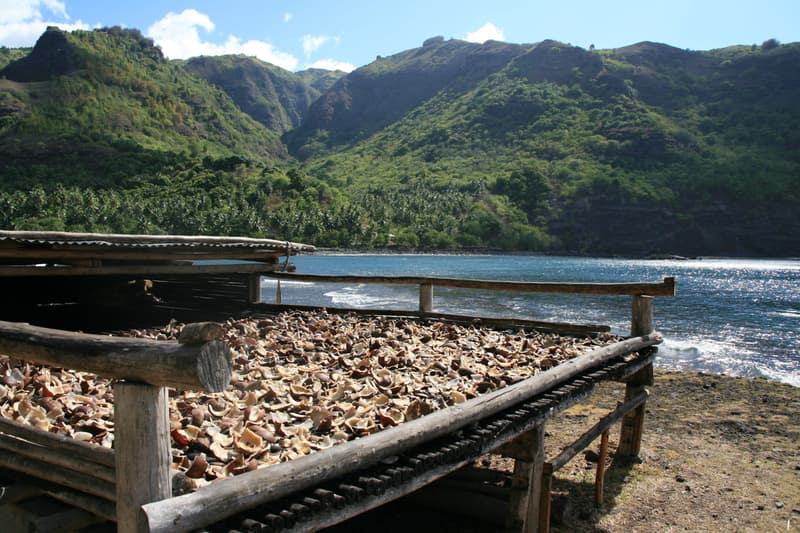
French Polynesia is not a river-cruise destination; it is the world's most beautiful lagoon-cruise destination. For the milestone traveler who fears being herded, the sweet spot is a small ship (under 400 passengers), a week or two in the Society Islands, and the option of a remote Marquesas/Tuamotu expedition. The reward is volcanic peaks, coral gardens, pearl farms, Polynesian culture, and almost no crowds outside the main ports.
Country facts
History
Settled by seafaring Austronesians roughly 2,000 years ago, French Polynesia was first contacted by Europeans in the 18th century, became a French protectorate in 1842, was annexed in 1880, and was used as a nuclear-testing site from 1966 to 1996. It now has broad autonomy under France.
The tourism image of an untouched paradise obscures a complicated colonial history, including the destruction of many marae, missionary-era cultural suppression, nuclear-testing fallout, and present-day economic dependence on France and tourism.
Culture
Mā'ohi culture—rooted in ocean navigation, oral genealogy, dance, tattooing, and a deep sense of community—blends with French civic life. The result is a courteous, family-centered, Christian-influenced Polynesian society.
Music: Himene (rich Polynesian choral singing), percussive ote'a drum-and-dance troupes, and ukulele/guitar-driven popular music.
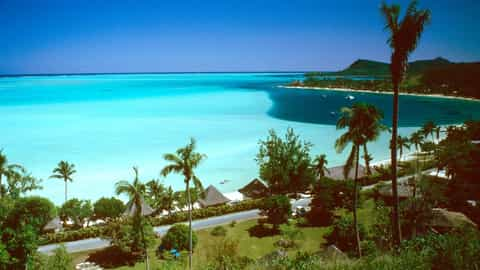
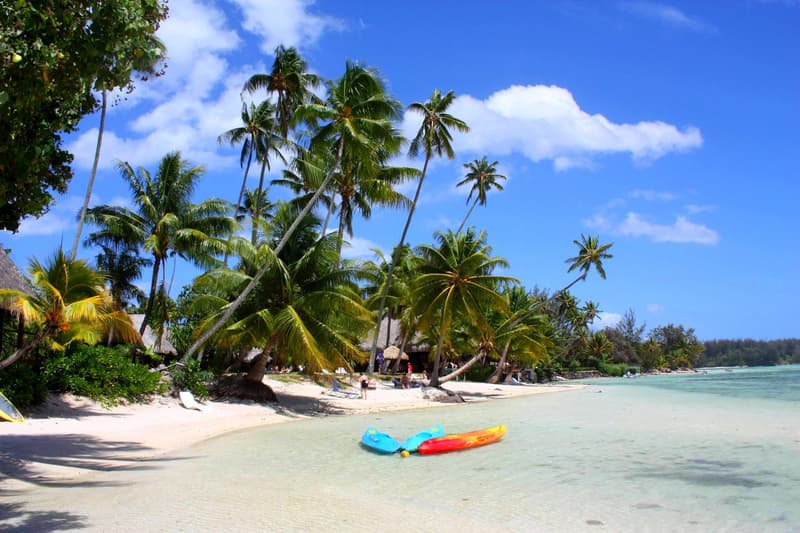
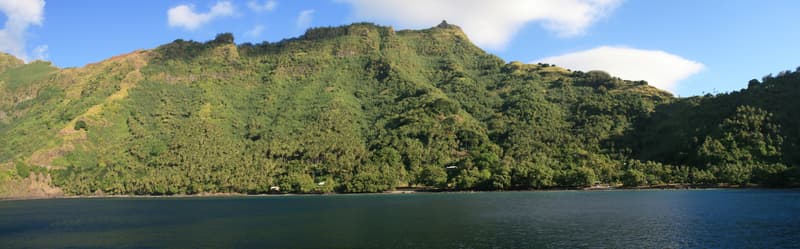
Signature landscape: Turquoise lagoons ringed by coral reefs and guarded by jagged volcanic peaks—most dramatically at Bora Bora and Moorea.
Cuisine
- Poisson cru (raw tuna cured in lime and coconut milk)
- Fafa chicken (chicken with taro leaves and coconut milk)
- Po'e (fruit pudding made with banana, papaya, or mango)
- Grilled lagoon fish, prawns, and mahi-mahi
- Breadfruit, taro, sweet potato, and tropical fruits
- Vanilla from Taha'a, used in desserts and drinks
- Roulottes (food trucks) serving Chinese-French-Polynesian plates
Architecture & heritage
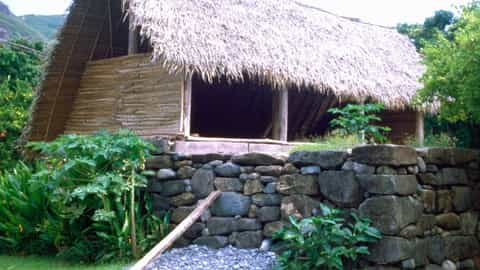
- Marae: open-air stone temples and ceremonial platforms
- Traditional fare: thatched houses built from local materials
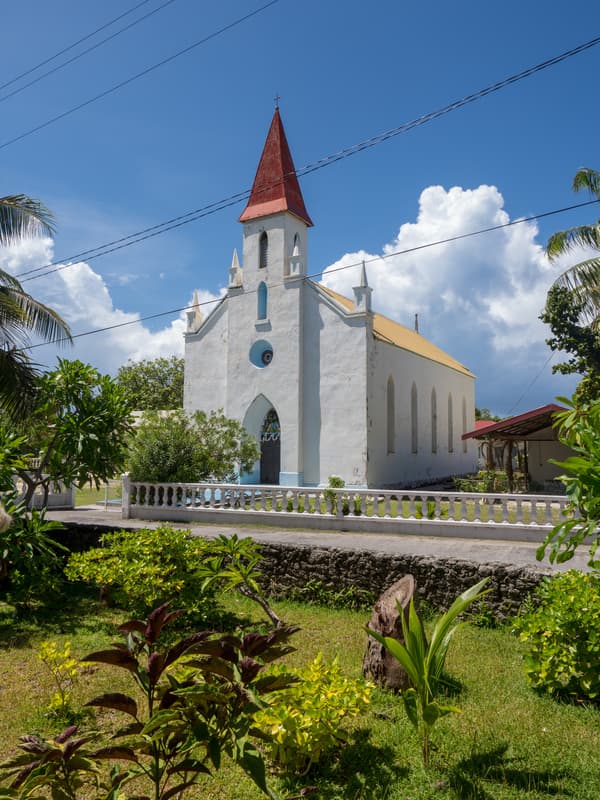
- 19th-century Catholic and Protestant churches, including Notre-Dame in Papeete and the cathedral in Taiohae
- Modern overwater bungalow resorts, a style invented in French Polynesia
Tips for American travellers
- Learn a few words of Tahitian: ia ora na (hello), māuruuru (thank you), and nana (goodbye).
- Dress modestly in villages and churches; swimwear belongs on the beach, not in town.
- Remove shoes before entering a Polynesian home or some shops.
- Ask permission before photographing people, especially during church services and cultural events.
- Sunday is sacred; many small shops close and village life slows down.
- Use reef-safe sunscreen and avoid touching corals or marine life.
Major cities & destinations
Papeete (Tahiti) Capital / homeport city
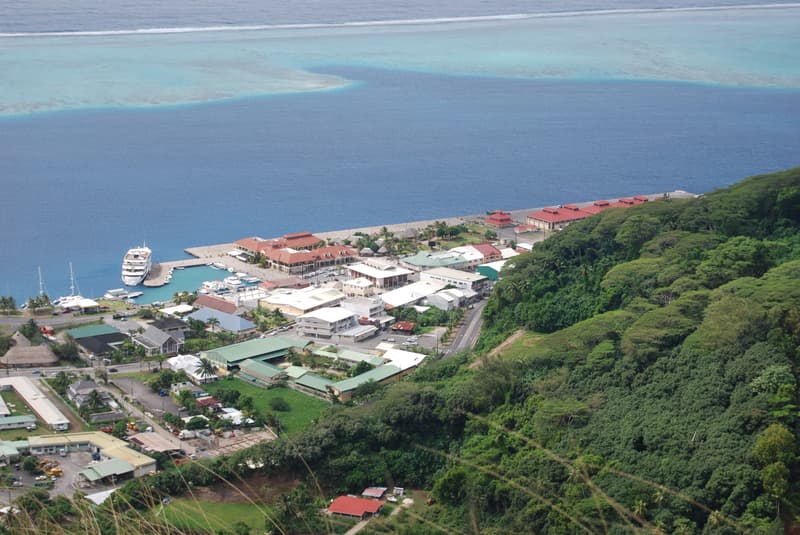
The only city-scale experience in French Polynesia: the Marché de Papeete, waterfront promenade, roulottes at sunset, and black-sand beaches just outside town.
Primary embarkation port; Faa'a airport is 20 minutes away; most itineraries begin/end here with an optional overnight.
Marché de Papeete (municipal market) Cathédrale de l'Immaculée Conception Papeete waterfront and ferry terminal Musée de Tahiti et des Îles (Te Fare Iamanaha)Moorea Island destination / tender port
Moorea's jagged peaks and twin bays—Cook's and Opunohu—make it the most immediately stunning Society island; it is also easy to explore on your own.
Ships anchor between Cook's and Opunohu Bays; tenders land at an open pier where rental cars, scooters, and tour guides wait.
Cook's Bay Opunohu Bay Belvédère lookout over both bays Pineapple farms and fruit stands Marae TitiroaBora Bora Iconic lagoon island / tender port
The single most famous image in the South Pacific: Mount Otemanu rising over an impossibly blue lagoon, with a necklace of motu and overwater bungalows.
Ships anchor in the deep lagoon and tender to Vaitape; lagoon tour boats operate from the tender pier.
Mount Otemanu Matira Point and Matira Beach Vaitape village Faanui Bay and WWII coastal gun remainsRaiatea / Uturoa Sacred island and sailing center
Raiatea is the birthplace of Polynesian culture in local tradition, with the UNESCO-listed Taputapuatea marae and the only navigable river in French Polynesia.
Uturoa is the only true cruise pier in the Leeward Islands, making it a reliable port for easy shore access.
Taputapuatea Marae (UNESCO World Heritage) Uturoa market Faaroa River Mount Temehani and the tiare apetahi flowerTahaa Vanilla island / anchorage
Tahaa is slow, fragrant, and agricultural—home to vanilla plantations, pearl farms, and private motu beaches with excellent snorkeling.
Ships anchor in the lagoon or off motu; passengers transfer by small boat to village piers or private island beaches.
Vanilla plantations Pearl farms Motu beaches and coral gardens Tahaa lagoon viewpointsHuahine Cultural island / anchorage
Less polished than Bora Bora, Huahine offers real Polynesian village life, sacred blue-eyed eels, ancient fish traps, and vanilla-scented hills.
Tenders land at Fare, Huahine's main village; local guides offer personalized island tours directly from the pier.
Sacred blue-eyed eels at Faie Ancient Polynesian fish traps at Maeva Marae of Maeva Fare village and waterfrontFakarava UNESCO biosphere atoll / expedition anchorage
For divers and wild-atoll lovers, Fakarava is a remote Eden: a UNESCO biosphere reserve with sharks, pink sand beaches, and empty lagoons.
Expedition-style anchorage inside the atoll; landings are by tender or skiff and are lightly developed.
Garuae Pass (north pass) Tetamanu village and south pass Pink-sand motu Fakarava pearl farmsRangiroa Giant atoll / diving anchor
One of the world's largest atolls, Rangiroa is known for the dolphin-filled Tiputa Pass, clear lagoon water, and long empty roads.
Ships anchor in the lagoon near Avatoru; tenders to the village, with dive shops and pearl farms a short walk away.
Tiputa Pass Avatoru village Rangiroa pearl farm Blue Lagoon area on the outer motuNuku Hiva Marquesan island / expedition port
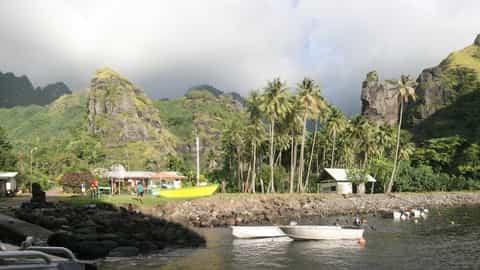
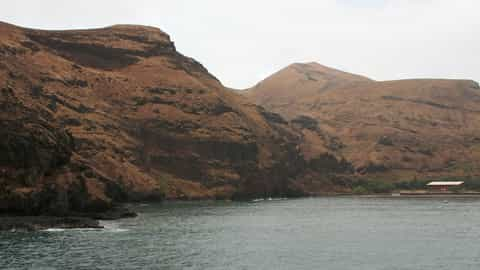
The largest of the Marquesas, Nuku Hiva is dramatic and mystical: basalt spires, deep valleys, archaeological sites, and one of the most distinct Polynesian cultures.
Ships anchor in Taiohae Bay; tenders land at the main wharf, and 4x4 or horseback tours are the best way to explore.
Taiohae Bay Toovii plateau Hakaui Valley and Vaipo Waterfall Taipivai Valley archaeological sites Notre-Dame Cathedral of TaiohaeCruise ports of call
Most cruise calls in French Polynesia are anchorages rather than industrial ports. The Society Islands form the classic circuit; the Tuamotu atolls and Marquesas are expedition territory. Ships typically spend a day at each island, often with one or two overnight stays in Bora Bora or Papeete.
- Society Islands lagoon loop
- Remote Marquesas & Tuamotu expedition
Papeete (Tahiti) Society Islands lagoon loop
The main gateway and homeport. Most cruises begin here, with ships docked within walking distance of the market and waterfront. Air Tahiti Nui and Air France connect Papeete nonstop from Los Angeles.
Best for: City culture, market food, embarkation logistics
Operators: Paul Gauguin Cruises, Windstar Cruises, Aranui Cruises, Ponant, Oceania Cruises, Regent Seven Seas Cruises, Seabourn, Silversea
Moorea Society Islands lagoon loop
A short tender ride from the anchorage to the pier near Paopao village. Rental cars and taxis gather at the pier, making Moorea one of the easiest ports for independent exploring.
Best for: Scenic drives, bays, snorkeling, DIY touring
Operators: Paul Gauguin Cruises, Windstar Cruises, Ponant, Oceania Cruises, Regent Seven Seas Cruises, Seabourn, Silversea
Bora Bora Society Islands lagoon loop
Ships anchor in the deep lagoon east of Vaitape; tenders land near the main village. The lagoon is calm but distances can be long, so a private lagoon tour is worth the cost.
Best for: Iconic lagoon scenery, boat excursions, overwater-bungalow views
Operators: Paul Gauguin Cruises, Windstar Cruises, Ponant, Oceania Cruises, Regent Seven Seas Cruises, Seabourn, Silversea
Raiatea / Uturoa Society Islands lagoon loop
Uturoa has a proper cruise pier, so no tender is needed. This is the base for visiting Taputapuatea marae and for sailing excursions to Tahaa.
Best for: Polynesian history, sailing, river kayak
Operators: Paul Gauguin Cruises, Windstar Cruises, Ponant, Oceania Cruises, Regent Seven Seas Cruises, Seabourn, Silversea
Tahaa Society Islands lagoon loop
No deep-water pier. Ships anchor off the lagoon or off a motu; transfers are by small boat. Excursions are less commercial and often feel private.
Best for: Vanilla, pearls, quiet beaches, snorkeling
Operators: Paul Gauguin Cruises, Windstar Cruises, Ponant, Oceania Cruises, Regent Seven Seas Cruises, Seabourn, Silversea
Huahine Society Islands lagoon loop
Tenders land at Fare, Huahine's largest village. Local guides are known for warm, personal storytelling; many tours combine marae, eels, and lunch in a family home.
Best for: Authentic villages, archaeology, sacred eels, vanilla
Operators: Paul Gauguin Cruises, Windstar Cruises, Ponant, Oceania Cruises, Regent Seven Seas Cruises, Seabourn, Silversea
Fakarava Remote Marquesas & Tuamotu expedition
An expedition stop inside a UNESCO biosphere reserve. There are no large-ship facilities; you land by skiff at a village wharf and explore by 4x4 or boat.
Best for: Diving, wild atolls, sharks, pink sand
Operators: Aranui Cruises, Ponant, Windstar Cruises, Paul Gauguin Cruises
Rangiroa Remote Marquesas & Tuamotu expedition
Ships anchor in the lagoon off Avatoru; tenders land near the village. Tiputa Pass is the main draw, and dive boats leave from the village jetty.
Best for: Diving, dolphins, pearl farms, long atoll drives
Operators: Aranui Cruises, Ponant, Windstar Cruises, Paul Gauguin Cruises
Nuku Hiva Remote Marquesas & Tuamotu expedition
Taiohae Bay is one of the most beautiful anchorages in the Pacific. Tenders land at the main wharf, where 4x4 vehicles and horseback guides are organized.
Best for: Marquesan culture, dramatic landscapes, waterfalls
Operators: Aranui Cruises, Ponant, Windstar Cruises
Only Papeete and Uturoa have proper cruise piers. Everywhere else is tenders or skiff landings. This is a feature for small ships, but it means less accessibility for passengers with limited mobility; check with your cruise line for tender assistance.
All cruise ports in French Polynesia
Ships visiting by type: 34 ocean 3 expedition
Showing 14 ports in French Polynesia








River cruises & routes
There are no navigable rivers for cruise ships in French Polynesia. The equivalent is sheltered-lagoon and open-ocean 'island cruising,' where the ship itself becomes the floating base and tenders take you ashore.
| Route | Length | Countries | Highlights |
|---|---|---|---|
| Tahiti – Moorea – Huahine – Raiatea – Tahaa – Bora Bora – Tahiti | 7–8 | French Polynesia | Classic Society Islands lagoon loop: Cook's Bay, Taputapuatea marae, vanilla farms, and Bora Bora's lagoon. |
| Papeete – Fakarava – Rangiroa – Nuku Hiva – Papeete | 12–14 | French Polynesia | Remote Marquesas & Tuamotu expedition: Tuamotu atoll dives, Tiputa Pass dolphins, Marquesan valleys, and wild anchorages. |
| Tahiti – Moorea – Rangiroa – Tahaa – Bora Bora – Tahiti | 10–11 | French Polynesia | Mixed Society and Tuamotu itinerary: pearl farms, coral gardens, lagoon snorkeling, and a longer ocean passage. |
Season: May–October is the most comfortable cruising season: cooler, drier, and calmer. November–April is warmer and more humid, with a higher chance of tropical squalls; cyclone risk peaks February–March. Water temperatures are pleasant year-round.
Cruise lines visiting French Polynesia
French Polynesia is served by a mix of small expedition/luxury ships and larger premium ships on world cruises. The small-ship lines dominate the Society Islands and are best for avoiding crowds.
Paul Gauguin Cruises
Year-round 7- to 14-night cruises in the Society Islands and Tuamotu atolls.
Ships: Paul Gauguin
Windstar Cruises
Seven-night Society Islands cruises and longer South Pacific expeditions; occasional Marquesas.
Ships: Wind Spirit, Star Breeze
Aranui Cruises
Regular passenger/freighter voyages from Papeete to the Marquesas and Tuamotu.
Ships: Aranui 5
Ponant
Expedition cruises throughout the Society Islands, Tuamotu, and Marquesas.
Ships: Le Lapérouse, Le Soléal, Le Bellot
Oceania Cruises
South Pacific segments of world cruises, typically calling at Papeete, Moorea, Bora Bora, and Raiatea.
Ships: Regatta, Insignia, Nautica
Regent Seven Seas Cruises
World cruises with calls at Papeete, Moorea, Bora Bora, and Raiatea.
Ships: Seven Seas Mariner, Seven Seas Voyager
Seabourn
World cruises and Grand Voyages that include Tahiti and Society Islands.
Ships: Seabourn Quest, Seabourn Sojourn
Silversea
World cruises and Grand Voyages with Papeete and Society Island calls.
Ships: Silver Muse, Silver Whisper
Small-ship lines—Paul Gauguin Cruises, Windstar, Ponant, and Aranui—are the best fit for a milestone traveler who dislikes crowds. They can use lagoon anchorages and flexible tenders, and they tend to attract experienced, curious passengers. Large premium/luxury ships are comfortable but create longer tender lines and more organized excursion logistics.
Planning & advice
You likely value comfort but not crowds. French Polynesia's small-ship cruise model delivers both: you sleep on a floating boutique hotel, wake inside a lagoon, and step ashore to villages with a few hundred residents. You can be as active or as lazy as you like, and you are never trapped in a bus parade.
For the American traveller
- Passports: Must be valid for at least six months beyond your return; US citizens do not need a visa for tourist stays up to 90 days in French Polynesia.
- No required vaccinations for entry, but the CDC recommends routine vaccines plus hepatitis A and B, typhoid, and caution for dengue/zika; use insect repellent.
- Currency: CFP franc (XPF); major resorts and tour operators accept credit cards, but small islands and market stalls are cash-only. ATMs are scarce outside Papeete and Uturoa.
- Language: French is official; English is widely used in resorts and at tour desks, but not in rural villages. Learn basic French phrases.
- Health and safety: Crime is low, but water and sun are the main risks; use reef-safe sunscreen, drink bottled water, and be careful on wet boat decks.
- Internet and cell: Coverage is limited on outer islands; buy a local Vini SIM or use ship Wi-Fi; do not rely on streaming.
- Time and pace: 'Tahitian time' is real—tours may run late, and service can be slow. Build slack into your schedule and avoid overbooking.
- Tender access: Not all cruise piers are wheelchair accessible; ask your cruise line about tender assistance if mobility is a concern.
Excursion planning
- Prefer small-group or private excursions; ships' large motorcoach tours can feel like the very herd you want to avoid.
- In Bora Bora, walk to the licensed boat desks at the tender pier and negotiate a private lagoon tour—often the best money you'll spend.
- On Moorea, rent a car or hire a taxi-guide for half a day; the island is small and signs are clear.
- Book water activities in the morning when the lagoon is calm and afternoon squalls are less likely.
- Carry cash in small XPF notes for island purchases, entrance fees, and tips (tipping is not obligatory but appreciated).
- If you snorkel or dive, bring your own mask and snorkel for fit and hygiene; fins are usually provided.
- Use a dry bag for cameras and phones on boat excursions.
- Double-check 'all aboard' time after a tender port; tender operations can slow down near departure.
The verdict
French Polynesia is not a river cruise and should not be approached as one. It is a once-in-a-lifetime ocean-and-lagoon destination best seen from a ship of 200-400 passengers. For the traveler who fears being herded, it rewards independent choices: a private lagoon boat, a rental car on Moorea, a local guide on Huahine, and the confidence to skip the optional tour and just sit on a motu.
Sources
- CIA — The World Factbook – French Polynesia (accessed 2026-09-09)
- Encyclopaedia Britannica — French Polynesia (accessed 2026-09-09)
- Tahiti Tourisme — Official destination site (accessed 2026-09-09)
- UNESCO — Taputapuātea (accessed 2026-09-09)
- U.S. Department of State — French Polynesia International Travel Information (accessed 2026-09-09)