Sisimiut Cruise Port
Sisimiut Havn (Port of Sisimiut)


Sisimiut, Greenland Port
Qeqqata UN/LOCODE GLJHS Port of call Homeport
Sisimiut Cruise Port Location
| Port Details | |
|---|---|
| Country | Greenland |
| Region | Qeqqata |
| UN/LOCODE | GLJHS |
| Contact | |
| Address | Sullorsuaq 2, Sisimiut 3911, Greenland |
| Port phone | +299 86 40 40 |
| Website | www.ral.gl |
| Geography | |
| Coordinates | 66.93946, -53.67350 |
| Accessibility | |
| Accessible | Limited |
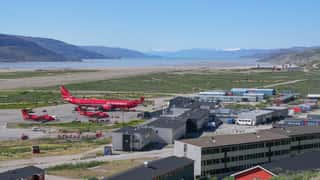
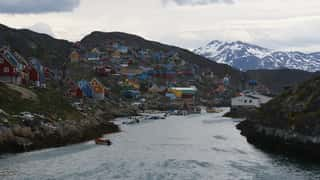
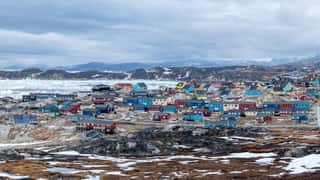
The cruise pier in Sisimiut sits roughly 1.5 km (0.9 miles) from the town center, a 20-minute walk along an industrial road that involves a significant incline. For those not in peak fitness, the grade of this route is steep enough to warrant using the ship-provided shuttle. Located in the Qeqqata region of West Greenland, this is the country's second-largest city and the northernmost point where the sea remains ice-free year-round. It serves as a vital ocean cruise port on the edge of the Davis Strait, situated roughly 130 km (80 miles) northwest of the Kangerlussuaq fjord and 320 km (200 miles) north of the capital, Nuuk. Be aware that many travelers underestimate the distances between the harbor, the museum, and the dog kennels. You can realistically explore the historic colonial district and the main street in a single morning, but adding a hike to Palasip Qaqqaa requires a full 8-hour window. This destination rewards the curious explorer who respects local customs—especially regarding working sled dogs—but it punishes the unprepared with sudden wind shifts and uneven gravel paths. It is a place of raw utility and deep-rooted Greenlandic tradition, not a manicured tourist village.
Sisimiut — Port Overview
History
Sisimiut has been a crossroads of Arctic survival for over 4,500 years. The Saqqaq culture first established settlements here around 2500 BC, followed by the Dorset and eventually the Thule people, the ancestors of modern Greenlanders. The town as it stands today was formally founded in 1756 by Count Johan Ludvig Holstein, who established it as a colonial trading post named Holsteinsborg. Its strategic position on the Davis Strait made it a hub for the whaling industry, which dominated the local economy throughout the 18th and 19th centuries. You can still see the physical remnants of this era in the Old Town, where the whalebone arch at the entrance of the museum stands as a stark reminder of the giants that once fueled the town's wealth. The 'Blue Church,' or Bethel Church, was completed in 1775 and remains the oldest intact church in Greenland. During the 20th century, Sisimiut transitioned from whaling to a modernized fishing industry, specifically focusing on shrimp and Greenland halibut. This industrial shift transformed the skyline, adding the massive processing plants you will see near the commercial pier. Today, the town balances its identity as an educational and industrial center while preserving the ancient sled dog culture that has survived every wave of colonial and economic change.
The Verdict
Sisimiut is a destination that demands respect for both its rugged environment and its ancient traditions. At this port, the people who do best are the ones who arrive with a plan, sturdy boots, and the flexibility to adapt to the Arctic wind. This guide has been fact-checked by J. Richard and the Waterways Cruise editorial team. Excursions that guarantee a return to the ship can be tailored to your mobility, interests, and pace, so missing departure is never a concern. No two travelers want the same day ashore.
Things to Do & See in Sisimiut
| Attraction | Type | Address | Phone | Hours | Website | Admission |
|---|---|---|---|---|---|---|
| Taseralik Cultural Center | Cultural Site | Sullorsuaq 10, Sisimiut, Greenland | +299 86 28 00 | Daily 10:00 - 20:00 | taseralik.gl | Free |
| Sisimiut Museum | Museum | Jørgen Krabbiip Aqqutaa, Sisimiut, Greenland | +299 86 44 44 | Daily 10:00 - 16:00 (Seasonal) | sisimiut.gl | USD 50 DKK |
Taseralik Cultural Center · Cultural Site
FreeTaseralik is the architectural centerpiece of modern Sisimiut. While the Colony Harbour looks to the past, Taseralik is firmly focused on the future of Greenlandic art, music, and film. The building itself is a masterpiece of Nordic design, positioned on a ridge overlooking the scenic Nalunnguarfik Lake. Inside, you will find rotating exhibitions featuring contemporary local painters and sculptors whose work often blends traditional Inuit themes with modern social commentary. It is best to visit the cafe even if you aren't hungry; it serves as the town’s living room. You will see local students, hunters, and professionals all sharing the same space. It is a rare opportunity to observe daily Greenlandic life in a comfortable, climate-controlled environment. The gift shop here is also superior to the pier-side stalls, offering verified authentic carvings (Tupilaks) with the necessary CITES paperwork for international travel. It is a quiet, contemplative space that offers a necessary break from the often-windy streets of the harbor district.
Sullorsuaq 10, Sisimiut, Greenland ·+299 86 28 00 ·Daily 10:00 - 20:00 ·www.taseralik.gl
Sisimiut Museum · Museum
USD 50 DKKThe Sisimiut Museum is not a single building, but a collection of historic structures dating back to the 1700s. You enter through the iconic whalebone arch, a gate constructed from the jawbones of a bowhead whale. The collection spans from the Saqqaq culture of 2500 BC to the colonial era and into the modern fishing industry. Destination partners consistently highlight the 'Gammelhuset' (Old House), which provides a visceral sense of how Danish administrators lived in the 18th century. What makes this museum special is its focus on the 'hidden' history of Greenland—how Inuit technology like the kayak and the harpoon influenced European survival. Most visitors walk past the turf house reconstruction out back; don't make that mistake. It is a meticulous recreation of a traditional winter dwelling, offering a stark contrast to the colorful timber houses nearby. The museum successfully captures the tension between survival and colonization. It is an essential stop for anyone wanting to understand why Sisimiut looks and feels the way it does today. Allow at least 90 minutes to explore the various buildings scattered across the hillside.
Jørgen Krabbiip Aqqutaa, Sisimiut, Greenland ·+299 86 44 44 ·Daily 10:00 - 16:00 (Seasonal) ·www.sisimiut.gl
Eating & Drinking in Sisimiut
Greenlandic cuisine in Sisimiut is defined by the absolute freshness of the 'wild' harvest. Unlike the agricultural south, food here is hunted or fished. Reindeer and muskox are the primary land proteins, tasting deeply of the tundra herbs they graze upon. Seafood is dominated by cold-water shrimp, Greenland halibut, and redfish. You will often see 'Suaasat' on menus—this is the traditional national soup made of seal meat (or sometimes whale or reindeer), rice, and onions. It is thick, savory, and incredibly warming. For a local treat, try 'Mattak' (whale skin and blubber), though its nutty flavor and chewy texture are an acquired taste for most Americans. One honest note: locals rarely eat in restaurants except for special occasions; the 'genuine' version of these dishes is usually found at the open-air market (Kalaaliaraq), where hunters sell directly to the public. If you buy anything there, it's for taking home to cook—do not expect a food stall experience.
| Place | Address | Phone | Hours | Website | Price range |
|---|---|---|---|---|---|
| Nasaasaaq Restaurant | Aqqusinersuaq 86, Sisimiut | +299 86 48 40 | 12:00 - 21:00 | hotelsisimiut.com | 300–500 DKK (~$45.00–$75.00 USD) |
| Sømandshjemmet (Seamen's Home) Cafeteria | Sullorsuaq 4, Sisimiut | +299 86 41 50 | 07:00 - 20:00 | soemandshjem.gl | 120–200 DKK (~$18.00–$30.00 USD) |
| Starlight Pub | Aqqusinersuaq 45, Sisimiut | 14:00 - Late | 80–120 DKK (~$12.00–$18.00 USD) |
Nasaasaaq Restaurant
300–500 DKK (~$45.00–$75.00 USD)Located within Hotel Sisimiut, this is the town's premier dining room. They specialize in 'Arctic Fusion,' taking traditional proteins like muskox and reindeer and preparing them with modern European techniques. The Muskox is tender and lean, unlike anything you'll find in the lower latitudes. The dining room is modern with large windows, providing a view of the town's granite ridges. It is the only place in town where you can get a truly high-end bottle of wine to match your meal. One limitation: service can be slow during peak tourist hours, so allow 90 minutes for lunch.
Aqqusinersuaq 86, Sisimiut ·+299 86 48 40 ·12:00 - 21:00
Sømandshjemmet (Seamen's Home) Cafeteria
120–200 DKK (~$18.00–$30.00 USD)If you want to see where the people who actually run the harbor eat, this is it. It’s a cafeteria-style setup with views directly over the commercial pier. The food is simple, hearty, and fresh. The Greenlandic shrimp are famously sweet and small, served here in generous portions. It’s not fancy, and the lighting is institutional, but the fish was likely swimming in the Davis Strait yesterday. It's the best option for a quick, reliable lunch before heading back to the ship. Honest limitation: the coffee is basic filter brew, not espresso.
Sullorsuaq 4, Sisimiut ·+299 86 41 50 ·07:00 - 20:00
Starlight Pub
80–120 DKK (~$12.00–$18.00 USD)This is the primary local watering hole. It’s dark, wood-paneled, and often smells of tobacco, but it’s where you’ll find the most authentic social scene. Order the Greenlandic Coffee—the lighting of the Grand Marnier is meant to represent the Northern Lights. It's the right place if you want a beer with locals, but skip it if you're looking for a quiet, scenic cocktail bar.
Aqqusinersuaq 45, Sisimiut ·14:00 - Late
Getting There & Around
Once you leave the industrial pier area, walking is the most effective way to navigate the compact core of Sisimiut. However, be prepared for significant elevation changes. The town is built on granite ridges overlooking the Davis Strait. For those who find hills difficult, the local 'Bus-imi' bus system circles the town every 20 minutes; a single ticket costs 20 DKK (~$3.00 USD) and must be paid in cash. Uber and traditional rideshare apps do not exist here. Taxis are reliable but few—calling them via the local dispatcher is mandatory as they rarely cruise for fares. Bike rentals are available at the Seamen's Home, but unless you are an experienced mountain biker, the gravel inclines and lack of dedicated lanes make this a challenging choice. One insider tip: the local supermarket, Brugseni, serves as the unofficial town hub. If you get lost, head there; every shuttle and bus route passes it, and it offers the most reliable landmark for navigation back to the ship.
Itineraries & Sample Walks
4-Hour Shore Excursion in Sisimiut
Sisimiut Museum
9:00 AM (90 min)
Explore the collection of historic buildings, including the 18th-century Blue Church. The museum details the transition from ancient Inuit cultures to colonial life. Do not miss the specialized exhibit on the Arctic Circle ski race.
- 15-minute walk from the commercial pier or 5-minute walk from the tender dock. (Free)
- Entry: 50 DKK (~$7.50)
- Look for the small peat house reconstruction. Most people walk past it, but it's the only place to feel the true scale of pre-colonial living quarters.
Taseralik Cultural Center
10:45 AM (60 min)
The modern cultural hub of the city. It hosts art exhibitions and offers a panoramic cafe overlooking the lake and mountains. It's the best place to see contemporary Greenlandic art.
- 10-minute walk uphill via the harbor road. (Free)
- Entry: Free (Free)
- The cafe here has the fastest wifi in town if you buy a coffee.
Lunch Recommendation
Nasaasaaq Restaurant (Hotel Sisimiut)
It offers the most refined versions of local proteins in a modern setting, avoiding the cafeteria feel of other local spots.
Order: Greenlandic Tapas (Reindeer, Muskox, Shrimp), Fresh Halibut with local herbs
Aqqusinersuaq 86, Sisimiut
Cost: 250–350 DKK (~$37.00–$52.00 USD)
8-Hour Full Day Experience in Sisimiut
Sisimiut Museum
9:00 AM (120 min)
Full exploration of the colony district.
- Walk from pier (Free)
- Entry: 50 DKK (~$7.50)
- Ask for the English guidebook at the desk; many signs are only in Greenlandic and Danish.
Kalaaliaraq (The Local Market)
11:30 AM (30 min)
Witness the daily catch. Depending on the season, you'll see seals, reindeer, and various fish being prepared.
- 5-minute walk uphill (Free)
- Entry: Free (Free)
- Photography is generally welcomed, but always nod and point at your camera to ask permission first.
Sled Dog Kennels
1:30 PM (60 min)
Observe the 1,000+ dogs that make up the winter transport system. Understand the hierarchy of the pack.
- 15-minute walk or 5-minute taxi (50 DKK (~$7.50 USD))
- Entry: Free (viewing only) (Free)
- Do NOT touch the dogs or cross the chain lines. These are semi-wild working animals, not pets.
Getting back to the ship
The latest safe departure time from the Sisimiut town center to guarantee your return before all-aboard is 45 minutes prior to the scheduled time. This allows for a 20-minute walk or a 10-minute taxi ride, plus a 15-minute buffer for potential tender queues or shuttle delays. A taxi back to the pier costs approximately 50 DKK (~$7.50 USD). If you are running late, contact the ship's port agent (number provided on your daily program). The ship will rarely hold for independent passengers due to the strict tidal windows required for navigating the Davis Strait. If you miss the ship, you face an expensive and complex journey via Air Greenland to the next port (likely Nuuk or Ilulissat), which may involve overnight stays in limited local hotels.
Weather & Best Time to Visit Sisimiut
Weather & What to Pack
Cruise season: Late June to mid-September
5°C to 12°C (41°F–54°F). Frequent fog in early summer, clearing to dry, windy days in August. Humidity is low.
What to wear: Layers are non-negotiable. Start with a moisture-wicking base, add a wool mid-layer, and finish with a windproof shell. The wind off the Davis Strait can drop the perceived temperature by 10 degrees in minutes. Sturdy, waterproof hiking boots are essential for the gravel and mud. Even if it looks sunny, bring a light hat and gloves; the Arctic air has a sharp bite when you stand still for photos.
Weather risks: Sea fog often delays tender operations in July. Sudden 'Piteraq' style winds can occur, though rare this far north, making walking difficult.
August provides the most stable walking conditions as the ground has finally dried from the spring melt.
| Season | Conditions | Hazards | Affected areas | Visitor advice |
|---|---|---|---|---|
| Summer (June–August) | Cool and bright with 24-hour daylight. Temperatures range from 5°C to 15°C (41°F–59°F). Winds are frequent. | Loose gravel on the steep inclines of Aqqusinersuaq can lead to slips. High UV levels on the water cause rapid sunburn despite the cold. | The hiking trails to Palasip Qaqqaa and the gravel paths near the sled dog fields. | Wear sturdy boots with ankle support. Do not rely on light sneakers if you plan to leave the paved main road. |
| Shoulder (September) | Crisp air, shortening days, and the first dusting of snow. Temperatures drop toward 0°C (32°F). | Morning frost on the wooden walkways of the Museum district makes them incredibly slick. | The museum entrance steps and the boardwalks around the Colony Harbour. | Use a walking stick and arrive after 11:00 AM once the sun has cleared the frost from the timber surfaces. |
Practical Information
Cultural etiquette
Greenlandic culture is reserved and quiet. When greeting, a simple nod and a soft 'Aluu' (Hello) is preferred over a loud greeting or a handshake. In restaurants, you generally wait to be seated, and splitting dishes is not common—it's seen as a bit odd. Photography is the biggest friction point; while the colorful houses are beautiful, remember they are private homes. Always ask 'Can I?' with a gesture before photographing a person or their children. Sled dogs are the most important cultural boundary: they are working animals, not pets. Never approach or try to pet a dog, and never feed them. It is both a safety risk and an insult to the owner’s training. Tipping is not expected and can sometimes cause confusion; a 5–10% tip is only appropriate for exceptional service in high-end hotels. A common mistake is assuming everyone speaks English; while the youth do, many elders speak only Greenlandic or Danish. A quiet, patient approach will always earn you more goodwill than an assertive one.
Mistakes to Avoid
| Mistake |
|---|
Touching or approaching the sled dogs at the kennels. |
Walking from the pier to the town center if you have knee or hip issues. |
Missing the museum's peat house reconstruction. |
Thinking the local market (Kalaaliaraq) is a food court. |
Practical tips
Cards are the primary way to pay; you can use a Visa or Mastercard for even the smallest purchase at the supermarket or museum. However, the outdoor fish market (Kalaaliaraq) remains cash-only (DKK). Tipping is not the norm, but rounding up the bill at a restaurant is appreciated. To earn goodwill, learn 'Qujanaq' (Thank you, pronounced Koo-ya-nak) and 'Inuulluarit' (Goodbye). Be aware of the 'Sisimiut Mosquito' in July—they are persistent; buy a head net if you plan to hike. Scams are virtually non-existent, but pickpockets can occasionally operate near the tender pier when multiple ships are in. The dress code for churches is respectful but casual; just remove your hat. The best time to visit the museum is the first hour it opens; the light is spectacular for the yellow buildings, and the air is still. Always carry a physical map or download an offline version; cell service is spotty once you move behind the granite ridges.
Cruise Lines Visiting Sisimiut
Port of Call










Why Book With Waterways Cruise?
Four decades of expertise, one dedicated advisor, and every detail handled, from your front door to the gangway and back.
Personal Service — Your Own Cruise Concierge
Tailor-Made — 100% Custom-Built
Expertise — 40+ Years in Travel
Price Watch — Book With Total Confidence
Signature Sailings
Nearby Ports


FAQ — Sisimiut
Are the sled dogs dangerous to visitors?
While Greenlandic sled dogs are not inherently aggressive, they are not socialized as pets. They are working animals with a strong pack instinct. You will find that the most common injuries occur when visitors cross the chain lines or attempt to pet the dogs. If a dog is on a chain, it is in its 'home' territory and may protect it. Always maintain a 3-meter (10-foot) distance. If you are walking near the dog fields, keep your hands in your pockets and move steadily. Do not run, as this can trigger a chase instinct. For a safe experience, book a guided 'dog talk', where a musher explains the dogs' roles without physical contact.
What kind of shoes do I really need for Sisimiut?
Do not rely on standard walking sneakers or sandals. Sisimiut is built on granite and gravel. Even the paved roads are often covered in a fine layer of grit that makes them slippery on the steep inclines. The grade is 15% on the main road from the pier. You need sturdy hiking boots with aggressive tread and ankle support. This is especially true if you plan to visit the museum district or the dog fields, where the ground is uneven and can be muddy after rain. Waterways Cruise clients who wore light footwear frequently reported slips and sore arches. If you plan to stay entirely on the ship's shuttle and only visit the Cultural Center, comfortable flats are acceptable, but for anything else, the terrain demands real boots.
Can I use my mobile phone for data in Sisimiut?
Mobile data in Greenland is exceptionally expensive and is often not included in 'International' or 'Global' plans from US carriers like AT&T or Verizon. Expect to pay significant roaming fees per megabyte. While the town center has 4G coverage, the bandwidth is limited and can become saturated when a cruise ship with 2,000 passengers arrives. Most local cafes do not offer free wifi. The Taseralik Cultural Center is your best bet for a paid hotspot. It is a good idea to download offline maps of Sisimiut before you leave the ship's wifi. For the most reliable experience, consider purchasing a local 'Tele-Post' SIM card at the post office if you are in port for a full 8-hour window, though this is overkill for most visitors.
Is the water in Sisimiut safe to drink from the tap?
Yes, the tap water in Sisimiut is some of the cleanest and most delicious in the world. It comes from the melted ice and snow of the surrounding mountains and is treated to the highest standards. There is no need to buy bottled water, which is expensive and creates plastic waste that is difficult for a remote Arctic community to process. Visitors should bring a reusable water bottle from the ship and refill it at the Hotel Sisimiut or the Cultural Center. You will notice the water is incredibly cold and has a crisp, neutral taste. In fact, many locals consider bottled water an unnecessary import. Save your money and help the local environment by drinking from the tap.
What is the best thing to buy as a souvenir?
The most authentic and high-value souvenir is anything made of qiviut, the muskox wool. It is unique to the Arctic and incredibly rare. If your budget is tighter, look for 'Tupilaks'—small carvings of spirit creatures. However, you must ensure they are carved from reindeer antler or bone, not whalebone or ivory, as the latter requires complex CITES permits to bring back to the United States. Many vendors at the pier sell small soapstone carvings which are affordable and beautiful. For a practical gift, look for Greenlandic herbal tea or crowberry jam at the Brugseni supermarket. Always ask for a 'Certificate of Authenticity' for any expensive carving to ensure it was made by a local Greenlandic artist.
How do I get to the 'Blue Church' and is it open?
The 'Blue Church' (Bethel Church) is located in the heart of the Museum district in the Colony Harbour. It is roughly a 15-minute walk from the commercial pier. It is typically open to the public from 10:00 AM to 4:00 PM during the summer cruise season, provided there is no service or funeral occurring. There is no entry fee specifically for the church, but it is considered part of the museum experience, so a donation or museum ticket is appreciated. It is the oldest church in Greenland, dating to 1775. Inside, you will see traditional Greenlandic motifs and a very simple, serene interior. Please remember to remove your hat upon entry and refrain from photography if locals are using the space for prayer.
Are there mosquitoes in Sisimiut during the summer?
Yes, especially in July and early August. While the sea breeze at the pier usually keeps them at bay, if you walk inland toward the lake or the dog fields, they can be quite thick. Greenlandic mosquitoes are not dangerous, but they are persistent. Visitors should wear long sleeves and use a repellent with DEET. If you are particularly sensitive, you can buy head nets at the local hardware store or the supermarket. By late August, the first frosts usually kill off the insects, making it a much more comfortable time for hiking. Be aware that the insects are worst on calm, sunny days with no wind.
How much should I tip the taxi drivers in Sisimiut?
Tipping is not a standard practice in Greenlandic culture. For a short taxi ride within Sisimiut, which usually costs around 50 DKK (~$7.50 USD), most locals simply round up to the nearest 10 DKK or pay the exact amount shown on the meter. Taxi drivers do not expect a 15-20% tip as they would in the United States. However, if the driver helps you with heavy bags or provides exceptional local information, a small tip of 10-20 DKK is a kind gesture and will be accepted with a 'Qujanaq.' Most taxis now accept credit cards, so you can add a small amount to the total if you wish, though the cash option is often preferred for small tips.
Is it possible to see the Northern Lights during a cruise stop?
If your cruise stop is in June, July, or early August, it is impossible to see the Northern Lights because of the Midnight Sun. Sisimiut experiences near-constant daylight during these months; the sun barely dips below the horizon, and the sky never gets dark enough for the aurora to be visible. You would need to visit in late September or October to have a chance of seeing them. For summer cruise passengers, the 'light show' is the incredible golden hour that lasts for several hours around midnight, casting a deep orange glow over the Davis Strait and the colorful houses of the town. It is equally spectacular, just different from the aurora.
Where is the best place to find 'real' Greenlandic food?
The most refined local food is found at the Nasaasaaq Restaurant in Hotel Sisimiut. They offer a 'Greenlandic Plate' that includes small tastes of shrimp, muskox, reindeer, and local fish. For a more casual and affordable experience, the Seamen’s Home (Sømandshjemmet) serves fresh fish caught by the local fleet. If you want to see the ingredients in their rawest form, visit the Kalaaliaraq market at midday, where you will see hunters selling fresh seal and whale meat. Note that 'authentic' Greenlandic food is very high in protein and fat—essential for Arctic survival. Dining options curated by experts can help ensure a guaranteed back-to-ship culinary experience.
Fact-checked and co-written by J. Richard, Founder, Waterways Cruise, with the Waterways Cruise Content Team.
Published May 19, 2026 · Last updated October 8, 2026
This guide is researched and reviewed by our editorial team, but prices, hours, and availability change often. Confirm current details directly with venues, excursion operators, and your cruise line before you travel.