Guatemala Cruise Ports & Cruise Guide
Total 2
This page is an overview of the 2 cruise ports in Guatemala, covering ocean cruises. Cruises start and end at Puerto Quetzal, Santo Tomás de Castilla. 32 cruise ships visit Guatemala across 2 ports. See live sailings and availability on the Guatemala cruises page.

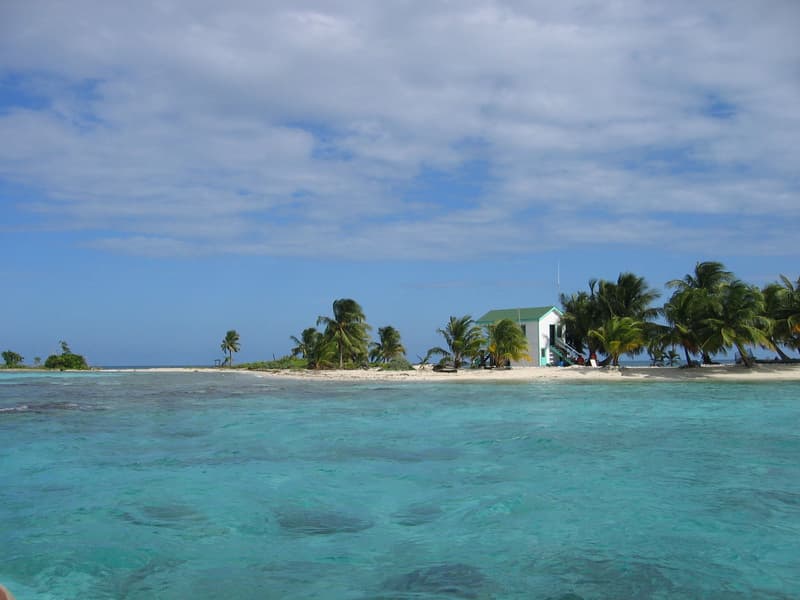
Guatemala is a country of dramatic contrasts: misty Maya highlands, colonial cities, volcanic lakes, Caribbean jungles, and the ruins of the Classic Maya world. For the mature American traveler it offers a culturally immersive, small-group-friendly destination that is more adventurous and less polished than Mexico or Costa Rica. Cruise access is primarily through the Pacific port of Puerto Quetzal and the Caribbean port of Santo Tomás de Castilla, while Lake Atitlán and the Río Dulce are explored by launch or small expedition vessel. This package is designed to help travelers experience Guatemala with depth, dignity, and a sense of discovery—never as part of a herd.
Country facts
History
Guatemala was the heart of the Classic Maya civilization, whose great city-states rose in the Petén lowlands. After the Spanish conquest in the 16th century, the country became a colonial captaincy-general, then part of the Mexican Empire, and later an independent republic. The 20th century brought a long civil war (1960–1996) rooted in land inequality and Cold War politics. Today Guatemala is a young, culturally diverse nation working to reconcile its Maya heritage with the demands of modernity.
Tourism marketing often skips the legacy of civil war, dictatorship, and ongoing inequality. Visitors should engage with that nuance, support locally owned cooperatives and guides, and avoid romanticizing poverty. The Maya world is not a theme park; it is a living culture.
Culture
Guatemalan identity is a layered blend of indigenous Maya tradition, Spanish colonial heritage, and Afro-Caribbean Garífuna culture. The highlands are the heart of contemporary Maya life, where languages, textiles, and spiritual practices remain strong.
Music: The marimba is the national instrument and appears at festivals and family celebrations. Highland Maya communities also preserve ceremonial music using drums, flutes, and chirimías; on the Caribbean coast, Garífuna punta rhythms drive the dance scene.
Signature landscape: Lake Atitlán, formed by a volcanic caldera and ringed by three volcanoes, is often called one of the most beautiful lakes in the world.
Cuisine
- Kak'ik (spicy turkey soup with Mayan herbs)
- Pepián (thick meat stew with roasted seeds and chiles)
- Tamales colorados (red corn tamales with pork or chicken)
- Atol de elote (sweet corn drink)
- Chiles rellenos (stuffed poblano peppers)
- Guatemalan coffee from Antigua, Atitlán, and Huehuetenango
- Ron Zacapa (aged rum)
Architecture & heritage
- Baroque colonial ruins of Antigua Guatemala
- Maya acropolises of Tikal and Yaxhá
- Fort San Felipe at the entrance to Río Dulce
- Traditional Maya weaving communities and market towns of the highlands
- Garífuna settlement of Livingston
Tips for American travellers
- Do not rely on credit cards outside cities; carry small quetzal bills and use a money belt.
- Use only licensed taxis, hotel shuttles, or app-based rides (Uber/Cuidad) in Guatemala City and Antigua.
- Ask permission before photographing Maya women and children; buy textiles directly from weavers when possible.
- Drink bottled or filtered water and avoid tap water, including in ice cubes unless prepared with purified water.
- Altitude affects some travelers in Antigua (1,500 m) and Lake Atitlán (1,560 m); pace yourself on arrival.
- Be cautious after dark and avoid empty streets; group excursions and vetted guides are the safest choice.
- Pack layers: cool highland evenings, strong tropical sun, and rain May–October.
Major cities & destinations
Guatemala City Capital and main international gateway
The country's political, economic, and cultural center, with world-class museums and a dramatic modern history. Most visitors pass through on their way to Antigua or the Maya highlands.
Main air gateway for cruise passengers doing pre- or post-cruise land extensions. Some cruise tours from Puerto Quetzal include a city stop for museums and lunch before returning to the ship.
Museo Nacional de Arqueología y Etnología (MUNAE) Palacio Nacional de la Cultura Catedral Metropolitana Mercado Central Popol Vuh Museum (Museo Popol Vuh)Antigua Guatemala Colonial heritage city and UNESCO World Heritage Site
Antigua is Guatemala's most beloved city—cobblestone streets, pastel facades, ruined churches, and volcano views. It is safe, walkable, and filled with boutique hotels and excellent restaurants.
The most popular excursion from Puerto Quetzal; a day trip is possible but rushed. Many milestone travelers prefer a two-night land stay before or after a Panama Canal cruise.
Parque Central Catedral de Santiago (ruins) Arco de Santa Catalina Iglesia y Convento de La Merced Cerro de la Cruz viewpointLake Atitlán (Panajachel, Santiago Atitlán, San Juan La Laguna) Highland lake and Maya lake towns
A volcanic caldera lake surrounded by dramatic volcanoes and Maya villages. Each town has its own weaving traditions, spiritual practices, and personality.
Not reachable by ocean cruise ship; travelers reach it by land from Guatemala City or Antigua, then use public launches or private boats to hop between lakeside villages. This is the closest Guatemala comes to a lake cruise experience.
Lake Atitlán Volcán Atitlán Santiago Atitlán church and Maximón shrine San Juan La Laguna textile and art cooperatives Panajachel marketFlores & Tikal Maya archaeological zone and island town
Tikal is one of the most awe-inspiring Maya sites in the world, with temples rising above the rainforest canopy. Flores, a small island on Lake Petén Itzá, is the charming base for exploring the park.
Most cruise lines offer Tikal as a pre- or post-cruise extension, since the round trip from Caribbean ports is too long for a single shore excursion. A flight from Guatemala City to Flores is the fastest access.
Tikal National Park (UNESCO) Temple I (Templo del Gran Jaguar) Temple IV and the Great Plaza Mundo Perdido complex Flores island townRío Dulce & Livingston Caribbean river gorge and Garífuna town
The Río Dulce flows from Lake Izabal through a steep limestone canyon to the Caribbean. Livingston is a laid-back Garífuna community accessible only by boat, with Caribbean food, drumming, and a distinct cultural heritage.
Small ships and expedition vessels may anchor off Livingston; local lanchas connect to the river and Fort San Felipe. Larger cruise ships dock at nearby Santo Tomás de Castilla and offer Rio Dulce boat excursions.
Río Dulce gorge Castillo de San Felipe (Fort San Felipe) Lake Izabal Livingston town Siete Altares waterfalls (near Livingston)Cruise ports of call
Guatemala's cruise traffic is split between the Pacific port of Puerto Quetzal and the Caribbean ports of Santo Tomás de Castilla and Livingston. These are transit ports, not turnarounds. Lake Atitlán and the Río Dulce are explored by local launches and small expedition boats rather than ocean cruise ships.
- Pacific Panama Canal repositioning: calls at Puerto Quetzal, typically combined with Costa Rica, Mexico, or Panama, and oriented toward Antigua and the highlands.
- Caribbean western Caribbean loops: calls at Santo Tomás de Castilla or Livingston, combining Belize, Honduras, and Mexico, with excursions to Río Dulce and Garífuna culture.
Puerto Quetzal Pacific Panama Canal repositioning
The main Pacific cruise gateway for Guatemala, located near the town of Iztapa, about a 90-minute drive from Antigua. The port is industrial; the value is in the surrounding highland scenery and colonial towns.
Best for: Antigua, coffee country, Volcán Pacaya, and a taste of the Guatemalan highlands
Operators: Celebrity Cruises, Princess Cruises, Holland America Line, Norwegian Cruise Line
Santo Tomás de Castilla Caribbean western Caribbean loops
A commercial port near Puerto Barrios on the Caribbean coast. It is the most common Caribbean port call for large ships and the easiest access point for Río Dulce and Livingston excursions.
Best for: Río Dulce, Livingston, Garífuna culture, and the Maya site of Quiriguá
Operators: Royal Caribbean International, Carnival Cruise Line, Norwegian Cruise Line
Livingston Caribbean western Caribbean loops
A colorful, car-free Garífuna town at the mouth of the Río Dulce, reachable only by boat. Small expedition ships sometimes anchor offshore and use local launches to bring passengers ashore.
Best for: Garífuna culture, Caribbean food, and Río Dulce boat trips
Operators: Lindblad Expeditions, UnCruise Adventures, Local lancha cooperatives
Panajachel (Lake Atitlán) Lake Atitlán loop (land-based / lake cruise)
The main tourist town on Lake Atitlán and the hub for public launches that connect lakeside villages. No ocean cruise ship visits here; travelers arrive by road and continue by boat.
Best for: Lake Atitlán villages, Maya culture, volcano scenery, and textile shopping
Operators: Local lancha cooperatives
Puerto Quetzal and Santo Tomás de Castilla are working commercial ports with limited tourist infrastructure. For a more intimate and less industrial experience, choose small-ship expedition routes that use Livingston, or plan a land-based lake itinerary on Lake Atitlán.
All cruise ports in Guatemala
Ships visiting by type: 32 ocean


River cruises & routes
Guatemala does not have a developed European-style river cruise sector. What exists is lake and river navigation on Lake Atitlán and the Río Dulce–Lake Izabal system, usually aboard small local launches or chartered boats. Ocean cruise lines use Puerto Quetzal and Santo Tomás de Castilla as gateways for shore excursions, while expedition operators may include the Caribbean coast and Río Dulce on broader Central America itineraries.
| Route | Length | Countries | Highlights |
|---|---|---|---|
| Lake Atitlán & Maya Highlands | 4–5 days | Guatemala | Antigua, Panajachel, Santiago Atitlán, San Juan La Laguna, optional hike Volcán Pacaya |
| Río Dulce & Caribbean Garífuna Coast | 2–3 days | Guatemala (and optional Belize) | Livingston, Río Dulce canyon, Fort San Felipe, Siete Altares, Lake Izabal |
| Belize–Guatemala Maya Frontier | 6–8 days | Belize and Guatemala | Belize Barrier Reef, Rio Dulce, Tikal, Flores, Maya ruins |
Season: November–April is the driest and most popular season, especially for the highlands and Tikal. May–October is greener and wetter, with fewer crowds; the Caribbean coast is hot and humid year-round. Pacific port calls are most frequent during Panama Canal repositioning seasons in October–November and March–April.
Cruise lines visiting Guatemala
Several ocean cruise lines include Guatemalan ports on Panama Canal and western Caribbean itineraries, but calls are intermittent rather than year-round. Expedition lines and local boat cooperatives offer more intimate access to the country's lakes and Caribbean rivers.
Celebrity Cruises
Panama Canal transits and Central America sailings with Puerto Quetzal calls
Princess Cruises
Panama Canal and Central America itineraries with Puerto Quetzal
Holland America Line
Panama Canal and Central America itineraries with Puerto Quetzal
Norwegian Cruise Line
Western Caribbean itineraries with Puerto Quetzal and/or Santo Tomás de Castilla
Royal Caribbean International
Western Caribbean itineraries with Santo Tomás de Castilla
Carnival Cruise Line
Western Caribbean itineraries with Santo Tomás de Castilla
Lindblad Expeditions
Central America expedition voyages that may include Livingston and the Río Dulce on select departures
UnCruise Adventures
Small-ship expedition voyages in Central America with possible Livingston/Río Dulce calls
Local lancha cooperatives
Lake Atitlán and Río Dulce; not ocean cruise ships but essential for lake and river excursions
Ships: Public launches and private charters
Port calls are not guaranteed every season; always confirm itineraries with the cruise line. For a less crowded, more meaningful experience, consider combining a land itinerary with local boat operators rather than relying solely on large-ship shore excursions.
Planning & advice
Guatemala rewards travelers who want depth over polish: ancient Maya sites, living indigenous culture, volcanic landscapes, and a pace that feels adventurous but not punishing. Small-group and private tours let you avoid being herded, and shoulder seasons offer solitude. It is not a lazy beach vacation, but for a milestone trip it delivers stories you will retell for decades.
For the American traveller
- Passport must be valid for at least six months beyond arrival; U.S. citizens do not need a visa for tourist stays up to 90 days.
- The U.S. State Department has a Level 3 advisory for Guatemala due to crime; avoid high-risk areas, do not walk alone at night, and use hotel-recommended drivers.
- The U.S. dollar is accepted in some tourist areas, but change is usually given in quetzales; carry small bills and avoid flashing cash.
- Altitude sickness can affect visitors in Antigua and Lake Atitlán; hydrate, avoid alcohol the first day, and use sunscreen at elevation.
- Accessibility is limited: cobblestones, uneven trails, and steep boat steps are common. Travelers with mobility concerns should book private guides and accessible transport.
- Tap water is not safe to drink; use bottled or filtered water, including for brushing teeth.
- Cell coverage is reliable in cities but spotty in mountains and jungle; download offline maps and inform your bank of travel plans.
Excursion planning
- For ocean cruise calls, book through the cruise line to avoid missing the ship, or use a vetted local operator with a clear return guarantee.
- Allow at least 90 minutes each way from Puerto Quetzal to Antigua; day trips are rewarding but feel short.
- Tikal is too far from Caribbean ports for a comfortable one-day excursion; plan a pre- or post-cruise land extension.
- On Lake Atitlán, public launches are cheap and authentic; private charters cost more but save time and reduce crowds.
- Check port schedules carefully; many calls last only 7–10 hours, and tender operations can eat into shore time.
- Book Tikal sunrise tours early; visitor numbers are limited and the experience is unforgettable.
The verdict
Guatemala is a rich, challenging, and rewarding destination for the curious 55-to-75 traveler. The logistics require planning, safety needs common sense, but the payoff—Tikal at dawn, the volcanoes around Lake Atitlán, the textiles of San Juan—is enormous. Choose small-ship or lake-boat itineraries and private guides to keep the experience intimate and flexible.
Sources
- CIA World Factbook — Guatemala - The World Factbook (accessed 2026-09-09)
- Encyclopaedia Britannica — Guatemala (accessed 2026-09-09)
- UNESCO World Heritage Centre — Antigua Guatemala (accessed 2026-09-09)
- UNESCO World Heritage Centre — Tikal National Park (accessed 2026-09-09)
- Instituto Guatemalteco de Turismo (INGUAT) — Visit Guatemala (accessed 2026-09-09)
- U.S. Department of State — Guatemala International Travel Information (accessed 2026-09-09)