Guernsey Cruise Ports & Cruise Guide
Total 3
This page is an overview of the 3 cruise ports in Guernsey, covering ocean cruises. 3 cruise ships visit Guernsey across 3 ports. See live sailings and availability on the Guernsey cruises page.

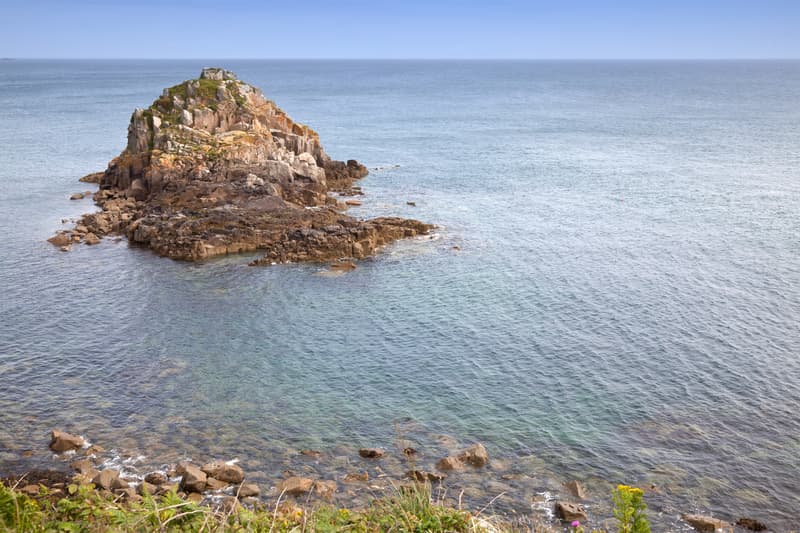
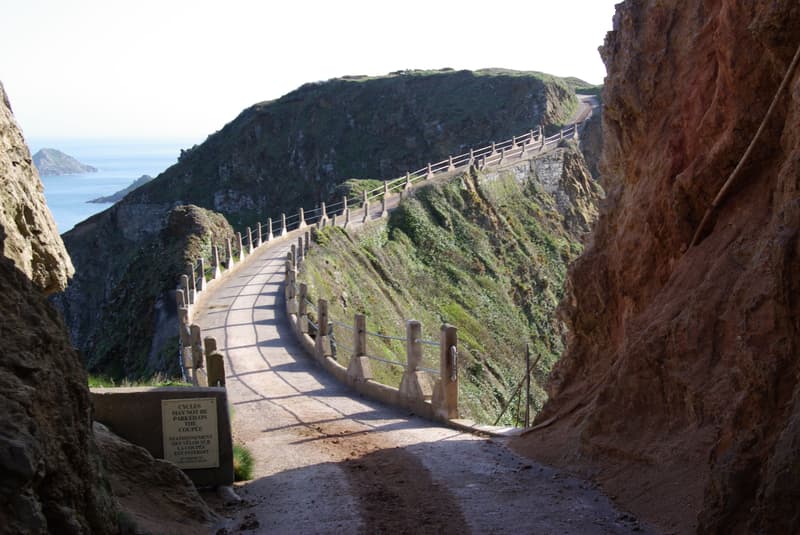
Guernsey is a compact, hilly Channel Island with a working harbour town, dramatic cliff walks, and a layered history from Neolithic monuments to German WWII bunkers. It is a tender port for many British Isles cruises and a rewarding slow-travel destination for Americans who want history, scenery, and good food without crowds.
Country facts
History
Human settlement goes back thousands of years. The island's strategic position made it a fortified frontier between England and France, culminating in the German occupation of 1940-45. Since then, finance and tourism have shaped the modern Bailiwick.
The occupation is the most documented recent chapter, but Guernsey is not a museum. Its modern economy—finance, professional services, and tourism—means that behind the pretty harbour there is real wealth and some social tension. Visitors should respect private property and wartime sites.
Culture
A self-reliant island identity rooted in seafaring, market gardening, and an independent relationship with both the UK and France. Locals are proud of their parish structure, the Guernsey cow, and the Guernsey lily.
Music: Traditional folk music, parish fêtes, and the island anthem 'Sarnia Cherie' are the best-known musical markers; there is no major commercial music scene, but local festivals and church concerts thrive in summer.
Signature landscape: The south-coast cliffs at Pleinmont and the west-coast tidal island of Lihou, where the sea reveals a causeway at low tide.
Cuisine
- Guernsey gache (spiced fruit loaf)
- Bean jar (slow-cooked pork and bean stew)
- Seafood: crab, lobster, ormers (abalone) and line-caught fish
- Guernsey cream and ice cream
- Alderney cows' milk products
Architecture & heritage
- Castle Cornet
- Hauteville House (Victor Hugo's former home)
- The Little Chapel
- German occupation bunkers and fortifications
- St Peter Port's cobbled lanes and old harbour
- Alderney's Victorian forts and breakwater
Tips for American travellers
- Bring a valid US passport; no visa is needed for short tourist stays, but entry rules can change
- Drive on the left if you rent a car; the island is narrow with high hedges, so consider a small car or a bike
- Pack layers and a rain shell; weather can change quickly
- Cards are widely accepted, but carry some British pounds for small shops and markets
- The island is hilly; comfortable walking shoes are essential
Major cities & destinations
St Peter Port Capital town and cruise port
The island's main town is a steep, handsome harbour town with a high street, independent shops, Castle Cornet and the French/Hugo connection. Everything is walkable from the tender pier.
Primary cruise call for the Bailiwick; ships anchor in the Roads and tender to the harbour. The town is compact enough for an independent walking tour.
Castle Cornet Hauteville House (Victor Hugo's home) St Peter Port harbour and Albert Pier Town Church of St Peter Port Guernsey Museum at Candie GardensSt Sampson Town and harbour
The island's second harbour area shows a working side of Guernsey: marinas, ship repair, and modern retail. It is less touristy than St Peter Port and gives a sense of daily life.
Not a standard cruise call; normally reached by bus or taxi from St Peter Port.
St Sampson's Church The Bridge area Marina and shipyards Guernsey Aquarium (nearby)St Martin's Parish and village
The heart of the leafy south-eastern parishes, with the famous Little Chapel, historic manor houses, and lanes leading to quiet coves.
Reached by a short taxi or bus ride from St Peter Port; often combined with a cliff walk.
The Little Chapel Sausmarez Manor and subtropical gardens Saint Martin's parish church Petit Port and Moulin Huet baysAlderney Island and small-ship port
Alderney is the northernmost Channel Island, with a slower pace, beaches, and the only working railway in the Channel Islands. It is a destination for nature and history lovers.
Occasional call for small-ship and expedition cruises; otherwise reached by ferry or flight from Guernsey.
Braye Harbour and breakwater Alderney Lighthouse Fort Clonque Alderney Railway Longis Bay and NunnerySark Car-free island
Sark is a small, car-free feudal island with dramatic cliffs, quiet lanes, and dark-sky status. It is the most unspoiled and remote-feeling part of the Bailiwick.
Not a deep-water cruise port; passengers may visit via tender on calm days, or more often as a day excursion by local boat from Guernsey.
La Coupée causeway La Seigneurie gardens Sark cliffs and caves Dixcart Bay St Peter's ChurchHerm Car-free island
Herm is a tiny island east of Guernsey with white-sand beaches, especially Shell Beach. It is an easy half-day or full-day escape.
Reached by ferry from St Peter Port; not a cruise ship port. A popular add-on for active cruisers.
Shell Beach Belvoir Bay Herm Castle (Cliff Castle) St Tugual's Church Manor and gardensCruise ports of call
St Peter Port is the Bailiwick's main cruise hub. Ships typically anchor off the harbour and use tenders because of tidal range and limited berths. Smaller ships may come alongside at the White Rock or St Julian's Pier, and expedition/small-ship itineraries occasionally add Alderney or Sark as scenic stops. Weather and tides are the deciding factors for every call.
- Southampton-based British Isles and Normandy round-trip cruises, usually 7-14 nights, call at St Peter Port for a full day. These itineraries are sold by large contemporary and premium lines (P&O, Princess, Celebrity, Holland America, Viking) and often pair Guernsey with St Malo, Honfleur, Dublin, and Edinburgh.
- Small-ship Channel Islands and Brittany voyages, often from Portsmouth, Dover, or Bilbao, may include St Peter Port and sometimes Alderney or Sark. These routes favour slower pacing, local guides, and nature experiences.
St Peter Port Both route families
Most cruise ships anchor in the Roads off St Peter Port and bring passengers ashore by tender. The landing point is close to the town centre and Castle Cornet. The harbour is exposed to easterly winds, so calls can be swapped or shortened.
Best for: First-time visitors, walking tours, history, shopping, and day trips to Herm or Sark.
Operators: P&O Cruises, Fred. Olsen Cruise Lines, Princess Cruises, Holland America Line, Celebrity Cruises, Azamara, Viking
Alderney (Braye Harbour) Small-ship Channel Islands & Brittany voyages
Braye is a sheltered natural bay with a long breakwater. Small ships and expedition vessels occasionally anchor or use the harbour; there is no large cruise terminal. It's a good place for wildlife, fortifications, and a slower pace.
Best for: Nature lovers, walkers, history buffs, and those who have already seen St Peter Port.
Operators: Fred. Olsen Cruise Lines, Azamara, Viking
Sark Small-ship Channel Islands & Brittany voyages (occasional)
Sark has no deep-water harbour; ships anchor offshore and land passengers by tender when conditions allow. Because there are no cars, the island offers a completely different experience: quiet lanes, horse carts, and dark skies.
Best for: Photographers, walkers, couples, and travellers who want a car-free escape.
Operators: Azamara
For most American cruisers, Guernsey means St Peter Port. Alderney and Sark are best explored on a small-ship itinerary or as independent day trips from Guernsey. Inter-island ferry services connect St Peter Port to Herm, Sark, and Alderney, but schedules are weather dependent and often seasonal.
All cruise ports in Guernsey
Ships visiting by type: 2 ocean 2 expedition
Showing 3 ports in Guernsey

River cruises & routes
There are no rivers in Guernsey and no river cruise product. The island is served by ocean and expedition ships and by Condor Ferries from the UK (Poole, Portsmouth) and France (St Malo, Cherbourg). For cruise passengers, the relevant 'routes' are maritime, not riverine.
| Route | Length | Countries | Highlights |
|---|---|---|---|
| Southampton Round-Britain & Channel Islands | 7–14 nights | England; Guernsey; France; Republic of Ireland; Northern Ireland; sometimes Scotland | St Peter Port, St Malo, Honfleur, Dublin, Belfast, Liverpool, Edinburgh. |
| Channel Islands & Normandy Short Cruise | 5–7 nights | England; France; Guernsey; Jersey | St Peter Port, St Malo, Cherbourg, Jersey, and one or two French coastal towns. |
Season: Peak cruise season is May through September, with a few shoulder-season calls in April and October. Tender operations are more likely to be disrupted in high winds.
Cruise lines visiting Guernsey
Major cruise lines include Guernsey on British Isles and western Europe itineraries, but no line is based in Guernsey. Calls are scheduled at St Peter Port as part of larger loops. Smaller expedition lines use Alderney and Sark opportunistically.
P&O Cruises
Southampton-based British Isles and Channel Islands cruises; tenders at St Peter Port.
Ships: Britannia, Iona
Fred. Olsen Cruise Lines
Smaller-ship itineraries from Southampton, Dover, and Portsmouth; calls at Guernsey and sometimes Alderney.
Ships: Borealis, Balmoral
Princess Cruises
British Isles and Normandy sailings from Southampton; one-day calls at St Peter Port.
Ships: Sky Princess, Regal Princess
Holland America Line
British Isles and Atlantic coast itineraries; includes Guernsey on some voyages.
Ships: Zuiderdam, Nieuw Statendam
Celebrity Cruises
British Isles and western Europe itineraries; uses tenders at St Peter Port.
Ships: Celebrity Apex, Celebrity Silhouette
Azamara
Small-ship, destination-focused Channel Islands and Brittany voyages with longer port stays; occasional Alderney/Sark calls.
Ships: Azamara Onward, Azamara Quest
Viking
British Isles and northern Europe ocean itineraries; St Peter Port call; shore excursions focused on history and scenery.
Ships: Viking Venus, Viking Sky
This list is representative, not exhaustive. Ship deployment changes seasonally, and not every line calls every year. Always confirm with the line and the Port of Guernsey schedule.
Planning & advice
Many travellers are looking for depth without difficulty. Guernsey delivers history, literary connection, and a walkable town in a small package. It rewards independent exploration, and because the island is small, you can see a great deal without feeling herded onto a coach. It's a safe, English-speaking destination with enough edge—the German occupation sites, the dramatic cliffs—to make it feel like more than a postcard.
For the American traveller
- Passport and entry: US citizens need a valid passport. Short-term tourist visits are normally visa-free, but because Guernsey is a Crown Dependency with its own immigration law, check current rules before travel.
- Health and emergency: European Health Insurance Card is not valid; travel insurance with medical coverage is strongly recommended.
- Getting around: Public buses are good for a small island, taxis are available but not cheap, and renting a car means driving on the left. E-bikes are a great compromise for fit travellers.
- Money: Guernsey uses pounds sterling. Guernsey banknotes are not always accepted in the UK, so spend them before leaving or exchange at a bank.
- Language: English is spoken everywhere; no language barrier for Americans.
- Time and tides: Check tender return times and wear a watch. Guernsey operates on UK time and has dramatic tidal ranges.
Excursion planning
- Don't over-schedule. St Peter Port can be seen in half a day; add Castle Cornet and one more site rather than trying to see everything.
- If you don't want a big group, hire a private guide for a walking tour of St Peter Port or a cliff walk; this often costs less than a cruise-line excursion when two couples share.
- Use the bus for independence. Guernsey's bus network reaches St Martin's, the south cliffs, and St Sampson for a few pounds.
- For Herm and Sark, check the weather first. The small-boat crossings can be bumpy and may be cancelled in strong winds.
- Eat local: try a Guernsey gache at a bakery, seafood at a harbour-side pub, and cream tea somewhere with a sea view.
- Don't assume 'Guernsey' is the same as 'Jersey'; they are separate islands with different culture and currency.
The verdict
Guernsey is a gem of a call on a British Isles cruise and an even better destination for a week on land. Its scale, history, and coastal beauty make it ideal for the curious, independent traveller; just be prepared for tender ports, changeable weather, and hills.
Sources
- Visit Guernsey — About Guernsey (accessed 2026-09-09)
- States of Guernsey — Bailiwick of Guernsey facts and figures (accessed 2026-09-09)
- CIA World Factbook — Guernsey (accessed 2026-09-09)
- Encyclopaedia Britannica — Guernsey (accessed 2026-09-09)