Mohács Cruise Port
Mohács River Cruise Pier


Mohács, Hungary Port
UN/LOCODE HUMOH Port of call Homeport
Mohács Cruise Port Location
| Port Details | |
|---|---|
| Country | Hungary |
| UN/LOCODE | HUMOH |
| Contact | |
| Address | Szent János utca, 7700 Mohács, Hungary |
| Port phone | +36 69 510 220 |
| Website | mohacs.hu |
| Geography | |
| Coordinates | 45.99593, 18.67985 |
| Accessibility | |
| Accessible | Limited |
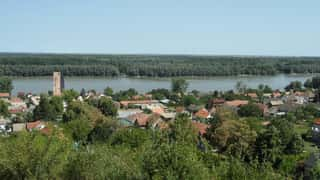
The river cruise dock in Mohacs is situated directly on the Szent János utca, putting you a mere 3-minute walk from the town’s primary historical monuments and the main square. Located in Baranya County, Southern Hungary, this destination serves as a vital cultural gateway and a logistical border post on the Danube River. While many travelers view this as a brief technical stop for customs, a day here rewards those who explore the sub-region’s deep history and artisanal traditions. You are positioned just 42 km (26 miles) from the city of Pécs, a UNESCO World Heritage site reachable in 45 minutes by road, and 55 km (34 miles) north of Osijek, Croatia. Mohacs is strictly a river cruise port, accommodating the sleek 135-meter vessels that traverse the central European waterways. Keep in mind that while the town itself is compact and easily walkable, the most impactful experiences—specifically the Battle of Mohács Memorial—require local transport. This destination rewards the student of history and the lover of folk-art, but it punishes the passenger who fails to plan for the transit time to Pécs. Expect a quiet, authentic Hungarian atmosphere far removed from the tourist density of Budapest.
Mohács — Port Overview
History
Mohacs is defined by two cataclysmic events that altered the course of European history. In 1526, the first Battle of Mohács saw the Hungarian army decisively defeated by the Ottoman Empire under Suleiman the Magnificent. This defeat led to 150 years of Turkish rule and the partition of the Hungarian kingdom, a trauma that remains central to the national identity. You can see this legacy in the Votive Church on Széchenyi Square, built in 1926 to commemorate the 400th anniversary of the battle. The second major event occurred in 1687, often called the Second Battle of Mohács, where allied Christian forces defeated the Ottomans nearby, signaling the beginning of the end for Turkish dominance in the region. Beyond conflict, Mohacs evolved into a vital trade hub on the Danube River, known for its milling industry and unique 'Busójárás' carnival. This tradition, dating back to the 18th century, was reportedly started by the local Šokci people to scare away the occupying Turks or, more likely, to herald the end of winter. Today, the town preserves this heritage through its mask-carving workshops and the memorial park at Sátorhely, where mass graves from 1526 were unearthed in the 1970s. The history here isn't hidden in books; it is etched into the very topography of the surrounding fields and the architecture of the town center.
The Verdict
Mohacs rewards the traveler who looks beneath the surface of this quiet river town. Whether you choose to explore the somber history of the 1526 battlefield or the vibrant, living folk-art of the Busó carvers, you will find a destination that feels authentically Hungarian. This guide has been fact-checked by J. Richard and the Waterways Cruise editorial team. A shore excursion with a guaranteed return to the ship, matched to your mobility, interests, and pace, removes any risk of missing departure.
Things to Do & See in Mohács
| Attraction | Type | Address | Phone | Hours | Website | Admission |
|---|---|---|---|---|---|---|
| Busó Udvar (Busó Yard) | Cultural Site | Eötvös u. 6, 7700 Mohács, Hungary | +36 69 505 515 | Tue-Sun 9:00 AM – 5:00 PM | busoudvar.hu | USD 1,800 HUF |
| Votive Church | Landmark | Széchenyi tér, 7700 Mohács, Hungary | +36 69 311 051 | Mon-Sat 9:00 AM – 5:00 PM; Sun during services | mohacsi-plebania.hu | USD 1,000 HUF |
| Battle of Mohács Memorial Park | Historical Site | Sátorhely, 7700 Hungary | +36 69 382 130 | Daily 9:00 AM – 6:00 PM | mohacsiemlekhely.hu | USD 2,200 HUF |
| Kanizsai Dorottya Museum | Museum | Kisfaludy u. 9, 7700 Mohács, Hungary | +36 69 306 601 | Tue-Sat 10:00 AM – 4:00 PM | kdm.hu | USD 1,500 HUF |
| St. Nicholas Watermill | Historical Site | Szent Miklós u. 1, 7700 Mohács, Hungary | +36 30 235 3010 | Tue-Sun 10:00 AM – 5:00 PM | mohacsimalom.hu | USD 1,200 HUF |
Busó Udvar (Busó Yard) · Cultural Site
USD 1,800 HUFIf you only visit one site in Mohacs, make it the Busó Udvar. This museum is the definitive repository of the town’s UNESCO-recognized winter-faring traditions. Visitor feedback is consistent: it is much more than a collection of masks. The display uses light and sound to recreate the atmosphere of the Busójárás carnival, allowing you to experience the 'magic' even in mid-summer. You’ll walk through life-sized dioramas of the woolly-clad 'Busós' and see the intricate details of the hand-carved willow masks, which are often stained with animal blood in the traditional style. Look past the main costumes and find the 'Jankele'—figures in rags who carry sacks of ash. The museum succeeds because it explains the 'why' behind the scary masks: it’s about community, fertility, and the defiance of history. It delivers a visceral connection to the Hungarian spirit that you simply won't find in a standard art gallery. Arriving early allows you to watch the introductory film in peace, which provides the necessary context for the rest of your day.
Eötvös u. 6, 7700 Mohács, Hungary ·+36 69 505 515 ·Tue-Sun 9:00 AM – 5:00 PM ·busoudvar.hu
Votive Church · Landmark
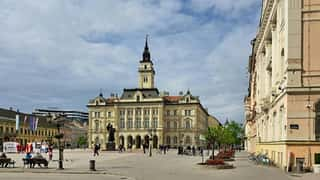
USD 1,000 HUFRising like a massive stone sentinel over the main square, the Votive Church (Fogadalmi Templom) is the town’s emotional heart. Completed in 1926 to mark the 400th anniversary of the first Battle of Mohács, its Hungarian-Byzantine architecture is unique in the country. When you step inside, the scale of the dome creates an immediate sense of gravity. The church is a 'memorial' in the truest sense; its 52 stained-glass windows were donated by different Hungarian counties and towns, symbolizing national unity in the face of the 1526 tragedy. Be aware that the acoustics here are world-class—if you see a notice for an organ recital, adjust your schedule to attend. Most visitors walk past the small memorial tablets on the interior walls, but they list the names of the noble families who perished in the battle. Expect a quiet moment of reflection on the cost of conflict, providing a necessary counterpoint to the boisterousness of the Busó museum. It is the architectural anchor of the town, built with 3,000 tons of stone from the nearby Mecsek mountains.
Széchenyi tér, 7700 Mohács, Hungary ·+36 69 311 051 ·Mon-Sat 9:00 AM – 5:00 PM; Sun during services ·mohacsi-plebania.hu
Battle of Mohács Memorial Park · Historical Site
USD 2,200 HUFLocated on the actual fields where 15,000 Hungarian soldiers fell in 1526, this park is one of the most moving historical sites in Central Europe. It is not a traditional museum of statues, but a symbolic landscape. Hundreds of carved wooden totems, each unique, rise from the earth like the ghosts of the fallen. The walking loop is roughly 1 km, which takes you through the various mass grave locations discovered by archaeologists in the 1970s. The site is hauntingly quiet. The visitor center, shaped like a burial mound, houses the artifacts recovered from the soil—swords, armor fragments, and coins. No one tells you that the arrangement of the totems follows the actual battle lines of the Hungarian infantry. It is a place that demands silence and respect. While the town center offers the cultural context of Mohacs, this park provides the historical weight. It is essential for anyone wishing to understand the 'Hungarian soul' and the stoicism that defines this region. The experience is somber, but it delivers a powerful lesson in historical consequence.
Sátorhely, 7700 Hungary ·+36 69 382 130 ·Daily 9:00 AM – 6:00 PM ·mohacsiemlekhely.hu
Kanizsai Dorottya Museum · Museum
USD 1,500 HUFNamed after the noblewoman who organized the burial of the dead after the 1526 battle, this museum offers a deeper look into the ethnography of the region. While the Busó museum is flashier, the Kanizsai Dorottya Museum provides the academic and historical foundation. You'll find a massive collection of textiles, ceramics, and tools from the various ethnic groups that have called Mohacs home—Hungarians, Šokci, Serbs, and Germans. This stop for those who appreciate the fine details of folk art is recommended, specifically the intricate embroidery patterns that vary from village to village. The 'Black Pottery' of Mohacs is a highlight here; it's a unique local craft that dates back centuries. The museum is housed in a charming historic building just a few streets back from the river, offering a peaceful respite from the main tourist trail. It delivers a comprehensive overview of how these diverse cultures managed to coexist and blend their traditions over hundreds of years on the banks of the Danube River.
Kisfaludy u. 9, 7700 Mohács, Hungary ·+36 69 306 601 ·Tue-Sat 10:00 AM – 4:00 PM ·kdm.hu
St. Nicholas Watermill · Historical Site
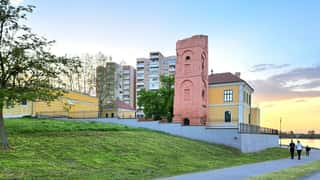
USD 1,200 HUFThe St. Nicholas Watermill (Szent Miklós Malom) is a rare survivor of the pre-industrial age. Located on the northern edge of the town center, it is the only treadmill-style watermill remaining in the country. It was meticulously restored and now serves as a living museum. When the mill is running, the entire building vibrates with the power of the Danube's current. You can see the massive gears and the stones grinding grain exactly as they did in the 18th century. It is well established that this is one of the few places where you can still taste 'treadmill-milled' bread. The atmosphere is cozy and rustic, smelling of old wood and fresh flour. It provides a tactile connection to the river that defined the town's economy for centuries. It’s a short, pleasant walk from the pier along the Danube promenade. Expect a sense of the ingenuity of the past and a slower pace of life that is incredibly refreshing. It’s a favorite for visitors who want to escape 'museum fatigue' and see something functional and authentic.
Szent Miklós u. 1, 7700 Mohács, Hungary ·+36 30 235 3010 ·Tue-Sun 10:00 AM – 5:00 PM ·mohacsimalom.hu
Eating & Drinking in Mohács
The culinary identity of Mohacs is inseparable from the Danube River and the surrounding Baranya plains. The defining dish is Mohácsi Halászlé, a spicy fisherman's soup. Unlike the strained versions elsewhere, Mohacs soup is 'rustic'—rich with onions and cooked over an open fire in copper pots to give it a smoky depth. You must also try the local 'Költés,' a traditional stuffed pastry, and the spicy sausages that reflect the region's Southern Slavic (Šokci) influence. To drink, you are in the shadow of the Villány region, Hungary’s premier red wine district. Look for Kékfrankos or the bold Cabernet Francs from the nearby slopes. One honest note: tourists often expect 'Goulash' to be the main event, but in Mohacs, the fish soup is the true king of the table. You’ll find the most genuine versions at the simple 'csárda' (inns) along the river where the menu is limited but the ingredients are fresh from the morning's catch.
| Place | Address | Phone | Hours | Website | Price range |
|---|---|---|---|---|---|
| Halászcsárda (Fisherman's Inn) | Szent János u. 1, 7700 Mohács, Hungary | +36 69 322 662 | Daily 11:00 AM – 10:00 PM | mohacsihalaszcsarda.hu | 5,500 – 8,000 HUF (~$15.00 – $22.00 USD) |
| Szent János Hotel Restaurant | Szent János u. 13, 7700 Mohács, Hungary | +36 69 510 510 | Daily 7:00 AM – 9:00 PM | szentjanoshotel.hu | 4,500 – 7,500 HUF (~$12.50 – $20.50 USD) |
| Bárka Café & Bistro | Széchenyi tér 1, 7700 Mohács, Hungary | Daily 9:00 AM – 10:00 PM | 1,200 – 2,500 HUF (~$3.50 – $7.00 USD) |
Halászcsárda (Fisherman's Inn)
5,500 – 8,000 HUF (~$15.00 – $22.00 USD)You cannot visit the Danube River without trying Halászlé. In Mohacs, the soup is distinct from the version found in Szeged; it is rich, heavy with high-quality paprika, and always served with broad, hand-cut matches (gyufatészta) noodles. The restaurant is located right on the riverbank, providing a perfect view of your ship while you dine. It is best to order the 'Mixed Fish Soup' to taste the variety of the river. A drawback is that the service can be slow during peak lunch hours, so allow at least 90 minutes for your meal.
Szent János u. 1, 7700 Mohács, Hungary ·+36 69 322 662 ·Daily 11:00 AM – 10:00 PM
Szent János Hotel Restaurant
4,500 – 7,500 HUF (~$12.50 – $20.50 USD)If you are not a fan of spicy fish soup, this is your best local alternative. The restaurant specializes in classic Hungarian meat dishes. The duck leg is consistently excellent—crispy skin and tender meat, served with the traditional sweet-and-sour red cabbage. The dining room is elegant but approachable. It is only 200 meters from the pier, making it a safe bet if you are worried about timing your return to the ship. It delivers solid, dependable Hungarian flavors without the 'tourist trap' prices.
Szent János u. 13, 7700 Mohács, Hungary ·+36 69 510 510 ·Daily 7:00 AM – 9:00 PM
Bárka Café & Bistro
1,200 – 2,500 HUF (~$3.50 – $7.00 USD)This is the place to sit and watch the town go by. Order a 'Nagyfröccs' (large spritzer) and enjoy the view of the Votive Church. The café uses high-quality beans for their espresso and the outdoor terrace is the most popular social spot in town for locals. It’s the perfect place for a mid-afternoon pause to soak in the Southern Hungarian sun before heading back to the Danube River.
Széchenyi tér 1, 7700 Mohács, Hungary ·Daily 9:00 AM – 10:00 PM
Getting There & Around
Once you step off the ship on the banks of the Danube River, your primary mode of transport in Mohacs will be your own two feet. The town center is incredibly compact; from the gangway to the furthest must-see attraction in the city (the Watermill) is only a 15-minute walk. For those heading to the Memorial Park at Sátorhely, it is a good idea to book a ship-organized transfer, as local taxis are notoriously difficult to hail spontaneously. If you choose to go independently, a local taxi to the park costs roughly 4,500 HUF (~$12.50 USD) each way. Uber does not operate here. Bike rentals are available at the Tourinform office for approximately 3,500 HUF (~$9.50 USD) for 4 hours, which is the ideal way to explore the riverfront paths along the Danube River. One navigation tip: most visitors follow the main road; instead, use the small pedestrian alleys (köz) that cut between the streets—they are cooler, quieter, and often lead to hidden courtyard workshops.
Itineraries & Sample Walks
4-Hour Shore Excursion in Mohács
Votive Church
9:00 AM (45 min)
This massive dome dominates the skyline. Inside, the frescoes tell the story of the 1526 battle. The stained glass is particularly stunning when the morning sun hits the southern windows. It feels more like a national monument than a local parish church.
- A 3-minute walk from the cruise pier inland. (Free)
- Entry: 1,000 HUF (~$2.75 USD)
- Look for the small statue of the Polish knight on the exterior; it commemorates the Polish troops who died alongside the Hungarians in 1526.
Busó Udvar (Busó Yard)
10:00 AM (60 min)
This museum brings the carnival to life year-round. You'll see the terrifying wooden masks, the woolly costumes, and the traditional tools. It is very high-tech and sensory, with audio recordings of the carnival bells. Travelers consistently rate this as their favorite stop.
- A 5-minute walk south from Széchenyi Square. (Free)
- Entry: 1,800 HUF (~$5.00 USD)
- Don't just look at the costumes; head to the back workshop where you can often see a master carver working on a new mask.
St. Nicholas Watermill
11:15 AM (45 min)
The only remaining treadmill-operated watermill in Hungary. You can see how grain was milled using the Danube's current. It's a peaceful, rustic stop that feels like stepping back 200 years. They often sell freshly milled flour and local snacks.
- A 12-minute walk north along the riverfront. (Free)
- Entry: 1,200 HUF (~$3.50 USD)
- Check the wooden beams inside the mill for the carved dates and signatures of millers from the 1800s.
Lunch Recommendation
Balkán Bisztró
While most tourists flock to the generic cafes on Király utca, this spot offers authentic Southern Hungarian/Balkan fusion that reflects the region's multi-ethnic history. The meat is grilled over real charcoal.
Order: Cevapi (Grilled minced meat sausages), Shopska Salad
Ferencesek utcája 18, 7621 Pécs, Hungary
Cost: 6,500 HUF (~$18.00 USD)
8-Hour Full Day Experience in Mohács
Battle of Mohács Memorial Park
8:30 AM (90 min)
Built on the site of the 1526 battle, this is a somber and artistic memorial. The mass graves are marked with wooden totems representing the fallen. The avant-garde architecture of the visitor center is striking and houses many artifacts found on-site.
- 15-minute taxi or bus ride south of the town. (4,500 HUF (~$12.50 USD))
- Entry: 2,200 HUF (~$6.00 USD)
- Stand in the center of the wooden totems and listen—the wind moving through the carvings creates an eerie, mournful sound designed by the artist.
Pécs Cathedral & Early Christian Necropolis
10:30 AM (120 min)
A UNESCO site featuring 4th-century Roman burial chambers with vivid frescoes. The nearby Cathedral with its four massive towers is one of Hungary's most impressive ecclesiastical buildings. This is the intellectual and cultural peak of the region.
- 45-minute drive from the Memorial Park. (15,000 HUF (~$41.00 USD) by pre-booked taxi)
- Entry: 3,500 HUF (~$9.50 USD)
- Visit the 'Cella Septichora' to see the unique seven-lobed structure of the ancient Roman burial site.
Getting back to the ship
To guarantee a stress-free return to your vessel on the Danube River, you should aim to be back in the Belváros (center) at least 45 minutes before the all-aboard time. If you are in Pécs, you must leave no later than 90 minutes before departure to account for potential traffic on Route 57. A taxi from Pécs to the Mohacs pier will cost roughly 15,000 HUF (~$41.00 USD) and takes about 45 minutes. Public buses are reliable but can be slow; the last safe bus from Pécs departs at 2:15 PM for a typical 4:00 PM all-aboard. If you miss the ship, your next reachable port is usually Novi Sad, Serbia, which involves a complex international border crossing. The port authority number is +36 69 510 220, but always call your ship's emergency number first.
Weather & Best Time to Visit Mohács
Weather & What to Pack
Cruise season: March to November
15°C to 30°C (59°F to 86°F). Summers are dry and hot, while autumn can be misty near the river.
What to wear: Light, breathable fabrics are mandatory in summer. The surface temperature in the main square is 42°C (107°F) in July; sun protection is non-negotiable. For walking, use sturdy sandals or trainers—while flat, the mix of surfaces can be tiring. Always carry a light rain shell for sudden afternoon thunderstorms common in the Danube basin.
Weather risks: Early morning fog on the Danube River can occasionally delay the customs clearance process by 30–60 minutes.
Autumn (September–October) is the most pleasant time to visit, with crisp air and fewer insects near the water.
| Season | Conditions | Hazards | Affected areas | Visitor advice |
|---|---|---|---|---|
| Summer (June–August) | Hot and humid with temperatures often exceeding 30°C (86°F). | The exposed marble of Széchenyi Square and the open fields of the Memorial Park offer zero shade, creating a significant risk of heat exhaustion. | Széchenyi Square, Mohács Memorial Park, the riverfront promenade. | Visit the Memorial Park before 10:30 AM. Wear a wide-brimmed hat and carry a full liter of water. Seek the air-conditioned interior of the Kanizsai Dorottya Museum during the peak heat of 1:00 PM. |
| Spring (April–May) | Variable weather with frequent light showers and brisk river winds. | The grass paths at the Memorial Park can become soft and muddy, making them difficult for those using walkers or wheelchairs. | Sátorhely (Memorial Park) and the grassy banks of the Danube. | Wear sturdy, waterproof walking shoes. A windproof layer is essential for the riverfront, as the Danube corridor can be surprisingly cold even on sunny days. |
Practical Information
Cultural etiquette
In Mohacs, locals are conservative but deeply hospitable. A simple 'Jó napot' (Good day) when entering a shop earns immense goodwill. When dining, wait for the host to say 'Jó étvágyat' before starting your meal. Unlike in the U.S., it is common for restaurant bills to include a small service charge, but a further 10% tip is standard if the service was good—leave this in cash rather than adding it to the card machine. Be aware that photography inside the Votive Church is allowed but must be done without flash and never during a mass. A common cultural misunderstanding involves the Busó masks; while they are used for carnival fun, they are deeply respected symbols of local identity. Never mock the masks or treat them as 'silly' costumes. Also, queueing in small bakeries can be informal; if you aren't assertive, you might be overlooked. Simply make eye contact with the server and have your HUF ready. Tipping your taxi driver is not expected but rounding up to the nearest 500 HUF is appreciated.
Mistakes to Avoid
| Mistake |
|---|
Staying on the ship because they think Mohacs is just a customs stop. |
Trying to visit Pécs independently without a pre-booked taxi. |
Not carrying HUF for the Memorial Park entrance or local workshops. |
Visiting the Votive Church during Sunday morning services. |
Practical tips
Local currency is the Hungarian Forint (HUF). While cards are accepted in museums and larger restaurants, many smaller workshops and the local market are strictly cash-only. Do not rely on EUR; while some shops take it, the exchange rate they offer is often 20% worse than the official rate. A 10% tip is standard for good service in restaurants. To earn goodwill, learn: 'Köszönöm' (Thank you), 'Kérem' (Please), and 'Egészségére' (Cheers—essential for wine tasting). Scams are rare here, but be wary of 'antique' Busó masks sold on the street; they are often aged with shoe polish rather than actual smoke and time. In churches, shoulders and knees should be covered, though enforcement is less strict than in Italy. The best time to visit the Votive Church is immediately upon opening at 9:00 AM before the tour buses from Pécs-bound ships arrive. Most shops close by 1:00 PM on Saturdays and remain closed on Sundays, so plan your shopping for weekday mornings.
Cruise Lines Visiting Mohács
Port of Call






Embarkation / Disembarkation
Why Book With Waterways Cruise?
Four decades of expertise, one dedicated advisor, and every detail handled, from your front door to the gangway and back.
Personal Service — Your Own Cruise Concierge
Tailor-Made — 100% Custom-Built
Expertise — 40+ Years in Travel
Price Watch — Book With Total Confidence
Signature Sailings
All Cruise Lines at Mohács (A–Z)
Nearby Ports






FAQ — Mohács
Can I walk to the Battle of Mohács Memorial Park from the ship?
No, you cannot realistically walk there. The Memorial Park at Sátorhely is 7 km (4.3 miles) from the cruise pier. Along a busy road with no continuous sidewalk, the walk would take over 90 minutes each way in the sun. Instead, take a 15-minute taxi for approximately 4,500 HUF (~$12.50 USD) or book a ship-organized excursion. A private car that includes the park and a local workshop visit in a single 3-hour window can be arranged in advance.
Do I need Hungarian Forints, or can I use Euros?
You absolutely need Hungarian Forints (HUF) for the best experience. While some larger restaurants and the main museums might accept Euros, they will give you a poor exchange rate, often losing you $5–$10 USD on a small transaction. Local artisans and the watermill are often cash-only in HUF. There is an OTP Bank ATM at Széchenyi tér 1, just a 5-minute walk from the pier, where you can withdraw local currency safely.
Is it worth going all the way to Pécs for just 4 hours?
It depends on your interests. The drive to Pécs takes 45 minutes each way, meaning a 4-hour window only gives you 2 hours and 15 minutes in the city. You can see the Cathedral and the Roman Necropolis in that time, but you will miss the Zsolnay Quarter and the city's vibrant café culture. If your ship is in port for 6 hours or more, Pécs is a must. For a 4-hour call, it is best to stay in Mohacs to enjoy the Busó Udvar and the local riverfront.
What is the most authentic souvenir I can buy in Mohacs?
The most authentic souvenir is a hand-carved Busó mask made of willow wood. Ensure it is a genuine local carving—look for the artisan's signature on the inside. Prices range from 8,000 HUF (~$22.00 USD) for miniatures to over 60,000 HUF (~$165.00 USD) for full-sized versions. Another excellent choice is Mohács 'Black Pottery,' which is unique to this region and highly durable. Both are available at the Busó Udvar museum shop and local workshops on Eötvös street.
Is the water safe to drink in Mohacs?
Yes, the tap water in Mohacs is safe and of high quality. You will also see traditional blue water pumps on the streets; these provide potable water and are safe for filling your bottle. In restaurants, however, it is customary to order bottled mineral water (ásványvíz), which is available as 'mentes' (still) or 'dús' (sparkling). A bottle typically costs about 600 HUF (~$1.65 USD).
What should I order at a local restaurant if I don't like fish?
If you want to avoid the famous fish soup, order 'Sertéspörkölt' (Pork Stew) or 'Rántott Csirke' (Breaded Chicken). Both are staples of the Hungarian diet. Another excellent non-fish option is the 'Töltött Káposzta' (Stuffed Cabbage), which is hearty and flavorful without being overly spicy. A main meat dish usually costs between 4,500 and 6,000 HUF (~$12.50–$16.50 USD). The Szent János Hotel restaurant for the best non-fish menu in town is recommended.
How long does the customs clearance take in Mohacs?
Because Mohacs is a border post for the Schengen area, customs can take anywhere from 30 to 60 minutes. Passengers are usually not allowed to disembark until the local authorities have cleared the entire ship. It is worth knowing that you should not book any independent tours starting earlier than 45 minutes after your scheduled arrival time to avoid stress. Most ship-organized tours are timed specifically to wait for this clearance.
Are there any public restrooms near the cruise pier?
Yes, there is a clean, attended public restroom located on the east side of the Votive Church on the main square, just a 4-minute walk from the pier. The fee is 200 HUF (~$0.55 USD). Additionally, if you visit the Busó Udvar museum, there are modern, fully accessible restrooms available for visitors. Always carry a few small HUF coins, as the church restroom attendant does not usually give change for large bills.
Is Mohacs a safe town for independent walking?
Mohacs is exceptionally safe. Crime against tourists is almost non-existent. However, as with any port, keep an eye on your belongings in the busy Széchenyi Square during peak times. The main safety concern is the uneven pavement on side streets and the lack of shade in summer. If you walk north along the Danube River to the Watermill, the path is well-lit and frequented by local walkers and cyclists.
What is the Busójárás and can I see it when I visit?
The Busójárás is a winter carnival held in late February or early March. Unless your cruise is specifically a 'winter' or 'Christmas markets' cruise (which often don't call here), you will not see the actual festival. However, the Busó Udvar museum on Eötvös street is open year-round and uses high-tech displays and life-sized dioramas to recreate the festival experience for cruise passengers. It is the best way to understand this UNESCO-protected tradition during the standard cruise season.
Fact-checked and co-written by J. Richard, Founder, Waterways Cruise, with the Waterways Cruise Content Team.
Published May 19, 2026 · Last updated November 2, 2026
This guide is researched and reviewed by our editorial team, but prices, hours, and availability change often. Confirm current details directly with venues, excursion operators, and your cruise line before you travel.