Benoa Cruise Port
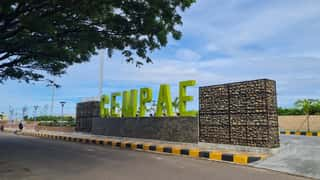
The Benoa cruise terminal is positioned roughly 12 km (7.5 miles) from the tourist hub of Kuta, a journey that can take 25 minutes via the toll road or over 70 minutes during peak gridlock on surface streets. Located in the South Bali region on the Bukit Peninsula, this ocean cruise port serves as the primary arrival point for international travelers. You are 20 km (12.5 miles) from the clifftop majesty of Uluwatu and roughly 35 km (22 miles) from the cultural center of Ubud. While Ubud is the 'must-see' for many, it is worth knowing that traffic frequently turns this 90-minute drive into a three-hour odyssey. The consistent feedback from visitors is that attempting to see Ubud and the southern beaches in one day is a logistical failure. This destination rewards the traveler who chooses one specific quadrant of the island and stays there. It punishes those who try to 'see it all' by leaving them trapped in a taxi on the humid Bypass road. Benoa Bay serves as your sheltered harbor, providing a calm entry to an island that is otherwise defined by its powerful Indian Ocean swells. Your success here depends entirely on using the Bali Mandara Toll Road whenever possible—the 13,000 IDR (~$0.75 USD) fee is the best investment you will make in your day.
Benoa Cruise Terminal


Benoa, Indonesia Port
UN/LOCODE IDBOA Port of call Homeport
Benoa Cruise Port Location
| Port Details | |
|---|---|
| Country | Indonesia |
| UN/LOCODE | IDBOA |
| Contact | |
| Address | Jalan Pelabuhan Benoa, Pedungan, Denpasar Selatan, Kota Denpasar, Bali 80222 |
| Port phone | +62 361 720560 |
| Website | www.pelindo.co.id |
| Geography | |
| Coordinates | -8.78500, 115.21840 |
| Accessibility | |
| Accessible | Limited |
The Benoa cruise terminal is positioned roughly 12 km (7.5 miles) from the tourist hub of Kuta, a journey that can take 25 minutes via the toll road or over 70 minutes during peak gridlock on surface streets. Located in the South Bali region on the Bukit Peninsula, this ocean cruise port serves as the primary arrival point for international travelers. You are 20 km (12.5 miles) from the clifftop majesty of Uluwatu and roughly 35 km (22 miles) from the cultural center of Ubud. While Ubud is the 'must-see' for many, it is worth knowing that traffic frequently turns this 90-minute drive into a three-hour odyssey. The consistent feedback from visitors is that attempting to see Ubud and the southern beaches in one day is a logistical failure. This destination rewards the traveler who chooses one specific quadrant of the island and stays there. It punishes those who try to 'see it all' by leaving them trapped in a taxi on the humid Bypass road. Benoa Bay serves as your sheltered harbor, providing a calm entry to an island that is otherwise defined by its powerful Indian Ocean swells. Your success here depends entirely on using the Bali Mandara Toll Road whenever possible—the 13,000 IDR (~$0.75 USD) fee is the best investment you will make in your day.
Benoa — Port Overview
History
Benoa's identity was forged as a strategic maritime link long before the first cruise ship docked. While the neighboring village of Tanjung Benoa has functioned as a fishing hub for centuries, the port itself became economically significant during the Dutch colonial era in the late 19th century. Trade in spices, coffee, and textiles flowed through these waters, though the shallow nature of the bay initially limited vessel size. A pivotal shift occurred in 1924 when the Dutch administration formalized port operations to support the growing administrative center in nearby Denpasar. This era left behind a legacy of trade routes that still dictate Bali's modern economy. In the 1970s, as international tourism began its rapid ascent, Benoa was reimagined. The construction of the Ngurah Rai Bypass in 1980 connected the port to the burgeoning resort enclaves of Sanur and Kuta, forever changing the landscape. Most significantly, the 2013 completion of the Bali Mandara Toll Road, which skims across the surface of the bay, transformed Benoa from a secluded inlet into a high-speed logistics hub. Today, when you look toward the horizon from the gangway, you see the convergence of this history: ancient outrigger fishing boats known as 'jukung' still navigate the same currents as the massive, modern cruise liners that now dominate the pier.
The Verdict
In Benoa, the visitors who come away happiest are the ones who arrive with a plan and the flexibility to adapt it to the day’s traffic. This guide has been fact-checked by J. Richard and the Waterways Cruise editorial team. Excursions that guarantee a return to the ship can be tailored to your mobility, interests, and pace, so missing departure is never a concern. No two travelers want the same day ashore. Bali rewards the patient and the prepared.
Things to Do & See in Benoa
| Attraction | Type | Address | Phone | Hours | Website | Admission |
|---|---|---|---|---|---|---|
| Garuda Wisnu Kencana (GWK) | Cultural Site | Jl. Raya Uluwatu, Ungasan, Kec. Kuta Sel., Kabupaten Badung, Bali 80361 | +62 361 700808 | 09:00 AM – 8:00 PM Daily | gwkbali.com | USD 125,000 IDR |
| Museum Pasifika | Museum | Complex Bali Collection, Block S, Nusa Dua, Bali 80363 | +62 361 774935 | 10:00 AM – 6:00 PM Daily | museum-pasifika.com | USD 100,000 IDR |
| Pura Uluwatu | Historical Site | Pecatu, South Kuta, Badung Regency, Bali | 07:00 AM – 7:00 PM Daily | Not available | USD 50,000 IDR | |
| Bajra Sandhi Monument | Landmark | Jl. Raya Puputan No.142, Panjer, Denpasar Selatan, Bali 80234 | +62 361 262646 | 08:00 AM – 6:00 PM Daily | Not available | USD 50,000 IDR |
| Turtle Island (Serangan) | Tourist Attraction | Serangan Island, South Denpasar, Bali | 09:00 AM – 5:00 PM Daily | Not available | USD Boat transfer + Entry roughly 250,000 IDR |
Garuda Wisnu Kencana (GWK) · Cultural Site
USD 125,000 IDRGaruda Wisnu Kencana is a testament to modern Balinese ambition. The central statue, depicting the Hindu god Vishnu riding the mythical bird Garuda, is taller than the Statue of Liberty. When you stand at its base, the sheer engineering feat of the copper and brass segments is undeniable. It is a good idea to start at the Lotus Pond, a massive outdoor plaza carved from limestone cliffs that creates a natural amphitheater. The scale here is unlike anything else on the island. While some critics find it a bit 'theme-park-like,' the quality of the hourly dance performances at the amphitheater is high and provides a comprehensive introduction to Balinese mythology. It is an ideal stop for those who want a structured, high-impact cultural experience without the logistical difficulty of navigating ancient temple ruins. You'll walk through soaring limestone corridors that provide much-needed shade, and the entire facility is maintained to international standards. It delivers a sense of 'Modern Bali'—proud, scale-obsessed, yet deeply rooted in its ancient stories.
Jl. Raya Uluwatu, Ungasan, Kec. Kuta Sel., Kabupaten Badung, Bali 80361 ·+62 361 700808 ·09:00 AM – 8:00 PM Daily ·gwkbali.com
Museum Pasifika · Museum
USD 100,000 IDRMuseum Pasifika is a hidden gem in the truest sense. Most cruise passengers walk right past it while shopping at the Bali Collection, but they are missing one of Asia's premier art institutions. The collection focuses on the 'Asia-Pacific' theme, showcasing how European artists like Gauguin and Hofker were transformed by the light and culture of the islands. The eleven galleries are arranged by region, allowing you to trace the artistic connections between Indonesia, Tahiti, and the broader South Pacific. The atmosphere is quiet, contemplative, and profoundly cool—a stark contrast to the bustle of the Benoa terminal. Retired educators and art enthusiasts have consistently reported this as the highlight of their day. The museum doesn't just show art; it tells the story of the 20th-century 'Discovery of Bali' by the West. It is an essential stop for anyone who wants to understand the romanticized version of the island that drew the first generations of travelers here in the 1930s.
Complex Bali Collection, Block S, Nusa Dua, Bali 80363 ·+62 361 774935 ·10:00 AM – 6:00 PM Daily ·www.museum-pasifika.com
Pura Uluwatu · Historical Site
USD 50,000 IDRPura Uluwatu is the definitive Balinese landmark. Perched on a sheer cliff dropping 70 meters into the Indian Ocean, it is one of the island's 'Sad Kahyangan'—the six most sacred temples. The site is dedicated to Rudra, the Hindu god of the storms and the sea. The architecture is austere and powerful, constructed from dark volcanic stone that has been weathered by centuries of salt spray. When you walk the cliff path, you are literally at the edge of the world; the next stop across the water is Antarctica. The experience is both spiritual and visceral. You’ll hear the rhythmic crashing of waves below and the calls of the resident macaque monkeys. While the monkeys are part of the 'experience,' destination partners have confirmed they are aggressive; belongings should be kept close. This temple delivers the iconic Bali image you've seen in every travel magazine, but seeing it in person—feeling the wind off the ocean and smelling the incense from the inner sanctum—is something no photograph can capture. It is a place of profound energy that rewards early arrivals with a sense of peace that vanishes once the sunset tour groups descend.
Pecatu, South Kuta, Badung Regency, Bali ·07:00 AM – 7:00 PM Daily ·Not available
Bajra Sandhi Monument · Landmark
USD 50,000 IDRBajra Sandhi is a monument to the soul of the Balinese people. Located in the heart of Denpasar, it is built in the shape of a 'Bajra'—a bell used by Hindu priests during religious ceremonies. It commemorates the struggles of the Balinese throughout history, specifically the 'Puputan' (suicidal fight to the death) against Dutch colonial forces. The stone carvings on the exterior are intricate and follow traditional Balinese architectural principles, yet the scale is grand and institutional. Inside, the dioramas provide a rare, non-tourist-centric look at the island's past. It is a sobering and educational contrast to the beaches of Kuta. This stop for history buffs who want is recommended to see the administrative heart of the island. The surrounding Renon Square is the 'Central Park' of Denpasar, offering a window into everyday local life—food vendors, students, and families—that you simply won't find in the resort enclaves. It is a dignified, impressive site that anchors the island's identity in something deeper than tourism.
Jl. Raya Puputan No.142, Panjer, Denpasar Selatan, Bali 80234 ·+62 361 262646 ·08:00 AM – 6:00 PM Daily ·Not available
Turtle Island (Serangan) · Tourist Attraction
USD Boat transfer + Entry roughly 250,000 IDRTurtle Island, or Serangan, is a popular family-oriented excursion from Benoa. The primary draw is the Turtle Conservation and Education Center, where you can see green sea turtles and hawksbills at various stages of life—from tiny hatchlings to 50-year-old giants. The boat ride across Benoa Bay is often a highlight, usually conducted in glass-bottom boats that allow you to see the reef (though visibility varies). It is an 'up-close' experience that appeals to those traveling with children or those who have a specific interest in marine biology. However, be aware that this is a high-volume tourist site. You will be encouraged to take photos with the animals, and there is a significant 'tipping culture' among the handlers. It is recommended only if you have already seen the major temples and are looking for a shorter, water-based activity. While it's not the most authentic cultural experience Bali offers, it provides a direct look at the conservation challenges facing the island's marine life. Just be sure to bring a hat—the reflection of the sun on the water during the transit is exceptionally strong.
Serangan Island, South Denpasar, Bali ·09:00 AM – 5:00 PM Daily ·Not available
Eating & Drinking in Benoa
Balinese cuisine is distinct from the rest of Indonesia due to its Hindu heritage; most notably, pork is a staple here whereas it is absent in much of the country. The regional identity is defined by 'Babi Guling' (spit-roasted suckling pig) and 'Bebek Betutu' (duck slow-cooked in banana leaves). These dishes rely on 'Base Gede,' a complex spice paste of turmeric, galangal, ginger, and bird's eye chilies. To drink, look for 'Arak,' a potent local spirit distilled from coconut palm sap; while often served in cocktails, ensure you are in a reputable venue like a 4-star hotel to guarantee its safety. For a non-alcoholic specialty, 'Es Daluman' is a refreshing green jelly drink made from local leaves and coconut milk. You’ll find authentic versions of these at local 'Warungs' (small family eateries). One honest note: tourists often expect 'Nasi Goreng' to be the pinnacle of the cuisine, but for locals, it’s often just a quick breakfast; the real culinary heart of Bali is the 'Nasi Campur'—a scoop of rice surrounded by small portions of 6 or 7 different daily specialties.
| Place | Address | Phone | Hours | Website | Price range |
|---|---|---|---|---|---|
| Menega Cafe | Jl. Four Seasons, Muaya Beach, Jimbaran, Bali 80361 | +62 361 705888 | 11:00 AM – 11:00 PM Daily | menega.com | 300,000–500,000 IDR (~$17.50–$29.00 USD) |
| Bumbu Bali | Jl. Pratama, Tanjung Benoa, Kuta Sel., Kabupaten Badung, Bali 80361 | +62 361 774502 | 11:00 AM – 10:00 PM Daily | balifoods.com | 250,000–400,000 IDR (~$14.50–$23.50 USD) |
| Rock Bar Bali | AYANA Resort, Jl. Karang Mas Sejahtera, Jimbaran, Bali 80364 | +62 361 702222 | 4:00 PM – 12:00 AM (Sunset peak 5:30 PM – 6:30 PM) | ayana.com | 220,000–350,000 IDR (~$13.00–$20.50 USD) |
Menega Cafe
300,000–500,000 IDR (~$17.50–$29.00 USD)Menega is an institution. You'll dine with your feet literally in the sand, watching the sunset over the Indian Ocean. Order the 'Set Menu' for two—it includes a fresh snapper, clams, squid, and prawns, all grilled over coconut husks. The smoke imparts a sweet, nutty flavor you won't find elsewhere. One honest limitation: it is incredibly busy. If you arrive after 5:30 PM without a reservation, expect a 45-minute wait. For cruise passengers, a late lunch at 1:30 PM is the 'pro move'—no wait, same incredible food.
Jl. Four Seasons, Muaya Beach, Jimbaran, Bali 80361 ·+62 361 705888 ·11:00 AM – 11:00 PM Daily
Bumbu Bali
250,000–400,000 IDR (~$14.50–$23.50 USD)This is widely considered the best authentic Balinese restaurant in the south. The owner, Heinz von Holzen, is an author on Balinese cuisine, and the attention to detail is evident in every dish. The 'Balinese Rijsttafel' is a masterclass in local flavors. The setting is a traditional family compound, offering a peaceful escape from the jet-ski noise of Tanjung Benoa. Honest caveat: the service is traditional and 'slow-paced'—do not come here if you have a tight 45-minute window before your tour leaves.
Jl. Pratama, Tanjung Benoa, Kuta Sel., Kabupaten Badung, Bali 80361 ·+62 361 774502 ·11:00 AM – 10:00 PM Daily
Rock Bar Bali
220,000–350,000 IDR (~$13.00–$20.50 USD)Located on a custom-built platform 14 meters above the Indian Ocean, access is via a dramatic cliff-side inclinator. It is arguably the most famous bar in the world for a reason. The view of the sunset is unmatched. For a cruise traveler, it’s the ultimate 'last stop' before returning to Benoa. Note: there is a strict dress code (no singlets or board shorts). Locals and expats come here for milestone celebrations; it is a high-octane, high-fashion environment.
AYANA Resort, Jl. Karang Mas Sejahtera, Jimbaran, Bali 80364 ·+62 361 702222 ·4:00 PM – 12:00 AM (Sunset peak 5:30 PM – 6:30 PM)
Getting There & Around
The primary way to move around Bali from Benoa is via taxi or private car. The walking environment around the port is unsuitable for visitors due to heat and lack of infrastructure. You should download the 'Blue Bird' or 'Grab' apps before disembarking. A Blue Bird taxi is the gold standard for reliability; they use meters and their drivers are professionally vetted. Expect to pay about 150,000 IDR (~$9.00 USD) for a one-way trip to major southern attractions. For those staying 8 hours, hiring a 'Car with Driver' for the day is the most efficient choice, costing roughly 700,000–900,000 IDR (~$41.00–$53.00 USD) for 8 hours. Do not rent a scooter; local traffic is chaotic, and cruise insurance rarely covers two-wheel accidents. One navigation tip most guides omit: ensure your driver uses the 'Bali Mandara Toll Road'—it cuts across the water and bypasses the worst congestion points for a tiny fee.
Itineraries & Sample Walks
4-Hour Shore Excursion in Benoa
Museum Pasifika
9:00 AM (90 min)
A surprisingly high-caliber museum. It houses 600+ works from 200 artists across the South Pacific. You'll find Matisse and Gauguin here alongside local masters. The galleries are air-conditioned, providing a vital respite from the midday heat.
- Taxi via the Bali Mandara Toll Road from Benoa Port. (85,000 IDR (~$5.00 USD))
- Entry: 100,000 IDR (~$6.00 USD)
- Don't miss the 'Indochina' room; it contains rare sketches from the early 20th century that most visitors skip in favor of the larger Balinese canvases.
Waterblow Nusa Dua
11:00 AM (45 min)
A dramatic natural rock formation where the Indian Ocean surges into a narrow crag, throwing spray 30 feet into the air. It’s a sensory experience—the roar of the water and the mist on your face are the best ways to feel the power of the ocean.
- A 10-minute walk through the manicured gardens of Nusa Dua. (Free)
- Entry: Free (Free)
- Stand on the designated observation deck to avoid getting soaked; the 'danger' signs about rogue waves are not suggestions—tourists have lost cameras here.
Lunch Recommendation
Menega Cafe
While there are dozens of seafood shacks on Jimbaran beach, Menega uses a coconut husk fire that imparts a specific smoky depth the gas-grill competitors lack.
Order: Grilled Red Snapper (Ikan Bakar), Jumbo Prawns with Balinese sambal
Jl. Four Seasons, Muaya Beach, Jimbaran, Bali
Cost: 350,000 IDR (~$20.50 USD)
8-Hour Full Day Experience in Benoa
Pura Uluwatu (Uluwatu Temple)
8:30 AM (90 min)
One of Bali's six spiritual pillars, perched on a 70-meter cliff. The view of the Indian Ocean is breathtaking. You must wear a sarong (provided at entry). The architecture is classic 11th-century Balinese stone work.
- 45-minute taxi from Benoa Port via the toll road and Jalan Raya Uluwatu. (150,000 IDR (~$9.00 USD))
- Entry: 50,000 IDR (~$3.00 USD)
- The monkeys here are highly skilled thieves. Remove your glasses, hat, and loose jewelry before entering the forest path; they target shiny objects to 'trade' for food.
Garuda Wisnu Kencana Cultural Park
11:00 AM (120 min)
Home to one of the world's tallest statues (122 meters). The sheer scale is staggering. The park offers traditional dance performances every hour, which are excellent if you cannot make it to a full evening show.
- 20-minute taxi. (70,000 IDR (~$4.00 USD))
- Entry: 125,000 IDR (~$7.50 USD)
- Pay the extra fee for the lift to the top of the statue pedestal; the panoramic view covers the entire southern peninsula and you can see your ship in Benoa Bay.
Getting back to the ship
To guarantee your return to the ship before a typical 5:00 PM all-aboard, you must depart the Uluwatu or Jimbaran area no later than 3:15 PM. This provides a 30-minute buffer for the afternoon school-run traffic, which can seize up the Bypass road. A taxi from Jimbaran to Benoa via the toll road costs roughly 100,000 IDR (~$6.00 USD) and takes 25 minutes. If you are coming from Ubud, you must leave by 1:30 PM—no exceptions. The Port Authority number is +62 361 720560. If you miss the ship, you will be required to fly to the next port (often Singapore or Darwin), which involves a complex visa-on-arrival cancellation process at the Denpasar airport. One honest reality: the ship will not wait for independent travelers stuck in traffic; only those on ship-organized tours have that guarantee.
Weather & Best Time to Visit Benoa
Weather & What to Pack
Cruise season: Year-round; peak season is April to October.
26°C–32°C (79°F–90°F). Humidity averages 75–85%. Tropical sun is extremely intense.
What to wear: Lightweight, breathable natural fabrics like linen or cotton are mandatory. A sarong is required for all temple entries (most rent them for a small fee, but bringing your own is more hygienic). Wear sturdy walking shoes with grip; the limestone at Uluwatu is polished smooth and slippery. A wide-brimmed hat and polarized sunglasses are essential to combat the glare from the white limestone and water.
Weather risks: Sudden tropical downpours can occur even in the dry season; afternoon thunderstorms may cause flight or boat delays but rarely affect cruise departures.
The 'shoulder' months of October and November are the most humid and can feel significantly hotter than the peak of the dry season.
| Season | Conditions | Hazards | Affected areas | Visitor advice |
|---|---|---|---|---|
| Dry Season (April–October) | Low humidity, consistent sunshine, and pleasant evening breezes. This is the peak cruise window. | Extreme UV exposure on the exposed concrete of the Benoa pier and the limestone cliffs of Uluwatu. Dust on unpaved village roads can cause respiratory irritation. | Uluwatu Temple, Garuda Wisnu Kencana Cultural Park, and the Benoa pier gangway. | Wear a wide-brimmed hat and apply high-SPF sunscreen every two hours. Schedule outdoor temple visits for before 10:30 AM or after 4:00 PM. |
| Wet Season (November–March) | High humidity with heavy, sudden tropical downpours, usually in the late afternoon. | Temple stone steps become exceptionally slick and dangerous when wet. Moss-covered surfaces at Uluwatu turn into 'ice.' Local drainage can flood roads quickly, doubling transit times. | Pura Uluwatu stone stairs, Ubud forest paths, and the Jalan Bypass road. | Carry a lightweight poncho rather than an umbrella, which is useless in wind. Choose footwear with deep rubber treads; avoid smooth-soled sandals or flip-flops. |
Practical Information
Cultural etiquette
Balinese culture is deeply rooted in 'Tri Hita Karana'—harmony between humans, God, and nature. (1) Greeting: Use the 'Sembah'—place your palms together at chest level and nod slightly. It is a sign of profound respect. (2) Dining: Most Balinese eat with their right hand; the left hand is considered 'unclean.' Even when using cutlery, never pass food or money with your left hand. Splitting dishes is entirely normal and encouraged. (3) Photography: Never stand higher than a priest or an altar during a ceremony. Do not take photos of people praying in temples with a flash. (4) Queueing: Balinese are exceptionally patient; aggressive western-style queueing is seen as extremely rude. (5) Tipping: It is not traditionally mandatory, but in a tourism context, rounding up the taxi fare or leaving 20,000 IDR (~$1.20 USD) for a guide is standard. (6) Common Misunderstanding: Cruise passengers often assume a temple is 'closed' if a ceremony is happening. Usually, you are welcome to observe from the outer courtyard if you are dressed appropriately, but you must never enter the inner sanctum ('Jeroan') where the prayers occur.
Mistakes to Avoid
| Mistake |
|---|
Attempting to visit Ubud and Uluwatu in a single 8-hour port call. |
Accepting a 'fixed price' taxi from the touts standing inside the Benoa terminal. |
Wearing expensive sunglasses or jewelry to Pura Uluwatu. |
Underestimating the 'Bali Belly' risk from local water ice. |
Practical tips
The local currency is the Indonesian Rupiah (IDR). While major hotels and Museum Pasifika accept credit cards, Bali is still very much a cash society for taxis, small restaurants (Warungs), and temple entry fees. You should carry at least 500,000 IDR (~$29.00 USD) in small denominations. Tipping is not mandatory but 10% is standard in restaurants if not already included in the service charge. Five words for goodwill: 'Suksma' (Thank you), 'Mewali' (You’re welcome), 'Punapi Gatra?' (How are you?), 'Becik' (Good), and 'Permisi' (Excuse me). The most common scam at Benoa is the 'fixed-price' taxi driver who claims the meter is broken; always insist on the meter or use the Blue Bird app. At Uluwatu, the 'monkey-guard' scam is common: a local will offer to retrieve your stolen glasses for a 'fee'—they are often in league with the monkeys. Dress code: Your shoulders and knees must be covered to enter any temple; carry a lightweight sarong in your day bag. To avoid crowds at Uluwatu, arrive before 9:00 AM or stay on the ship until 1:00 PM and visit during the 'lunch lull.'
Cruise Lines Visiting Benoa
Port of Call











Embarkation / Disembarkation
Why Book With Waterways Cruise?
Four decades of expertise, one dedicated advisor, and every detail handled, from your front door to the gangway and back.
Personal Service — Your Own Cruise Concierge
Tailor-Made — 100% Custom-Built
Expertise — 40+ Years in Travel
Price Watch — Book With Total Confidence
Signature Sailings
All Cruise Lines at Benoa (A–Z)
Nearby Ports




FAQ — Benoa
Can I walk to the beach from the Benoa cruise terminal?
No, you cannot. The terminal is located in an industrial harbor zone surrounded by mangroves and container docks. The nearest swimming beach is Nusa Dua or Sanur, both of which require a 20-minute taxi ride costing roughly 85,000 IDR (~$5.00 USD). Do not attempt to walk out of the port; there are no sidewalks and the heat on the asphalt is extreme. For a guaranteed beach day with seamless transport, it is a good idea to book a private transfer.
Is it safe to use a credit card in Bali?
Credit cards are safe and widely accepted at major malls like Bali Collection, high-end restaurants, and hotels. However, for temple entry fees (50,000 IDR / ~$3.00 USD) and small local shops, cash is mandatory. Reports of card skimming at standalone ATMs in Kuta have been tracked; visitors should use only the ATMs located inside the Benoa Terminal or within bank branches. Most local vendors add a 3% surcharge for credit card transactions.
What is the best way to avoid the aggressive monkeys at Uluwatu?
The most effective strategy is to have nothing they can grab. This means no hats, no sunglasses, no loose hair ties, and no visible water bottles or snacks in your hands. The macaques almost always target the head and shoulders. If a monkey does grab something, do not fight it; call for a temple guard who can often retrieve the item with a trade. Total safety requires constant awareness on the cliff paths.
Do I need to carry my passport with me in Bali?
No. It is a good idea to leave your original passport in your ship's safe and carry a high-quality color photocopy and a digital version on your phone. Indonesian law technically requires you to carry ID, but a photocopy and your cruise ship card are almost always sufficient for tourists. The risk of losing your passport in the humidity or to a pickpocket in Kuta is much higher than the risk of a police check.
How much should I pay for a private driver for the day?
A fair rate for an 8-hour day with an English-speaking driver in a modern, air-conditioned SUV is between 700,000 and 900,000 IDR (~$41.00–$53.00 USD). This should include fuel and the driver's time, but typically excludes parking fees and toll road charges. If a driver quotes you less than 500,000 IDR, be wary; they will likely pressure you into visiting high-commission shopping outlets to make up the difference. Vetted drivers at fixed professional rates can be arranged in advance.
Is the water safe to drink in Bali?
Absolutely not. Do not drink tap water, even for brushing your teeth if you have a sensitive stomach. Use bottled water for everything. The 'Bali Belly' (traveler's diarrhea) is usually caused by contaminated water or ice. Most reputable restaurants use 'Kristal' ice made from purified water, but if you are eating at a local Warung, it is safer to stick to bottled beverages without ice. A bottle of water at the port costs about 10,000 IDR (~$0.60 USD).
What should I wear to visit a Balinese temple?
Respect is shown by covering your 'lower' half. Both men and women must wear a sarong that covers the knees. If you are wearing shorts, you will be required to rent a sarong at the entrance (usually 10,000–20,000 IDR / ~$0.60–$1.20 USD). Your shoulders should also be covered; a simple T-shirt is fine, but sleeveless tank tops are discouraged. Removing shoes is required only when entering the actual prayer platforms, which tourists rarely do.
Is there free Wi-Fi at the Benoa port?
The Benoa Cruise Terminal offers free Wi-Fi, but be aware that it is notoriously unreliable when 2,000+ passengers are trying to connect at once. You should download offline maps for South Bali on Google Maps before you leave the ship. If you must have a connection, you can purchase a local 'Telkomsel' SIM card at the terminal for approximately 150,000 IDR (~$9.00 USD), which provides excellent 4G/5G coverage.
How long does it take to get to Ubud from the port?
While the distance is only 35 km (22 miles), transit time is highly unpredictable. On a good morning, it takes 75 minutes. During the afternoon peak or in rain, this journey is 2.5 to 3 hours. For a standard 8-hour port call, this leaves you with only 2 hours in Ubud. It is best to stay in the South unless your ship is in port for at least 12 hours or overnight.
Are there any 'no-go' areas for tourists near Benoa?
Bali is generally very safe, but the Kuta beach area after dark is known for aggressive bag-snatching by motorcyclists. During your port call hours, your main concern is traffic safety and petty theft. Avoid the 'money changers' in small back alleys that offer rates significantly better than the banks; these are almost always short-change scams. Stick to authorized exchangers with a green 'No Commission' shield.
Fact-checked and co-written by J. Richard, Founder, Waterways Cruise, with the Waterways Cruise Content Team.
Published May 19, 2026 · Last updated November 2, 2026
This guide is researched and reviewed by our editorial team, but prices, hours, and availability change often. Confirm current details directly with venues, excursion operators, and your cruise line before you travel.