Brindisi Cruise Port
Porto di Brindisi - Costa Morena


Brindisi, Italy Port
UN/LOCODE ITBDS Port of call Homeport
Brindisi Cruise Port Location
| Port Details | |
|---|---|
| Country | Italy |
| UN/LOCODE | ITBDS |
| Contact | |
| Address | Località Costa Morena, 72100 Brindisi BR, Italy |
| Port phone | +39 0831 562 649 |
| Website | www.adspmam.it |
| Geography | |
| Coordinates | 40.63330, 17.94170 |
| Accessibility | |
| Accessible | Limited |
The main cruise terminal at Costa Morena is located 6 km (3.7 miles) from Brindisi’s historic center, requiring a 15-minute taxi transfer that typically costs €25.00 (~$29.00 USD). Situated in the Puglia region, specifically within the Salento sub-region of southern Italy, this port serves as a strategic gateway to the limestone architecture of the 'Florence of the South.' The transit time from the pier to the central Piazza Duomo has been measured, and the industrial port is not pedestrian-friendly. Brindisi is a mixed port, handling massive ocean-going vessels at the outer quays while smaller, ultra-luxury ships occasionally dock directly at the inner harbor of the Adriatic Sea. From here, you are perfectly positioned for regional exploration: the Baroque city of Lecce is just 40 km (25 miles) south—a 30-minute train ride—while the white-washed hilltop town of Ostuni sits 40 km (25 miles) to the northwest. This destination rewards those who venture into the surrounding Salento countryside but punishes travelers who expect a beach day within walking distance of the industrial terminal. Be aware that unless your ship docks in the inner harbor, you should bypass the immediate port area entirely in favor of an organized excursion or a direct transfer to the city’s Roman heart.
Brindisi — Port Overview
History
Brindisi rose to prominence as the 'Gateway to the East,' serving as the primary Roman naval base on the Adriatic Sea. Its significance was cemented in 190 BC when the Appian Way (Via Appia) was extended here, connecting Rome directly to this vital harbor. You can still see the evidence of this ancient conclusion at the Roman Columns near the waterfront, which marked the end of the empire's most famous road. During the Middle Ages, the city became the departure point for the Crusades; knights and pilgrims gathered in the 11th-century Church of San Giovanni al Sepolcro before sailing for the Holy Land. The city’s identity was further shaped by the Normans and the Hohenstaufen dynasty, who built the Swabian Castle in 1227 to defend against maritime incursions. In more recent history, Brindisi served as the temporary capital of Italy from September 1943 to February 1944 following the fall of Mussolini, a fact often overlooked by general guidebooks. Today, the 14th-century Duomo, rebuilt after a devastating earthquake in 1743, stands as a testament to the city's resilience. When you walk the lungomare, you are tracing the same path taken by Roman legionnaires, medieval crusaders, and modern maritime traders, all of whom recognized this natural harbor as the indispensable link between Western Europe and the Mediterranean world.
The Verdict
Brindisi is a city of quiet history and maritime tradition. The clients who get the most from this port are those who appreciate the ancient links of the Appian Way and have the foresight to venture into the Salento countryside. This guide has been fact-checked by J. Richard. A customized day is possible, whether that is a private limestone tour of Lecce or a curated olive oil tasting in a historic masseria. Passengers will find sufficient time is allowed for return to the ship.
Things to Do & See in Brindisi
| Attraction | Type | Address | Phone | Hours | Website | Admission |
|---|---|---|---|---|---|---|
| Lungomare Regina Margherita | Landmark | Lungomare Regina Margherita, 72100 Brindisi | Open 24 hours | brindisi.it | Free | |
| Palazzo Granafei-Nervegna | Cultural Site | Via Duomo 20, 72100 Brindisi | +39 0831 229 784 | 9:00 AM – 7:00 PM | brindisi.it | Free |
| Church of San Giovanni al Sepolcro | Historical Site | Via San Giovanni al Sepolcro, 72100 Brindisi | +39 0831 229 641 | 9:00 AM – 1:00 PM, 4:00 PM – 7:00 PM | brindisi.it | EUR €3.00 |
| Roman Columns | Landmark | Via Colonne, 72100 Brindisi | Visible 24 hours | brindisi.it | Free | |
| Pontificia Basilica Cattedrale (Duomo) | Cultural Site | Piazza Duomo, 72100 Brindisi | +39 0831 523 160 | 8:00 AM – 12:30 PM, 4:00 PM – 8:00 PM | cattedralebrindisi.it | Free |
Lungomare Regina Margherita · Landmark
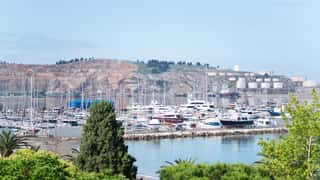
FreeThe waterfront promenade of Brindisi is the city's social spine. Reconstructed with polished limestone and lined with stately palm trees, it offers a stunning view of the inner harbor of the Adriatic Sea. You will walk past elegant 19th-century buildings and active marinas where luxury yachts dock alongside local fishing boats. This is the best place to experience the local 'passeggiata' culture. It is a good idea to start at the Piazza Vittorio Emanuele II and walk toward the Roman Columns. This route provides the most iconic views and the best breeze. Many visitors rush past the palm-lined squares, but it is a good idea to sit for a moment at a waterfront cafe. It is here that you feel the maritime pulse of Puglia. The experience is about atmosphere, not ticking off a list. It delivers a sense of place that the industrial port lacks entirely. Look for the 'Virgil's House' plaque near the columns, marking where the great poet supposedly died.
Lungomare Regina Margherita, 72100 Brindisi ·Open 24 hours ·www.brindisi.it
Palazzo Granafei-Nervegna · Cultural Site
FreeThis 16th-century Renaissance palace is the cultural hub of Brindisi. It houses the city's tourist information center and a series of archaeological exhibits. The star attraction is the original decorated capital of the Roman Column, which was moved here to prevent further damage from the salt air. You can inspect the intricate carvings of Neptune, Jupiter, and Mars at eye level—a perspective impossible at the harbor. The palace itself is a beautiful example of Puglian architecture, featuring a mix of Renaissance and Baroque elements. It is worth noting that this is the best-maintained facility in the city. Most visitors walk past the entrance, assuming it is just a government building. Don't make that mistake. Inside, you can see the results of recent excavations showing Roman-era floor mosaics right under the building's foundations. It provides the historical context needed to understand why Brindisi was so vital to Rome. It delivers a cool, quiet, and intellectual respite from the bustle of the waterfront.
Via Duomo 20, 72100 Brindisi ·+39 0831 229 784 ·9:00 AM – 7:00 PM ·www.brindisi.it
Church of San Giovanni al Sepolcro · Historical Site
EUR €3.00This circular, Romanesque baptistery is Brindisi's most mystical site. Built in the 11th century, its shape was designed to evoke the Church of the Holy Sepulchre in Jerusalem, reflecting Brindisi's role as the departure point for the Crusades. The interior is quiet and somber, with thick stone walls that block out the modern city. You will see remains of 12th-century frescoes depicting biblical scenes, still clinging to the curved walls. The columns inside are mismatched, likely scavenged from older Roman buildings, which gives the space an organic, layered feel. Visitors describe the atmosphere as 'hauntingly peaceful.' While most guides focus only on the Roman Columns, this church is considered the true heart of medieval Brindisi. It rewards those who appreciate architecture and the weight of history. Look for the intricately carved North portal featuring lions and botanical motifs. It delivers a profound sense of the religious fervor that once drove thousands of pilgrims through these very doors.
Via San Giovanni al Sepolcro, 72100 Brindisi ·+39 0831 229 641 ·9:00 AM – 1:00 PM, 4:00 PM – 7:00 PM ·www.brindisi.it
Roman Columns · Landmark
FreeStanding 19 meters high, the surviving Roman Column is the undisputed symbol of Brindisi. For nearly two millennia, these pillars have served as a lighthouse of sorts for ships entering the harbor. They traditionally marked the end of the Via Appia, the queen of Roman roads. You cannot visit Brindisi without standing here. From the base, you have the single best view of the inner harbor and the 'Monument to the Sailor' across the water. The limestone has been weathered by salt and time, yet the Corinthian capital remains remarkably detailed. It is best to approach from the Duomo side to avoid the steep stairs from the water if you have any mobility concerns. This site is where the ancient world meets the modern maritime city. Most visitors take a quick photo and leave, but visitors should look at the surrounding foundations, which hint at the massive Roman structure that once stood here. It delivers that 'milestone' moment travelers seek—the feeling of reaching the edge of an empire.
Via Colonne, 72100 Brindisi ·Visible 24 hours ·www.brindisi.it
Pontificia Basilica Cattedrale (Duomo) · Cultural Site
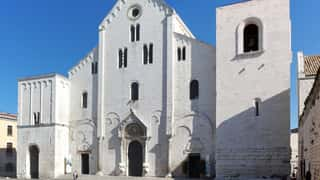
FreeBrindisi’s Cathedral, consecrated by Pope Urban II in 1089, is a site of immense historical weight, despite its current Baroque appearance. It was here that Frederick II was married and where the relics of Saint Theodore, the city’s patron, are kept. The building was significantly reconstructed following a 1743 earthquake, but the medieval layout remains. You will find the interior surprisingly light and airy compared to the somber San Giovanni. The side chapels house impressive silverwork and religious relics that are considered the finest in Puglia. When you walk through the doors, you are entering a space that has hosted kings, popes, and crusaders for 900 years. Most visitors overlook the intricate wood carvings in the choir; take a moment to inspect them. It rewards the faithful and the historically curious alike. It delivers a sense of the continuity of Puglian tradition—from the medieval pilgrims to the modern-day parishioners who still gather here daily.
Piazza Duomo, 72100 Brindisi ·+39 0831 523 160 ·8:00 AM – 12:30 PM, 4:00 PM – 8:00 PM ·www.cattedralebrindisi.it
Eating & Drinking in Brindisi
Puglian cuisine is defined by 'Cucina Povera'—the art of making world-class food from simple, sun-drenched ingredients. The regional identity is centered on 'Orecchiette' (little ear pasta), typically served with bitter cime di rapa (turnip tops) or a rich tomato-based braciola. Unlike the creamy sauces of Northern Italy, here everything is fueled by the region's intense, peppery olive oil. You must try 'Burrata,' which was invented in nearby Andria—a mozzarella pouch filled with cream and curds. For street food, look for 'Puccia,' a sandwich made from pizza dough filled with local meats and pickles. To drink, Brindisi is the home of Negroamaro and Primitivo red wines; they are high-alcohol, deeply colored, and taste of sun-baked fruit. One honest note: tourists often ask for 'Bolognese' or 'Fettuccine Alfredo,' but these are not Puglian and usually come from a freezer in this part of Italy. Stick to the 'Terra e Mare' (Land and Sea) specialties that define the Salento coast.
| Place | Address | Phone | Hours | Website | Price range |
|---|---|---|---|---|---|
| La Locanda del Porto | Via del Mare 43, 72100 Brindisi | +39 0831 568 181 | 12:30 PM – 3:00 PM, 7:30 PM – 11:30 PM | lalocandadelporto.it | €30.00–€45.00 (~$35.00–$52.00 USD) |
| Trattoria Pantagruele | Via Fornari 1, 72100 Brindisi | +39 0831 560 605 | 12:30 PM – 2:30 PM, 8:00 PM – 10:30 PM | €25.00–€35.00 (~$29.00–$40.00 USD) | |
| Betty Cafe | Lungomare Regina Margherita 4, 72100 Brindisi | +39 0831 562 344 | 7:00 AM – Midnight; Happy Hour from 6:00 PM | €5.00–€12.00 (~$6.00–$14.00 USD) |
La Locanda del Porto
€30.00–€45.00 (~$35.00–$52.00 USD)Situated right on the water, this venue specializes in the 'crudo' (raw seafood) that Puglia is famous for. Order the mixed antipasto to taste five different local preparations. The service is professional yet warm. One honest limitation: it gets very loud during Sunday lunch, so book an outdoor table if possible.
Via del Mare 43, 72100 Brindisi ·+39 0831 568 181 ·12:30 PM – 3:00 PM, 7:30 PM – 11:30 PM
Trattoria Pantagruele
€25.00–€35.00 (~$29.00–$40.00 USD)This is where you go for 'cucina casalinga' (home cooking). The fava bean puree is a Puglian staple and they do it perfectly. It's a small, intimate space with vaulted stone ceilings. One honest limitation: they do not tolerate 'fast food' speeds; plan for a 90-minute lunch.
Via Fornari 1, 72100 Brindisi ·+39 0831 560 605 ·12:30 PM – 2:30 PM, 8:00 PM – 10:30 PM
Betty Cafe
€5.00–€12.00 (~$6.00–$14.00 USD)This is the most iconic spot on the waterfront for a drink. While they serve food, come for the 'Caffè in ghiaccio con latte di mandorla'—a Salento specialty. The view of the harbor at sunset is unbeatable. Locals come here to see and be seen. It's the perfect place to wait for your shuttle back to the terminal.
Lungomare Regina Margherita 4, 72100 Brindisi ·+39 0831 562 344 ·7:00 AM – Midnight; Happy Hour from 6:00 PM
Getting There & Around
Once you have reached the historic center, walking is the primary and most rewarding way to navigate. The central core is relatively flat and compact. For reaching the Casale district across the harbor, the 'motobarca' ferry is indispensable; it runs every 15–20 minutes and costs only €1.00 (~$1.15 USD). Taxis within the city center are rare to hail; you should ask a cafe to call one or walk to the rank at Piazza Vittorio Emanuele II. Uber does not operate in Brindisi, and local rideshare apps are non-existent. For regional travel, the train is exceptionally reliable. A one-way ticket to Lecce costs approximately €3.20 (~$3.70 USD) and takes 30 minutes. The walk from the harbor to the train station takes about 12 minutes. Avoid bike rentals unless you are an experienced cyclist; while the center is flat, the local driving style is aggressive and bike lanes are virtually non-existent.
Itineraries & Sample Walks
4-Hour Shore Excursion in Brindisi
Roman Columns (Colonne Romane)
9:00 AM (30 min)
The literal end of the Appian Way. Stand at the base of the surviving 19-meter column and look out over the harbor. It’s a powerful connection to Roman history.
- Taxi from Costa Morena terminal. (€25.00 (~$29.00 USD))
- Entry: Free (Free)
- Look at the base of the column to see the original carvings of sea deities; most people just look up and miss them.
Church of San Giovanni al Sepolcro
9:45 AM (45 min)
An 11-century circular baptistery built by the Normans to replicate the Holy Sepulchre in Jerusalem. The interior frescoes are haunting and beautiful.
- 5-minute walk via Via Duomo.
- Entry: €3.00 (~$3.50)
- The acoustics here are incredible; if it's quiet, listen to the echo of your own footsteps.
Lungomare Regina Margherita
10:45 AM (60 min)
A relaxing walk along the waterfront. Stop for a coffee or gelato and watch the ferries and yachts in the inner harbor.
- 5-minute walk downhill.
- Entry: Free (Free)
- Stop at 'Betty Cafe' for a traditional espresso; it’s where local businessmen and harbor pilots congregate.
Lunch Recommendation
Alle Due Corti
This is a recognized 'temple' of Puglian tradition. Unlike the tourist traps on the main square, they preserve recipes that are centuries old.
Order: Ciceri e Tria (pasta with chickpeas, part of which is fried), Orecchiette with turnip tops (cime di rapa)
Corte dei Giugni 1, 73100 Lecce, Italy
Cost: €35.00 (~$40.00 USD)
8-Hour Full Day Experience in Brindisi
Lecce Historic Center
8:30 AM (180 min)
Known as the 'Florence of the South,' Lecce is a Baroque masterpiece. Visit the Basilica di Santa Croce and the Roman Amphitheatre.
- Train from Brindisi Centrale or private transfer. (€3.20 (~$3.70 USD) train)
- Entry: Free (Free)
- Visit the 'Cartapesta' (paper-mache) workshops; it’s a craft unique to this city since the 17th century.
Lunch at Alle Due Corti
1:00 PM (90 min)
Authentic Salento 'cucina povera' (peasant cooking).
- 10-minute walk from the Piazza Duomo.
- Entry: N/A (N/A)
- Ask for the daily specials; they often feature vegetables you won't find on standard menus.
Getting back to the ship
For ships docking at Costa Morena, you must depart the city center at least 60 minutes before your 'All Aboard' time. A taxi from Piazza Vittorio Emanuele II takes approximately 15 minutes and costs €25.00 (~$29.00 USD). If you are using the ship's shuttle, arrive at the pickup point 20 minutes early as the last buses are always congested. If you miss the ship, the port agent's number is listed on your daily program; they can assist, but you will be responsible for the cost of reaching the next port (often Bari or Corfu). Missing the ship in Brindisi is a logistical challenge as the commercial port is restricted; you cannot simply walk to the gangway. Passengers have been stranded because they waited for a 'final' taxi that never arrived; a backup plan is always recommended.
Weather & Best Time to Visit Brindisi
Weather & What to Pack
Cruise season: April through October
Temperatures range from 18°C (64°F) in April to 31°C (88°F) in July/August. Very low rainfall in summer; humidity can be high near the Adriatic Sea.
What to wear: Breathable linen or cotton clothing is essential for the summer heat. Sturdy, closed-toe walking shoes are required for the limestone streets, which can be slippery even when dry. A light pashmina or scarf is needed for entry into churches like the Duomo, where shoulders must be covered. Sunscreen and a hat are non-negotiable for the exposed pier and waterfront.
Weather risks: Occasional strong Adriatic winds (Bora) can cause slight delays in docking or make the harbor ferry crossing choppy.
Early May and late September offer the best balance of temperature and light for photography without the oppressive August humidity.
| Season | Conditions | Hazards | Affected areas | Visitor advice |
|---|---|---|---|---|
| Summer (June–August) | Intense heat and high humidity, with temperatures frequently exceeding 32°C (90°F). The sun is punishing on the exposed harbor promenade. | Heat exhaustion on the Roman Columns steps and slippery, sun-bleached limestone pavements in the Centro Storico. | Lungomare Regina Margherita and the archaeological sites lack shade. | Wear a wide-brimmed hat and prioritize indoor museums between 12:00 PM and 3:00 PM. The temperature on the quay is 35°C (95°F) in July; stay hydrated. |
| Spring and Autumn (April–May, September–October) | Mild and pleasant, with temperatures between 18°C (64°F) and 24°C (75°F). Occasional 'Scirocco' winds bring dust and warmth from Africa. | Sudden coastal showers can make the smooth cobblestones of Via Duomo surprisingly slick. | The historic center's narrow alleys and the ferry boarding ramps. | Light layers are essential. This is the optimal time for walking tours of the old town or visiting Ostuni. |
Practical Information
Cultural etiquette
Locals in Brindisi greet each other with a firm handshake or a light kiss on both cheeks (starting with the left) once a friendship is established. As a visitor, a polite 'Buongiorno' (morning) or 'Buonasera' (afternoon/evening) is mandatory when entering any shop or cafe. Dining is a sacred, slow event; splitting a single pasta dish between two adults is considered unusual—order a 'Primo' and a 'Secondo' if you want to eat like a local. Photography inside churches is usually permitted but never during mass, and you must never use a flash on ancient frescoes. Queueing is more of a 'suggestion' in Southern Italy; be firm in your position at the bar or ticket counter without being aggressive. Tipping is not expected as in the US; a 'coperto' (cover charge) is usually on the bill. However, rounding up to the nearest €5.00 for a good meal or giving a guide €5.00–€10.00 is appreciated. A common mistake is trying to shop or eat lunch between 1:30 PM and 4:30 PM; the city effectively shuts down for the 'controra' (midday rest).
Mistakes to Avoid
| Mistake |
|---|
Attempting to walk from the Costa Morena industrial pier to the city center. |
Heading to the historic center between 1:30 PM and 4:00 PM. |
Waiting for a bus to Lecce on a Sunday morning. |
Buying 'Primitivo' wine at the port terminal shops. |
Practical tips
Local currency is the Euro (€). While credit cards are accepted in major boutiques and waterfront restaurants, smaller 'tabacchi' shops and local markets are strictly cash-only. Visitors should carry at least €40 in small bills for taxis and snacks. A 10% tip is generous but not required for exceptional restaurant service. Learning five phrases will change your experience: 'Buongiorno' (Good morning), 'Per favore' (Please), 'Grazie' (Thank you), 'Il conto, per favore' (The bill, please), and 'Parla Inglese?' (Do you speak English?). Pickpocketing is rare but occurrs at the Brindisi Centrale train station and in crowded markets; keep your bag in front of you. Dress code for the Duomo requires covered shoulders and knees—carry a light scarf. The best time to visit the Roman Columns is 30 minutes before sunset to avoid the heat and capture the best light. Note that on Sundays, many local bus routes run on a 'Festivo' schedule, which is significantly less frequent.
Cruise Lines Visiting Brindisi
Port of Call






Embarkation / Disembarkation
Why Book With Waterways Cruise?
Four decades of expertise, one dedicated advisor, and every detail handled, from your front door to the gangway and back.
Personal Service — Your Own Cruise Concierge
Tailor-Made — 100% Custom-Built
Expertise — 40+ Years in Travel
Price Watch — Book With Total Confidence
Signature Sailings
All Cruise Lines at Brindisi (A–Z)
Nearby Ports




FAQ — Brindisi
How do I get from the Brindisi cruise ship to the train station?
If you dock at Costa Morena, take a taxi (€25.00 / ~$29.00 USD) directly to 'Stazione Centrale.' The journey takes 15 minutes. If your ship provides a shuttle to the city center, it will likely drop you at Piazza Vittorio Emanuele II; from there, it is a 12-minute, 1 km (0.6 mile) flat walk up Corso Umberto I to the station. This route is very manageable for those with light luggage. For a guaranteed stress-free transfer, book a private car.
Is Brindisi safe for solo walkers?
Yes, Brindisi is generally very safe. The historic center is well-lit and populated by locals. However, avoid walking alone in the industrial areas surrounding Costa Morena and the dark alleys near the train station late at night. As in any port city, keep your valuables in a crossbody bag. There have been zero reported incidents of violent crime among the thousands of visitors to this location.
Can I visit Alberobello from Brindisi in one day?
It is possible but tight. Alberobello is 80 km (50 miles) away, taking about 60–70 minutes by car. It is best to avoid taking the train as it requires a change and takes over 2 hours each way. Only attempt Alberobello if you have at least an 8-hour port call and book a private driver. You will spend 2.5 hours in transit to see the 'Trulli' houses for about 2 hours.
What is the best thing to buy in Brindisi?
Olive oil and local wine (Negroamaro) are the top choices. For a unique souvenir, look for 'Orecchiette' pasta handmade by local women and dried. It travels well and tastes significantly better than supermarket versions. Expect to pay €5.00 (~$6.00 USD) for a 500g bag in the local markets.
Are there any beaches near the Brindisi cruise port?
There are no swimming beaches at the cruise terminal or in the city center. The nearest sandy beach is Torre Rossa, about 15 minutes north by taxi (€30.00 / ~$35.00 USD). Do not expect luxury beach clubs; these are mostly local spots with basic facilities. If a beach is your priority, Brindisi may disappoint you compared to other Mediterranean stops.
Is English widely spoken in Brindisi?
In the major restaurants and tourist sites, yes. However, in smaller shops and the local market, English is very limited. Brindisi is not a major international hub like Rome. Using basic Italian greetings will significantly improve your service and interactions with the locals.
What should I do if I only have 3 hours in Brindisi?
Take a taxi to the Roman Columns, walk down the waterfront (Lungomare), and have a quick espresso at Betty Cafe. This gives you the 'greatest hits' of the city's maritime history without the stress of missing your ship. Do not attempt to leave the city center.
Are museums in Brindisi open on Mondays?
Many municipal museums, like the Museo Archeologico 'F. Ribezzo,' are closed on Mondays. However, the Roman Columns and the exterior of the castles are always visible. Always check the specific hours for Palazzo Granafei-Nervegna if you are visiting on a Monday.
What is the best way to get to Lecce from the port?
The train is the most efficient and cost-effective method. It leaves Brindisi Centrale every 30–60 minutes and costs roughly €3.20 (~$3.70 USD). The ride is a comfortable 30 minutes. Ensure you validate your ticket in the green machines on the platform before boarding to avoid a heavy fine.
Can I see the Swabian Castle (Castello Svevo)?
Unfortunately, the castle is currently used by the Italian Navy and is generally closed to the public except for special heritage days. You can view the massive exterior walls and towers from the street, but do not expect to go inside. This is a common disappointment for history buffs.
Fact-checked and co-written by J. Richard, Founder, Waterways Cruise, with the Waterways Cruise Content Team.
Published May 19, 2026 · Last updated November 2, 2026
This guide is researched and reviewed by our editorial team, but prices, hours, and availability change often. Confirm current details directly with venues, excursion operators, and your cruise line before you travel.