Malaysia Cruise Ports & Cruise Guide
Total 8
This page is an overview of the 8 cruise ports in Malaysia, covering ocean cruises. Cruises start and end at Langkawi, Kota Kinabalu, Malacca. 44 cruise ships visit Malaysia across 8 ports. See live sailings and availability on the Malaysia cruises page.


Malaysia is a two-sided gem: the historic Straits of Malacca ports of Penang, Malacca, and Port Klang/Kuala Lumpur on the peninsula, and the wilder Borneo ports of Kota Kinabalu and Kuching. For the American traveler, it delivers accessible culture, world-class street food, UNESCO heritage, and gentle adventure without requiring a grueling overland tour. Cruising is the smart way to see the country's coastline, with most itineraries centered on Singapore and the Strait of Malacca. The main trade-off is that classic river cruising is limited; the best waterborne wildlife experience is the Kinabatangan River in Sabah, which is better added as an expedition or land extension.
Country facts
History
Sultanate of Malacca established maritime trade route in 15th century; later colonized by Portuguese, Dutch, British; post-independence federation of Malaya in 1957, Malaysia formed 1963; modern economy transformed from commodities to manufacturing and services; multiethnic society.
Malaysia's official narrative celebrates harmony, but ethnic and religious sensitivities are real, shaped by colonial-era migration and post-independence policies. Public discussion of race, royalty, and religion is legally restricted, and visitors should be aware of these boundaries.
Culture
Multiethnic and multilingual: Malay, Chinese, Indian, and indigenous Bornean cultures coexist; identity expressed through food, festivals, and daily life rather than a single national myth.
Music: Diverse: Malay traditional dikir barat and gamelan, Chinese opera, Indian classical, contemporary pop; P. Ramlee is a national icon.
Signature landscape: Tropical rainforests – some of the oldest on Earth – and exceptional marine biodiversity; Rafflesia flower, orangutans, proboscis monkeys, pygmy elephants.
Cuisine
- Nasi lemak
- Char kway teow
- Penang assam laksa
- Satay
- Roti canai
- Nasi kandar
- Hainanese chicken rice
- Bak kut teh
- Rendang
- Cendol
- Teh tarik
Architecture & heritage
- UNESCO World Heritage shophouses and colonial civic buildings in George Town and Malacca
- Petronas Twin Towers
- Sultan Abdul Samad Building
- Kampung Kling Mosque
- Kek Lok Si Temple
- Fort Margherita and Kuching Waterfront
- Baba Nyonya Peranakan mansions
- Sarawak Cultural Village
Tips for American travellers
- Do not point with your index finger; use a closed-finger thumb gesture.
- Remove shoes before entering homes, mosques, and some temples.
- Use your right hand for eating and handing money.
- Dress modestly at religious sites; women may need to cover hair in mosques.
- Avoid public displays of affection.
- Do not touch anyone on the head.
- Alcohol is available in cities and tourist areas but may not be served in some rural Islamic settings.
- Respect Ramadan by not eating or drinking in public during daylight hours in Muslim-majority areas.
Major cities & destinations
Kuala Lumpur Capital city and international gateway
Bustling capital where colonial-era buildings sit beside steel-and-glass towers; exceptional street food and museums.
Main gateway for cruises docking at Port Klang; many lines offer KL shore excursions from the port.
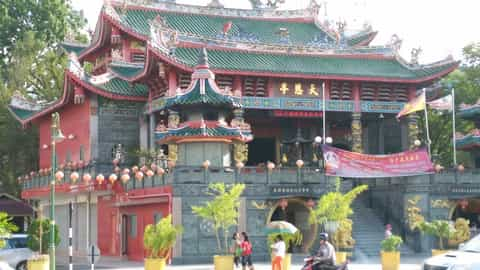
Petronas Twin Towers Batu Caves Merdeka Square Sultan Abdul Samad Building National Mosque Islamic Arts Museum Malaysia Central MarketGeorge Town (Penang) UNESCO World Heritage city and cruise port
Colonial shophouses, vibrant street art, Peranakan culture, and arguably Malaysia's best street food.
Main deep-water port on the northwest coast; regular turnaround and port-of-call; easy access to island attractions.
Fort Cornwallis Cheong Fatt Tze Mansion Pinang Peranakan Mansion Khoo Kongsi Kek Lok Si Temple Penang Hill Street art of Armenian StreetMalacca City UNESCO World Heritage city and cruise call/tender port
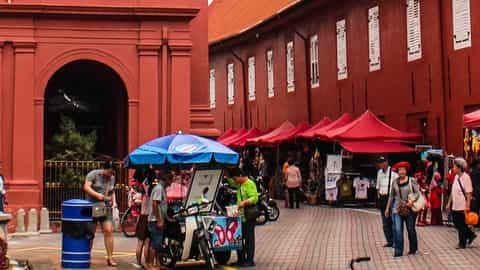
Compact historic river city layered with Malay, Portuguese, Dutch, British, and Chinese influences.
Ships sometimes anchor offshore and tender passengers to the river mouth; walking distance to old town.
A Famosa St. Paul's Hill Christ Church Melaka Stadthuys Jonker Street Baba Nyonya Heritage Museum Malacca RiverLangkawi Archipelago and duty-free resort island
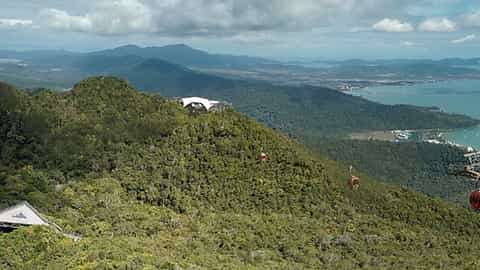
Island-hopping, mangrove kayaking, cable car, and duty-free shopping; a relaxed contrast to historic cities.
Port of call for ships transiting the Strait of Malacca; tenders often used; stunning limestone landscapes.
Langkawi Sky Bridge Cable car at Oriental Village Kilim Karst Geoforest Park Eagle Square (Dataran Lang) Tanjung Rhu Beach Temurun WaterfallKota Kinabalu Capital of Sabah and gateway to Borneo
Waterfront city framed by Mount Kinabalu; gateway to islands, rainforests, and indigenous cultures.
Deep-water port on the South China Sea; used by regional and world-cruise itineraries for Borneo exploration.
Tunku Abdul Rahman Marine Park Kota Kinabalu City Mosque Atkinson Clock Tower Gaya Street Sunday Market Signal Hill Observatory Sabah State MuseumKuching Capital of Sarawak and river city
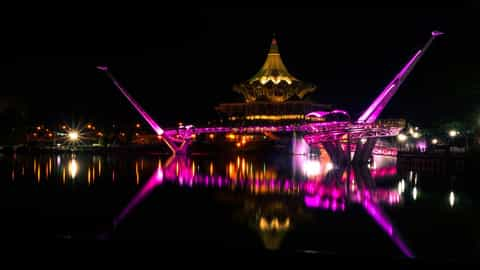
Charming waterfront, historic Brooke-era architecture, nearby rainforests and orangutan sanctuaries.
River port on the Sarawak River; smaller ships and expedition-style itineraries call; gateway to Sarawak's interior.
Kuching Waterfront Sarawak State Legislative Assembly Building Cat Monument Sarawak Museum Fort Margherita Bako National Park Semenggoh Wildlife CentreCruise ports of call
Malaysia's cruise calls fall into two broad geographic clusters: the historic ports of the Strait of Malacca on the peninsula, and the South China Sea/Borneo ports of Kota Kinabalu and Kuching. Port Klang is the main turnaround and gateway for Kuala Lumpur.
- Straits of Malacca & Peninsular Heritage – Port Klang/Kuala Lumpur, Penang/George Town, Malacca City, Langkawi; usually combined with Singapore, Phuket, or Yangon.
- Borneo & South China Sea – Kota Kinabalu, Kuching, and sometimes Sandakan or Brunei; often combined with Singapore, Bali, or Manila.
Port Klang Straits of Malacca & Peninsular Heritage
Main Malaysian cruise hub, located about 50 km from Kuala Lumpur. Cruise Terminal at Pulau Indah handles turnarounds and transit calls.
Best for: Kuala Lumpur excursions, Batu Caves, Putrajaya, and national museums.
Operators: Resorts World Cruises, Costa Cruises, MSC Cruises, Celebrity Cruises, Princess Cruises, Royal Caribbean International, Holland America Line, Cunard
George Town (Penang) Straits of Malacca & Peninsular Heritage
Penang Port has a dedicated cruise terminal at Swettenham Pier, in walking distance to George Town's core.
Best for: Heritage, street food, street art, and island viewpoints.
Operators: Resorts World Cruises, Costa Cruises, MSC Cruises, Celebrity Cruises, Princess Cruises, Royal Caribbean International, Holland America Line, Cunard, Regent Seven Seas Cruises, Seabourn, Windstar Cruises
Malacca City Straits of Malacca & Peninsular Heritage
Cruise ships often anchor off the coast and tender passengers into the Malacca River mouth; old town is compact and walkable.
Best for: Colonial history, Peranakan culture, river views, night markets.
Operators: Seabourn, Windstar Cruises, Regent Seven Seas Cruises, Silversea, Azamara
Langkawi Straits of Malacca & Peninsular Heritage
Port calls use the Kuah jetty or tender to shore; a UNESCO Global Geopark famous for limestone karsts, mangroves, and beaches.
Best for: Scenic boat rides, cable car, mangroves, and island-hopping.
Operators: Princess Cruises, Royal Caribbean International, Costa Cruises, MSC Cruises, Seabourn, Windstar Cruises, Regent Seven Seas Cruises
Kota Kinabalu Borneo & South China Sea
Modern city with a deep-water container/cruise port; the port is close to the city centre and the Tunku Abdul Rahman Marine Park.
Best for: Island snorkeling, Borneo wildlife, Mount Kinabalu views, local markets.
Operators: Costa Cruises, MSC Cruises, Celebrity Cruises, Princess Cruises, Royal Caribbean International, Holland America Line, Cunard, Regent Seven Seas Cruises, Seabourn, Windstar Cruises
Kuching Borneo & South China Sea
Vessels dock along the Sarawak River near the waterfront; Kuching is small, safe, and easy to explore on foot.
Best for: Sarawak culture, Brooke-era history, orangutans, national parks, and river views.
Operators: Seabourn, Windstar Cruises, Regent Seven Seas Cruises, Silversea, Azamara, Costa Cruises
Singapore is the main regional embarkation hub for Malaysia cruises; Phuket, Bangkok/Laem Chabang, Ho Chi Minh City, and Bali often appear on the same itineraries. Peninsular Malaysia's east coast is not served by international cruise ships due to shallow waters and weather.
All cruise ports in Malaysia
Ships visiting by type: 43 ocean 3 expedition
Showing 8 ports in Malaysia





River cruises & routes
Malaysia has no European-style river cruise fleet, but river-based wildlife and heritage trips are well developed, especially in Sabah and Sarawak. The Kinabatangan River in Sabah is the flagship wildlife cruise route. The Sarawak River through Kuching offers shorter heritage and sunset cruises. On the peninsula, the Malacca River cruise is a short sightseeing ride through the UNESCO city.
| Route | Length | Countries | Highlights |
|---|---|---|---|
| Kinabatangan River Safari: Sandakan to Sukau | 3-4 days | Malaysia (Sabah, Borneo) | Proboscis monkeys, orangutans, pygmy elephants, hornbills, night river cruises, village visits |
| Sarawak River: Kuching city and Bako extension | 1-2 days | Malaysia (Sarawak, Borneo) | Kuching Waterfront, Fort Margherita, Bako National Park, Semenggoh orangutans |
| Malacca River heritage cruise | 45-60 minutes | Malaysia (peninsula) | Colonial architecture, Kampung Morten, river murals, night lights |
Season: West coast and Malacca Strait: best November to March for calmer seas; Borneo: March to October for drier wildlife-viewing; note that the east coast peninsula is monsoon-season from November to February, so cruise lines avoid it.
Cruise lines visiting Malaysia
No large cruise line is headquartered in Malaysia, but the country is a regular call on Asia and world cruise itineraries. Resorts World Cruises operates regional sailings from Port Klang. Luxury and expedition lines often include less-visited ports like Malacca, Kuching, and Kota Kinabalu.
Resorts World Cruises
Regional Southeast Asia cruises from Port Klang and Singapore, including Penang, Malacca, Langkawi, and Phuket.
Ships: Resorts World One
Costa Cruises
Asia programs combining Singapore, Port Klang, Penang, Langkawi, and Phuket.
Ships: Costa Serena
MSC Cruises
Asia and world-cruise itineraries that include Port Klang, Penang, Langkawi, and Kota Kinabalu.
Ships: MSC Magnifica
Celebrity Cruises
Asia and Australia-based sailings calling at Port Klang, Penang, and Kota Kinabalu.
Ships: Celebrity Solstice
Princess Cruises
Asia, world-cruise, and Australia itineraries with Malaysian port calls.
Ships: Diamond Princess
Royal Caribbean International
Asian homeport cruises from Singapore and China that include Port Klang, Penang, and Langkawi.
Ships: Spectrum of the Seas
Holland America Line
World cruises and Asia voyages calling at Port Klang, Penang, and Kota Kinabalu.
Ships: Volendam, Westerdam
Cunard
World-voyage segments that include Malaysian ports such as Port Klang, Penang, and Kota Kinabalu.
Ships: Queen Elizabeth, Queen Victoria
Regent Seven Seas Cruises
Luxury world-cruise and Asia itineraries that can include Penang, Malacca, Langkawi, Kota Kinabalu, and Kuching.
Ships: Seven Seas Voyager, Seven Seas Explorer
Seabourn
Small-ship Asia and world-cruise itineraries calling at smaller Malaysian ports.
Ships: Seabourn Encore, Seabourn Sojourn
Windstar Cruises
Small-ship sailings that include Malacca, Penang, Langkawi, Kota Kinabalu, and Kuching.
Ships: Star Pride, Wind Surf
Silversea
Luxury world cruises and Asia voyages with Malaysia port calls, including Malacca and Kuching.
Ships: Silver Muse, Silver Shadow
Azamara
Country-intensive Asia itineraries that often include Malacca, Penang, and Kuching.
Ships: Azamara Pursuit, Azamara Quest
Most calls are transit port calls on Singapore- or Bangkok-based itineraries, not dedicated Malaysia cruises. Passengers seeking deeper Malaysia coverage should look at small-ship/luxury lines or custom land packages before/after a cruise.
Planning & advice
Malaysia offers the depth and complexity of Asia without the intensity of India or China: first-class heritage cities, extraordinary food, friendly English speakers, and clear cruise logistics. It rewards travelers who want to wander, eat, and listen more than be bused and herded.
For the American traveller
- US citizens do not need a tourist visa for stays up to 90 days.
- Malaysia is generally safe; petty theft and snatch-theft can occur, so keep bags closed and cross streets carefully.
- Traffic drives on the left; pedestrian crossings are not always respected.
- Heat and humidity are intense; hydrate and use sunscreen.
- Tap water is not always potable; drink bottled or filtered water.
- Mosques require modest dress and removal of shoes; women may need to cover hair at some sites.
- Public alcohol is available in cities and tourist areas but is not served in some rural or Islamic settings.
- Penalties for drugs are severe, including mandatory death penalty for trafficking.
- Avoid political demonstrations; do not discuss race, religion, or royalty casually.
- Hawker food is generally excellent, but choose busy stalls and avoid ice in questionable places if sensitive.
Excursion planning
- Use the ship's shuttle for tendered ports if walking distance is unclear, but once ashore you can often explore independently without a full ship tour.
- Hire private licensed guides for Georgetown, Malacca, and Kuching to avoid large groups and move at your own pace.
- Start Batu Caves and Kek Lok Si early to beat heat and crowds.
- In Port Klang, plan at least 90 minutes each way to Kuala Lumpur; use the ship's excursion if you are on a tight schedule.
- Book directly with reputable local operators for river safaris and island boats; ask about safety equipment.
- Carry small denominations of ringgit for food, restrooms, and tips.
- For Borneo, bring insect repellent and long sleeves for river cruises.
The verdict
A strong, layered destination for milestone travelers. Pair a Singapore-to-Kuala Lumpur or Singapore-to-Bangkok cruise with pre/post-cruise days in George Town and Malacca, and add a Kinabatangan River extension if Borneo wildlife calls. Go for the food, the colonial history, and the uncommon calm of a genuinely multicultural Asian society.
Sources
- CIA World Factbook — Malaysia (accessed 2026-09-09)
- Tourism Malaysia — Official Website (accessed 2026-09-09)
- UNESCO World Heritage Centre — Melaka and George Town, Historic Cities of the Straits of Malacca (accessed 2026-09-09)
- Britannica — Malaysia (accessed 2026-09-09)
- Sabah Tourism — Kinabatangan River (accessed 2026-09-09)
- Sarawak Tourism Board — Kuching (accessed 2026-09-09)