Maldives Cruise Ports & Cruise Guide
Total 2
- Kaafu Atoll
This page is an overview of the 2 cruise ports in Maldives, covering ocean cruises. 11 cruise ships visit Maldives across 2 ports. See live sailings and availability on the Maldives cruises page.
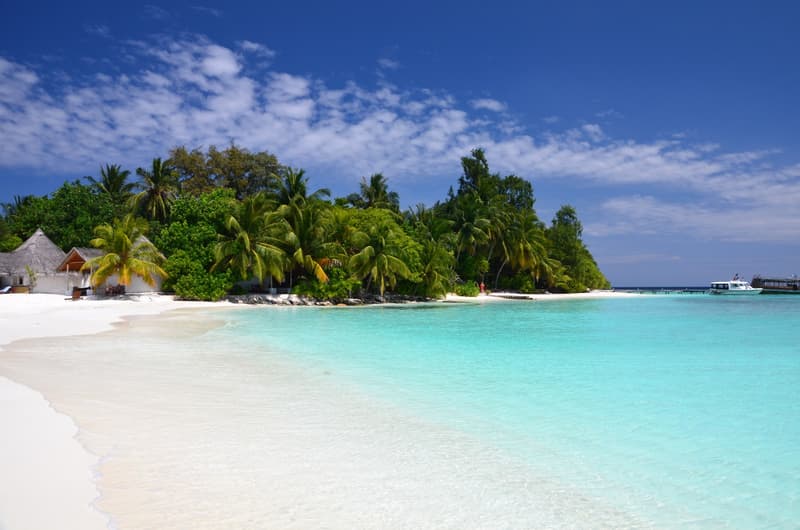

The Maldives is a once-in-a-lifetime ocean destination: 26 coral atolls, luminous lagoons, and some of the world's best snorkeling and diving. For milestone travelers who fear being herded, the key is small-ship expedition cruising rather than resort-island packages. This package balances the country's fragile natural beauty with its lesser-known cultural history, from coral-stone mosques and lacquerware villages to the old British naval heritage of Addu City. It is not a conventional river-cruise destination; it is an atoll-cruise destination where tenders replace riverbanks and protected reefs replace medieval towns.
Country facts
History
The Maldives has been a crossroads of Indian Ocean trade for two millennia. Archaeological evidence points to Buddhist and Hindu-influenced island kingdoms before the gradual conversion to Islam beginning in the 12th century. Later periods brought Portuguese, Dutch, and British imperial pressure, but the sultanate survived until the mid-20th century. Independence in 1965, the establishment of a republic in 1968, and the opening of the first tourist resort in 1972 set the country on its modern path. More recently, the 2004 Indian Ocean tsunami and climate-driven sea-level rise have made the Maldives a global symbol of environmental fragility.
Political freedom in the Maldives has fluctuated. Human rights groups have raised concerns about due process, judicial independence, and Islamist extremism. The economy depends heavily on tourism and imported goods, leaving the country vulnerable to debt, global shocks, and climate change. The low-lying geography is not just a scenic feature; it is an existential challenge.
Culture
Dhivehi culture blends South Asian, Arab, and East African influences, shaped by centuries of Indian Ocean trade and by Islam, which is the state religion. Island life is organized around the sea, with fishing and seafaring historically at the center. Modern national identity balances tourism-driven openness with conservative local customs.
Music: Boduberu drumming is the signature folk sound—African-influenced, hypnotic, and percussive. Thara choral songs and ban-diya jehun drum-dances also appear at festivals and special events.
Signature landscape: Coral atolls, lagoon reefs, and house reefs surrounding every island; Baa Atoll Biosphere Reserve is a UNESCO-designated manta ray aggregation site.
Cuisine
- Mas huni – shredded smoked tuna with coconut, onion, and chilli, eaten with roshi flatbread
- Garudhiya – clear tuna broth with lime and chilli
- Hedhikaa – fried 'short eats', including bis keemiya (samosas) and kulhi bōkiba (fish cakes)
- Gulha – fried dough balls stuffed with smoked fish and coconut
- Reef fish curries, coconut sambol, and dishes made with 'Maldive fish' (cured tuna)
Architecture & heritage
- Coral stone mosques, including the UNESCO-listed Hukuru Miskiy (Old Friday Mosque) in Malé
- Buddhist archaeological remains on islands such as Kaashidhoo and Thoddoo
- Maldivian lacquerware (liyelaa), especially the traditional workshop island of Thulhaadhoo
- Old British-era structures and the former RAF Gan in Addu City
Tips for American travellers
- Dress modestly on inhabited islands; topless sunbathing is illegal and offensive.
- Alcohol is prohibited outside resorts and licensed liveaboard/cruise vessels.
- Friday prayers mean many shops and offices close until mid-afternoon.
- Use reef-safe sunscreen and avoid touching coral or feeding fish.
- Do not assume resorts represent local culture; book local island visits to understand the real Maldives.
Major cities & destinations
Malé Capital city and cultural heart
Dense, lively island capital with centuries of history, markets, and the country's most important mosque.
Primary embarkation/disembarkation port and first exposure to local Dhivehi life.
Hukuru Miskiy (Old Friday Mosque) and its coral-stone tombstone cemetery Maldives National Museum in Sultan Park Local fish market and fruit market Republic Square and the waterfrontHulhumalé Reclaimed urban island and airport satellite
Modern residential island, beach park, and gateway to Velana International Airport; shows the country's response to sea-level rise.
Often used for overnight pre-cruise stays and flight connections.
Hulhumalé Beach and Central Park Artificial beach and waterfront promenade Hulhulé Island viewpoint over the airport runwayBaa Atoll UNESCO Biosphere Reserve and marine park
Manta rays, whale sharks, coral gardens, and local island life.
Signature expedition cruising area; Hanifaru Bay is protected and regulated during manta season.
Hanifaru Bay (seasonal manta ray feeding area) Dharavandhoo Island and its reef Maalhos and Thulhaadhoo craft villagesRasdhoo Atoll destination with house-reef diving
Healthy reefs, channels with sharks and rays, and a laid-back local island.
Anchorage for diving-oriented expedition routes in North Ari Atoll.
Rasdhoo reef and hammerhead point (experienced divers) Sandbank picnic sites Local island guesthouse laneFuvahmulah Single-island atoll and tiger-shark diving destination
Unique island with two freshwater lakes, fertile wetland, and exceptional deep-water diving.
Specialty stop for adventurous expedition cruises; no lagoon, so anchorage is offshore.
Dhadimagi Kilhi (freshwater lake) Bandaara Kilhi lake and wetlands Fuvahmulah harbour with tiger-shark sightings (seasonal)Addu City Southern urban centre and historical British naval base
Distinct southern culture, WWII/RAF Gan heritage, and calm lagoons.
Southern turn-around port for Indian Ocean routes; protected anchorage at Gan.
Gan Island former RAF runway Hithadhoo town and Addu Nature Park British Loyalty shipwreck in Addu AtollCruise ports of call
Cruise calls in the Maldives are mostly small-ship, expedition-style visits. There are no inland rivers, so ports are island anchorages, jetties, or tenders. The most common cruising regions are North Malé to Baa Atoll, and Central/Southern Atolls from Ari to Addu City. Deep-water docks exist at Malé Commercial Harbour and Gan, but many landings are done by tender, and itineraries remain weather-dependent.
- Northern Atolls & Heritage Trail – Malé, Baa Atoll, Raa Atoll, and local craft islands
- Central & Southern Atolls Expedition – Malé, Ari Atoll, Fuvahmulah, and Addu City
Malé Central gateway for both route families
The historic and political heart of the Maldives, set on a dense island beside the airport. Ships anchor offshore or berth at the commercial harbour and tender passengers ashore.
Best for: Cultural orientation, local markets, Islamic heritage, and embarkation/disembarkation
Operators: Ponant, Silversea, Emerald Cruises, Scenic Eclipse, Coral Expeditions
Hulhumalé Central gateway for both route families
A reclaimed island connected to Malé and the airport, with wide beaches, parks, and modern cafés. Often used for pre-cruise hotel stays.
Best for: Pre-cruise relaxation, beach walks, and easy airport logistics
Operators: Emerald Cruises, Scenic Eclipse
Maafushi Central & Southern Atolls Expedition
One of the most established local-guesthouse islands in South Malé Atoll, offering a real look at inhabited island life.
Best for: Community tourism, beach time, and easy snorkeling
Operators: Emerald Cruises, Scenic Eclipse, Coral Expeditions
Rasdhoo Central & Southern Atolls Expedition
A small local island in North Ari Atoll with a famous house reef and nearby channels known for sharks and rays.
Best for: Serious snorkelers, divers, and those seeking an unhurried island stop
Operators: Ponant, Coral Expeditions, Emerald Cruises
Thulhaadhoo Northern Atolls & Heritage Trail
A small Baa Atoll island famous for traditional Maldivian lacquerware. Visitors can watch artisans turn local wood into decorative bowls and boxes.
Best for: Cultural craft heritage and slow island exploration
Operators: Ponant, Coral Expeditions
Dharavandhoo Northern Atolls & Heritage Trail
Gateway island to the UNESCO Baa Atoll Biosphere Reserve and the seasonal manta feeding area of Hanifaru Bay.
Best for: Manta ray snorkeling, marine biology, and eco-focused excursions
Operators: Ponant, Silversea, Scenic Eclipse
Fuvahmulah Central & Southern Atolls Expedition
A singular island south of the main atoll chain, with no lagoon. Its steep underwater drop-offs attract tiger sharks, thresher sharks, and pelagic fish.
Best for: Advanced diving, birdwatching, and a genuinely off-the-beaten-path feel
Operators: Ponant, Scenic Eclipse, Coral Expeditions
Addu City Central & Southern Atolls Expedition
The Maldives' southern urban center, spread across several linked islands including Gan, Hithadhoo, and Maradhoo. Formerly a British RAF base.
Best for: History, cycling, birdwatching, and a different island culture
Operators: Silversea, Scenic Eclipse, Ponant
Most island 'ports' are open anchorages or small jetties for boats. Deep-water docks exist at Malé Commercial Harbour and at Gan in Addu City, but expedition vessels often anchor offshore and use tenders. Port calls can be skipped in rough weather, especially during the southwest monsoon from May to October.
All cruise ports in Maldives
Ships visiting by type: 11 ocean
Showing 2 ports in Maldives

River cruises & routes
The Maldives has no rivers. The equivalent of a river-cruise itinerary is an ocean or atoll cruise on a small expedition or yacht-style vessel. These voyages operate inside atolls and across channels, with daily tender or shore landings. They are best suited to travelers who want water-level access to reefs, island communities, and wildlife without the formality of a large ocean liner.
| Route | Length | Countries | Highlights |
|---|---|---|---|
| Malé to Baa Atoll Cultural Loop | 7 nights | Maldives | Hukuru Miskiy in Malé, local island of Maalhos, UNESCO Baa Atoll Biosphere Reserve, Hanifaru Bay manta rays (seasonal), Thulhaadhoo lacquerware workshops |
| Malé to Addu City via Ari and Fuvahmulah | 10 nights | Maldives | Ari Atoll reefs, Rasdhoo island, Fuvahmulah tiger-shark dive for experienced divers, Addu City's British wartime heritage, Gan Island runway |
| Malé and Southern Atolls Cultural Immersion | 8 nights | Maldives | Malé markets, Maafushi community tourism, Rasdhoo reef, Vaavu Atoll sandbanks and diving |
Season: Year-round cruising is possible. The calmest, driest conditions are generally November through April. May through October, the southwest monsoon brings more wind and rain but also plankton-rich waters, which attract manta rays and whale sharks. Protected-area visits such as Hanifaru Bay are seasonal and permit-controlled.
Cruise lines visiting Maldives
The Maldives is served by a small number of expedition and yacht-style cruise lines, often as a standalone atoll voyage or as part of a wider Indian Ocean itinerary. These lines use tenders and local boats rather than large cruise terminals. For the milestone traveler, this is an advantage: small passenger counts mean fewer crowds and more flexible itineraries.
Ponant
Indian Ocean and Maldives expedition itineraries, often with naturalists and dive guides
Ships: Le Lapérouse, Le Bougainville
Silversea
World Cruise and Indian Ocean segments with calls at Malé and selected atolls
Ships: Silver Moon, Silver Dawn
Emerald Cruises
Maldives and Indian Ocean yacht-style itineraries emphasizing small ports and local experiences
Ships: Emerald Azzurra
Scenic Eclipse
Maldives and Indian Ocean expedition voyages with helicopter and submarine options
Ships: Scenic Eclipse II
Coral Expeditions
Maldives and Indian Ocean expedition cruises focused on reef science and island communities
Ships: Coral Adventurer, Coral Geographer
These operators appear in the per-port operator lists. Not every ship calls at every island, and current itineraries should be verified before booking. Expedition permits, weather, and protected-area regulations may alter port calls, so flexibility is essential.
Planning & advice
Maldives is a milestone destination that rewards travelers who want intimacy over crowds. A small expedition vessel lets you experience pristine reefs, local island life, and the profound silence of the open ocean without a resort wristband or a bus-load of fellow tourists. It is an ideal choice for an American traveler seeking natural wonder, comfort, and cultural authenticity in equal measure.
For the American traveller
- No tourist visa is required for U.S. citizens; a free 30-day visa is granted on arrival. Your passport must be valid for at least six months and you should have proof of onward travel and accommodation.
- U.S. dollars are widely accepted in resorts and tourist areas, but keep small Maldivian rufiyaa notes for local islands and markets.
- Alcohol is prohibited outside resorts and licensed liveaboard/cruise vessels. Respect local law.
- Dress modestly on inhabited islands. Topless sunbathing is illegal and offensive.
- Friday prayers close many shops and offices from mid-morning to mid-afternoon; plan excursions accordingly.
- Check the U.S. Department of State travel advisory before booking; the country has at times been under 'increased caution' due to crime and terrorism concerns.
- The sun is intense; bring reef-safe sunscreen, a rash guard, and a wide-brimmed hat.
Excursion planning
- Choose small-group excursions, ideally max 8–12 passengers, to avoid the 'herded' feel of large resort tours.
- For cultural calls like Thulhaadhoo or Malé, use local guides whenever possible; they add context and keep money in the community.
- In protected areas such as Hanifaru Bay, book only licensed operators and follow all reef-safety rules.
- If diving or snorkeling is a priority, check the season carefully: manta and whale shark encounters are weather-dependent.
- Allow at least one night in Malé or Hulhumalé before a cruise departure; seaplane and ferry schedules are weather-sensitive.
The verdict
The Maldives is a place of superlative natural beauty and real climate fragility. It is not a conventional river-cruise destination, but on a small expedition ship it delivers the rare combination of comfort, discovery, and solitude. The culture is subtle and the landscapes are dramatic. Choose an itinerary that includes local islands, UNESCO biosphere waters, and enough unstructured time to simply watch the ocean change color. Go soon, travel softly, and leave the mega-resort crowds behind.
Sources
- Visit Maldives — The Official Travel Guide to the Maldives (accessed 2026-09-09)
- CIA World Factbook — Maldives — The World Factbook (accessed 2026-09-09)
- UNESCO World Heritage Centre — Coral Stone Mosques of Maldives (accessed 2026-09-09)
- UNESCO Man and the Biosphere Programme — Baa Atoll Biosphere Reserve (accessed 2026-09-09)
- Commonwealth Secretariat — Maldives (accessed 2026-09-09)
- U.S. Department of State — Maldives International Travel Information (accessed 2026-09-09)