Malta Cruise Ports & Cruise Guide
Total 2
This page is an overview of the 2 cruise ports in Malta, covering ocean cruises. 92 cruise ships visit Malta across 2 ports. See live sailings and availability on the Malta cruises page.
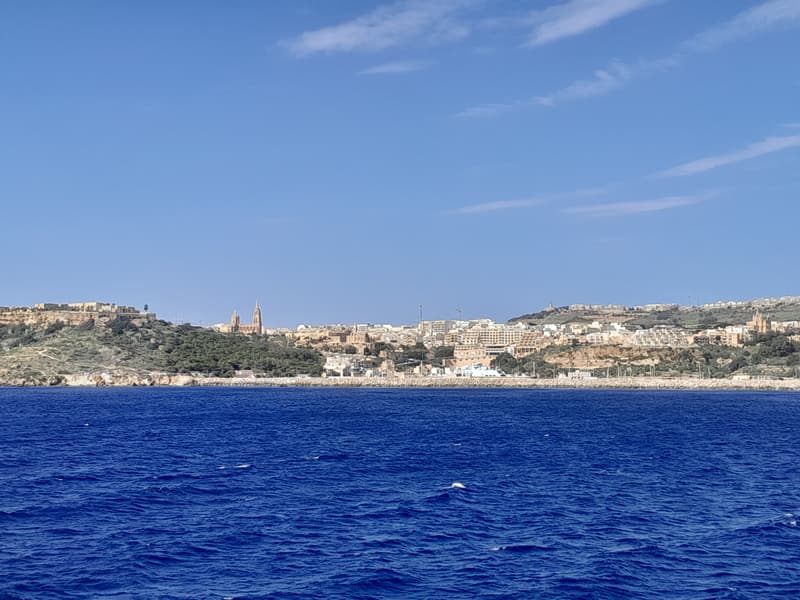

Malta is a compact archipelago in the central Mediterranean, famed for 7,000 years of history, baroque architecture, and some of the clearest waters in Europe. For the milestone American traveler seeking depth without crowds, Malta offers a rich, walkable blend of UNESCO World Heritage cities, prehistoric temples, and a relaxed island pace. Cruise itineraries call at Valletta, the fortified capital, and often include Gozo, providing access to secluded bays and rural landscapes. This package outlines the country's cultural fabric, major destinations, cruise ports, and excursion options, with an honest look at trade-offs such as limited river cruising (Malta has no rivers) and a peak-season bustle in Valletta.
Country facts
History
Malta's strategic location in the Mediterranean made it a coveted prize for centuries. Inhabited since the Bronze Age, it is home to some of the world's oldest free-standing structures, the Megalithic Temples (built 3600–2500 BC). The Phoenicians, Romans, Arabs, Normans, and the Knights of St. John each left their mark. The Knights transformed Malta into a formidable fortress, defeating the Ottomans in the Great Siege of 1565. The French under Napoleon briefly held the island, then the British ruled for over 150 years, shaping its language and legal system. Malta gained independence in 1964 and became a republic in 1974. It joined the EU in 2004 and adopted the euro in 2008.
The timeline simplifies a complex history, but the highlight is the Knights' era, which shaped the architectural character visible today. The British colonial period left English widely spoken, easing travel for Americans, though some sites have limited signage in Maltese only.
Culture
Maltese identity is a blend of Southern European and North African influences, with a strong Catholic heritage (98% Roman Catholic). Family is central, and festas (village feasts) are frequent. The language, Maltese, is the only Semitic language written in Latin script, though English is also official.
Music: Traditional Maltese music includes għana (folk singing) and the big band sounds of village festas. Modern music spans pop and rock, with local artists like Ira Losco and The Rifffs. Opera and classical performances are held at the Manoel Theatre in Valletta.
Signature landscape: The Blue Lagoon on Comino – a stunning turquoise inlet surrounded by white limestone, accessible by boat.
Cuisine
- Pastizzi – flaky pastries filled with ricotta or mushy peas
- Fenek (rabbit stew) – the national dish
- Ħobż biż-żejt – bread with tomato, olive oil, capers
- Bragioli – beef olives
- Gbejniet – fresh sheep or goat cheese
- Seafood – lampuki (mahi-mahi) in autumn
- Kinnie – a bitter-sweet soft drink
- Wine – Maltese varieties like Girgentina and Gellewża
Architecture & heritage
- Valletta's 16th-century fortifications and grid of baroque palaces
- St. John's Co-Cathedral – a masterpiece of baroque art with Caravaggio's 'Beheading of St. John the Baptist'
- Hypogeum of Ħal Saflieni – a subterranean necropolis dating to 4000 BC
- Megalithic temples of Ħaġar Qim and Mnajdra
- The medieval walled city of Mdina
- The Azure Window (collapsed in 2017, but the site is still iconic)
Tips for American travellers
- British-style plugs: bring an adapter (Type G).
- Drive on the left – or rely on public buses and taxis.
- Summer heat is intense; plan outdoor visits for early morning or late afternoon.
- English is widely spoken, but learning a few Maltese words (e.g., 'bonswa' for good evening) is appreciated.
- Credit cards are accepted, but small shops and bus drivers prefer cash.
- Book tickets for the Hypogeum months in advance – limited daily entry.
- Dress modestly when visiting churches – cover shoulders and knees.
Major cities & destinations
Valletta Capital city
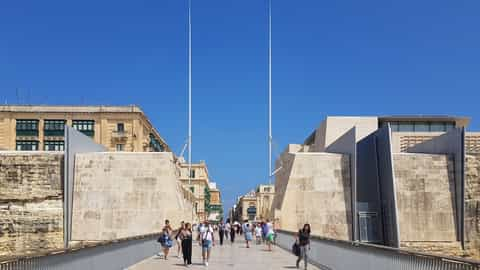
UNESCO World Heritage city, a living open-air museum of baroque architecture, with narrow streets, grand palaces, and panoramic harbor views.
The primary cruise port, located in the Grand Harbour, with walkable access to the city center.
St. John's Co-Cathedral Upper Barrakka Gardens Grandmaster's Palace Casa Rocca Piccola Fort St. Elmo & National War Museum The Malta Experience (audiovisual show)Mdina Historic walled city
Silent, medieval capital with narrow alleys, baroque palaces, and sweeping views from the bastions. Known as the 'City of Silence'.
Easily reachable from Valletta by bus or taxi; often included in shore excursions.
St. Paul's Cathedral Mdina Dungeons Palazzo Falson Vilhena Palace Bastion Square for sunset viewsRabat Town
Adjacent to Mdina, Rabat has early Christian catacombs and a lively local atmosphere.
Often combined with Mdina visits.
St. Paul's Catacombs St. Agatha's Catacombs Domus Romana (Roman villa)Sliema and St Julian's Coastal resort towns
Modern promenades, shopping, restaurants, and a lively waterfront. Good base for day trips.
Not a cruise port, but a tender stop occasionally; more often a departure point for boat excursions.
Sliema Promenade St Julian's Bay Spinola Bay Portomaso MarinaGozo Island
The quieter sister island, known for rural landscapes, ancient temples, and the iconic Azure Window site (collapsed in 2017, but the bay is still beautiful).
A tender port at Mgarr; often visited via ferry from Malta or as a cruise stop.
Ġgantija Temples The Citadel in Victoria Ramla Bay (red sand) Dwejra Bay and the Azure Window remnants Ta' Pinu BasilicaComino Small island
Home to the Blue Lagoon, a spectacular turquoise cove ideal for swimming and snorkeling.
Not a port, but a popular stop for excursion boats from Malta and Gozo.
Blue Lagoon Comino Tower St. Mary's ChapelCruise ports of call
Malta's principal cruise port is Valletta's Grand Harbour, a deep-water port that accommodates the largest ships. Tender ports at Mgarr (Gozo) and occasionally Sliema are used for smaller vessels. Cruises typically call at Malta for one day, with overnights offered on some itineraries.
- Mediterranean classics – Barcelona/Rome to Athens via Malta, often with stops in Sicily and Croatia.
- Eastern Mediterranean – Venice or Trieste to Malta, then to Egypt or Israel, or vice versa.
Valletta (Grand Harbour) Both
The main cruise terminal is at the Valletta Waterfront, a restored 18th-century warehouse complex with shops and restaurants. Ships dock within walking distance of the city gate. Tenders are not required unless anchoring outside the harbor.
Best for: Cultural exploration, history, dining, and harbor views.
Operators: Viking Cruises, Oceania Cruises, Azamara, Royal Caribbean, Celebrity Cruises, Norwegian Cruise Line, Costa Cruises, MSC Cruises, Windstar Cruises, Seabourn
Mgarr (Gozo) Both
The port at Mgarr on Gozo is used for smaller ships or tender landings. It is a small fishing harbor with a few cafes. From here, passengers can explore Gozo's countryside, beaches, and archaeological sites.
Best for: Rural landscapes, peaceful bays, and ancient temples.
Operators: Azamara, Seabourn, Windstar, Star Clippers, Viking Cruises (occasionally)
Malta is not a hub for river cruises, but sea cruises use Valletta as a turnaround port for some Mediterranean sailings. The island is a convenient overnight stop on repositioning cruises.
All cruise ports in Malta
Ships visiting by type: 91 ocean 1 river 5 expedition
Showing 2 ports in Malta
River cruises & routes
Malta has no rivers, so there are no river cruises within the country. However, sea cruises frequently include Malta as a port of call on Mediterranean routes. Some cruise lines offer extended stays in Malta, allowing passengers to explore the islands.
| Route | Length | Countries | Highlights |
|---|---|---|---|
| Barcelona to Rome (or reverse) via Malta | 7–10 days | Spain, France, Italy, Malta | Barcelona's architecture, the French Riviera, Tuscany, and Malta's baroque capital |
| Athens to Barcelona via Malta | 10–14 days | Greece, Albania, Italy, Malta, Spain | Greek islands, the Adriatic coast, Sicily, Malta, and the Costa Brava |
Season: Cruising season runs from April to October, with peak in May–June and September–October when temperatures are comfortable. Winter visits are rare but possible on world cruises.
Cruise lines visiting Malta
Most major cruise lines that operate in the Mediterranean include Malta on their itineraries. The island's strategic position makes it a natural stop between Barcelona, Rome, Athens, and the eastern Mediterranean.
Viking Cruises
Mediterranean voyages from Barcelona, Rome, or Athens, often with an overnight in Valletta.
Ships: Viking Star, Viking Sea, Viking Sky
Oceania Cruises
Mediterranean itineraries with calls at Valletta, sometimes with late-night departures.
Ships: Marina, Riviera, Sirena
Azamara
Extended stays and night tours in Valletta; occasional calls at Gozo.
Ships: Azamara Journey, Azamara Quest, Azamara Pursuit
Royal Caribbean International
Western Mediterranean and Canary Islands cruises that stop at Valletta.
Ships: Odyssey of the Seas, Vision of the Seas
Celebrity Cruises
Mediterranean sailings with Valletta as a port of call.
Ships: Celebrity Equinox, Celebrity Constellation
Norwegian Cruise Line
Mediterranean itineraries including Valletta.
Ships: Norwegian Epic, Norwegian Breakaway
Costa Cruises
Western Mediterranean and Greek isles cruises with Malta stops.
Ships: Costa Smeralda, Costa Fortuna
MSC Cruises
Mediterranean and Middle East itineraries, homeporting in Valletta for some seasons.
Ships: MSC Grandiosa, MSC Divina
Windstar Cruises
Small-ship sailings that include Gozo and less-visited ports.
Ships: Wind Star, Wind Spirit
Seabourn
Luxury Mediterranean cruises with calls at Valletta and sometimes Gozo.
Ships: Seabourn Ovation, Seabourn Encore
The list is not exhaustive; many other lines, such as Holland America, Princess, and Celebrity, also visit. For the best experience, choose a line that offers an overnight in Malta to appreciate the evening atmosphere.
Planning & advice
Malta is ideal for the American traveler seeking a rich, walkable cultural experience without the crowds of larger Mediterranean ports. Its compact size allows deep exploration in a short time, and its English-speaking population eases interaction. The blend of ancient history, baroque grandeur, and warm hospitality makes it a rewarding destination for milestone trips.
For the American traveller
- Passport and visa: U.S. citizens need a valid passport for up to 90 days; no visa required for tourism.
- Health: No mandatory vaccinations; standard travel insurance recommended.
- Currency: Euro; credit cards widely accepted, but carry cash for small purchases.
- Language: English is an official language, so communication is easy.
- Transport: Public buses connect major towns; taxis are plentiful but agree on a fare first.
- Dress code: Modest attire for churches; cover shoulders and knees.
- Tap water is safe to drink; bottled water is also available.
- Emergency number: 112 (EU-wide).
Excursion planning
- Pre-book the Hypogeum tour online weeks ahead; only 80 visitors per day.
- Start early to beat cruise-ship crowds at popular sites like St. John's Co-Cathedral.
- Combine nearby sites: e.g., Mdina and Rabat in one morning, then a wine tasting.
- Use the Valletta–Three Cities ferry for scenic harbor views and easy access.
- In Gozo, rent a car or book a 4x4 tour to see the island's hidden corners.
- Check if your cruise line offers a shuttle into Valletta; the port is walkable but hilly.
The verdict
Malta is a gem of the Mediterranean, offering an unmatched density of history and beauty. While it lacks river cruising, its sea cruise connections are excellent. The country is safe, easy to navigate, and culturally distinct, making it a top pick for the discerning American traveler who values authenticity over beach resorts. Just be prepared for summer heat and some hill climbing in Valletta.
Sources
- Britannica — Malta - History, Language, Map, People, & Points of Interest (accessed 2026-09-09)
- Visit Malta — Official Tourism Site (accessed 2026-09-09)
- CIA World Factbook — Malta - The World Factbook (accessed 2026-09-09)
- Wikimedia Commons — Category:Malta (accessed 2026-09-09)
- Unsplash — Malta Photos (accessed 2026-09-09)