Martinique Cruise Ports & Cruise Guide
Total 3
- Martinique
This page is an overview of the 3 cruise ports in Martinique, covering ocean cruises. Cruises start and end at Fort-de-France. 41 cruise ships visit Martinique across 3 ports. See live sailings and availability on the Martinique cruises page.

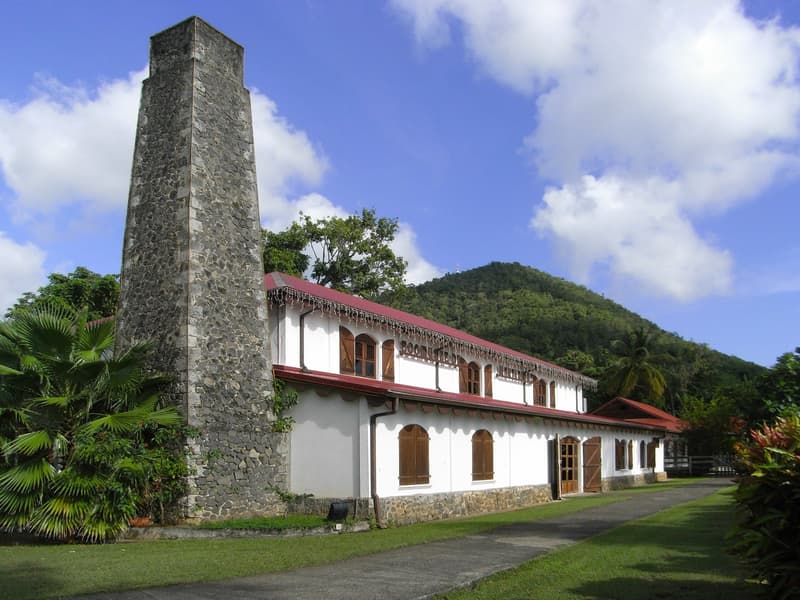

Martinique is a French Caribbean island that pairs a volcanic, rainforest-to-reef landscape with a mature Creole culture. Cruise travelers use Fort-de-France as the gateway, then choose between northern volcano-and-ruins excursions and southern beach-and-rum itineraries. It is more culturally layered and less Americanized than nearby U.S. Virgin Islands, but less polished for English-only travelers.
Country facts
History
Martinique’s past is a layered story of indigenous Caribbean peoples, French colonization, plantation slavery, abolition, natural disaster, and the difficult passage from colony to French region. The island remains French in institutions and deeply Creole in identity.
The story of Martinique is not a simple beach postcard: the sugar economy was built on slavery, the 1902 eruption is a scar still visible, and the island’s relationship with metropolitan France remains politically charged. Travelers should approach plantation and rum sites with an understanding that the colonial past is part of the landscape.
Culture
French citizens with a distinct Creole identity; a blend of African, European, and Indigenous Caribbean influences expressed in language, food, music, and daily life.
Music: Zouk, bèlè, biguine, and contemporary French Caribbean sounds; bèlè is especially rooted in Martinique’s African heritage.
Signature landscape: Mount Pelée and the volcanic black-sand coastline of the north, balanced by the white-sand beaches and reefs of the south.
Cuisine
- Accras de morue (salt-cod fritters)
- Boudin créole (Creole blood sausage)
- Colombo (curried meat or fish stew)
- Lambi (conch)
- Féroce d'avocat (avocado and cassava mash)
- Ti' punch (rum, lime, and cane sugar)
- Habitation rum and cane syrups
- Fresh mangoes, pineapples, and breadfruit
Architecture & heritage
- Creole houses with jalousie windows, timber galleries, and bright colors
- Fort Saint-Louis in Fort-de-France
- Bibliothèque Schœlcher, a Beaux-Arts library named for abolitionist Victor Schœlcher
- The ruins of Saint-Pierre
- Historic sugar and rum distilleries such as Habitation Clément and Depaz
Tips for American travellers
- Learn a few French phrases; English is not as common as in U.S. Virgin Islands.
- Do not confuse Martinique with Saint Martin / Sint Maarten; they are very different destinations.
- Say 'bonjour' before asking for help.
- Carry euros in small denominations; many small shops and market stalls are cash-only.
- Rent a car only if comfortable with narrow, winding roads and assertive driving.
- Restaurants typically include service; tipping modestly for good service is appreciated but not mandatory.
- Use mosquito repellent and sun protection; dengue and Zika are occasional risks.
Major cities & destinations
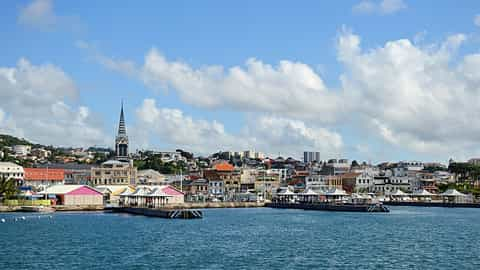
Fort-de-France Capital city and main cruise port
The cultural, political, and commercial heart of Martinique, with a lively market, colonial-era buildings, and the island’s best museums.
Primary docking point; the cruise terminal at Pointe Simon is within walking distance of downtown attractions.
Bibliothèque Schœlcher Fort Saint-Louis Cathédrale Saint-Louis La Savane park Grand Marché / Spice Market Musée d'Histoire et d'EthnographieSaint-Pierre Historic town and small-ship port
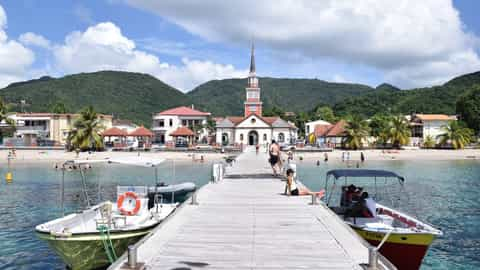
Called the 'Little Paris of the Caribbean' before the 1902 Mount Pelée eruption, Saint-Pierre is now a hauntingly beautiful open-air ruin museum at the foot of the volcano.
Used by small ships as a tender/anchorage call; also a popular shore-excursion destination from Fort-de-France.
Saint-Pierre Theatre ruins Franck Perret Museum (Volcanological Museum) Depaz Distillery Anse Turin black-sand beach Mount Pelée trailheadLes Trois-Îlets Beach resort town
A sun-soaked peninsula across Fort-de-France Bay with resort beaches, golf, and the birthplace of Empress Joséphine.
Easily reached by ferry from Fort-de-France; occasionally used as a tender/anchorage area for smaller vessels.
Pagerie Museum (birthplace of Empress Joséphine) Pointe du Bout Anse à l'Âne beach Église des Trois-Îlets Golf de Trois-ÎletsLe Marin Yachting center
The largest marina in the eastern Caribbean and a gateway to the island’s southern sailing grounds, with a handsome historic church and relaxed waterfront.
Niche anchorage/marina call for expedition yachts; not a mainstream cruise pier.
Église du Marin Marina de Marin Viewpoint over Baie du Marin Nearby Îlets du FrançoisSainte-Anne Beach village
Home to Les Salines, often called Martinique’s most beautiful beach, plus a laid-back village market and shallow turquoise water ideal for swimming.
A favorite shore-excursion destination from Fort-de-France by road; not a cruise port itself.
Les Salines Beach Grande Anse des Salines Sainte-Anne market Savane des Pétrifications (petrified forest) Baie des Anglais / Cap ChevalierCruise ports of call
Fort-de-France is the only regularly scheduled cruise port in Martinique. Saint-Pierre and Le Marin are niche tender or anchorage calls for small luxury and expedition ships. Most cruise passengers will visit Martinique through Fort-de-France and explore the island by organized excursion or rental car.
- Eastern Caribbean / French Antilles loops from San Juan, Fort Lauderdale, or Miami, where Martinique appears as a French Caribbean call alongside St. Thomas, St. Maarten, and the Leeward Islands.
- Southern Caribbean / Windward Islands arcs from Barbados, St. Lucia, Guadeloupe, or Antigua, offering more time in the Lesser Antilles and occasional Saint-Pierre or Le Marin calls for smaller ships.
Fort-de-France both
The main cruise port is at Pointe Simon, within walking distance of the colonial center, Schœlcher Library, and La Savane. Ships usually dock, though tender operations may be used when multiple vessels arrive.
Best for: first-time visitors, historic walks, rum distillery excursions, ferry connections to Les Trois-Îlets
Operators: Royal Caribbean International, Celebrity Cruises, Holland America Line, Azamara, Windstar Cruises, SeaDream Yacht Club, Ponant
Saint-Pierre southern_caribbean
The old city has no large deep-water pier; small ships anchor offshore and tender passengers ashore. The waterfront faces the ruins and Mount Pelée.
Best for: volcano history, ruins, French-Caribbean atmosphere, fewer crowds
Operators: Azamara, Windstar Cruises, SeaDream Yacht Club, Ponant
Le Marin southern_caribbean
Le Marin is a major yachting center rather than a cruise terminal. Expedition ships may anchor in the bay or use the marina's visitors' dock; facilities are better suited to small craft.
Best for: sailing, southern beaches, quiet anchorages
Operators: Windstar Cruises, SeaDream Yacht Club, Ponant
Cruise infrastructure is modest. Fort-de-France has a commercial terminal; other stops are tendered or anchorage calls. Deep-water berths can be limited when large ships arrive together.
All cruise ports in Martinique
Ships visiting by type: 41 ocean 4 expedition

River cruises & routes
Martinique has no navigable rivers; the closest equivalent is the leeward coast, where small ships and yachts move between Fort-de-France, Saint-Pierre, and southern anchorages. River-cruise itineraries are not offered; coastal and expedition cruising is the practical model.
| Route | Length | Countries | Highlights |
|---|---|---|---|
| Fort-de-France to Saint-Pierre coastal run | 1 day | Martinique | Volcanic coastline, black-sand beaches, ruins of Saint-Pierre, views of Mount Pelée |
| Fort-de-France, Les Trois-Îlets, Le Marin, Sainte-Anne loop | 3–4 days | Martinique | Bay crossings, resort beaches, yachting harbors, Les Salines, rum and Creole food |
Season: December through April is the dry, high season; November and May are shoulder months with good weather and fewer crowds. Hurricane risk is highest from June through November.
Cruise lines visiting Martinique
Martinique appears on Caribbean itineraries as a French Antilles call, not a homeport. Large ships dock at Fort-de-France; small luxury and expedition ships can also reach Saint-Pierre and Le Marin.
Royal Caribbean International
Eastern and Southern Caribbean itineraries from San Juan and Fort Lauderdale with occasional Fort-de-France calls.
Celebrity Cruises
Caribbean voyages that include French Antilles ports; Fort-de-France may appear on Southern Caribbean itineraries.
Holland America Line
Caribbean itineraries, often with French Antilles calls on eastern and southern routes.
Azamara
Small-ship voyages with more port time, sometimes late-night or overnight stays in Fort-de-France.
Ships: Azamara Journey, Azamara Onward
Windstar Cruises
Small-ship Caribbean voyages emphasizing yachting ports and flexible tender calls.
Ships: Wind Star, Star Breeze
SeaDream Yacht Club
Ultra-luxury Caribbean yachting itineraries that can include Saint-Pierre and Le Marin.
Ships: SeaDream I, SeaDream II
Ponant
French-flagged expedition voyages in the French Caribbean, often with strong local cultural programming.
Ships: Le Bellot, Le Dumont d'Urville
Small-ship operators tend to offer more port time and can use anchorages. Mainstream lines often limit the call to a day and may substitute the port due to weather or berth constraints.
Planning & advice
At a milestone age, you want more than another crowded beach stop. Martinique offers French-Caribbean culture, dramatic volcano history, serious rum and Creole cooking, and landscapes that reward independent exploration. It is not a sanitized resort island, and that is exactly the point.
For the American traveller
- U.S. citizens need a valid passport; no tourist visa is required for short stays.
- Martinique is part of France; the euro is the currency and U.S. dollars are not widely accepted.
- French is the official language; English is limited outside tour operators and upscale hotels.
- Tap water is generally safe in Fort-de-France, but bottled water is easier for excursions.
- Driving is on the right side of the road; roads are narrow and mountain routes winding.
- Pack light layers for air-conditioned buildings and strong sun for the beach.
- Be aware of the hurricane season if traveling June–November.
Excursion planning
- Book well in advance, especially for Mount Pelée hikes and popular rum distillery tours.
- Check whether your ship docks at Pointe Simon or tenders; meeting points differ.
- Use licensed guides for volcano and rainforest excursions; conditions change quickly.
- Allow extra time for traffic around Fort-de-France, especially on weekday afternoons.
- Carry cash in euros for markets, small restaurants, and taxis.
- Ask before taking photographs of people, especially in markets and rural areas.
- Compare a cruise-line excursion with a private local guide if you want a slower, less herded experience.
The verdict
Choose Martinique if you want a French-Caribbean stop with dramatic nature, serious rum and Creole food, and a pace that rewards independent travelers. Choose a classic beach-resort itinerary if you need immaculate infrastructure and English-only ease.
Sources
- Wikipedia — Martinique (accessed 2026-09-09)
- Wikipedia — Fort-de-France (accessed 2026-09-09)
- Wikipedia — Saint-Pierre, Martinique (accessed 2026-09-09)
- Lonely Planet — Martinique travel (accessed 2026-09-09)
- Cruise Critic — Martinique cruise port guide (accessed 2026-09-09)