Acapulco Cruise Port
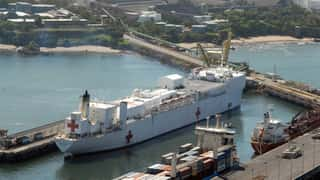
The Acapulco cruise terminal is located directly across the street from the Fort of San Diego, allowing passengers to reach the historic Zócalo on foot in less than 10 minutes. Situated in the Guerrero region of southwestern Mexico, this port serves as a primary gateway to the Pacific Riviera. You are roughly 275 km (170 miles) south of Mexico City, but for a day trip, the silver-mining town of Taxco is the realistic destination, located 255 km (158 miles) or approximately 3.5 hours away by road. As a major ocean cruise port, the facility handles both transit calls and occasional embarkations in the sheltered Acapulco Bay (Bahía de Santa Lucía). The waterfront infrastructure is recovering following Hurricane Otis, and it is worth knowing that while the core tourist areas have resumed full operations, reconstruction is still visible in the peripheral residential zones. This destination rewards those who stick to the 'Tradicional' district for its history but punishes those who wander into non-tourist neighborhoods without a licensed guide. Expect a heavy security presence in the tourist corridor; this is a deliberate design to ensure your safety and should be viewed as a professional standard rather than a cause for alarm. Waterways Cruise clients consistently report that pre-arranged private transport is the only way to navigate the humidity and hills efficiently.
Terminal Marítima de Acapulco


Acapulco, Mexico Port
UN/LOCODE MXACA Port of call Homeport
Acapulco Cruise Port Location
| Port Details | |
|---|---|
| Country | Mexico |
| UN/LOCODE | MXACA |
| Contact | |
| Address | Costera Miguel Alemán s/n, Centro, 39300 Acapulco de Juárez, Gro., Mexico |
| Port phone | +52 744 482 5620 |
| Website | www.asiponaacapulco.com.mx |
| Geography | |
| Coordinates | 16.85110, -99.89770 |
| Accessibility | |
| Accessible | Limited |
The Acapulco cruise terminal is located directly across the street from the Fort of San Diego, allowing passengers to reach the historic Zócalo on foot in less than 10 minutes. Situated in the Guerrero region of southwestern Mexico, this port serves as a primary gateway to the Pacific Riviera. You are roughly 275 km (170 miles) south of Mexico City, but for a day trip, the silver-mining town of Taxco is the realistic destination, located 255 km (158 miles) or approximately 3.5 hours away by road. As a major ocean cruise port, the facility handles both transit calls and occasional embarkations in the sheltered Acapulco Bay (Bahía de Santa Lucía). The waterfront infrastructure is recovering following Hurricane Otis, and it is worth knowing that while the core tourist areas have resumed full operations, reconstruction is still visible in the peripheral residential zones. This destination rewards those who stick to the 'Tradicional' district for its history but punishes those who wander into non-tourist neighborhoods without a licensed guide. Expect a heavy security presence in the tourist corridor; this is a deliberate design to ensure your safety and should be viewed as a professional standard rather than a cause for alarm. Waterways Cruise clients consistently report that pre-arranged private transport is the only way to navigate the humidity and hills efficiently.
Acapulco — Port Overview
History
Acapulco's history is defined by its deep, natural harbor, which made it the most important Pacific port for the Spanish Empire. Founded in 1550, it became the exclusive port for the Manila Galleon trade in 1565. For 250 years, ships arrived annually from the Philippines laden with silks and spices, which were then transported overland to Veracruz for shipment to Spain. To protect these riches from Dutch and English pirates—including Francis Drake—the Spanish built the Fuerte de San Diego. The original 1615 structure was destroyed by an earthquake and rebuilt in its iconic pentagonal star shape in 1783, which remains the city’s most significant landmark. By the 1950s, Acapulco transformed into the 'Pearl of the Pacific,' becoming the glamorous escape for Hollywood royalty like Frank Sinatra and Elizabeth Taylor. John and Jackie Kennedy even spent their honeymoon here in 1953. This era of mid-century modernism defined the architecture of the 'Acapulco Tradicional' district. However, the 1970s saw a shift as development moved east toward the 'Zona Dorada,' creating the high-rise skyline visible from your ship. Today, the city is a layered destination where 18th-century stone fortifications stand in contrast to the jet-set ruins of the 1960s and the modern luxury of Punta Diamante, all still oriented toward the same harbor that once sheltered the treasure-laden galleons of the Spanish crown.
The Verdict
Acapulco is a port of call that rewards the prepared. The clients who get the most from this historic city are those who arrive with a plan and the flexibility to adapt to the tropical pace. This guide has been fact-checked by J. Richard and the Waterways Cruise editorial team. Choosing an excursion that guarantees your return to the ship lets you match the day to your mobility and pace without worrying about departure time. No two travelers want the same day ashore.
Things to Do & See in Acapulco
| Attraction | Type | Address | Phone | Hours | Website | Admission |
|---|---|---|---|---|---|---|
| Cathedral of Our Lady of Solitude | Cultural Site | Calle Independencia s/n, Centro, 39300 Acapulco | +52 744 482 0763 | 7:00 AM – 8:00 PM Daily | Not available | Free |
| Fort of San Diego (Fuerte de San Diego) | Historical Site | Hornitos s/n, Centro, 39300 Acapulco | +52 744 482 3828 | 9:00 AM – 6:00 PM Tuesday to Sunday | inah.gob.mx | USD 95 MXN |
| Diego Rivera Mural (Ex-casa de Dolores Olmedo) | Cultural Site | Calle Inalámbrica s/n, Cerro de la Pinzona, 39300 Acapulco | Open 24 hours (Viewable from sidewalk) | Not available | Free | |
| La Quebrada Cliff Divers | Tourist Attraction | La Quebrada 34, Centro, 39300 Acapulco | +52 744 482 2469 | Shows at 1:00 PM, 7:30 PM, 8:30 PM, 9:30 PM, 10:30 PM | Not available | USD 100 MXN |
| La Roqueta Island (Isla de la Roqueta) | Natural Feature | Acapulco Bay, access from Caleta Beach | Water taxis run 9:00 AM – 5:00 PM | Not available | USD Boat fare ~150 MXN |
Cathedral of Our Lady of Solitude · Cultural Site
FreeStanding as the focal point of Acapulco Tradicional, this cathedral is an architectural curiosity. Built in the 1930s on the site of a former theater, its blue-and-yellow 'onion' domes feel more Eastern Orthodox or Moorish than traditional Mexican Colonial. Inside, the atmosphere is quiet and reverent, providing a cool sanctuary from the relentless tropical sun. You will see local residents lighting candles to the Virgin of Solitude, the city's patroness. It is not a massive monument, but it is the communal heart of the city. It is worth noting that most walk past the side chapel, which contains interesting mid-century religious art. It’s a 15-minute stop that perfectly grounds you in the local culture before you head to the more tourist-focused sites. Expect a moment of peace and a chance to witness authentic local devotion away from the commercial noise of the Costera.
Calle Independencia s/n, Centro, 39300 Acapulco ·+52 744 482 0763 ·7:00 AM – 8:00 PM Daily ·Not available
Fort of San Diego (Fuerte de San Diego) · Historical Site
USD 95 MXNThe Fort of San Diego is the most important historical monument on Mexico’s Pacific coast. This pentagonal star-fortress was built to defend the Manila Galleons from pirates like Sir Francis Drake. Today, it houses the Acapulco Historical Museum, featuring 15 rooms that trace the city's history from pre-Hispanic times through its era as a global trade hub. The collection of Chinese porcelain, silk, and ivory is exceptional. Travelers often report that the 'Piracy' room is the most engaging for history buffs. Walk the perimeter walls for a 360-degree view of Acapulco Bay (Bahía de Santa Lucía). It is an expert-level site because it explains why Acapulco exists at all. Most visitors walk past the archaeological section at the start; don't make that mistake—the Mezcala culture artifacts are world-class. Expect a deep sense of the city's strategic importance and its role in the first truly global economy.
Hornitos s/n, Centro, 39300 Acapulco ·+52 744 482 3828 ·9:00 AM – 6:00 PM Tuesday to Sunday ·www.inah.gob.mx
Diego Rivera Mural (Ex-casa de Dolores Olmedo) · Cultural Site
FreeThis is Acapulco's hidden artistic treasure. In 1956, Diego Rivera spent his final years at the home of his friend Dolores Olmedo. On the exterior wall, he created a massive 3D mosaic titled 'Exekatlkalli' (House of the Wind God). It features Quetzalcóatl as a feathered serpent and Xolotl the dog-god. Unlike Rivera’s murals in Mexico City which are painted, this is a tactile work made of stone, tile, and shells. You will find that this is one of the few Rivera works that remains exactly as he left it. It is a testament to the mid-century era when Acapulco was a global center for the arts. Most visitors miss it entirely because it isn't on the standard bus route. Seeing it delivers a profound connection to Mexico’s artistic heritage and a rare look at Rivera's late-career experimentation with sculpture and mosaic. It is a quiet, contemplative experience that contrasts sharply with the commercialized cliff divers show.
Calle Inalámbrica s/n, Cerro de la Pinzona, 39300 Acapulco ·Open 24 hours (Viewable from sidewalk) ·Not available
La Quebrada Cliff Divers · Tourist Attraction
USD 100 MXNSince 1934, the Clavadistas of La Quebrada have been Acapulco's most iconic spectacle. Young men plunge 35 meters into a gap that is only 7 meters wide and 4 meters deep. They must time their dive perfectly with the incoming swell of the Pacific Ocean to ensure there is enough water to break their fall. It is worth noting that the 1:00 PM show is the most crowded but offers the best photographic clarity. The divers are professionals who belong to a strict guild, and the tradition is often passed from father to son. You will see them climb the sheer rock face opposite the platform barefoot before their dive. While it is a 'standard' tourist stop, the sheer athleticism and risk involved make it genuinely impressive. The visit offers a heart-pounding moment of drama that has defined Acapulco’s identity for nearly a century.
La Quebrada 34, Centro, 39300 Acapulco ·+52 744 482 2469 ·Shows at 1:00 PM, 7:30 PM, 8:30 PM, 9:30 PM, 10:30 PM ·Not available
La Roqueta Island (Isla de la Roqueta) · Natural Feature
USD Boat fare ~150 MXNLocated across from Caleta and Caletilla beaches, La Roqueta is a protected natural reserve. It offers the clearest snorkeling water in the Acapulco Bay (Bahía de Santa Lucía). The island is a retreat from the city noise, featuring hidden coves and a network of jungle trails. Visitors often enjoy the Palmitas beach on the far side of the island for its relative seclusion. The boat ride itself is an experience, often using glass-bottom boats that pass over a submerged statue of the Virgin of Guadalupe. It is an expert's choice for those who have visited Acapulco before and want to see the natural side of the region. However, it is not for those seeking luxury; the facilities are basic beach shacks. You will come away with a day of nature and traditional Mexican beach culture, but it requires significant physical effort to navigate the boats and the island's uneven terrain.
Acapulco Bay, access from Caleta Beach ·Water taxis run 9:00 AM – 5:00 PM ·Not available
Eating & Drinking in Acapulco
The local culinary identity of Acapulco is built on 'Pescado a la Talla'—a whole butterfly-cut fish grilled over charcoal with a dual-sided sauce (one side red chili, one side garlic). Unlike the fried fish of the Caribbean, this is a slow-smoked Guerrero specialty. Another defining dish is 'Pozole Guerrerense,' particularly the white or green varieties served with pork, oregano, and lime. On Thursdays, the city follows the 'Jueves de Pozole' tradition where every restaurant serves this hearty soup. To drink, look for 'Tuba,' a palm sap drink introduced via the Manila Galleon trade, often mixed with peanuts and apple. For something stronger, 'Chilate' is a refreshing blend of cocoa, rice, and cinnamon. While tourists expect 'Tex-Mex' tacos, the genuine version here uses corn tortillas with 'cecina' (salted beef) or fresh Pacific snapper. You can find the best street versions at the small stalls behind the Zócalo, where the locals eat standing up. Avoid the 'tourist menus' on the main Costera; they use frozen seafood and lack the authentic wood-fired flavor of the Tradicional district.
| Place | Address | Phone | Hours | Website | Price range |
|---|---|---|---|---|---|
| Zibu | Avenida Escénica s/n, Fracc. Gleneagles, 39867 Acapulco | +52 744 433 3058 | 1:00 PM – 11:00 PM Daily | zibu.mx | 1,200–1,800 MXN (~$60–$90 USD) |
| Los Flamingos | Avenida Adolfo López Mateos s/n, Las Playas, 39390 Acapulco | +52 744 482 0690 | 8:00 AM – 10:00 PM Daily | hotellosflamingos.com | 500–800 MXN (~$25–$40 USD) |
| El Mirador Bar | La Quebrada 34, Centro, 39300 Acapulco | +52 744 482 1111 | 11:00 AM – 11:00 PM Daily | 250–350 MXN (~$12–$17 USD) |
Zibu
1,200–1,800 MXN (~$60–$90 USD)Perched on a cliff overlooking Puerto Marqués, Zibu is a culinary tribute to the 250 years of trade between Mexico and Thailand. Chef Eduardo Palazuelos has created a menu that blends ginger, coconut, and tamarind with Mexican chilies and seafood. Order the Tamarind Fish; the balance of acid and heat is a signature of this house. The view at sunset is unparalleled, though most cruise passengers will be there for a late lunch. It is expensive, but the service is the best in the city. One honest limitation: you must take a taxi as it is far from the terminal, so factor in 45 minutes for travel.
Avenida Escénica s/n, Fracc. Gleneagles, 39867 Acapulco ·+52 744 433 3058 ·1:00 PM – 11:00 PM Daily
Los Flamingos
500–800 MXN (~$25–$40 USD)Located at the highest point of the cliffs near La Quebrada, Los Flamingos is the former hideaway of the 'Hollywood Gang' (John Wayne, Cary Grant, Fred MacMurray). The open-air restaurant offers a raw, unfiltered view of the Pacific. Order the Ceviche; it is served with crackers and lime in the traditional Guerrero style. The pink-and-white decor is frozen in 1954. It is not 'fine dining' in the modern sense, but the history is palpable. One caveat: it can be windy and the menu is strictly traditional Mexican seafood, so don't expect fusion or international options.
Avenida Adolfo López Mateos s/n, Las Playas, 39390 Acapulco ·+52 744 482 0690 ·8:00 AM – 10:00 PM Daily
El Mirador Bar
250–350 MXN (~$12–$17 USD)This is the most strategic spot for a drink in the city. Located inside the Hotel El Mirador, the bar has tiered terrace seating that looks directly across at the cliff divers' leap. You pay a premium for the view, but it allows you to watch the show comfortably without standing in the sun. Order the Coco Loco; it is a quintessential Acapulco experience. Locals come here to toast anniversaries during the sunset show. It is the perfect place to wait for your 1:00 PM departure back to the ship.
La Quebrada 34, Centro, 39300 Acapulco ·+52 744 482 1111 ·11:00 AM – 11:00 PM Daily
Getting There & Around
Once you leave the Acapulco Bay terminal, walking is only practical for the immediate Tradicional district. For everything else, you need a taxi. Uber does not operate reliably here due to local union friction; do not rely on it for a timely return to the ship. Instead, use 'Sitio' taxis—these are dispatched from specific stands and are safer and more reliable. A ride from the port to the cliff divers at La Quebrada should cost roughly 150 MXN (~$7.50 USD). If you are heading to the Golden Zone, expect to pay 250 MXN (~$12.50 USD). Always agree on the price before the wheels turn. For those with limited time, hiring a driver for the day (approximately $80–$100 USD for 5 hours) is the most efficient way to see the Mural, the Fort, and the Divers without waiting in the sun for transport. It is worth knowing that the white-and-blue 'colectivo' taxis are for locals only; they are often overcrowded and do not follow routes useful for tourists.
Itineraries & Sample Walks
4-Hour Shore Excursion in Acapulco
Fort of San Diego (Fuerte de San Diego)
9:00 AM (90 min)
This star-shaped fortress houses the Historical Museum of Acapulco. It details the Manila Galleon trade and pirate attacks. The ramp incline is 12 degrees—be prepared for a short, steep climb. The views of the harbor from the ramparts are the best in the city.
- Walk directly across the street from the terminal exit. (Free)
- Entry: 95 MXN ($5.00)
- Go straight to the 'Room of the Silk' to see 400-year-old embroidery that survived the trans-Pacific journey.
The Zócalo and Cathedral
10:45 AM (45 min)
The Cathedral of Our Lady of Solitude features unique blue and yellow onion domes, reflecting a Moorish and Russian influence rare in Mexico. The plaza is filled with shoe-shiners and balloon sellers, offering a snapshot of local life. Grab a 'jugo de caña' (sugarcane juice) from a vendor here.
- Walk west along Costera Miguel Alemán for 10 minutes. (Free)
- Entry: Free (Free)
- The interior of the Cathedral is surprisingly cool; it is the best place to lower your core temperature for 10 minutes.
La Quebrada Cliff Divers (1:00 PM Show)
12:30 PM (45 min)
Watch the world-famous divers plunge 35 meters into a narrow ocean inlet. The 1:00 PM show is timed perfectly for cruise passengers. Arrive 20 minutes early to secure a spot at the railing. The skill involved in timing the swells is documented expertise passed through generations.
- 5-minute taxi ride from the Zócalo. (150 MXN (~$7.50 USD))
- Entry: 100 MXN ($5.00)
- Do not pay for the expensive 'buffet' tickets; the 100 MXN public viewing platform provides a better angle for photos.
Lunch Recommendation
La Cabaña (Caleta Beach)
This is where the golden-age stars used to dine. It sits right on Caleta beach. Unlike the trendy Zibu, this is raw Acapulco history with feet-in-the-sand dining and better seafood.
Order: Pescado a la Talla (grilled fish with red chili paste), Pulpo en su Tinta (octopus in ink)
Playa Caleta s/n, Las Playas, 39390 Acapulco, Gro.
Cost: 600 MXN (~$30.00 USD)
8-Hour Full Day Experience in Acapulco
Diego Rivera Mural (Ex-casa de Dolores Olmedo)
8:30 AM (40 min)
One of Rivera's last works, this massive 3D mosaic covers the exterior of a former private residence. It depicts Quetzalcóatl and other Aztec motifs using sea shells and volcanic rock. Most guides skip this because of the narrow road, but it is an essential art-history stop.
- 10-minute taxi from the terminal. (200 MXN (~$10.00 USD))
- Entry: Free (Viewable from sidewalk) (Free)
- The lighting is best before 10:00 AM; after that, the shadows from the overhanging roof obscure the detail.
Fuerte de San Diego
9:30 AM (90 min)
Explore the 15 exhibition halls. The 'Manila Trade' section is the highlight, showcasing original porcelain and ivory cargo. Visitors should do this early as the stone courtyard reflects heat intensely by noon.
- 10-minute taxi. (150 MXN (~$7.50 USD))
- Entry: 95 MXN ($5.00)
- Look for the original kitchen with its massive wood-fired stove—it's remarkably well-preserved.
Zócalo and Local Market (Mercado El Parazal)
11:30 AM (60 min)
Browse the artisan market for Guerrero silver and hand-woven hammocks. This is less 'sanitized' than the terminal shops. Be prepared to negotiate; it is worth starting at 60% of the quoted price.
- 10-minute walk. (Free)
- Entry: Free (Free)
- The small café 'La Chilapa' inside the market serves the best freshly fried churros in the city.
Getting back to the ship
To guarantee your return before all-aboard, you should depart the Golden Zone or Caleta no later than 90 minutes before your ship's scheduled departure. If you are in the Tradicional district (Zócalo or Fort), a 45-minute buffer is sufficient as you are within walking distance or a 5-minute taxi ride. A taxi from the Golden Zone back to the terminal will cost approximately 250 MXN (~$12.50 USD) and takes 15–20 minutes depending on traffic. If you are running late, call the port agent number listed in your daily ship newsletter. Acapulco is a busy commercial port; the ship will not wait for independent passengers. If you miss the ship, you will likely need to fly to the next port of call, which often requires a flight to Mexico City first. You will find that the terminal is strictly managed; once the gangway is up, security will not allow you onto the pier.
Weather & Best Time to Visit Acapulco
Weather & What to Pack
Cruise season: October to May
24°C to 32°C (75°F to 90°F). Humidity averages 70%. Very little rainfall during the peak winter months.
What to wear: Lightweight, breathable linen or moisture-wicking fabrics are essential. Do not wear heavy denim. You will be walking on uneven stone and pavement, so sturdy, closed-toe walking sandals with good arch support are better than flip-flops. A wide-brimmed hat is mandatory for the Fort. While Acapulco is a beach town, casual dress is expected in the city; avoid walking through the Zócalo in just swimwear—at least wear a cover-up or t-shirt to respect local norms.
Weather risks: Extreme heat exhaustion is the primary risk. The high humidity prevents sweat from evaporating, leading to rapid overheating. Sudden afternoon tropical squalls occur in October and May, which can delay return transfers from areas like Diamante.
The 'hottest' feeling months are actually October and May when the humidity is at its peak before or after the dry season.
| Season | Conditions | Hazards | Affected areas | Visitor advice |
|---|---|---|---|---|
| Dry Season (November–May) | Consistent sunshine with low humidity and temperatures ranging from 24°C to 31°C (75°F to 88°F). | Intense solar radiation on the exposed stone ramparts of Fort San Diego. Dehydration is a significant risk for those walking the Zócalo. | Fuerte de San Diego, La Quebrada viewing platforms, and the Zócalo. | Wear a wide-brimmed hat and use high-SPF sunscreen. Surface temperatures on the Fort's stone have been measured at over 45°C (113°F) in February; footwear with thick soles is recommended. |
| Rainy Season (June–October) | Hot and very humid with frequent late-afternoon tropical downpours and temperatures averaging 32°C (90°F). | Steep sidewalks in the Tradicional district and the stairs at La Quebrada become slick with moss and rain. Occasional flash flooding in low-lying Costera streets. | La Quebrada stairs, the hills leading to the Diego Rivera Mural, and beach access ramps. | Carry a compact umbrella. Schedule outdoor walking for the morning as storms typically develop after 3:00 PM. Avoid the steep residential alleys of Old Acapulco during heavy rain. |
Practical Information
Cultural etiquette
Locals in Acapulco greet each other with a single kiss on the right cheek (between women, or a man and a woman) or a firm handshake. In a professional setting or when meeting your driver, a polite 'Buenos días' or 'Buenas tardes' is mandatory before any business is discussed. In restaurants, you must signal for the check by miming writing in the air; it is considered rude for a waiter to bring the bill without being asked, as it implies they are rushing you. Photography is generally welcome, but ask permission before taking close-up portraits of market vendors or children. In the Zócalo, you will see a high density of street performers; a small tip of 20 MXN is standard if you stop to watch. Queueing behavior is somewhat informal in the heat; locals may crowd the entrance of the Acabús or small shops. Navigate this with a patient 'Con permiso' (With permission). Tipping is expected: 15% in restaurants, 20–50 MXN for hotel porters, and rounding up the fare for taxi drivers. A common misunderstanding is the 'siesta'—while not a full closure, many independent shops in the Tradicional district may have fewer staff or move slower between 2:00 PM and 4:00 PM.
Mistakes to Avoid
| Mistake |
|---|
Taking an unofficial 'blue and white' VW Beetle taxi from the street. |
Leaving the Fort of San Diego until the afternoon. |
Attempting to walk from the cruise terminal to the Golden Zone (Zona Dorada). |
Relying on Uber for the return trip to the ship. |
Practical tips
Acapulco is a cash-heavy destination for small purchases. While major hotels and restaurants in the Golden Zone accept Visa and Mastercard, the markets, taxis, and entry fees for the Divers or the Fort are strictly cash (MXN preferred, but USD is accepted at a poor rate). Tipping 10-15% is the standard for service. To earn goodwill, use: 'Gracias' (Thank you), 'Por favor' (Please), '¿Cuánto cuesta?' (How much does it cost?), 'Disculpe' (Excuse me), and 'Salud' (Cheers). Be alert for the 'Broken Meter' scam in taxis; always negotiate the total price in pesos before getting in. Pickpockets are active in the Zócalo and near the Cliff Divers platforms—wear your bag across your body and leave expensive jewelry on the ship. The dress code for the Cathedral is respectful casual; no hats or bare shoulders inside. The best strategy to avoid crowds is to be at the Fort of San Diego when it opens at 9:00 AM and reach La Quebrada at least 20 minutes before the 1:00 PM show starts.
Cruise Lines Visiting Acapulco
Port of Call



Why Book With Waterways Cruise?
Four decades of expertise, one dedicated advisor, and every detail handled, from your front door to the gangway and back.
Personal Service — Your Own Cruise Concierge
Tailor-Made — 100% Custom-Built
Expertise — 40+ Years in Travel
Price Watch — Book With Total Confidence
Signature Sailings
All Cruise Lines at Acapulco (A–Z)
Nearby Ports





FAQ — Acapulco
Can I use US Dollars in Acapulco?
Yes, USD is widely accepted in the main tourist areas and for taxi fares. However, you will receive a significantly worse exchange rate (often 10-15% lower than the bank rate) and your change will always be in Mexican Pesos (MXN). For the best value, withdraw pesos from a terminal ATM. It is a good idea to carry small MXN denominations for tips and market purchases, as many vendors cannot change $20 USD bills.
Is it safe to walk from the ship to the Zócalo?
Yes, it is generally safe during daylight hours. The walk is approximately 500 meters along a well-patrolled main road. However, you must stay on the Costera Miguel Alemán and avoid wandering into the steep side streets behind the Zócalo. The walking time takes about 8 minutes at a steady pace. Look for the 'Tourist Police' in white and blue uniforms if you need assistance; they are specifically trained to help cruise passengers.
What time do the cliff divers perform for cruise ships?
The most relevant show for cruise passengers is at 1:00 PM. While evening shows occur at 7:30 PM, 8:30 PM, 9:30 PM, and 10:30 PM, most ships depart by 5:00 PM or 6:00 PM. Arrive at La Quebrada by 12:40 PM to get a good spot. For a guaranteed seat with shade, book a table at the El Mirador hotel terrace for about $15.00 USD per person including a drink.
Is the tap water safe to drink in Acapulco?
No, you should never drink the tap water. Even locals rely on bottled water (garrafones). Always ask for 'agua embotellada' or 'agua de garrafón' in restaurants. Ice in reputable restaurants is almost always made from purified water, but if you have a sensitive stomach, skip it. The most common health issue reported by visitors is dehydration, not the water—it is advisable to drink at least 2 liters of bottled water during your day ashore.
How much should a taxi cost from the port to the Golden Zone?
A 'Sitio' taxi from the terminal to the Golden Zone (Zona Dorada) should cost between 200 and 300 MXN (~$10.00–$15.00 USD). Prices are fixed by zone, but drivers may try to quote higher to tourists. Always confirm the price in pesos before you enter the vehicle. If a driver refuses to state a price, move to the next taxi. A pre-negotiated driver list for travelers to avoid these terminal-side negotiations can be provided in advance.
Are the beaches near the port good for swimming?
The closest beaches are Tlacopanocha (near the Zócalo) and Caleta. While popular with locals, they can be very crowded and the water in the main bay is not as clear as the open ocean. For better swimming, take a taxi to Playa Revolcadero in the Diamante zone, though the surf there is much stronger. If you want a calm, clean swim, La Roqueta Island is the best choice, accessible via a 10-minute boat ride from Caleta.
Do I need to speak Spanish to get around Acapulco?
In the cruise terminal and the main hotels/restaurants of the Golden Zone, English is widely spoken. However, in the Tradicional district, the Zócalo, and among taxi drivers, English proficiency is limited. Knowing basic phrases like '¿Cuánto es?' (How much is it?) and 'Al puerto, por favor' (To the port, please) is highly beneficial. Most drivers understand destination names perfectly even if they don't speak conversational English.
What is the best souvenir to buy in Acapulco?
Taxco silver is the premier souvenir. It is world-renowned for its purity and craftsmanship. Authentic pieces will have the '.925' stamp. Another great local item is the hand-painted 'Guerrero masks' made of wood or clay. Avoid the mass-produced plastic trinkets sold near the Divers. For a unique gift, buy a bag of local 'café de Guerrero'—the high-altitude coffee from the nearby mountains is exceptional and costs about $12.00 USD per pound.
Is there a dress code for the Fort of San Diego?
There is no formal dress code, but practical clothing is essential. The fort is an open-air stone structure that gets extremely hot. Wear light-colored, breathable clothing and very comfortable walking shoes, as the ramps are steep and the stones are uneven. Hats and sunglasses are highly recommended. If you plan to visit the Cathedral afterward, ensure you have a t-shirt or wrap to cover bare shoulders out of respect.
Is there free Wi-Fi at the Acapulco cruise terminal?
Yes, there is free Wi-Fi inside the terminal building. It is usually sufficient for checking emails or sending a message, but the speed drops significantly when two large ships are in port simultaneously. For more reliable high-speed internet, several cafes near the Zócalo (like Sanborns) offer free Wi-Fi to customers. You should download your offline maps while still on the ship's network to ensure you have navigation during your walk.
Fact-checked and co-written by J. Richard, Founder, Waterways Cruise, with the Waterways Cruise Content Team.
Published May 19, 2026 · Last updated November 2, 2026
This guide is researched and reviewed by our editorial team, but prices, hours, and availability change often. Confirm current details directly with venues, excursion operators, and your cruise line before you travel.