Montenegro Cruise Ports & Cruise Guide
Total 2
This page is an overview of the 2 cruise ports in Montenegro, covering ocean cruises. Cruises start and end at Kotor, Bar Montenegro. 87 cruise ships visit Montenegro across 2 ports. See live sailings and availability on the Montenegro cruises page.


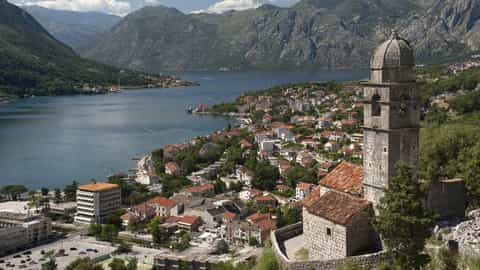
Montenegro is a compact Adriatic gem built around the dramatic Bay of Kotor. It is best experienced from Kotor as a small-ship coastal call, not as a river cruise. This package prioritizes unhurried exploration, UNESCO-listed old towns, and the country's mountain-and-sea drama, while being honest about the absence of true river cruising.
Country facts
History
Montenegro's name means 'Black Mountain,' a reference to the dense dark forests of Mount Lovćen. The territory has been shaped by Illyrian tribes, Greek colonists, the Roman Empire, medieval Slavic states, Venetian maritime power, the Ottoman Empire, and Austro-Hungarian rule. Modern Montenegro emerged as an independent kingdom in 1878, later joined Yugoslavia, and regained independence in 2006 after a narrow referendum.
Montenegro's 20th-century history is entangled with the Yugoslav wars, nationalist politics, and a complex relationship with Serbia. Many visitors come for the natural beauty and old towns, not for modern politics. Do not romanticize the past; understand that Montenegro is a young state with layered identities, and speak about the 1990s with care.
Culture
Montenegrins are proudly independent, shaped by a mountain warrior heritage and an Adriatic seafaring culture. The country is predominantly Orthodox Christian with significant Muslim and Catholic communities, and its identity balances old tribal traditions with a modern Balkan-European outlook.
Music: Gusle epic singing is a revered Montenegrin tradition, telling heroic stories to the accompaniment of a one-stringed instrument. Coastal areas share the klapa vocal harmony style of the Adriatic, while contemporary pop and Balkan folk music are popular.
Signature landscape: The Bay of Kotor, Europe's southernmost fjord-like bay, ringed by towering limestone peaks; and the Tara River Canyon, one of the deepest canyons in the world.
Cuisine
- Njeguški pršut (dry-cured smoked ham)
- Njeguški cheese
- Kačamak (cornmeal, potato, and cheese)
- Bokeljski makaruli (shell-shaped pasta with beef sauce)
- Fresh Adriatic fish and black risotto
- Vranac red wine
- Rakija (grape brandy)
Architecture & heritage
- Venetian fortified old towns of Kotor and Budva
- Baroque Perast and the island church of Our Lady of the Rocks
- Orthodox monasteries such as Ostrog, Cetinje, and Morača
- Austro-Hungarian fortifications and mountain roads on Lovćen
Tips for American travellers
- Carry euros in small denominations; credit cards work in tourist areas but cash is still expected in villages and markets.
- English is widely spoken in tourism, but learn 'zdravo' (hello) and 'hvala' (thanks).
- Mountain roads are narrow and winding; allow extra driving time.
- Dress modestly when visiting monasteries and churches; shoulders and knees should be covered.
- Montenegro is not in the Schengen Area, so keep your passport for border crossings.
- Use registered guides for excursions into Bosnia, Serbia, or Kosovo because border rules can change.
Major cities & destinations
Kotor Coastal town and UNESCO World Heritage site
Kotor is the heart of Montenegro's cruise experience. Its marble old town, Venetian palaces, and dramatic fortress backdrop make it one of the most photogenic ports in the Adriatic.
Primary cruise port of call in Montenegro; large ships dock at the passenger terminal or anchor in the bay.
Old Town of Kotor and city walls Cathedral of Saint Tryphon Maritime Museum St. John's Fortress climb Trg od Oružja (Arms Square)Perast Historic baroque village on the Bay of Kotor
Perast is a perfectly preserved baroque town with stone palazzi and a serene waterfront. It is the launch point for the famous island church of Our Lady of the Rocks.
A top shore excursion from Kotor, usually reached by a short boat ride across the bay.
Our Lady of the Rocks island church St. Nikola Church Perast waterfront palazzi Museum of PerastBudva Coastal resort and fortified old town
Budva combines a lively old town, sandy beaches, and some of Montenegro's best nightlife. It is a useful second stop for travelers wanting a contrast to Kotor's quieter atmosphere.
Usually visited as an overland excursion from Kotor or as a secondary tender port on small-ship itineraries.
Budva Citadel Old Town walls Sveti Nikola island Slovenska Beach Mogren BeachSveti Stefan Iconic resort islet
Sveti Stefan is Montenegro's most recognizable postcard image, a fortified islet connected to the mainland by a narrow causeway. The islet itself is largely private resort property, but the viewpoint is stunning.
A signature photo stop on coastal excursions between Kotor and Budva.
Sveti Stefan islet and causeway Sveti Stefan beach Miločer beach and former royal residence Viewpoint on the coastal roadHerceg Novi Coastal town near the Croatian border
Herceg Novi feels less crowded than Kotor or Budva, with subtropical gardens, a relaxed promenade, and a small old town full of Austro-Hungarian and Venetian layers.
An occasional anchor or tender port for small ships entering Boka Bay; also reachable by road from Kotor.
Kanli Kula fortress Savina Monastery Škver waterfront promenade Clock TowerTivat Marina town and yachting hub
Tivat has reinvented itself around Porto Montenegro, a luxury yacht marina with shops, restaurants, and a naval heritage museum. It is a useful gateway to Boka Bay.
Used by yachts and some small expedition ships; not a conventional large-ship cruise terminal.
Porto Montenegro marina Naval Heritage Museum Tivat promenade Vrmac viewpointCetinje Historic royal capital in the mountains
Cetinje is Montenegro's old royal capital and spiritual center, home to monasteries, embassies, and the mausoleum of poet-ruler Petar II Petrović-Njegoš.
A common full-day shore excursion from Kotor or Budva; not a port.
Cetinje Monastery Njegoš Mausoleum on Mount Lovćen King Nikola's Palace Blue Palace Cetinje MuseumPodgorica Capital city
Podgorica is a modern administrative capital with a compact old town area, Ottoman-era clock tower, and easy access to Lake Skadar.
A pre- or post-cruise hub via Podgorica Airport; not a cruise port.
Clock Tower (Sahat Kula) Millennium Bridge Dajbabe Monastery Lake Skadar National ParkBar Port town and archaeological site
Bar is Montenegro's main commercial port and home to Stari Bar, a ruined medieval town with a famous ancient olive tree. It is a quieter, less polished side of Montenegro.
A marginal cruise port; more useful as an excursion base for Lake Skadar and the southern coast.
Stari Bar archaeological site Ancient olive tree Bar waterfront promenade King Nikola's Palace in BarCruise ports of call
Montenegro's cruise calls are all on the Adriatic coast, with Kotor as the overwhelming center of gravity. The Bay of Kotor is deep and sheltered, allowing ships to dock or anchor close to the old town. Herceg Novi and Tivat are secondary or small-ship ports; Bar is more of a commercial ferry port.
- Eastern Adriatic / Boka Bay small-ship voyages
- Western Mediterranean / Adriatic ocean cruises
Kotor Eastern Adriatic / Boka Bay small-ship voyages; Western Mediterranean / Adriatic ocean cruises
Kotor has a passenger terminal within walking distance of the UNESCO old town. Larger ships may anchor in the bay and tender passengers ashore. The setting is spectacular, with mountains rising directly behind the city walls.
Best for: History, photography, walking straight off the ship into a medieval old town
Operators: Viking Cruises, Azamara, Oceania Cruises, Windstar Cruises, Seabourn, Ponant, Emerald Cruises, Celebrity Cruises, MSC Cruises
Herceg Novi Eastern Adriatic / Boka Bay small-ship voyages
Herceg Novi sits near the entrance to Boka Bay. Small ships may anchor offshore and tender passengers to the town waterfront. It is less commercialized than Kotor and a good place to escape large crowds.
Best for: Quiet old town wandering, fortress views, subtropical gardens
Operators: Windstar Cruises, Ponant, Emerald Cruises
Tivat Eastern Adriatic / Boka Bay small-ship voyages
Tivat's Porto Montenegro marina is a modern yachting hub with deep-water berths. Some luxury and expedition ships use it as an alternative to Kotor, especially for embarking or disembarking guests.
Best for: Yacht-watching, contemporary marina life, easy boat access to Kotor and Perast
Operators: Windstar Cruises, Ponant, Emerald Cruises, Azamara
Bar Western Mediterranean / Adriatic ocean cruises
Bar is Montenegro's largest commercial port and a ferry link to Italy. Cruise calls are rare, but the old town of Stari Bar and nearby Lake Skadar make it a worthwhile destination for independent travelers.
Best for: Off-the-beaten-path history, Lake Skadar nature, southern Montenegro
Do not assume a 'Montenegro cruise' means river cruising. The country's only meaningful cruise calls are on the Adriatic. Kotor is the anchor port; Tivat and Herceg Novi are secondary; Bar is marginal. Some itineraries use Dubrovnik, Croatia, as a gateway and tender passengers into Boka Bay for day visits.
All cruise ports in Montenegro
Ships visiting by type: 85 ocean 1 river 2 expedition
Showing 2 ports in Montenegro

River cruises & routes
There is no commercial river cruising in Montenegro. The country's only navigable 'waterways' for cruise-style travel are the Adriatic Sea and the Bay of Kotor. Any Waterways Cruise product for Montenegro should be positioned as a small-ship coastal or expedition-style program, not a traditional river cruise.
| Route | Length | Countries | Highlights |
|---|---|---|---|
| Dubrovnik to Kotor to Corfu (Adriatic small-ship) | 7–10 days | Croatia, Montenegro, Albania (sometimes Greece) | Kotor old town, Perast, Budva, Sveti Stefan, Bay of Kotor |
| Venice to Athens via the Eastern Adriatic | 10–14 days | Italy, Slovenia, Croatia, Montenegro, Greece | Venetian heritage, Kotor, Herceg Novi, Greek islands |
| Kotor round-trip Boka Bay and Montenegrin coast | 3–5 days | Montenegro only | Kotor, Perast, Tivat, Budva, Sveti Stefan, Lake Skadar day trip |
Season: April through October; May, June, and September are best for comfortable temperatures and fewer crowds. July and August are hot and busy with both cruise passengers and land tourists.
Cruise lines visiting Montenegro
Montenegro appears on Mediterranean and Adriatic ocean cruise itineraries, not river cruise routes. The main calling point is Kotor. Ships range from large resort vessels to luxury yachts and small expedition ships. The list below is representative, not exhaustive.
Viking Cruises
Venice/Athens/Istanbul Adriatic voyages; Kotor as a featured port.
Ships: Viking Star, Viking Sea, Viking Jupiter
Azamara
Adriatic and Greek Isles itineraries; often includes late-evening or overnight calls in Kotor.
Ships: Azamara Journey, Azamara Quest
Oceania Cruises
Mediterranean and Adriatic voyages calling Kotor.
Ships: Oceania Riviera, Oceania Marina
Windstar Cruises
Small-ship Adriatic itineraries; may use Kotor, Herceg Novi, or Tivat.
Ships: Wind Star, Wind Spirit
Seabourn
Luxury Mediterranean cruises; Kotor calls.
Ships: Seabourn Quest, Seabourn Ovation
Ponant
Small expedition and luxury yachts; Boka Bay and Montenegrin coast.
Ships: Le Lyrial, L'Austral
Celebrity Cruises
Mediterranean and Adriatic itineraries; Kotor as a port of call.
Ships: Celebrity Silhouette, Celebrity Apex
MSC Cruises
Eastern Mediterranean and Adriatic itineraries; Kotor calls.
Ships: MSC Fantasia, MSC Splendida
This list is not an endorsement; verify current itineraries and port agreements each season. Many large lines use Kotor exclusively. True river cruise operators, including AmaWaterways and Viking river ships, do not operate in Montenegro. Waterways Cruise would need a coastal or small-ship product, or a partnership with an existing ocean operator, to serve this destination.
Planning & advice
This reader wants milestone travel without feeling herded. Montenegro's scale is small enough to allow self-paced exploration, and its beauty is immediate: old stone towns, deep blue bays, and mountains that plunge into the sea. A small-ship approach based in Kotor offers the comfort and convenience of a cruise while still making room for independent discovery.
For the American traveller
- Book a small-group or private guide in Kotor to avoid the early-morning herd from large cruise ships.
- Go ashore early or late; Kotor's old town is compact but narrow, and midday crowds are heavy.
- Carry your passport. Montenegro is not in the Schengen Area, though American citizens can visit visa-free for tourism for up to 90 days.
- Be cautious of restaurant touts along the waterfront; choose established, reviewed places away from the immediate dock.
- Wear sturdy walking shoes. Cobblestones and the St. John's Fortress climb are demanding.
- Tap water is safe in most towns, but bottled water is common and inexpensive.
- Cell coverage is generally good, but confirm your US mobile plan has an international day pass or buy a local eSIM.
- Visit in May, June, or September if you want to avoid the worst heat and crowds.
- Bring a European plug adapter; outlets are Type C/F, not US style.
Excursion planning
- Choose one meaningful excursion per port and leave the rest of the day for wandering.
- Combine Perast with Our Lady of the Rocks by boat from Kotor; it is short, scenic, and less exhausting than a long bus tour.
- Lovćen and Cetinje tours involve switchback mountain roads; bring motion-sickness medication if you are prone to nausea.
- Treat Sveti Stefan as a viewpoint and beach stop; the islet itself is private resort property and not open for casual touring.
- For independent travelers, local buses and taxis exist, but a local guide adds context and avoids wasted time.
- Ask whether shore excursion prices include admissions, boat rides, and gratuities before booking.
- Do not try to combine Podgorica and Cetinje with Kotor in one day; choose one and travel slowly.
The verdict
Montenegro is a 9/10 destination for the milestone American traveler if delivered as a small-ship coastal program based in Kotor, and essentially a 0/10 as a traditional river cruise. Package it honestly for its sea-and-mountain drama, UNESCO old towns, and strong local food and wine, and do not call it a river cruise.
Sources
- Montenegro National Tourism Organisation — Montenegro Travel (accessed 2026-09-09)
- CIA World Factbook — Montenegro (accessed 2026-09-09)
- UNESCO World Heritage Centre — Natural and Culturo-Historical Region of Kotor (accessed 2026-09-09)
- European Commission — Montenegro - European Neighbourhood Policy and Enlargement Negotiations (accessed 2026-09-09)
- Lonely Planet — Montenegro (accessed 2026-09-09)