Namibia Cruise Ports & Cruise Guide
Total 2
This page is an overview of the 2 cruise ports in Namibia, covering ocean cruises. 18 cruise ships visit Namibia across 2 ports. See live sailings and availability on the Namibia cruises page.


Namibia is Africa for the traveler who wants silence, scale, and self-reliance. It offers the world's oldest desert, the Atlantic's fog-soaked Skeleton Coast, a world-class wildlife reserve in Etosha, and a culture layered with San, Nama, Herero, German, and South African influences. There is no traditional river cruising here; the cruise story is expedition-style and coastal, centered on Walvis Bay and Lüderitz, with extraordinary overland extensions into dunes and game reserves. For the American traveler, Namibia rewards patience and an open schedule, but it punishes rushed checklists.
Country facts
History
Namibia's human history stretches back tens of thousands of years with San rock art, followed by Bantu migrations, German colonization, a genocidal early 20th century, decades of South African apartheid administration, and a hard-won independence in 1990. Its recent stability and conservation leadership are remarkable, but the past remains present in land disputes, poverty, and cultural memory.
Namibia's post-apartheid stability and conservation successes are real, but the country still faces deep economic inequality, a housing shortage, and the unresolved wounds of the 1904–1908 genocide. Tourism revenue does not automatically reach all communities.
Culture
Namibia is a young, multilingual nation of roughly 30 ethnic groups, where San, Nama, Oshiwambo, Herero, Damara, Kavango, and German influences coexist. Its identity is anchored in a fierce love of open land and a pragmatic, often quiet pride in having built a stable democracy from a violent colonial past.
Music: From Oviritje and Nama a cappella to gospel, kwaito, and jazz, Namibian music reflects its languages and migrations; the Windhoek Jazz Festival and local shebeens are good places to listen.
Signature landscape: The Namib Desert—often called the world's oldest desert—with towering apricot-red dunes at Sossusvlei and a fog-fed coastline that supports seals, lichen fields, and shipwrecks.
Cuisine
- Kapana (grilled beef strips with chutney)
- Braai (barbecue) with lamb or kudu
- Biltong (cured dried meat)
- Mahangu (pearl millet) porridge
- Omagungu (mopane worms)
- Potjiekos (slow-cooked stew)
- Fresh Atlantic kabeljou, snoek, and oysters
- Apfelstrudel and German-style pastries
- Namibian craft beer and camel thorn honey
Architecture & heritage
- German colonial buildings in Swakopmund and Lüderitz
- Kolmanskop's diamond-era ghost town
- Twyfelfontein UNESCO rock engravings
- Independence Avenue and the modern skyline of Windhoek
- Traditional Ovambo and Himba homesteads
Tips for American travellers
- English is common, but learning a few Afrikaans or Oshiwambo greetings opens doors.
- Ask before photographing people; do not pay without a negotiated agreement.
- The country is vast; do not underestimate driving times between attractions.
- Seasons are reversed from the U.S.; May–October is the cool dry season, November–April hot and wet.
- Dress modestly in rural and traditional communities.
- Carry small Namibian dollar bills for tips and local markets.
Major cities & destinations
Windhoek Capital city
Compact capital with a German colonial core, lively craft markets, museums, and a memorable sense of scale; most overland journeys begin here.
Not a port, but the primary international gateway and pre/post-cruise extension; most cruise operators arrange transfers to/from Walvis Bay.
Independence Avenue & Christuskirche National Museum of Namibia Tintenpalast (Parliament) Katutura township tour Namibia Craft CentreSwakopmund Coastal resort town
Namibia's adventure-sports hub and best-preserved German colonial town, with seaside promenades, dunes on one side and Atlantic fog on the other.
A popular shore excursion from Walvis Bay and a base for desert quad biking, skydiving, and the Moon Landscape.
Swakopmund Jetty & Pier German colonial buildings (Woermann Haus, Hohenzollern Haus) Swakopmund Museum Namib High Dunes Martin Luther Steam LocomotiveWalvis Bay Port city and lagoon
Namibia's main deep-water port; its lagoon and wetlands are internationally important for flamingos, pelicans, and migratory shorebirds.
The principal cruise port for Namibia; ships dock at Walvis Bay and passengers explore the bay, dunes, and Skeleton Coast.
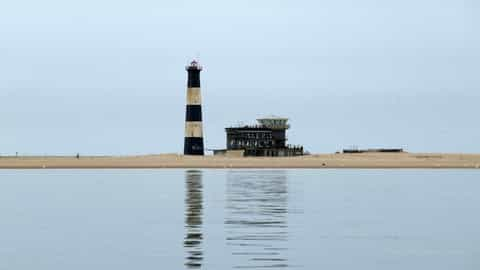
Walvis Bay Lagoon & Ramsar wetlands Pelican Point sand spit and seal colony Sandwich Harbour dunes Kuiseb River Delta Walvis Bay WaterfrontLüderitz Historic harbor town
A tiny, fiercely atmospheric harbor ringed by diamond-era German architecture and the surreal ghost town of Kolmanskop.
Secondary Namibian cruise port; ships often anchor or dock for Kolmanskop and Diaz Point; small ships can access the bay.
Kolmanskop ghost town Diaz Point & cross Lüderitz Old Museum Felsenkirche (rock church) Penguin Islands cruise or boat tripSossusvlei Natural desert region
Home to some of the world's tallest red sand dunes and the haunting white-clay pan of Deadvlei; the iconic image of Namibia.
Not a cruise port; usually reached by scenic flight or overland safari from Swakopmund/Walvis Bay as a pre/post-cruise extension.
Dune 45 Big Daddy dune Deadvlei Sossusvlei pan Sesriem CanyonEtosha National Park National park / wildlife reserve
One of Africa's great game reserves; a vast salt pan, perennial waterholes, and a chance to see black rhino, lion, elephant, and endemic birds.
Usually a fly-in extension from Windhoek after a coastal cruise; some cruises offer pre- or post-safari add-ons.
Okaukuejo waterhole Etosha Pan Halali waterhole Namutoni Fort Ongava Game Reserve (private concession)Damaraland Arid wilderness region
Rugged mountains, ancient rock art, and desert-adapted elephants that roam the dry riverbeds; far fewer visitors than Etosha.
A remote interior extension, best reached by air or guided safari; not part of ship itineraries but featured in overland packages.
Twyfelfontein / Ui-//aes UNESCO rock engravings Damara Living Museum Brandberg Mountain (White Lady painting) Desert-adapted elephant riverbed drives Petrified ForestSkeleton Coast Remote wilderness coastline
Shipwrecks, shifting dunes, sea fog, and Cape fur seal colonies; one of the world's loneliest, most dramatic coastlines.
Expedition ships may make small-boat landings along the Skeleton Coast, at Cape Cross or Möwe Bay, weather permitting; also scenic flights.
Cape Cross Seal Reserve Skeleton Coast National Park Shipwrecks near the coast Möwe Bay & Terrace Bay Huab River deltaCruise ports of call
Namibia has no river cruising; its cruise story is coastal. The only regularly visited deep-water port is Walvis Bay, with Lüderitz as a smaller, characterful alternative. Expedition and luxury ships use Walvis Bay as the pivot for Atlantic itineraries between Cape Town and the Skeleton Coast, combining wildlife safaris with Zodiac landings and desert excursions.
- Cape Town to Walvis Bay — the classic West Coast expedition route, tracing the Benguela Current through South African and Namibian waters.
- Walvis Bay to Lüderitz & the Skeleton Coast — a focused Namibia loop emphasizing desert, wildlife, history, and colonial-era towns.
Walvis Bay Both route families
Sheltered by the Pebble Point peninsula and backed by the Namib dunes, Walvis Bay has one of Africa's best natural harbors. Ships dock close to town, making shore excursions simple.
Best for: Wetland birding, dune adventures, kayaking, scenic flights, and as the jumping-off point for Swakopmund and the Skeleton Coast.
Operators: Ponant, Hapag-Lloyd Cruises, Silversea, Seabourn, Lindblad Expeditions, Hurtigruten Expeditions
Lüderitz Route family two
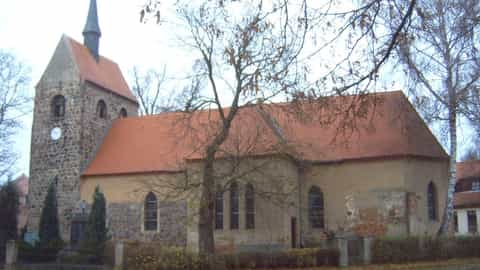
Lüderitz is a time-capsule port of German art-nouveau houses wedged between the Atlantic and the restricted Sperrgebiet diamond area. Small ships may dock at the modest port; larger ships often use tenders or call less frequently.
Best for: Historic architecture, Kolmanskop ghost town, coastal wildlife, and an end-of-the-line atmosphere.
Operators: Ponant, Hapag-Lloyd Cruises, Silversea, Seabourn, Lindblad Expeditions
No river ports exist; along the Skeleton Coast, expedition ships may use Zodiacs for shore landings at remote sites such as Möwe Bay or Cape Cross, subject to swell, fog, and park permits.
All cruise ports in Namibia
Ships visiting by type: 16 ocean 2 expedition
Showing 2 ports in Namibia
River cruises & routes
Namibia has no navigable river suitable for cruise ships. The Caprivi Strip's perennial rivers (Zambezi, Kwando, Chobe) support small boating safaris, but not traditional river cruises. The 'cruise' experience is coastal and expedition-style, with land extensions to desert and wildlife areas.
| Route | Length | Countries | Highlights |
|---|---|---|---|
| Cape Town to Walvis Bay | 10–14 days | South Africa, Namibia | Cape Town, Benguela Current, Namib Desert coast, Sandwich Harbour, Cape Cross seal colony, Walvis Bay lagoon |
| Walvis Bay & Skeleton Coast Expedition | 7–10 days | Namibia | Walvis Bay, Swakopmund, Cape Cross, Möwe Bay, Lüderitz, Kolmanskop |
| Namibia Fly-in Safari & Coastal Cruise | 14–16 days | Namibia | Windhoek, Sossusvlei, Swakopmund, Walvis Bay cruise, Etosha National Park, Damaraland |
Season: May–October (dry season) is best for wildlife and clear skies; coastal cruises often run September–May when seas are calmer; year-round fog makes the Skeleton Coast moody.
Cruise lines visiting Namibia
No major river line operates in Namibia. Instead, a small group of expedition and luxury ocean lines schedules Namibia as part of longer Africa itineraries. The country's appeal is uncrowded anchorages and high-impact shore excursions.
Ponant
Cape Town–Walvis Bay and West Africa expeditions; occasional Skeleton Coast calls
Hapag-Lloyd Cruises
Luxury and expedition voyages between Cape Town and Walvis Bay, often including Lüderitz
Silversea
World-cruise segments and Africa expeditions with Walvis Bay calls
Seabourn
Africa itineraries including Walvis Bay; expedition ships occasionally route along the Namibian coast
Lindblad Expeditions
National Geographic expedition ships on Cape Town–Namibia–Skeleton Coast voyages
Hurtigruten Expeditions
Seasonal expedition cruises along the West African coast, with Walvis Bay calls
This is a representative master list, not a guarantee. Namibia's small ports limit ship size; schedules shift frequently. Always confirm current deployments and park permits before booking.
Planning & advice
Namibia is the antidote to being herded: enormous open spaces, fewer crowds than East Africa, and an expedition-ship scale that keeps decisions flexible. It rewards the mature traveler who wants beauty without a checklist.
For the American traveller
- No visa is required for U.S. citizens for tourist stays up to 90 days, but requirements can change; confirm with the Namibian Embassy and U.S. State Department before travel.
- Drive on the left; road conditions vary, distances are enormous, and wildlife can cross at night.
- Tap water is safe in Windhoek and most towns, but carry bottled water in remote desert areas.
- Sun and dust are intense; wear a hat, SPF 50+, and a buff; the coast is cool and windy even in summer.
- Photography etiquette matters: always ask permission before photographing people, and avoid photographing infrastructure or military sites.
- Medical care is limited outside Windhoek; evacuation insurance is strongly advised.
Excursion planning
- Book shore excursions through your ship or a reputable local operator; independent trips in desert areas require an experienced guide.
- Allow at least one full day for Walvis Bay and one for Swakopmund; do not try to combine Sossusvlei and Etosha in a single day.
- For Skeleton Coast landings, check weather and tide conditions; fog can cancel flights and Zodiac excursions.
- Carry binoculars, a telephoto lens, and a dry bag for boat excursions.
- If you visit during green season (November–April), add time for afternoon thunderstorms and muddy gravel roads.
The verdict
Go for the landscapes, the silence, and the sense of discovery. Namibia is not a luxury beach destination; it is an expedition destination for travelers who understand that the journey—across desert, coast, and wildlife—is the reward.
Sources
- CIA World Factbook — Namibia (accessed 2026-09-09)
- Namibia Tourism Board — Official Namibia Travel Portal (accessed 2026-09-09)
- UNESCO World Heritage Centre — Twyfelfontein / Ui-//aes (accessed 2026-09-09)
- Ramsar Sites Information Service — Walvis Bay Wetlands (accessed 2026-09-09)
- U.S. Department of State — Namibia International Travel Information (accessed 2026-09-09)