Groningen Cruise Port
Groningen Seaports - Eemshaven Cruise Terminal


Groningen, Netherlands Port
Groningen UN/LOCODE NLGRQ Port of call Homeport
Groningen Cruise Port Location
| Port Details | |
|---|---|
| Country | Netherlands |
| Region | Groningen |
| UN/LOCODE | NLGRQ |
| Contact | |
| Address | Handelskade West, 9979 BT Eemshaven, Netherlands |
| Port phone | +31 596 640 400 |
| Website | www.groningen-seaports.com |
| Geography | |
| Coordinates | 53.21917, 6.56667 |
| Accessibility | |
| Accessible | Limited |
The transit from the Eemshaven ocean terminal to Groningen city center takes 30 minutes by train, costing €12.50 (~$14.50 USD) for a one-way fare. Located in the northernmost Groningen province of the Netherlands, this destination serves as a primary hub for both river cruise vessels docking in the Oosterhaven and larger ocean ships berthing at the Eemshaven deep-water facility on the Eems-Dollard estuary. You are approximately 60 km (37 miles) east of Leeuwarden and 60 km (37 miles) west of the historic Bourtange star-fortress. It is worth noting that the rail connection is exceptionally reliable, yet many passengers lose valuable time by not pre-purchasing tickets. As a Hanseatic city with a university dating to 1614, the destination is a dense weave of medieval gables and ultra-modern architecture. A day here rewards those who appreciate an intimate, walkable city layout with a sophisticated art scene, but it punishes anyone expecting a 'Little Amsterdam' with tourist-centric canal cruises. Be aware that the city remains largely free of the souvenir-shop clutter found in the south. You can realistically expect a sophisticated, resident-focused atmosphere where English is fluently spoken, though the pace is distinctly more relaxed than in the Randstad. This port rewards the curious explorer and punishes the unprepared traveler who expects a shuttle to wait at the industrial pier.
Groningen — Port Overview
History
Groningen emerged as a regional powerhouse in the 11th century, eventually joining the Hanseatic League in 1422 to dominate trade along the Eems-Dollard estuary. Its strategic location made it a 'city-state' of the north, often at odds with the central Dutch authorities in the west. The University of Groningen, founded in 1614, transformed the city into a cerebral center that famously survived the tumultuous 1672 siege by the Bishop of Münster, an event still celebrated annually on August 28th. However, the most visible scars date to April 1945. The Battle of Groningen saw heavy fighting between Canadian forces and German defenders, which unfortunately leveled much of the northern and eastern sides of the Grote Markt square. You will find that the reconstruction of the 1950s is now being intentionally replaced by modern icons to restore the city's architectural pride. You can see this tension between eras most clearly when standing between the 15th-century Martinitoren and the futuristic Forum Groningen. The tower survived the war’s artillery, remaining the 'Old Grey Man' of the skyline since 1482. Today, the city’s Hanseatic past is preserved in the warehouse-lined Hoge der A, where the medieval grain trade laid the foundations for the wealth that built the Prinsenhof. This history isn't just in books; it is under your feet in the yellow-brick 'klinker' streets that have survived five centuries of traffic.
The Verdict
Groningen is a destination that rewards the traveler who looks past the industrial facade of the Eemshaven terminal to find the vibrant Hanseatic soul within. Travelers who benefit most from this port are the ones who arrive with a plan and the flexibility to adapt it. This guide has been fact-checked by J. Richard and the Waterways Cruise editorial team. Excursions that guarantee a return to the ship can be tailored to your mobility, interests, and pace, so missing departure is never a concern. No two travelers want the same day ashore.
Things to Do & See in Groningen
| Attraction | Type | Address | Phone | Hours | Website | Admission |
|---|---|---|---|---|---|---|
| Groninger Museum | Museum | Museumeiland 1, 9711 ME Groningen | +31 50 366 6555 | Tue-Sun 10:00 AM – 5:00 PM | groningermuseum.nl | EUR €16.50 |
| Forum Groningen | Landmark | Nieuwe Markt 1, 9712 KN Groningen | +31 50 368 3683 | Daily 09:00 AM – 11:00 PM | forum.nl | Free |
| Der Aa-kerk | Historical Site | Akerkhof 2, 9711 JB Groningen | +31 50 312 3569 | Seasonal; check website for event access | deraa-kerk.nl | Free |
| Prinsentuin | Cultural Site | Prinsentuin, 9712 RB Groningen | 10:00 AM – Sunset (April-Oct) | Free | ||
| Martinitoren | Landmark | Grote Markt 12, 9712 HV Groningen | +31 50 312 3569 | Daily 11:00 AM – 5:00 PM | visitgroningen.nl | EUR €6.00 |
Groninger Museum · Museum
EUR €16.50Standing as a bold, colorful island in the canal directly opposite the main train station, the Groninger Museum is one of the most significant cultural landmarks in the Netherlands. The consistent feedback from visitors is that the building's design—a collaborative effort between Mendini, Starck, and Coop Himmelb(l)au—is as provocative as the collections themselves. You will find a world-class assortment of porcelain, but the true soul of the museum lies in the 'De Ploeg' Expressionist gallery. These artists captured the unique, stark light of the Groningen countryside in a way no others have. Keep in mind that most visitors spend too much time in the temporary exhibitions; it is best to prioritiz the permanent porcelain and local history galleries first. You will come away with a sense of Groningen’s forward-thinking identity—a city that respects its past but isn't afraid to shock the present.
Museumeiland 1, 9711 ME Groningen ·+31 50 366 6555 ·Tue-Sun 10:00 AM – 5:00 PM ·www.groningermuseum.nl
Forum Groningen · Landmark
FreeRising 45 meters above the Grote Markt, the Forum is the new vertical heart of Groningen. Opened in 2019, this monolith has quickly become the city's most visited site. According to local tourism data, its roof terrace offers the only 360-degree unobstructed view of the Northern Netherlands. The escalator journey to the top takes about 4 minutes of continuous visual discovery as the city opens up beneath you. The interior is a labyrinth of light and space, housing an international comic museum, a boutique cinema, and the city library. You should look for the hidden study nooks built into the stairwells—they offer the best people-watching spots. The visit offers a stunning contrast to the medieval city; it is a place where you can touch the future while looking down on the 15th-century gables of the Markt. It is the perfect 'reset' stop during a busy day.
Nieuwe Markt 1, 9712 KN Groningen ·+31 50 368 3683 ·Daily 09:00 AM – 11:00 PM ·forum.nl
Der Aa-kerk · Historical Site
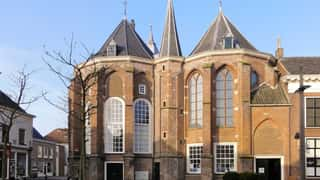
FreeLocated in the historic harbor district, the Der Aa-kerk is a stunning example of North German brick Gothic architecture. Its iconic yellow tower has been a navigational marker for sailors on the Eems-Dollard estuary for centuries. The history of this site has been rebuilt multiple times due to storm and fire, with the current structure largely dating to the 15th century. When you step inside, the soaring white vaults create a sense of immense space that contrasts with the bustling Vismarkt nearby. It is best to visit during one of the frequent organ recitals; the sound of the Schnitger organ filling the nave is a moment of pure transcendence. You'll be standing on the same ground where medieval grain merchants once traded. You will come away with a profound connection to Groningen's maritime and Hanseatic heritage.
Akerkhof 2, 9711 JB Groningen ·+31 50 312 3569 ·Seasonal; check website for event access ·www.deraa-kerk.nl
Prinsentuin · Cultural Site
FreeThe Prinsentuin is a Renaissance masterpiece hidden in plain sight. Established in 1626 for the stadtholders (princes) of the northern provinces, it remains one of the finest examples of a formal 'lusthof' in the Netherlands. The consistent feedback from visitors is that it provides a vital moment of silence in a lively city. You'll walk under perfectly manicured rose tunnels and through box-hedge parterres filled with medicinal herbs. The high brick walls block out all city noise, leaving only the sound of the fountain and the birds. The walking path takes about a gentle 15-minute loop, though most guests linger much longer. Expect a rare glimpse into the private life of 17th-century Dutch nobility. It is a sensory delight of fragrance and order.
Prinsentuin, 9712 RB Groningen ·10:00 AM – Sunset (April-Oct)
Martinitoren · Landmark
EUR €6.00Known affectionately by locals as 'D'Olle Grieze' (The Old Grey One), the Martinitoren is the undisputed symbol of Groningen. Standing at 97 meters, it has survived fires, lightning, and the 1945 liberation battles. According to the Martinitoren authorities, the foundations are only three meters deep, a miracle of medieval engineering on soft Dutch clay. The ascent takes about 15 to 20 minutes depending on your fitness level. As you climb, you pass the massive bells of the carillon, which still ring out across the city. The view from the first gallery gives you an intimate look at the gables of the Grote Markt, while the top gallery offers views reaching all the way to the Wadden Sea on a clear day. You will come away with a sense of raw, unvarnished history. You can feel the wind through the stone arches and touch the 500-year-old masonry.
Grote Markt 12, 9712 HV Groningen ·+31 50 312 3569 ·Daily 11:00 AM – 5:00 PM ·www.visitgroningen.nl
Eating & Drinking in Groningen
The culinary identity of Groningen is defined by the 'Groninger Mosterd' (coarse grain mustard). Unlike the smooth French varieties, this mustard is earthy and spicy. You will find it most famously in Groninger Mosterdsoep, a creamy soup usually topped with crispy 'spekjes' (bacon bits). It is worth noting that the best version is served at the Vismarkt stalls. For drinks, look for 'Hooghoudt' Genever; this local distillery has been in the same family since 1888 and produces a gin-like spirit that is part of the city's DNA. You will find that while tourists expect to eat pannenkoeken (pancakes) for every meal, locals actually favor 'Eierbal'—a deep-fried scotch-egg variant found at every snack bar. You must try one from a 'muur' (vending machine wall) for the true local experience. For the genuine version of local beer, visit Baxbier, a craft brewery that uses North Sea water characteristics to brew their unique IPA.
| Place | Address | Phone | Hours | Website | Price range |
|---|---|---|---|---|---|
| De Pijp Wine & Dine | Hoge der A 3, 9712 AC Groningen | +31 50 318 5100 | Tue-Sat 5:00 PM – 11:00 PM | depijp-groningen.nl | €45–€60 (~$52–$69 USD) |
| Restaurant De Blaue Hand | Nieuwe Markt 34, 9712 KN Groningen | +31 50 312 3767 | Daily 11:30 AM – 9:00 PM | deblauehand.nl | €20–€35 (~$23–$40 USD) |
| Mr. Mofongo | Oude Boteringestraat 26, 9712 GH Groningen | +31 50 314 4444 | Daily 11:00 AM – 1:00 AM; Happy Hour 4:00 PM – 6:00 PM | mofongo.nl | €9–€14 (~$10.50–$16.00 USD) |
De Pijp Wine & Dine
€45–€60 (~$52–$69 USD)Located in a stunning former warehouse on the city's most beautiful canal, De Pijp delivers high-end Dutch cuisine with a focus on local provenance. Visitors should order the tasting menu; the chef's use of North Sea seafood is exemplary. The stone-walled interior and candlelit tables create an intimate vibe. A drawback is that the restaurant is on the second floor of a historic building and access is via a steep staircase.
Hoge der A 3, 9712 AC Groningen ·+31 50 318 5100 ·Tue-Sat 5:00 PM – 11:00 PM
Restaurant De Blaue Hand
€20–€35 (~$23–$40 USD)This is one of the oldest taverns in the city, with a history dating back to the 1600s. It is best to order the mustard soup—it is the city's signature dish, and here it is served with heavy Dutch rye bread. The atmosphere is 'Gezellig' (cozy) with dark wood and low ceilings. It is the perfect spot for a quick, authentic Dutch lunch.
Nieuwe Markt 34, 9712 KN Groningen ·+31 50 312 3767 ·Daily 11:30 AM – 9:00 PM
Mr. Mofongo
€9–€14 (~$10.50–$16.00 USD)Named after a fictional world traveler, this bar is famous for its three-story 'liquor wall' where a robotic arm retrieves bottles. It sounds like a gimmick, but the cocktails are genuinely world-class. It is best to find a seat on the mezzanine to watch the robot in action. It is the right place for a drink because it perfectly encapsulates Groningen's blend of history and innovation.
Oude Boteringestraat 26, 9712 GH Groningen ·+31 50 314 4444 ·Daily 11:00 AM – 1:00 AM; Happy Hour 4:00 PM – 6:00 PM
Getting There & Around
Once you arrive at Groningen Centraal, the primary way to move is on foot; the city center is mostly pedestrianized. The walk from the station to the Grote Markt takes about 12 minutes. For those who prefer transit, the 'Stadsbus' network is excellent. A 'Dagkaart' (Day Pass) costs €8.50 (~$9.80 USD) and can be purchased via the OV-chipkaart system or using a contactless credit card (OVpay). Uber does not operate reliably here; use the 'Taxi Groningen' app or the rank at the station. Bike rental is available at the station for €15.00 (~$17.25 USD) per day. While the infrastructure is world-class, caution is advised due to the high volume of local student cyclists, which can be intimidating for visitors. One navigation tip most guides omit: look for the 'Groninger Handvest' markers in the pavement; they form a logical walking loop between the main historical sites.
Itineraries & Sample Walks
4-Hour Shore Excursion in Groningen
Groninger Museum
9:30 AM (90 min)
A postmodern masterpiece designed by Alessandro Mendini. The building itself is as much an exhibit as the art inside. Don't miss the local 'De Ploeg' expressionist collection, which captures the unique light of the northern Dutch landscape.
- Located directly across from the train station exit. (Free)
- Entry: €16.50 ($19.00)
- The museum cafe has an outdoor terrace that sits level with the water—one of the few places to experience the canal at eye level.
Forum Groningen
11:15 AM (60 min)
An architectural marvel. Take the long escalators to the top level for a 360-degree view of the province. It houses a library, a cinema, and a museum of comic art.
- Walk north on Ubbo Emmiusstraat, through the Grote Markt.
- Entry: Free (Free)
- Skip the long lines for the Martinitoren climb; the Forum roof terrace is free and offers an elevator-accessible view that includes the tower itself.
Lunch Recommendation
Brasserie Groen
While tourists crowd the Grote Markt, locals head to the Zwanestraat—voted the best shopping street in the country. This brasserie serves a superior, authentic mustard soup without the 'tourist tax'.
Order: Groningse Mosterdsoep (Mustard soup with bacon bits), Dutch North Sea Kibbeling (Battered fish)
Zwanestraat 27, 9712 CJ Groningen
Cost: €25.00 (~$29.00 USD)
8-Hour Full Day Experience in Groningen
Martinitoren (The Martini Tower)
9:00 AM (60 min)
The 97-meter 'Old Grey Man' has stood since 1482. The climb involves 311 steps. You will see the massive bells that have signaled the city's joys and sorrows for centuries.
- Walk from Groningen Centraal (12 minutes).
- Entry: €6.00 ($7.00)
- Halfway up, look for the 'tower guard's room'—most people rush past it, but it contains fascinating drawings from the 1672 siege.
Prinsentuin Garden
10:30 AM (45 min)
A stunning Renaissance garden with rose tunnels and herb beds. It is the most tranquil spot in the city center and a perfect example of 17th-century landscape design.
- 5-minute walk north from the tower.
- Entry: Free (Free)
- Check the sundial above the entrance—it is one of the most accurate in the Netherlands.
Getting back to the ship
If you are docking at Eemshaven, you must leave Groningen Centraal station no later than 90 minutes before your all-aboard time. The train journey is exactly 30 minutes, but Arriva trains run only once or twice per hour. A taxi back to Eemshaven costs roughly €75 (~$86 USD) and takes 35 minutes. If you miss the last train, call the Port of Groningen Authority (+31 596 640 400). The ship will not hold for independent travelers. Missing the ship in Eemshaven is a major logistical hurdle, as the nearest international airport (Bremen or Amsterdam) is over 2 hours away. Always build in a 30-minute buffer beyond the train schedule to account for potential Dutch rail delays.
Weather & Best Time to Visit Groningen
Weather & What to Pack
Cruise season: April to October
12°C to 22°C (54°F to 72°F). Windy conditions are common due to the proximity to the Eems-Dollard estuary.
What to wear: Layering is essential. Even on sunny days, the North Sea wind can be biting. A lightweight is recommended, waterproof jacket and sturdy walking shoes. Avoid heels or thin-soled shoes as the historic brick streets are uneven. Sunscreen is needed for the exposed roof terrace of the Forum.
Weather risks: High winds at Eemshaven can occasionally delay docking or train transfers. Afternoon thunderstorms are common in July and August.
Spring offers the best clarity for views from the Martinitoren, while autumn can be quite foggy.
| Season | Conditions | Hazards | Affected areas | Visitor advice |
|---|---|---|---|---|
| Spring (March–May) | Cool and often windy, with temperatures ranging from 8°C to 15°C (46°F to 59°F). Frequent light rain showers. | Wet brick 'klinkers' in the Folkingestraat become surprisingly slippery. Gusts along the Eems-Dollard estuary can make the Eemshaven pier treacherous for those with light frames. | Exposed terminal piers and the open squares of the Grote Markt. | Wear a windproof outer layer and shoes with rubber soles. Leather-soled shoes are a liability on wet Dutch brickwork. |
| Summer (June–August) | Mild to warm, averaging 20°C to 24°C (68°F to 75°F). Occasional humidity and bright, direct sun. | The stone surfaces of the Grote Markt and Forum roof terrace reflect heat intensely; dehydration risk is high during afternoon peaks. | Grote Markt, Forum Groningen roof, and the Vismarkt. | Visit the Forum roof before 11:00 AM. Use the shaded Prinsentuin for afternoon rest stops. |
Practical Information
Cultural etiquette
Locals in Groningen greet each other with a direct nod or a firm handshake; the triple-kiss is reserved for close friends. Americans should be aware that the Dutch value directness; it is not considered rude to be told 'no' or to be given a blunt opinion. In dining, meals are unhurried—waiters will not bring the check until you explicitly ask for it. Splitting dishes is uncommon in formal restaurants but perfectly normal in cafes. Photography is generally welcomed, but you must ask permission before photographing stall-holders at the Vismarkt. Queueing is somewhat informal compared to the UK or US; expect people to 'cluster' rather than form a single line, and don't be afraid to hold your ground. Tipping is not mandatory but rounding up to the nearest €5 or leaving 10% for exceptional service is the norm. One common misunderstanding: cruise passengers often mistake the direct, unembellished service style for unfriendliness—it is actually a sign of respect for your privacy.
Mistakes to Avoid
| Mistake |
|---|
Waiting to buy train tickets at the Eemshaven platform. |
Climbing the Martinitoren when you have limited mobility. |
Assuming all shops are open on Monday mornings. |
Walking in the red-paved lanes. |
Practical tips
Groningen is largely a cashless city. While major cards are accepted in hotels and larger shops, many smaller cafes and the Vismarkt stalls prefer 'Pin' (Dutch debit) or contactless mobile payments. Always carry at least €20 in cash for smaller purchases just in case. Tipping is simple: round up to the nearest €5 or €10 for a nice dinner. To earn genuine goodwill, use these phrases: 'Hoi' (Hello), 'Dank u wel' (Thank you), and 'Lekker' (Delicious/Nice). Be aware of the 'bicycle scam'—if someone offers to sell you a very cheap bike on the street, it is stolen; politely decline and walk away. Pickpocketing is rare but does occur in the crowded Vismarkt; keep your bags closed and in front of you. There is no strict dress code for churches like the Martinitoren, but modest attire is appreciated. The best time of day to visit the Forum roof is before 11:00 AM to avoid the midday sun and the afternoon school groups.
Cruise Lines Visiting Groningen
Port of Call


Why Book With Waterways Cruise?
Four decades of expertise, one dedicated advisor, and every detail handled, from your front door to the gangway and back.
Personal Service — Your Own Cruise Concierge
Tailor-Made — 100% Custom-Built
Expertise — 40+ Years in Travel
Price Watch — Book With Total Confidence
Signature Sailings
All Cruise Lines at Groningen (A–Z)
Nearby Ports


FAQ — Groningen
Is the train station far from the cruise ship in Eemshaven?
The Eemshaven train station is located approximately 400 meters (0.25 miles) from the cruise terminal. It is a flat, paved walk of about 5-7 minutes. However, be aware that there is no shelter along this path, so if it is raining or windy, you will be exposed. You should have your umbrella ready before you step off the gangway. The trains are timed to coincide with major arrivals, but they only run once an hour during off-peak times. Consider checking the Arriva RS5 schedule specifically for your arrival date to avoid a 55-minute wait on a cold platform.
Can I use my American credit card for the bus and train in Groningen?
Yes, but with a specific method called OVpay. You can simply 'tap' your contactless Visa or Mastercard (or your phone's Apple/Google Pay) on the readers when entering and exiting any bus or train. There is no need to buy a separate plastic card. However, ensure your card has no foreign transaction fees, as each tap will be processed in Euros. Some older American cards without 'tap-to-pay' technology will not work on buses. In those cases, you must buy a paper ticket from the machines at the train station using a PIN-enabled card. It is best to carry one physical card with a PIN as a backup.
What is the one dish I must eat in Groningen?
You must try the Groninger Mosterdsoep (Mustard Soup). It is a creamy, savory soup made from locally produced coarse-grain mustard, often garnished with crispy bacon and leeks. It perfectly represents the region's agricultural heritage. You can find the most authentic version at Restaurant De Blaue Hand for approximately €8.50 (~$9.75 USD). If you are looking for a snack rather than a meal, try an Eierbal—a unique local delicacy consisting of a hard-boiled egg encased in curry-flavored ragout and breadcrumbs, then deep-fried. It is a staple of the city's 'snack wall' culture and costs about €2.50 (~$2.90 USD).
Are there public lockers for my bags near the port or station?
There are no luggage lockers at the Eemshaven industrial terminal. However, Groningen Centraal station has a large 'Bagagekluizen' (locker) area located near the main entrance. Small lockers cost €7.50 (~$8.65 USD) and large ones for suitcases cost €11.00 (~$12.65 USD) for 24 hours. Payment is by card only; no cash is accepted. This is very useful if you plan to explore the city before heading to an airport or hotel. Note that the lockers are often full during the Bloemenjaarmarkt in April, so arrive early if visiting during a festival.
How do I get to the Bourtange Star Fort from the cruise port?
Reaching Bourtange independently is difficult during a short port call. It requires a train from Groningen to Winschoten (35 minutes), followed by a bus (Route 72) that runs infrequently. The total transit time can exceed 90 minutes each way. For cruise passengers, a private taxi or a ship-organized excursion are recommended. A private taxi will cost approximately €120 (~$138 USD) round trip but saves you 2 hours of logistical stress. A private driver-guide to ensure you see the fortress and return to your ship with a guaranteed 60-minute buffer can be arranged in advance.
Is Groningen safe for solo travelers?
Groningen is exceptionally safe and consistently ranks as one of the safest cities in the Netherlands. Violent crime is nearly non-existent in the tourist areas. The primary concern is bicycle theft and accidental collisions with cyclists. Always stay in designated pedestrian areas and look both ways before crossing the red-paved bike lanes. Solo travelers often report feeling very comfortable here, even in the evening. As always, keep an eye on your belongings in the crowded Vismarkt area, but otherwise, you can explore with confidence. The local emergency number is 112 for all services.
Is the Groninger Museum worth the entry fee if I only have 2 hours?
Absolutely. Even if you only spend 90 minutes inside, the museum's architecture and the 'De Ploeg' collection are worth the €16.50 (~$19.00 USD). It is located directly across from the train station, meaning you waste zero time on transit once you arrive in the city. The museum is compact and logically laid out, allowing you to see the main highlights efficiently. If you are short on time, skip the temporary exhibitions on the lower levels and head straight for the colorful Mendini-designed pavilions. This location is frequently cited as a highlight of northern European itineraries.
Can I see windmills in Groningen city?
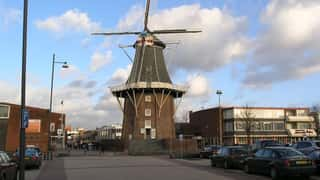
There are two historic windmills still standing within the city's canal ring: 'De Passiebloem' and 'Molen de Noordstar'. However, they are not always open for interior tours. For a more traditional windmill experience, you would need to take a 15-minute train ride to the village of Haren. If you stay in the city, focus on the 'Korenbeurs'—the old grain exchange—which tells the story of the grain that those windmills once ground. It's a more unique 'Groningen' story than the generic windmills found elsewhere in Holland.
Do I need to tip my tour guide in Groningen?
Tipping is not required in the Netherlands, as service charges are included in the price. However, for a private guide or a particularly good group tour, a tip of €5–€10 (~$5.75–$11.50 USD) per person is a generous gesture that will be warmly received. For taxi drivers, simply rounding up to the nearest €5 is standard. Dutch guides are professionals who earn a fair wage, so they will never 'solicit' a tip, but they appreciate the recognition of their expertise. Small cash tips for exceptional personal service are recommended.
Is English widely spoken in Groningen?
Yes, English proficiency is extremely high. Groningen is a major university city with a large international student population, so almost everyone you encounter in shops, restaurants, and transit will speak fluent English. You will have no trouble navigating or asking for directions. All signage in the train stations and the Forum is bilingual. To show respect, learning a simple 'Goede dag' (Good day) is appreciated, but not necessary for a successful visit. You can expect a much easier time communicating here than in many Mediterranean ports.
Fact-checked and co-written by J. Richard, Founder, Waterways Cruise, with the Waterways Cruise Content Team.
Published May 19, 2026 · Last updated October 12, 2026
This guide is researched and reviewed by our editorial team, but prices, hours, and availability change often. Confirm current details directly with venues, excursion operators, and your cruise line before you travel.