New Caledonia Cruise Ports & Cruise Guide
Total 3
This page is an overview of the 3 cruise ports in New Caledonia, covering ocean cruises. 21 cruise ships visit New Caledonia across 3 ports. See live sailings and availability on the New Caledonia cruises page.
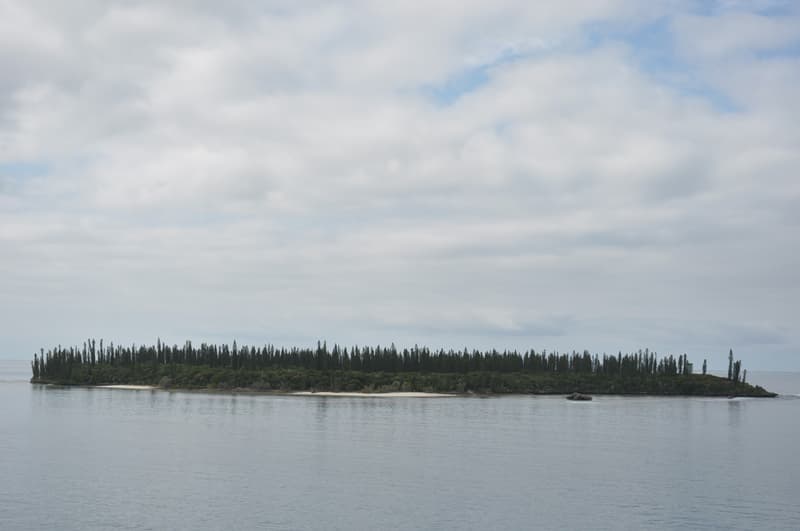


New Caledonia is a French overseas collectivity in Melanesia, home to one of the world's largest lagoons, a striking Kanak culture, and a dual French-Pacific identity. Cruise visitors typically arrive at Nouméa and then explore the Isle of Pines, Lifou, Maré, and Ouvéa by tender. It is not a river-cruise destination, but a saltwater expedition destination—ideal for milestone travelers who want beautiful beaches, real cultural encounters, and a chance to avoid large organized groups.
Country facts
History
Kanak settlement dates back more than 3,000 years. Captain James Cook named the island in 1774. France took possession in 1853, used it as a penal colony, and developed a nickel economy. The 1980s brought violent conflict over independence, followed by the 1988 Matignon Accords and the 1998 Nouméa Accord. Three referendums in 2018, 2020, and 2021 returned majorities in favor of remaining within France, though the 2021 vote was boycotted by many pro-independence leaders.
Colonial history, nickel extraction, and political tension over independence remain present. Visitors should avoid a simplistic 'happy island' framing and understand that the 2021 referendum outcome was not accepted by all New Caledonians.
Culture
A Pacific-French creole culture: Kanak customary structures, European-descended 'Caldoches', and smaller Polynesian and Asian communities. 'Kanaky' is a politically meaningful name used by many pro-independence Kanak.
Music: Kaneka, a contemporary Kanak music style blending reggae, funk, and traditional percussion; also Pacific string bands and French chanson.
Signature landscape: UNESCO-listed New Caledonia Lagoon: roughly 24,000 sq km of lagoons and one of the world's longest barrier reefs.
Cuisine
- Bougna, a traditional Kanak dish of meat or fish and root vegetables cooked in banana leaves in an earth oven
- Lagoon seafood, including lobster, crab, and tuna
- Venison from introduced deer
- French bread, pastries, and café culture
- Coconut-milk-based curries and tropical fruit
Architecture & heritage
- Jean-Marie Tjibaou Cultural Centre
- St. Joseph's Cathedral, Nouméa
- Colonial-era waterfront and Faubourg Blanchot houses
- Fort Teremba penal ruins
- Kanak customary houses and chiefly compounds in the Loyalty Islands
Tips for American travellers
- Learn a few French phrases; English is limited outside tourist hubs.
- Carry cash for outer islands; credit cards work in Nouméa but not everywhere.
- Ask permission before photographing people or customary sites.
- Dress modestly in Kanak villages.
- Respect environmental rules: do not touch coral or take shells from protected areas.
- Many shops close Saturday afternoon and Sunday.
- Drive on the right; a U.S. driver's license is accepted for short-term rentals.
- Reef-safe sunscreen, a rash guard, and water shoes are essential.
Major cities & destinations
Nouméa Capital city and main cruise hub
French-colonial charm, a lively market, excellent seafood, and easy access to lagoon islets and the Tjibaou Cultural Centre.
Main deep-water port; most ships dock near downtown; also a turnaround port for Australian voyages.
Tjibaou Cultural Centre Nouméa Market Aquarium des Lagons St. Joseph's Cathedral Anse Vata beach and promenade Ouen Toro viewpointÎle des Pins (Isle of Pines) Island destination / tender port
Kuto Bay and the Natural Pool offer postcard-perfect beaches; towering pines and turquoise water define the landscape.
Ships anchor off Kuto Bay or Baie d'Oro; tenders land passengers on the island for the day.
Natural Pool (Piscine Naturelle) Kuto Bay Baie d'Oro Queen Hortense's Cave Nga Peak viewpointLifou (Loyalty Islands) Customary island / tender port
Lifou offers powerful Kanak culture, dramatic cliffs, and uncrowded swimming spots; Easo is a classic South Pacific cruise call.
Tenders land at Easo on the southern coast; local villagers operate market stalls and guided walks.
Jokin Cliffs Easo marine reserve and beach Vanilla plantations Customary villages and carved meeting houses Easo churchMaré (Loyalty Islands) Island destination / tender port
The least-commercialized Loyalty Island, with raw coastal beauty, caves, and a strong customary rhythm.
Occasional tender calls at Tadine; no large port, so it feels like a true expedition stop.
Baie de Tadine Lac Hnawayac Cape Boyani cliffs and blowholes Customary villages of the interior Mission de La RocheOuvéa (Loyalty Islands) Lagoon island / tender port
Ouvéa's lagoon side has a seemingly endless white-sand beach; the island is a remote Melanesian gem.
Small-ship and occasional large-ship tenders arrive at Fayaoué or Mouli; the lagoon is protected under UNESCO.
Lekiny beach Mouli islet and causeway Fayaoué village and church Ancient burial caves near the coast Lagoon lookout pointsHienghène Coastal town on Grande Terre
Famous for dramatic needle-shaped rock formations rising from the bay, a classic New Caledonia landscape.
Not a regular cruise port; usually reached by rental car from Nouméa or by small plane; may be added as a scenic overflight from Nouméa.
La Poule Couveuse (the Brooding Hen rock) Lindo rocks and needle formations Hienghène Bay Mangrove channels Mount Panié lookoutCruise ports of call
New Caledonia is a South Pacific cruise destination, with the main port of Nouméa and smaller tender ports in the Loyalty Islands and the Isle of Pines. Most cruises operate seasonally from Australian east-coast ports or as part of French Polynesia-Pacific voyages. Port infrastructure is minimal outside Nouméa; tendering is the norm.
- Australia – New Caledonia loop (Brisbane/Sydney to Nouméa, Lifou, Isle of Pines, and occasionally Maré/Ouvéa)
- South Pacific island chain (Papeete to Fiji, New Caledonia, and Australia/New Zealand, usually on premium or luxury lines)
Nouméa Australia – New Caledonia loop; South Pacific island chain
Cruise terminal sits at Nouméa's commercial port, a short walk or shuttle ride from downtown. Large ships can berth alongside. Facilities include tourist information, taxis, and tour desks.
Best for: Culture, French dining, lagoon day trips, and city exploration
Operators: Ponant, Paul Gauguin Cruises, Royal Caribbean International, Princess Cruises, Carnival Cruise Line, Holland America Line, Windstar Cruises, Oceania Cruises
Île des Pins Australia – New Caledonia loop; South Pacific island chain
Ships anchor off Kuto Bay or Baie d'Oro; tenders run throughout the day. The island has no deep-water pier, so the experience is a classic beach tender stop.
Best for: Beach time, clear water, natural pools, and photography
Operators: Ponant, Paul Gauguin Cruises, Royal Caribbean International, Princess Cruises, Carnival Cruise Line, Holland America Line, Windstar Cruises, Oceania Cruises
Lifou Australia – New Caledonia loop; South Pacific island chain
Cruise ships anchor at Easo, Lifou's main tender point. Passengers step ashore to a village welcome, craft market, and paths leading to cliffs and beaches.
Best for: Kanak culture, cliff viewpoints, swimming, and crafts
Operators: Ponant, Paul Gauguin Cruises, Royal Caribbean International, Princess Cruises, Carnival Cruise Line, Holland America Line, Windstar Cruises, Oceania Cruises
Maré Australia – New Caledonia loop (occasionally); South Pacific island chain
Ships anchor off Tadine or another sheltered bay; tenders are infrequent and weather-dependent. Maré has limited infrastructure, which is part of its appeal.
Best for: Adventurous travelers, empty beaches, birdwatching, and authentic Melanesian culture
Operators: Ponant, Paul Gauguin Cruises, Holland America Line, Princess Cruises, Windstar Cruises, Oceania Cruises
Ouvéa South Pacific island chain; occasional Australia loop
Ships anchor off Fayaoué or Mouli; tenders land at a simple pontoon. The lagoon side of Ouvéa is a stunning, flat, white-sand coast.
Best for: Ultimate lagoon beauty, cycling, quiet villages, and low-key beach time
Operators: Ponant, Paul Gauguin Cruises, Royal Caribbean International, Windstar Cruises, Oceania Cruises
All outer-island stops are tendered; none have deep-water docks. Tender landings can be wet, so waterproof bags and sturdy sandals are essential. Hienghène, on Grande Terre, is not a cruise port and is reached by road from Nouméa or by light aircraft.
All cruise ports in New Caledonia
Ships visiting by type: 20 ocean 1 expedition
Showing 3 ports in New Caledonia


River cruises & routes
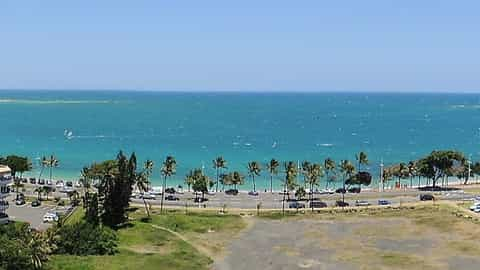
There are no commercial river cruises in New Caledonia. The rivers of Grande Terre are short, steep, and not navigable by passenger vessels. The country's 'waterway' story is the lagoon—one of the world's largest—which cruise lines explore by small boat and tender.
| Route | Length | Countries | Highlights |
|---|---|---|---|
| Nouméa Lagoon & Isle of Pines | 4-6 | New Caledonia | Nouméa, Îlot Maître, Amédée Lighthouse, Isle of Pines |
| Loyalty Islands Circuit | 7-10 | New Caledonia | Nouméa, Lifou, Maré, Ouvéa, Isle of Pines |
| Tahiti to Australia via New Caledonia | 14-21 | French Polynesia, Fiji, New Caledonia, Australia | Crossing the South Pacific with stops at Lifou, Isle of Pines, and Nouméa |
Season: May to October offers the most comfortable cruising weather; November to April is hotter and coincides with cyclone season, though cruise schedules still operate.
Cruise lines visiting New Caledonia
New Caledonia is served by Australian-based mainstream ships on seasonal itineraries, plus French and American small luxury lines. Most large ships sail from Brisbane or Sydney between October and April; small luxury lines run longer Pacific voyages year-round.
Ponant
Small French expedition ships; voyages from Australia, Fiji, and Papua New Guinea; includes Nouméa, Isle of Pines, Lifou, Maré, and Ouvéa; some itineraries explore the Chesterfield Islands.
Ships: Le Lapérouse, Le Jacques Cartier, L'Austral
Paul Gauguin Cruises
Luxury small ship based in Tahiti; South Pacific voyages from Papeete to Fiji, New Caledonia, and Australia; includes Nouméa, Isle of Pines, Lifou, and Maré.
Ships: Paul Gauguin
Royal Caribbean International
Quantum-class and Radiance-class ships from Brisbane or Sydney; 7-14 night South Pacific and New Caledonia cruises.
Ships: Ovation of the Seas, Radiance of the Seas
Princess Cruises
Australia-based Princess ships; New Caledonia loops and longer South Pacific voyages from Sydney, Brisbane, or Auckland.
Ships: Coral Princess, Majestic Princess, Crown Princess
Carnival Cruise Line
Sydney and Brisbane cruises to Nouméa, Lifou, and Isle of Pines; took over former P&O Australia capacity.
Ships: Carnival Splendor, Carnival Luminosa
Holland America Line
Premium ships on long South Pacific and world cruises; calls at Nouméa, Isle of Pines, Lifou, and Maré.
Ships: Zuiderdam, Westerdam
Windstar Cruises
Small sailing yachts on Tahiti-to-Australia routes; intimate access to lagoon ports such as Ouvéa and the Isle of Pines.
Ships: Wind Spirit, Star Breeze
Oceania Cruises
Small to mid-size ships on world cruises; often includes Nouméa, Isle of Pines, Lifou, and Maré.
Ships: Insignia, Marina
No American mega-ship is homeported in New Caledonia; most capacity is from Australia. P&O Cruises Australia no longer operates as a separate brand; its former capacity now appears under Carnival Cruise Line. Small luxury lines are the best way to reach Maré and Ouvéa.
Planning & advice
New Caledonia rewards travelers who want authentic Pacific nature and culture without mass-market development. The French infrastructure feels reassuring; the Loyalty Islands feel genuinely undiscovered. Because cruise visits are concentrated around a few tender landings, independent-minded travelers can escape the herd with private boats, local guides, and off-peak timing.
For the American traveller
- U.S. citizens generally do not need a visa for tourist stays of up to 90 days; always confirm current entry rules with French authorities.
- Passport must be valid for at least three months beyond the intended stay, with blank pages.
- Health care is good in Nouméa but limited on outer islands; comprehensive travel insurance with evacuation is essential.
- Dengue and Zika are possible; use mosquito repellent, especially after rain.
- Tap water is safe in Nouméa; on outer islands drink bottled or filtered water.
- The CFP franc is used; credit cards are accepted in Nouméa, but cash is needed on islands.
- French is the language; English is not widely spoken outside tourist sites.
- Driving is on the right; a U.S. driver's license is accepted for short-term rentals.
- Many shops close Saturday afternoon and Sunday; plan accordingly.
Excursion planning
- Book small-group or private tours through local operators rather than large motorcoach tours.
- At tender ports, go ashore early or late to avoid crowds; ship shore excursions are not the only option.
- Respect 'la coutume': ask before entering customary land and accept if a guide offers a traditional greeting.
- Bring reef-safe sunscreen, a rash guard, water shoes, and cash.
- If you want empty beaches, choose Maré or Ouvéa over Nouméa.
- Do not overpack island days; tender landings can be wet.
- For milestone travelers with limited mobility, choose an operator with accessible vehicles; not all tender ports are wheelchair accessible.
The verdict
A world-class lagoon and a deeply distinctive Pacific-French culture, best seen by ship—but choose a line and itinerary that emphasizes the outer islands, and treat New Caledonia as an expedition into nature, not a shopping port.
Sources
- CIA World Factbook — New Caledonia - The World Factbook (accessed 2026-09-09)
- New Caledonia Tourism — New Caledonia Official Travel Guide (accessed 2026-09-09)
- UNESCO World Heritage Centre — Lagoons of New Caledonia: Reef Diversity and Associated Ecosystems (accessed 2026-09-09)
- France Diplomacy — New Caledonia Presentation (accessed 2026-09-09)