Alta Cruise Port
Alta Havn - Bukta Terminal


Alta, Norway Port
UN/LOCODE NOALF Port of call Homeport
Alta Cruise Port Location
| Port Details | |
|---|---|
| Country | Norway |
| UN/LOCODE | NOALF |
| Contact | |
| Address | Havneveien 24, 9515 Alta, Norway |
| Port phone | +47 78 44 69 10 |
| Website | www.altahavn.no |
| Geography | |
| Coordinates | 69.96667, 23.27333 |
| Accessibility | |
| Accessible | Limited |
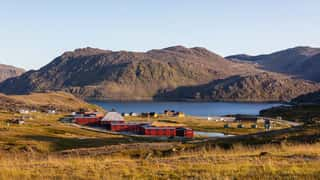
The cruise terminal at Bukta sits exactly 4.2 km (2.6 miles) from the Alta city center, a distance that requires a 50-minute walk along industrial roads or a 10-minute shuttle ride costing approximately 150 NOK (~$13.50 USD). Located in the Finnmark region of Northern Norway, this destination serves as a primary gateway to the Arctic wilderness, situated deep within the Altafjord. You are roughly 200 km (124 miles) south of the North Cape, which is a 3.5-hour drive each way—a transit destination partners have advised is too risky for port calls shorter than 10 hours. Alta is also situated about 140 km (87 miles) from Hammerfest, the world's northernmost town. As an ocean cruise port, Bukta handles everything from mid-sized luxury vessels to large 3,000-passenger ships. You will find that while docking is efficient, the local taxi supply is notoriously thin; if you haven't pre-booked or secured a shuttle ticket, you will wait at least 30 minutes at the pier. This destination rewards those who prioritize the UNESCO rock carvings at Hjemmeluft and the architectural brilliance of the Northern Lights Cathedral. It punishes those who expect a traditional European 'old town' atmosphere, as much of Alta was rebuilt following World War II and follows a modern, functional layout.
Alta — Port Overview
History
Alta's history is a profound timeline that stretches from prehistoric survival to modern Arctic resilience. The destination first came to global prominence through its rock art, with the earliest carvings dating back to 4200 BC, providing a rare window into the lives of hunter-gatherers in the Altafjord. Strategically, Alta became a center for the copper trade in the 19th century, particularly with the establishment of the Kåfjord copper mines in 1826, which at one point was the largest industrial site in Northern Norway. During World War II, the region became a critical strategic asset for the German Navy; the battleship Tirpitz was famously stationed in the nearby Kåfjord to threaten Allied convoys. In 1944, following the German retreat, the 'scorched earth' policy resulted in the near-total destruction of Alta’s historical buildings. Consequently, what you see today is a city defined by post-war reconstruction and the 'Alta Controversy' of the late 1970s—a pivotal civil disobedience movement regarding the damming of the Alta River that forever changed Sami indigenous rights in Norway. This history is physically manifested today in the Northern Lights Cathedral, which opened in 2013 as a symbol of the city's rebirth and its enduring connection to the celestial displays above.
The Verdict
Alta rewards the traveler who looks beyond the modern exterior to find the ancient and the innovative. Whether you are standing before a 6,000-year-old carving or the titanium spiral of a modern cathedral, the connection to the Arctic spirit is palpable. This guide has been fact-checked by J. Richard and the Waterways Cruise editorial team. Excursions that guarantee a return to the ship can be tailored to your mobility, interests, and pace, so missing departure is never a concern. No two travelers want the same day ashore.
Things to Do & See in Alta
| Attraction | Type | Address | Phone | Hours | Website | Admission |
|---|---|---|---|---|---|---|
| Alta Museum & Rock Art | Historical Site | Sandfallet 1, 9518 Alta, Norway | +47 41 75 63 30 | 08:00-20:00 (June-August) | altamuseum.no | USD 150 NOK |
| Northern Lights Cathedral | Landmark | Markedsgata 30, 9510 Alta, Norway | +47 41 24 43 14 | 09:00-15:00 | nordlyskatedralen.no | USD 50 NOK |
Alta Museum & Rock Art · Historical Site
USD 150 NOKThe Alta Museum is the crown jewel of the Altafjord, housing the largest collection of rock art in Northern Europe. These carvings, some over 6,000 years old, depict reindeer, bears, and prehistoric hunting scenes with startling clarity. It is well established that this is the only UNESCO World Heritage site in Norway located within an Arctic environment. You will walk along a network of well-maintained wooden paths that wind through the sub-arctic forest and along the shoreline. The full loop is 3 km (1.8 miles). What most visitors walk past is the shifting perspective of the carvings; they are painted with red ochre today to make them visible, but originally they relied on the low Arctic sun to create shadows. The indoor exhibits are equally compelling, detailing the history of the Northern Lights and the indigenous Sami people. Expect a profound sense of the continuity of human life in one of the world's most challenging climates. Arrive early, take your time on the boardwalks, and look for the carvings of prehistoric 'skis'—evidence that humans have been sliding across the snow here for millennia.
Sandfallet 1, 9518 Alta, Norway ·+47 41 75 63 30 ·08:00-20:00 (June-August) ·www.altamuseum.no
Northern Lights Cathedral · Landmark
USD 50 NOKRising 47 meters above the town center, the Northern Lights Cathedral is a stunning example of contemporary Nordic architecture. Clad in 50,000 individual titanium sheets, the building was designed to mirror the undulating waves of the Aurora Borealis. Inside, the aesthetic is minimalist and serene, utilizing raw concrete and warm wood to create a space that feels both modern and sacred. The centerpiece is a striking bronze Christ statue that seems to float against a backlit wall. Waterways Cruise clients consistently report that the basement exhibition is the most informative part of the visit, offering a high-tech look at the magnetic forces that create the lights Alta is famous for. You should also take a moment to walk around the exterior; the way the titanium changes color from blue-grey to gold depending on the Arctic sky is mesmerizing. It is more than just a church; it is a symbol of Alta’s 21st-century identity. Expect a blend of architectural awe and scientific curiosity that perfectly encapsulates the spirit of modern Norway.
Markedsgata 30, 9510 Alta, Norway ·+47 41 24 43 14 ·09:00-15:00 ·www.nordlyskatedralen.no
Eating & Drinking in Alta
The culinary identity of Alta is defined by the 'Big Three' of the North: Salmon from the Alta River, Reindeer from the Finnmark plateau, and King Crab from the Barents Sea. Salmon here is legendary; kings and emperors have fished these waters for centuries. When you eat salmon in Alta, it is typically prepared with minimal fuss to highlight its fat content and purity. Reindeer is the local staple, often served as 'Bidos' (a hearty stew) or thinly sliced 'Skav.' What distinguishes Finnmark cuisine is the heavy use of cloudberries—the 'Arctic gold'—which add a tart, honey-like finish to desserts. For a genuine local experience, visit the indoor market stalls in Sentrum for 'Tørrfisk' (dried cod) or brown goat cheese (Brunost). Tourists often expect to find fresh King Crab at every corner, but locals actually eat it sparingly as an expensive delicacy; the genuine version is served chilled with simple lemon and mayonnaise, never drenched in butter like American lobster.
| Place | Address | Phone | Hours | Website | Price range |
|---|---|---|---|---|---|
| Du Verden Matbar | Markedsgata 21, 9510 Alta | +47 78 44 40 70 | 11:00-22:00 | duverden.no | 400-600 NOK (~$36.00–$54.00 USD) |
| Trasti & Trine | Stengelsgårdsveien 80, 9517 Alta | +47 91 16 57 25 | Reservation required for lunch | trastiogtrine.no | 700-1000 NOK (~$63.00–$90.00 USD) |
| Stakeriet | Lille Torget 1, 9510 Alta | +47 78 43 33 55 | 12:00-01:00 | stakeriet.no | 140-180 NOK (~$12.50–$16.00 USD) |
Du Verden Matbar
400-600 NOK (~$36.00–$54.00 USD)Order the reindeer pizza; the combination of gamey meat and sweet lingonberries is a quintessential Finnmark flavor. The atmosphere is upscale Matbar—sophisticated yet relaxed. One honest limitation is the service speed during peak cruise hours; allow 90 minutes for a full meal.
Markedsgata 21, 9510 Alta ·+47 78 44 40 70 ·11:00-22:00
Trasti & Trine
700-1000 NOK (~$63.00–$90.00 USD)This is Alta's best-kept secret. Located at a husky farm, the food is all sourced from the surrounding Finnmark plateau. You will eat in a cozy wooden lodge. You must pre-book a taxi as it is 10 km from town, but the quiet forest setting is the perfect antidote to ship crowds.
Stengelsgårdsveien 80, 9517 Alta ·+47 91 16 57 25 ·Reservation required for lunch
Stakeriet
140-180 NOK (~$12.50–$16.00 USD)The right place for a drink because of its historical decor, themed after the Alta River rafters. Order a local Akvavit to experience the traditional Norwegian caraway spirit. It is where locals go for a quiet afternoon pint.
Lille Torget 1, 9510 Alta ·+47 78 43 33 55 ·12:00-01:00
Getting There & Around
The primary way to move around Alta is the organized ship shuttle or a pre-booked taxi. Once in Sentrum, the city is entirely walkable, as the Northern Lights Cathedral and shopping districts are clustered together. For the UNESCO carvings, you must transit to Hjemmeluft, 5 km (3 miles) away. Public buses (Snelandia) are reliable and cost 45 NOK (~$4.00 USD) per ride, but the schedule is thin on weekends. It is best to download the 'Snelandia' app for live bus tracking. Uber does not operate here, and local taxis are expensive with a starting flag fall of around 100 NOK (~$9.00 USD). Bike rentals are available at the GLØD Explorer center, but given the 4 km distance from the pier to town, it is only recommended for physically fit travelers. A navigation tip most guides omit: the path from the Museum back to town is a beautiful 5 km nature walk—if you have the time and weather, skip the bus back and walk the shoreline of the Altafjord.
Itineraries & Sample Walks
4-Hour Shore Excursion in Alta
Northern Lights Cathedral (Nordlyskatedralen)
9:00 AM (60 min)
Marvel at the titanium cladding that reflects the Arctic light. Inside, the 4.3-meter bronze Christ statue by Peter Brandes is the focal point. Most visitors miss the basement exhibition on the science of the Aurora Borealis.
- Take the ship shuttle from Bukta Terminal directly to the Sentrum drop-off. (150 NOK (~$13.50 USD) round trip)
- Entry: 50 NOK ($4.50)
- Visit the basement first; it provides the scientific context that makes the architectural design of the upstairs sanctuary more meaningful.
Sentrum Walk & Coffee
10:15 AM (90 min)
Explore the local shops for authentic Norwegian wool. Grab a coffee at Uno Cafe. It is a chance to see how modern Arctic residents live away from the museum crowds.
- Walk 200 meters from the Cathedral. (Free)
- Entry: Free (Free)
- Look for the 'Husfliden' shop for the highest quality, government-certified Norwegian handicrafts.
Lunch Recommendation
Du Verden Matbar
It is the local favorite for high-quality, modern Norwegian comfort food. While most tourists end up in the generic mall cafes, this Matbar offers floor-to-ceiling windows and authentic flavors.
Order: Creamy Fish Soup (Fiskesuppe), Reindeer Burger
Markedsgata 21, 9510 Alta
Cost: 450 NOK (~$40.00 USD)
8-Hour Full Day Experience in Alta
Alta Museum & UNESCO Rock Art
8:30 AM (180 min)
This is the highlight of Alta. Walk the 3 km circuit of prehistoric rock carvings. The views over the Altafjord from the boardwalk are as stunning as the art itself.
- Taxi from Bukta Terminal (10 mins). (250 NOK (~$22.50 USD))
- Entry: 150 NOK ($13.50)
- Walk the circuit counter-clockwise to save the best-preserved carvings for the end when the light is often better.
Northern Lights Cathedral
1:30 PM (60 min)
An architectural marvel meant to evoke the spiraling northern lights. The interior is surprisingly warm despite the concrete and titanium shell.
- Taxi or Local Bus 100/150 from the Museum. (45-200 NOK (~$4.00–$18.00 USD))
- Entry: 50 NOK ($4.50)
- Check the schedule for short lunchtime organ recitals which are often free.
Getting back to the ship
To ensure a safe return for a standard 5:00 PM departure, you must leave Alta Sentrum no later than 4:15 PM if using the shuttle, or 4:30 PM if you have a confirmed taxi. A taxi back will cost approximately 250 NOK (~$22.50 USD) and takes 10 minutes. The public bus is not reliable for tight turnarounds. If you miss the ship, contact the Port Authority at +47 78 44 69 10 immediately. Missing the ship in Alta is a logistical nightmare; the next major port is typically Tromsø, a 6-hour drive away, and there are limited daily flights. The ship will not hold for independent travelers.
Weather & Best Time to Visit Alta
Weather & What to Pack
Cruise season: May through September for standard calls; February through March for Northern Lights cruises.
Summer: 8°C–15°C (46°F–59°F), occasional rain, high wind. Winter: -12°C to -2°C (10°F–28°F), heavy snow.
What to wear: Layering is non-negotiable. Even in July, you need a thermal base layer, a fleece mid-layer, and a waterproof/windproof shell. The wind off the Altafjord is piercing. Shoes must have a rubberized, high-grip sole for the wooden boardwalks. Do not wear leather-soled shoes or high heels, as the terrain is predominantly textured wood or gravel.
Weather risks: Low-lying fog in the Altafjord can occasionally delay docking, though tender delays are rare as ships dock directly.
The transition from the Midnight Sun in June to the shortening days of late August is dramatic, with a noticeable temperature drop after 4 PM.
| Season | Conditions | Hazards | Affected areas | Visitor advice |
|---|---|---|---|---|
| Summer (June–August) | Mild with 24-hour daylight (Midnight Sun). Temperatures range from 10°C to 18°C (50°F–64°F). | The wooden walkways at the UNESCO site can be slippery after frequent summer rain. Exposed coastal paths near the Altafjord often have sudden, high-velocity wind gusts. | Hjemmeluft museum walkways and the shoreline paths near the Bukta terminal. | Wear sturdy, lug-soled walking shoes even in 'good' weather. Use a windproof shell jacket as temperatures drop rapidly when the sun is obscured by clouds. |
| Winter (October–March) | Extreme cold and Polar Night. Temperatures often hover between -5°C and -15°C (23°F–5°F). | Black ice is a significant risk on the tarmac at the Bukta pier and on the steps of the Northern Lights Cathedral. Deep snow can obscure the edges of marked paths. | All outdoor transit areas, specifically the Sentrum walking plaza and the Museum entrance ramp. | Ice cleats (crampons) are mandatory for independent walkers. Skip the long walk to the center entirely and use the heated ship-organized shuttles. |
Practical Information
Cultural etiquette
Norwegians in Alta value privacy, punctuality, and a direct communication style. A polite nod and a 'Hei' (pronounced like 'Hi') are the standard greetings. When dining, service is typically more hands-off than in America; you will often need to signal a server when you are ready for the check. Tipping is not mandatory but rounding up to the nearest 50 or 100 NOK for good service is appreciated. Photography of the Sami people and their reindeer should always be preceded by a request for permission; most are happy to oblige, but some camps consider it an intrusion of their workspace. One common misunderstanding cruise passengers make is regarding the 'right to roam' (Allemannsretten). While you can walk almost anywhere in nature, this does not apply to private gardens or active reindeer enclosures. Always use the marked gates. Finally, remember that Alta is a quiet town; loud voices in public spaces or on the shuttle are often met with subtle disapproval from the locals.
Mistakes to Avoid
| Mistake |
|---|
Walking from Bukta Terminal to Sentrum. |
Trying to visit the North Cape on a 6-hour call. |
Assuming the rock carvings are indoors. |
Waiting for a taxi at the pier without pre-booking. |
Practical tips
Alta is almost entirely cashless. You can use a credit card for everything from a bus ticket to a single pack of gum. Tipping is minimal; 5-10% at dinner is generous. To earn goodwill, learn 'Takk' (Thank you) and 'Vær så god' (You're welcome). A common scam is non-existent, but be wary of unlicensed taxi drivers at the pier; only use vehicles with the official roof light. Dress in layers even if the sun is shining. The best time to visit the Cathedral is right at opening (9:00 AM) to avoid the 10:30 AM bus peak. For the Museum, aim for 1:30 PM when the morning groups head back to the ship for lunch.
Cruise Lines Visiting Alta
Port of Call




Why Book With Waterways Cruise?
Four decades of expertise, one dedicated advisor, and every detail handled, from your front door to the gangway and back.
Personal Service — Your Own Cruise Concierge
Tailor-Made — 100% Custom-Built
Expertise — 40+ Years in Travel
Price Watch — Book With Total Confidence
Signature Sailings
All Cruise Lines at Alta (A–Z)
Nearby Ports




FAQ — Alta
Can I see the Northern Lights during a summer cruise call?
No. During the summer months (May through early August), Alta experiences the Midnight Sun, meaning the sky never gets dark enough to see the Aurora. You need total darkness to witness the lights. However, the 'Borealis' exhibition in the Northern Lights Cathedral offers a 15-minute high-definition film that replicates the experience year-round. If seeing the actual lights is your priority, you must book a 'Winter' cruise between October and March. For those visiting in summer, visitors should focus on the UNESCO rock carvings, which are only accessible when the snow has melted.
Is it worth paying the entry fee for the Northern Lights Cathedral?
Yes, but primarily for the basement exhibition. The 50 NOK (~$4.50 USD) fee grants access to the main sanctuary and the 'Power of the Northern Lights' interactive display downstairs. While the upstairs architecture is impressive, the scientific and cultural context provided in the exhibition area is what makes the 20-minute visit worthwhile. The total time for a thorough visit takes about 45 minutes. If you only wish to see the exterior titanium cladding, you can do so for free by walking around the plaza. Many travelers find the interior too minimalist, so if you are not interested in the science of the lights or modern architecture, skip the entry and enjoy a coffee at nearby Uno instead.
How far is the walk from the shuttle drop-off to the Cathedral?
The shuttle drop-off in Sentrum is located at the AMFI Alta mall, which is exactly 250 meters (820 feet) from the Northern Lights Cathedral. It is a flat, easy 3-minute walk across a paved pedestrian plaza. This makes the Cathedral the most accessible major attraction for those with limited mobility. There are no steps or inclines between the shuttle stop and the Cathedral entrance. For guests using walkers or wheelchairs, this Sentrum area is the most manageable part of Alta. If you plan to visit the Alta Museum as well, you will need a separate taxi or bus ride from this location, as it is another 5 km away.
Are the rock carvings visible if it's raining?
They are visible, but the contrast is significantly reduced. The carvings at the UNESCO Hjemmeluft site are shallow, and when the rock surface is wet, the light does not create the necessary shadows to make the unpainted etchings pop. However, the most famous carvings are highlighted with red ochre paint, which remains clearly visible even in heavy rain. It is a good idea to bring a high-quality raincoat and a waterproof cover for your camera. The 3 km boardwalk circuit has no shelter, so if the weather is poor, you will be exposed for at least 60-90 minutes. Be aware that the indoor museum exhibits are an excellent alternative if the weather turns severe.
What is the best way to get to the Alta Museum from the pier?
The most efficient way is a 10-minute taxi, which costs about 250 NOK (~$22.50 USD). However, because taxis are scarce at the Bukta pier, it is a good idea to take the ship's 'Transfer Only' shuttle to the city center and then catch local Bus 100 or 150 towards 'Hjemmeluft.' The bus ride takes 8 minutes and costs 45 NOK (~$4.00 USD). This saves you about $30 USD compared to a taxi. Be sure to check the return bus schedule at the museum entrance, as they typically only run once per hour. For a stress-free day, a private driver who will wait for you at the museum and ensure you return to the ship on time can be arranged in advance.
Can I walk from the Alta Museum back to the cruise ship?
Technically yes, but it is not recommended for most. The distance is 5.5 km (3.4 miles) and takes about 1 hour and 15 minutes. The route follows the E6 highway, which is industrial and noisy. There is a secondary 'coastal path' that is much more scenic, but it adds another 2 km to the journey and can be muddy. If you are a dedicated hiker and the weather is perfect, the coastal path offers beautiful views of the Altafjord. For 95% of cruise passengers, however, the walk is a waste of limited port time. Save your energy for the 3 km walk at the museum itself and take a taxi or bus back to the terminal.
Is the Tirpitz Museum the same as the Alta Museum?
No. The Tirpitz Museum is located in Kåfjord, about 15 km (9.3 miles) west of the Bukta cruise terminal. It is a small, privately-run museum dedicated to the WWII battleship. The Alta Museum is the UNESCO rock art site located in Hjemmeluft, 5 km from the terminal. If you are a WWII history buff, you will need a specific taxi or pre-booked tour to reach Kåfjord, as public transit is very limited there. A taxi will cost approximately 500 NOK (~$45.00 USD) each way. Unless you have a specific interest in naval history, the UNESCO rock art at the Alta Museum is the superior choice for a one-day visit.
Are there any sandy beaches in Alta?
No. The shoreline around the Altafjord is predominantly rocky or consists of coarse pebbles. While the water is crystal clear, the temperature even in mid-summer rarely exceeds 12°C (54°F). You will see locals 'bathing' at the beach near the Alta Museum (Hjemmeluft), but this is usually a quick Arctic dip rather than a relaxing swim. There are no beach facilities or lounge rentals. If you are looking for a beach day, Alta is not the destination for you. Instead, focus on the inland forest walks or the fjord views from the high points of the Museum boardwalk.
Do I need to buy tickets for the Museum in advance?
It is not strictly required, but it is highly recommended during the peak summer months (July and August) when two or more ships are in port. Pre-purchasing on the Alta Museum website allows you to skip the ticketing queue, which can be 20-30 minutes long when the first excursion buses arrive at 10:00 AM. If you arrive independently at 8:30 AM, you can usually buy at the door without a wait. The museum accepts all major credit cards; they do not accept USD cash. Booking ensures your entry and transit are bundled into one seamless, guaranteed return-to-ship experience.
Can I use Euros or US Dollars in Alta?
No. While a few souvenir shops near the pier might accept Euros at a very poor exchange rate, the vast majority of businesses, including the Museum, Cathedral, and buses, only accept Norwegian Krone (NOK) or credit cards. Norway is a leader in cashless payments. You can pay for a single postcard or a coffee using a contactless card or Apple/Google Pay. Feedback from travelers to Norway consistently indicates that carrying cash is unnecessary and often more of a burden than a help. Ensure your credit card has no foreign transaction fees and you will be perfectly fine.
Fact-checked and co-written by J. Richard, Founder, Waterways Cruise, with the Waterways Cruise Content Team.
Published May 19, 2026 · Last updated November 2, 2026
This guide is researched and reviewed by our editorial team, but prices, hours, and availability change often. Confirm current details directly with venues, excursion operators, and your cruise line before you travel.