Panama Cruise Ports & Cruise Guide
Total 11
- Colón
- Panamá
This page is an overview of the 11 cruise ports in Panama, covering ocean cruises. Cruises start and end at Balboa, Colón. 73 cruise ships visit Panama across 11 ports. See live sailings and availability on the Panama cruises page.


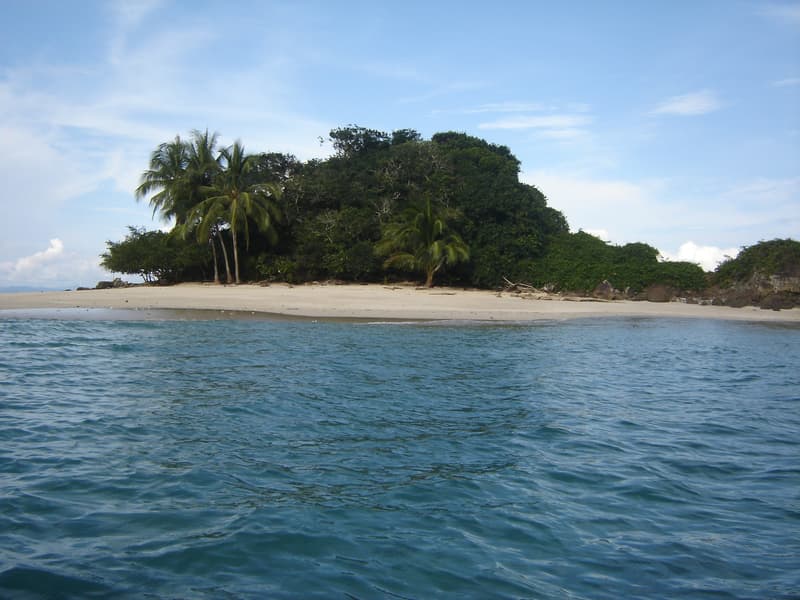

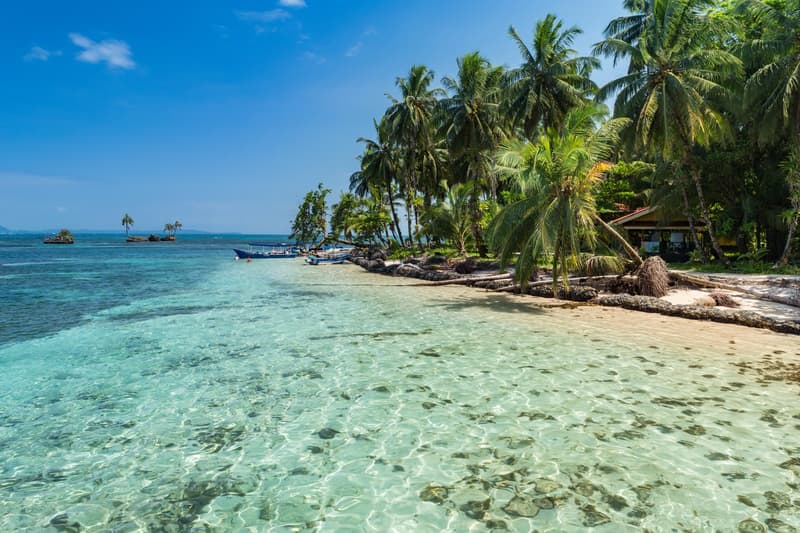
Panama is far more than the canal: it is a compact, dollar-friendly isthmus where colonial history, Indigenous cultures, rainforest, and the ocean all meet. For milestone American travelers, a Panama Canal cruise or small-ship expedition pairs world-class engineering with the freedom to explore Casco Antiguo, Guna Yala, and the Chiriquí highlands without feeling herded.
Country facts
History
Panama's identity was shaped by its position as a transit point between oceans and continents. From Spanish colonial gold routes to the construction of the Panama Canal and its 1999 handover, the country has long been a crossroads. The canal remains central to its economy and national pride, but Panama is also a country of deep Indigenous roots, Afro-Caribbean heritage, and layered struggles over sovereignty and equity.
Panama's history includes controversial U.S. intervention, including the 1989 invasion to remove Manuel Noriega, and the canal zone era left complex legacies. Canal wealth has not erased rural poverty or Indigenous marginalization. Travelers should approach the country with curiosity and respect rather than expecting a simple tropical paradise story.
Culture
Panama defines itself as a bridge: between oceans, continents, and cultures. Its national character blends mestizo, Afro-Caribbean, and Indigenous traditions, and the canal has created a cosmopolitan, trade-oriented identity distinct from the rest of Central America.
Music: Panamanian salsa is legendary, led by Rubén Blades; traditional típico music features accordion and mejoranera; reggaetón and calypso influences are strong, especially in Afro-Caribbean Bocas del Toro and Colón.
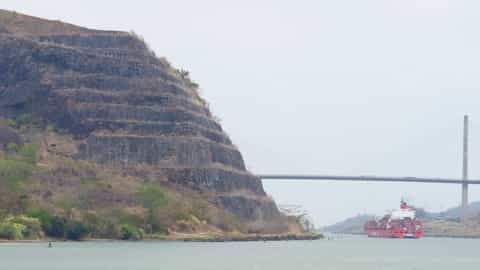
Signature landscape: The Panama Canal watershed, including Gatun Lake and the protected rainforest of the Chagres River basin, is the country's defining natural feature; Gatun Lake is one of the largest artificial lakes in the world and a freshwater wildlife corridor.
Cuisine
- Sancocho de gallina (chicken and root vegetable soup)
- Carimañolas (fried yuca fritters stuffed with meat)
- Hojaldras (fried bread, often at breakfast)
- Ceviche de corvina (fresh white fish ceviche)
- Patacones (fried green plantains)
- Arroz con guandú y coco (rice with pigeon peas and coconut)
- Tamal de olla (corn and meat stew in a rich broth)
Architecture & heritage
- Casco Antiguo (Historic District of Panama City, UNESCO World Heritage Site)
- Panama Viejo archaeological ruins (UNESCO World Heritage Site)
- Fortifications on the Caribbean Side of Panama: Portobelo-San Lorenzo (UNESCO World Heritage Site)
- Colonial churches, plazas, and republican-era architecture in Panama City
- Guna mola textiles and Indigenous craft traditions
Tips for American travellers
- U.S. dollars are accepted everywhere; you may receive Panamanian balboa coins as change.
- English is common in tourist zones, but learning a few Spanish phrases goes a long way.
- The dry season runs roughly December through April; May through November is greener and rainier.
- Tap water is generally safe in Panama City, but bottled water is safer in rural areas and islands.
- Use ride-hailing apps or licensed taxis in Panama City; agree on fares in advance if using street taxis.
- In Colón, stay within organized tours or the cruise terminal area rather than wandering alone.
- Respect Indigenous community rules in Guna Yala and always ask before photographing people.
Major cities & destinations
Panama City Capital and Pacific gateway
A cosmopolitan skyline beside a 500-year-old colonial district, with rainforest and canal within sight. It is the best base for independent travelers who want history, good food, and easy day trips.
Most Panama Canal cruises use Balboa or Fuerte Amador on the Pacific side; ships often overnight, making Casco Antiguo walkable after dark.
Casco Antiguo (UNESCO) Panama Viejo ruins Miraflores Locks Visitor Center Amador Causeway Biomuseo Cinta Costera waterfrontColón Caribbean port city and Atlantic canal entrance
Colón is a working Caribbean city with Afro-Panamanian culture, historic fortifications nearby, and the Atlantic side of the canal at its doorstep. It rewards travelers who join guided tours rather than lingering on the waterfront.
Ships dock at Cristóbal or Colón 2000 during full transits; shore excursions typically visit Gatun Locks, Portobelo, or San Lorenzo Fort.
Gatun Locks Portobelo National Park and fortifications (UNESCO) San Lorenzo Fort (UNESCO) Colón 2000 cruise terminal Catedral de ColónBocas del Toro Caribbean archipelago town
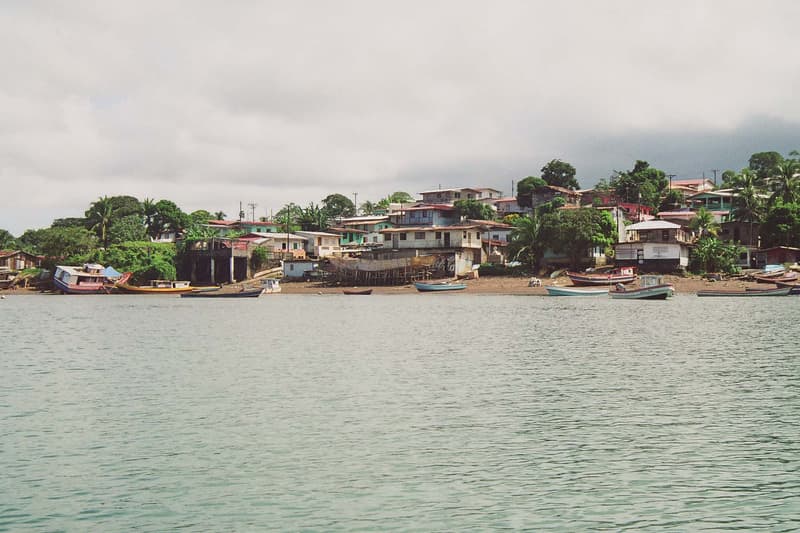
A colorful, laid-back island town with Caribbean architecture, sloths, snorkeling, and boat trips through mangrove tunnels and coral cays. It feels a world away from the canal zone.
A tender port for small-ship and expedition lines; visitors can combine the town with excursions to Bastimentos, Zapatilla, and starfish beaches.
Isla Colón town Playa Estrella (Starfish Beach) Isla Bastimentos National Marine Park Cayo Zapatilla Sloth Sanctuary Mangrove tunnelsBoquete Highland town in Chiriquí
Cool mountain air, coffee farms, cloud forest, and views of Volcán Barú make Boquete a favorite for nature lovers and hikers. It is an ideal pre- or post-cruise extension rather than a cruise port.
Not a cruise port; reached by land from David or Puerto Armuelles on overland excursions, or as a separate trip before or after a cruise.
Volcán Barú National Park Sendero Los Quetzales El Boquete Coffee Estate Finca Lérida coffee farm and trails Caldera hot springs Boquete flower gardensGuna Yala / San Blas Indigenous autonomous island region
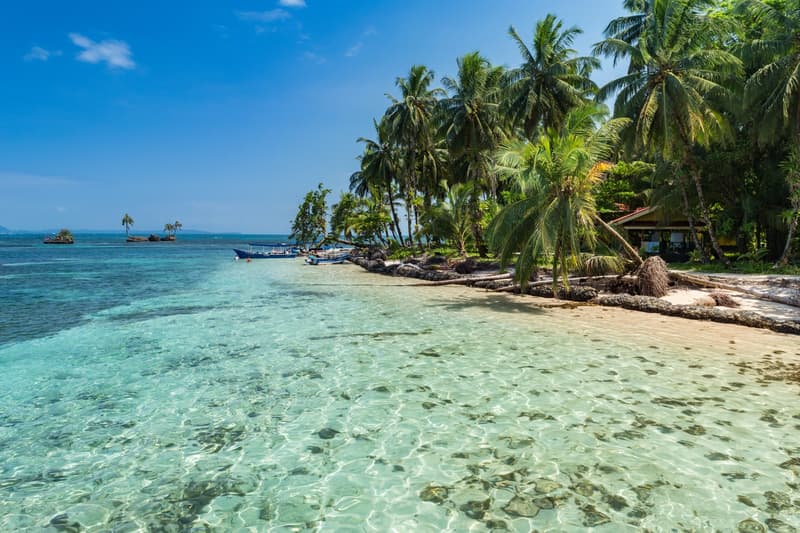
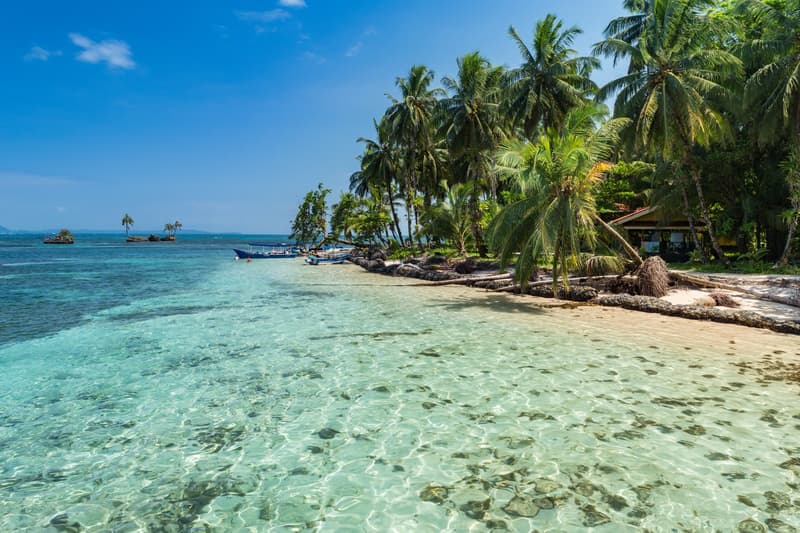
A string of palm-fringed islands, turquoise water, and Guna villages where community governance shapes tourism. It is one of the most culturally distinctive shorelines in the Americas.
Expedition ships and sailing vessels anchor at El Porvenir or nearby islands; passengers travel ashore in pangas with Guna guides. Visitors must respect local rules and pay small photography fees.
El Porvenir island Cayos Holandeses (Holandes Cays) Isla Perro (Dog Island) Guna village communities Mola textile cooperatives Coral reefs and seagrass bedsCruise ports of call
Panama's cruise ports split neatly between the Pacific and Caribbean sides. Large-ship canal transits usually call at Balboa/Fuerte Amador and Cristóbal/Colón; expedition vessels add Bocas del Toro and Guna Yala, where passengers experience Indigenous culture and coral reefs rather than container terminals.
- Large-ship full or partial Panama Canal transit: one-way or round-trip voyages between Florida and California, often with additional calls in Aruba, Colombia, Costa Rica, and Mexico.
- Small-ship and expedition coastal Panama: Caribbean side with Bocas del Toro and Guna Yala, plus canal transit and Gatun Lake nature trips.
Balboa Full/partial Panama Canal transit
Balboa is the Pacific-side canal town rather than a traditional passenger terminal. Ships may anchor or dock here while pilots board, and passengers may go ashore for Panama City excursions; some lines use nearby Fuerte Amador for a more convenient passenger stop.
Best for: Miraflores Locks, Casco Antiguo, and the engineering spectacle of the canal from the Pacific.
Operators: Holland America Line, Princess Cruises, Celebrity Cruises, Royal Caribbean International, Viking, Oceania Cruises, Azamara
Fuerte Amador / Panama City Full/partial transit and turnarounds
The modern passenger port on the Amador Causeway is the de facto Panama City cruise stop. Ships can stay late or overnight, making it easier to visit Casco Antiguo and dine at local restaurants after day crowds leave.
Best for: Overnight calls, city sightseeing, canal visitor centers, and easy access to Panama City.
Operators: Holland America Line, Princess Cruises, Celebrity Cruises, Royal Caribbean International, Viking, Oceania Cruises, Azamara, Windstar Cruises, Ponant, Lindblad Expeditions
Cristóbal / Colón Full transit and Caribbean loops
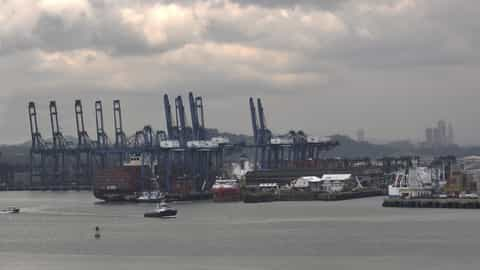
Located at the Atlantic entrance to the canal, Cristóbal and adjacent Colón are working port cities with strong Afro-Caribbean heritage. The area rewards organized shore excursions and guided tours, but independent wandering is not recommended.
Best for: Gatun Locks, Portobelo fortifications, San Lorenzo Fort, and seeing the canal from the Atlantic side.
Operators: Holland America Line, Princess Cruises, Celebrity Cruises, Royal Caribbean International, Viking, Oceania Cruises, Azamara
Bocas del Toro Small-ship Caribbean and Central America
Ships anchor off Isla Colón and tender passengers into the colorful town. From there, local boat captains provide access to Bastimentos, Zapatilla, mangroves, and starfish beaches.
Best for: Snorkeling, wildlife, Afro-Caribbean culture, and a relaxed small-town island atmosphere.
Operators: Windstar Cruises, Ponant, Lindblad Expeditions
El Porvenir / Guna Yala Small-ship expedition and sailing
El Porvenir is a small sandy island with an airstrip and Guna community facilities. Expedition ships anchor off the island, and passengers ride in pangas to nearby communities and cays. Guna guides control the pace and many aspects of the visit.
Best for: Authentic Indigenous culture, mola textiles, island scenery, coral reef snorkeling, and a genuine sense of discovery.
Operators: Ponant, Lindblad Expeditions, Windstar Cruises
Smaller Pacific stops such as Puerto Armuelles occasionally appear on expedition itineraries as scenic anchorages for inland trips to Boquete and David, but they are not established cruise terminals. Most passengers reach the Chiriquí highlands by flying into David (DAV) before or after a cruise.
All cruise ports in Panama
Ships visiting by type: 71 ocean 6 expedition
Showing 11 ports in Panama







River cruises & routes
Panama has no true commercial river cruise product, but small-ship expedition routes use the Panama Canal, Gatun Lake, and coastal waterways to deliver a similar water-based journey. These are ocean or coastal expedition vessels, not riverboats, and they focus on nature, Indigenous cultures, and the canal's engineering.
| Route | Length | Countries | Highlights |
|---|---|---|---|
| Costa Rica & Panama Canal Small-Ship Voyage | 10-14 | Panama, Costa Rica | Partial or full canal transit, Gatun Lake wildlife, Bocas del Toro, Guna Yala, and Pacific/Caribbean coastal scenery. |
| Full Panama Canal Transit (Ocean Cruise) | 14-21 | Panama, Colombia, Costa Rica, Mexico, sometimes Aruba and U.S.A. | Daylight full transit of the canal, Casco Antiguo, Cartagena, and tropical ports along the route. |
| Guna Yala / San Blás Expedition | 7-10 | Panama | Island hopping among Guna communities, coral reef snorkeling, mola textiles, and a focus on Indigenous-led experiences. |
Season: Mid-December through April is the driest and most reliable season for canal and coastal cruising. May through November is greener, less crowded, and often cheaper, but afternoon tropical rain showers are common. Canal operations continue year-round.
Cruise lines visiting Panama
Major ocean cruise lines treat Panama primarily as a canal transit, while expedition lines treat it as a biodiversity and Indigenous-culture destination. For the milestone traveler, the best choice depends on whether you want the spectacle of a full transit on a large ship or the intimacy of a small expedition vessel with more flexible shore experiences.
Holland America Line
Panama Canal Sunfarer itineraries from Fort Lauderdale, plus one-way voyages between Florida and the Pacific coast.
Ships: Zaandam, Volendam, Nieuw Amsterdam
Princess Cruises
Panama Canal one-way cruises between Fort Lauderdale and Los Angeles, with occasional partial transits from California.
Ships: Island Princess, Coral Princess, Caribbean Princess
Celebrity Cruises
Panama Canal and Central America voyages, often including Cartagena and Costa Rica.
Ships: Celebrity Infinity, Celebrity Eclipse
Royal Caribbean International
Panama Canal and Central America itineraries from Florida and Tampa.
Ships: Rhapsody of the Seas, Serenade of the Seas
Viking
Panama Canal & Central America small-ship ocean cruises with a cultural emphasis.
Ships: Viking Mars, Viking Orion, Viking Neptune
Oceania Cruises
Panama Canal crossings and intensive itineraries with longer port times.
Ships: Marina, Insignia, Sirena
Azamara
Panama Canal intensive and overnight-rich voyages, often including Casco Antiguo at night.
Ships: Azamara Journey, Azamara Onward
Windstar Cruises
Small-ship Costa Rica, Panama Canal, and San Blás expedition-style cruises.
Ships: Star Pride, Wind Spirit
Ponant
Expedition voyages through Panama, Guna Yala, and Central America with naturalists and local guides.
Ships: Le Bellot, Le Dumont-d'Urville, L'Austral
Lindblad Expeditions
Costa Rica, Panama, and San Blás expedition voyages with strong science and Indigenous-community programming.
Ships: National Geographic Quest, National Geographic Sea Lion
Confirm whether a port is a dock or tender, whether the ship remains overnight in Panama City, and how much time is actually available ashore. On large lines, shore excursions fill early; on expedition lines, small-group shore experiences are often included in the fare.
Planning & advice
Panama rewards the independent-minded milestone traveler with an easy-to-navigate, dollar-friendly destination that feels substantial rather than touristy. The canal is a genuine wonder, Casco Antiguo has real layered history, and small-ship or expedition cruising can get you close to Indigenous cultures and rainforests without a herding-pen experience.
For the American traveller
- U.S. citizens generally do not need a visa for tourist stays under 90 days, but a valid U.S. passport is required; check the U.S. Department of State for entry and exit requirements.
- Carry U.S. dollars in small bills; $1 and $5 bills are especially useful in markets and taxis.
- Emergency services can be reached by dialing 911; the U.S. Embassy is in Panama City.
- Use licensed taxis or ride-hailing apps in Panama City; avoid unmarked street taxis at night.
- In Colón, stay with organized tours or inside the cruise terminal area; avoid wandering into empty streets.
- The U.S. State Department advises increased caution in Panama due to crime; the Darién Gap near the Colombian border should be avoided by travelers not on official business.
- In Guna Yala, respect community rules, pay any requested photography fees, and do not bring single-use plastics ashore.
- Pack lightweight rain gear and sun protection; air conditioning can be strong on ships and in hotels.
Excursion planning
- If a full canal transit is important to you, book a voyage that transits during daylight hours rather than overnight.
- For Miraflores Locks, visit early or late in the day to avoid the biggest crowds; ship tours may be easier but less flexible.
- Choose a Panama City overnight call if you want to see Casco Antiguo in the evening, when the heat and cruise crowds are gone.
- In Bocas del Toro and Guna Yala, use ship-arranged or officially licensed boat operators; safety standards vary among independent panga captains.
- Wear water shoes for wet landings, especially at El Porvenir and remote cays.
- If you want to visit Boquete, plan a separate land stay of at least two nights rather than trying to do it as a rushed cruise excursion.
The verdict
Panama is an excellent milestone destination for American travelers who want engineering awe, colonial charm, and unspoiled nature all in one compact country. Choose a full or partial canal transit on a line that fits your travel style, add an overnight in Panama City if you can, and use expedition operators for deeper immersion in Bocas del Toro and Guna Yala.
Sources
- CIA World Factbook — Panama - The World Factbook (accessed 2026-09-09)
- Wikipedia — Panama (accessed 2026-09-09)
- Panama Canal Authority — Panama Canal Official Website (accessed 2026-09-09)
- Visit Panama — Panama Tourism Official Portal (accessed 2026-09-09)
- U.S. Department of State — Panama International Travel Information (accessed 2026-09-09)