Papua New Guinea Cruise Ports & Cruise Guide
Total 8
- National Capital
This page is an overview of the 8 cruise ports in Papua New Guinea, covering ocean cruises. Cruises start and end at Alotau. 18 cruise ships visit Papua New Guinea across 8 ports. See live sailings and availability on the Papua New Guinea cruises page.

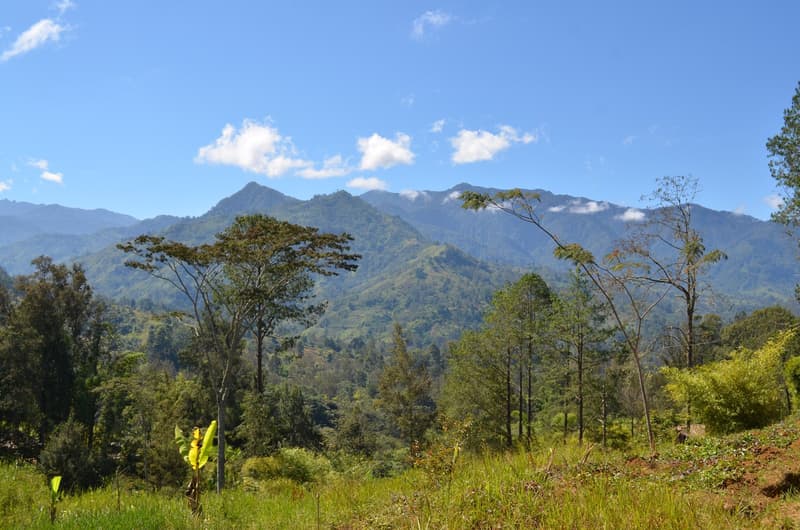


Papua New Guinea is not a place you visit by accident. For the traveler it is an expedition-cruise destination of extraordinary cultural and natural density: more than 800 languages, active volcanoes, coral atolls, WWII sites, and Sepik River villages. It rewards flexibility and small-ship travel, but demands caution in cities, good health preparation, and respect for local customs. This package focuses on the coastal and island PNG that expedition cruise ships visit—Milne Bay, the Trobriands, New Britain, and the Sepik—rather than the sometimes-difficult urban interior.
Country facts
History
New Guinea has been inhabited for at least 50,000 years, with agriculture independently developed in the highlands around 7,000–10,000 years ago. Europeans arrived in the 16th century, but most of the highlands were not contacted until the 20th century. The country was split among British, German, and later Australian colonial spheres, saw brutal fighting in WWII, and became independent in 1975.
The colonial and WWII past is not a tidy story. Australian administration was often paternalistic, Japanese occupation caused enormous civilian suffering, and the war left physical and social scars. Today, highland tribal conflict, urban crime, and infrastructure gaps complicate tourism, but many island and river communities are welcoming and well-practiced at hosting expedition visitors.
Culture
A Melanesian nation of remarkable diversity: over 800 languages, customary land ownership, and strong village ties. Culture is not a museum artifact but a living set of protocols around exchange, kinship, and ceremony.
Music: Kundu and garamut drums, panpipe ensembles, string bands, and contemporary Pacific reggae and choral music.
Signature landscape: The Sepik River and the active volcanic arc of New Britain—one cultural, one geological, both defining expedition cruising in PNG.
Cuisine
- Kokoda (raw reef fish cured in lime and coconut milk)
- Mumu (meat, taro, sweet potato, and greens cooked on hot stones)
- Sago pancakes with reef fish
- Taro, sweet potato, and yam dishes
- Tropical fruit: pineapple, pawpaw, banana, and coconut
- Green coconut juice
Architecture & heritage
- Haus tambaran (Sepik spirit houses)
- Stilt villages over sea and rivers
- WWII Japanese tunnels and Australian war memorials
- Colonial-era buildings and mission churches in Rabaul and Samarai
- Traditional Trobriand yam houses
Tips for American travellers
- Carry small denominations of kina and clean US dollars; many islands have no ATMs.
- Always ask before photographing people, ceremonies, or villages.
- Avoid wearing jewelry or flashy valuables in urban areas, especially Port Moresby and Lae.
- Do not chew betel nut; the red spit stains clothes and is socially complicated for visitors.
- Expect no Wi-Fi or cell service offshore; embrace the disconnect.
- Use only registered operators for transfers and shore excursions.
Major cities & destinations
Port Moresby Capital city and air gateway
Political heart of the country, home to the National Museum, Parliament House, and the closest international airport. Most expedition journeys begin or end here.
Main international gateway and occasional embarkation port; not a classic scenic cruise stop. Security is managed through organized transfers and ship excursions.
National Museum and Art Gallery Parliament House Port Moresby Nature Park Bomana War Cemetery Hanuabada village (viewed with a guide)Alotau Port town / Milne Bay gateway
Quiet administrative capital of Milne Bay Province and the jumping-off point for Massim culture, WWII history, and the remote islands of the Coral Sea.
Main working port for ships on Milne Bay–Louisiade itineraries; sheltered harbor and a practical turnaround point.
Alotau Market Turnbull Field (WWII airstrip) Milne Bay coastline Massim cultural festival sites (if season aligns)Kiriwina Island Island / Trobriand Islands
One of the most culturally intact islands in the Pacific, famous for yam cultivation, the Kula exchange system, and vibrant dance traditions.
Ships anchor offshore and tender to the beach or local wharf; village leaders often coordinate landings and cultural welcomes.
Yam houses of the Trobriand villages Village dance grounds Coral-fringed lagoon and reef Traditional carvings and local marketKitava Island Island / Trobriand Islands
A smaller, quieter Trobriand island known for white-sand beaches, limestone caves, and a slower rhythm than Kiriwina.
Idyllic tender landing; often used for a beach BBQ, swimming, and a short village visit.
Kitava Beach Limestone cave and cliff viewpoint Traditional village with yam gardens Reef snorkeling just offshoreConflict Islands Private coral atoll group
Nearly uninhabited islands with spectacular reefs and a conservation-minded, private-island feel.
Ships anchor in clear water and tender to a palm-fringed beach; a classic expedition beach day.
Horseshoe reef Palm-fringed white-sand beach Reef flats and coral gardens Sea turtle nesting sites (seasonal)Rabaul / Kokopo Volcanic port and WWII heritage area
Simpson Harbour is one of the great natural harbors of the Pacific, ringed by active volcanoes. The 1994 eruption buried much of Rabaul town, leaving a dramatic landscape of ash and regeneration.
Sheltered anchorage with a volcanic backdrop; modern Kokopo is the provincial center and main landing point.
Tavurvur viewpoint Rabaul Volcano Observatory Japanese WWII tunnels Bita Paka War Cemetery Rabaul town ruinsMadang Coastal town / North coast port
A picturesque town on a beautiful lagoon with rainforest mountains behind; rich in WWII history and offshore island culture.
Ships anchor in Madang Harbor; shore excursions head to islands, villages, and WWII sites.
Madang Lagoon Kranket Island Yabob and Bilbil villages WWII gun emplacements Madang town marketWewak Coastal gateway to the Sepik River
The principal town of East Sepik Province and the easiest point for expedition ships to access the Sepik River, one of the world's great cultural rivers.
Ships anchor offshore and use boats to reach Sepik River villages; Cape Wom, the WWII surrender site, is nearby.
Sepik River villages Haus tambaran (spirit houses) Cape Wom WWII memorial Wewak town marketSepik River (region) River / cultural region
A vast, meandering river system with distinctive art, crocodile cults, and stilt villages. It is a highlight for travelers seeking ancient traditions.
Not navigable by ocean cruise ships; reached by tenders or local boats from Wewak or Madang on some expedition itineraries.
Village spirit houses (haus tambaran) Reed-lined river channels and oxbow lakes Local woodcarving workshops Stilt villages and ceremonial groundsLouisiade Archipelago Remote archipelago
One of the least-visited island groups in the world, with superb reefs, WWII wrecks, traditional boat-building, and a true sense of discovery.
Expedition ships weave through the atolls for snorkeling, diving, and beach landings; there is no port infrastructure.
Palm cays and coral gardens Barrier reef drop-offs Traditional sailing outrigger canoes Village welcome ceremoniesCruise ports of call
Papua New Guinea is served almost entirely by expedition cruise ships rather than conventional cruise liners. Calls are usually anchorages or small-wharf stops, with Zodiacs or local canoes bringing passengers ashore. The two main cruising zones are the Milne Bay/Louisiade archipelago and the Bismarck Sea/Sepik coast.
- Milne Bay & Louisiade Archipelago—Alotau, Trobriand Islands, Conflict Islands, Samarai, and outlying coral atolls. Best for snorkeling, Massim culture, WWII sites, and small-ship expedition cruising.
- Bismarck Sea & Sepik Coast—Rabaul, Madang, Wewak, and Sepik River villages. Best for volcanoes, WWII history, Sepik art, and river/culture excursions.
Alotau route_family_one
Sheltered provincial capital on Milne Bay; a working port with modest facilities. Ships use it as the start/end point for Milne Bay–Louisiade itineraries.
Best for: Ease of access, WWII history, and Massim culture; also a convenient turnaround port for expedition ships.
Operators: Coral Expeditions, Heritage Expeditions, Ponant, Lindblad Expeditions, Silversea, Swan Hellenic
Kiriwina Island route_family_one
The largest island of the Trobriand group; a green, coral-fringed island with a dense network of yam gardens and villages. There is no pier; ships anchor and tender to the beach or local wharf.
Best for: Authentic village culture, yam architecture, dance performances, and reef snorkeling.
Operators: Coral Expeditions, Heritage Expeditions, Ponant, Lindblad Expeditions, Silversea, Swan Hellenic
Kitava Island route_family_one
A small Trobriand island with a postcard white-sand beach, limestone caves, and a short village walk. No port facilities; landings are wet or dry depending on tide.
Best for: A relaxed beach day with village insight; often paired with Kiriwina for a second Trobriand cultural stop.
Operators: Coral Expeditions, Heritage Expeditions, Ponant, Lindblad Expeditions
Conflict Islands route_family_one
A ring of coral islands in Milne Bay Province, largely uninhabited and managed with a conservation focus. Ships anchor in clear water and tender to a palm-fringed beach.
Best for: Pristine snorkeling, turtles, beach barbecues, and total escape.
Operators: Coral Expeditions, Ponant, Silversea, Heritage Expeditions
Rabaul / Kokopo route_family_two
Simpson Harbour is one of the great natural harbors of the Pacific, ringed by active volcanoes. The 1994 eruption buried Rabaul town; Kokopo is now the provincial center.
Best for: Volcano landscapes, WWII history, Japanese tunnels, and Duke of York Islands boat excursions.
Operators: Coral Expeditions, Heritage Expeditions, Ponant, Silversea, Swan Hellenic
Madang route_family_two
Madang sits on a lagoon and peninsula with rainforest mountains behind; a picturesque but modest town with a strong WWII history and offshore islands.
Best for: Lagoon cruising, village craft, WWII guns, and island snorkeling.
Operators: Coral Expeditions, Heritage Expeditions, Lindblad Expeditions
Wewak route_family_two
Wewak is the principal town of East Sepik Province and the easiest place for expedition ships to send passengers into the Sepik River. WWII surrender site Cape Wom is nearby.
Best for: Sepik River culture, spirit houses, woodcarving, and WWII history.
Operators: Coral Expeditions, Heritage Expeditions
Samarai Island route_family_one
At the eastern tip of mainland PNG, Samarai was once a bustling colonial port and later served as an Allied base. Today it is a quiet, time-worn island with colonial-era buildings and a small guesthouse.
Best for: History buffs, remote atmosphere, and a genuine off-the-grid landing.
Operators: Coral Expeditions, Heritage Expeditions, Ponant
Louisiade Archipelago route_family_one
A chain of volcanic and coral islands southeast of mainland PNG, with deep barrier reefs and sparse population. Ships pick specific anchorages based on weather and time.
Best for: Serious expedition cruising, diving and snorkeling, seabirds, turtles, and true remoteness.
Operators: Coral Expeditions, Heritage Expeditions, Ponant, Silversea
No modern cruise terminals exist in PNG. A port call can mean anchoring offshore, tendering to a beach, or using a small wharf in Alotau, Kokopo, or Madang. Flexibility is essential.
All cruise ports in Papua New Guinea
Ships visiting by type: 17 ocean 3 expedition
Showing 8 ports in Papua New Guinea



River cruises & routes
PNG has no conventional European-style river cruise network. Expedition ships include the Sepik River and its tributaries as full-day or multi-day shore excursions using stable river boats or local longboats. True multi-day Sepik voyages operate on very small expedition vessels or chartered riverboats, not on standard ocean cruise ships.
| Route | Length | Countries | Highlights |
|---|---|---|---|
| Cairns to Alotau & the Louisiades | 11 days | Australia, Papua New Guinea | Great Barrier Reef, Conflict Islands, Louisiade Archipelago, Alotau, Kiriwina Island |
| Alotau to Rabaul via the Trobriands and Sepik | 14 days | Papua New Guinea | Kiriwina, Kitava, Madang, Sepik River villages, Rabaul's Tavurvur volcano |
| Port Moresby to Cairns: Coral Sea Expedition | 12 days | Papua New Guinea, Australia | Port Moresby, Samarai, Conflict Islands, Alotau, Torres Strait, Cairns |
Season: May–November is the main cruise season: drier southeast trade winds, calmer seas, and clearer skies. December–April is the wet season; some Sepik and island landings can be affected, and tropical cyclones are rare but possible.
Cruise lines visiting Papua New Guinea
Expedition cruising is the only realistic way to see coastal PNG. Ships carry roughly 50–200 passengers, use Zodiacs or local boats, and pair PNG with Australia, the Solomon Islands, or Indonesia.
Coral Expeditions
Cairns–Alotau–Trobriands–Sepik; expedition voyages in Far North Queensland and Papua New Guinea
Ships: Coral Discoverer, Coral Adventurer
Heritage Expeditions
New Zealand to Papua New Guinea; subantarctic and Pacific expedition itineraries that include PNG
Ships: Heritage Adventurer
Ponant
Coral Sea, Solomon Islands, and Papua New Guinea expedition cruises
Ships: Le Soléal, Le Lapérouse
Lindblad Expeditions
Papua New Guinea & Solomon Islands expedition voyages
Ships: National Geographic Orion
Silversea
Remote Pacific and Papua New Guinea expedition sailings
Ships: Silver Explorer, Silver Cloud
Swan Hellenic
Pacific exploration voyages that include Papua New Guinea
Ships: SH Vega, SH Diana
Not every line deploys in PNG every year. Because PNG is a smaller-market expedition destination, itineraries are announced in seasonal blocks; book through a specialist agent. Some ships are leased or chartered, and bridge decisions may change landings due to weather or local permits.
Planning & advice
If you want a milestone trip that feels earned rather than packaged, PNG offers a rare combination: active volcanoes, WWII history, ancient cultural traditions, and coral reefs—all accessed from a small ship with no crowds, no shopping malls, and no scripted tourist shows. It is the opposite of being herded.
For the American traveller
- Do not confuse PNG with a packaged Caribbean port; excursions are genuinely expedition-style with wet landings and village protocols.
- Use the ship's shore excursions or vetted local guides. In Port Moresby and Lae, avoid independent walking after dark.
- Ask before photographing people; many villages expect a small gift, tribute, or a fee.
- Dress modestly in villages—long shorts or sarongs are appropriate; do not wear bikinis or speedos ashore.
- Carry antimalarial medication, use DEET repellent, drink bottled or filtered water, and have comprehensive medical evacuation coverage.
- Expect limited WiFi, no ATMs on islands, and a cash economy in villages. Carry small kina notes and clean US dollars.
- Fly into Port Moresby or Cairns rather than expecting river-cruise access from a major hub.
- Seas can be rough in the open Coral Sea; choose a stabilised expedition ship and request a midship cabin if prone to motion sickness.
Excursion planning
- Book small groups of no more than 10–12 passengers to avoid the herded feeling.
- Choose itineraries with at least two days in Kiriwina or the Sepik for meaningful cultural depth.
- Bring reef-safe sunscreen, your own snorkel gear, a dry bag, and sturdy sandals or closed-toe water shoes for wet landings.
- Plan around seasonal festivals where possible; confirm exact dates with the operator.
- Pre-book flights, hotel nights, and permits if arriving early; expedition ships often have tight turnarounds.
The verdict
Papua New Guinea is not for everyone, but for the right traveler it is unforgettable. Go with a specialist expedition cruise, keep expectations flexible, and you will leave with stories that almost no one else has.
Sources
- CIA — Papua New Guinea - The World Factbook (accessed 2026-09-09)
- Encyclopaedia Britannica — Papua New Guinea (accessed 2026-09-09)
- Papua New Guinea Tourism Promotion Authority — Papua New Guinea Travel (accessed 2026-09-09)
- Lonely Planet — Papua New Guinea (accessed 2026-09-09)
- U.S. Department of State — Papua New Guinea International Travel Information (accessed 2026-09-09)