Nauta Cruise Port
Nauta Municipal Embarcadero


Nauta, Peru Port
Loreto Port of call
Nauta Cruise Port Location
| Port Details | |
|---|---|
| Country | Peru |
| Region | Loreto |
| Contact | |
| Address | Waterfront at Calle Manuel Pacaya, Nauta, Loreto, Peru |
| Port phone | +51 65 783011 |
| Website | www.gob.pe |
| Geography | |
| Coordinates | -4.50561, -73.58026 |
| Accessibility | |
| Accessible | Limited |
The embarkation point at Nauta consists of a functional concrete ramp on the Marañón River, situated 101 km (63 miles) from Iquitos International Airport, a journey that consistently takes 110 to 120 minutes by private coach. Located in the Loreto Region of northeastern Peru, Nauta serves as the primary gateway for river cruise expeditions venturing into the Pacaya-Samiria National Reserve. It is worth noting that while the road is paved, heavy rain or local protests can frequently extend the trip by an hour or more. This is an essential river cruise port that provides the only viable vehicle access to the upper reaches of the Amazonian basin before the road ends completely. Nauta is positioned roughly 2 hours south of the bustling jungle city of Iquitos and serves as the staging ground for vessels exploring the 'Encuentro de las Aguas' (the confluence of the Marañón and Ucayali rivers). Be aware that passengers should expect rustic conditions; there is no air-conditioned terminal or luxury lounge at the pier. This destination rewards the curious traveler who embraces the humidity and the chaotic energy of a working jungle market, but it punishes those expecting traditional port infrastructure or polished tourist amenities. The Marañón River dominates daily life here, dictating both the pace of commerce and the accessibility of the surrounding rainforest.
Nauta — Port Overview
History
Nauta was founded in 1830 by Manuel Pacaya, a leader of the Cocama people, making it one of the oldest settlements in the Peruvian Amazon. Its strategic location on the Marañón River allowed it to serve as a vital link between the deep jungle and the growing administrative center of Iquitos. During the Rubber Boom of the late 19th and early 20th centuries, Nauta functioned as a collection point for raw latex gathered from the interior, though it never reached the architectural opulence of Iquitos or Manaus. The town's historical significance is tied to the barbasco trade and the early missionary efforts into the Ucayali basin. In 1930, the town marked its centenary with the construction of several civic buildings that remain visible around the Plaza de Armas today. The most transformative event in recent history was the completion of the Iquitos-Nauta Highway in 2005, which ended the town's total reliance on river transport and turned it into the primary logistical hub for Amazonian tourism. You can still see the influence of the Cocama heritage in the traditional 'Sira' neighborhood, where wooden houses on stilts reflect centuries-old adaptation to the seasonal flooding of the Marañón River. Today, the town remains a site of cultural collision where ancient indigenous traditions meet the modern logistics of high-end expedition cruising.
The Verdict
Nauta is a destination that demands flexibility and a sense of adventure. Those who make the most of this port tend to be the ones who arrive with a plan to embrace the heat and the local culture rather than resisting it. This guide has been fact-checked by J. Richard and the Waterways Cruise editorial team. A shore excursion with a guaranteed return to the ship, matched to your mobility, interests, and pace, removes any risk of missing departure.
Things to Do & See in Nauta
| Attraction | Type | Address | Phone | Hours | Website | Admission |
|---|---|---|---|---|---|---|
| Plaza de Armas de Nauta | Landmark | Plaza de Armas, Nauta, Loreto, Peru | +51 65 783011 | Open 24 hours | gob.pe | Free |
| Mercado Central de Nauta | Tourist Attraction | Calle Manuel Pacaya s/n, Nauta | Daily 05:00 AM - 01:00 PM | Not applicable | Free | |
| The Confluence (Encuentro de las Aguas) | Natural Feature | Confluence of Marañón and Ucayali, Loreto | Daylight hours recommended | peru.travel | Free | |
| Sira Traditional Neighborhood | Cultural Site | Riverfront North, Nauta | Daylight hours | Not applicable | Free | |
| Mirador de Nauta Tower | Landmark | Calle Tarapacá, Nauta | Daily 09:00 AM - 05:00 PM | Not applicable | USD 5 PEN |
Plaza de Armas de Nauta · Landmark
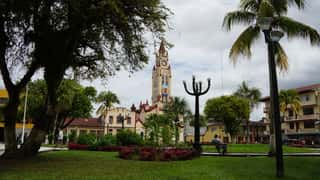
FreeThe Plaza de Armas is the civic anchor of Nauta and the only place in town where you will find a semblance of orderly urban planning. While it lacks the gilded cathedrals of the coast, it offers a fascinating window into the social life of the Amazon. You will see local children playing, elderly residents chatting under the shade of massive tropical trees, and the humble city hall that manages this vast jungle territory. It is best to spend twenty minutes here simply to observe the pace of life before head into the more chaotic market. It’s a quiet contrast to the river's industry and a safe spot to reorient yourself. Look for the small monuments that honor the indigenous leaders who founded the town—a rare sight in many Peruvian cities. This experience delivers a sense of place that the 'wild' parts of your cruise cannot.
Plaza de Armas, Nauta, Loreto, Peru ·+51 65 783011 ·Open 24 hours ·www.gob.pe
Mercado Central de Nauta · Tourist Attraction
FreeThe Nauta market is one of the most vital trading hubs on the Marañón River. It is here that the biodiversity of the Amazon meets the reality of human survival. You will walk past tables piled high with 'Aguaje' (jungle fruit), bundles of medicinal bark, and massive armored catfish that look like they belong in a prehistoric era. It is worth knowing that this is the best place to buy authentic local snacks like 'plantain chips' or 'roasted nuts.' It is an unvarnished, authentic experience. Don't just look at the food; look at the interactions between the river traders and the town vendors. This is where the true culture of the Loreto region is most visible. It delivers a visceral connection to the land that most passengers miss by staying on their air-conditioned transfer buses.
Calle Manuel Pacaya s/n, Nauta ·Daily 05:00 AM - 01:00 PM ·Not applicable
The Confluence (Encuentro de las Aguas) · Natural Feature
FreeTechnically located a few miles downstream from Nauta, the confluence is where the black waters of the Ucayali meet the café-au-lait silt of the Marañón River. This meeting point is the official birth of the Amazon River. The boat ride takes about 45 minutes from the Nauta pier. As the two rivers collide, they don't mix immediately, creating a visible line that stretches across the horizon. This is a site of immense spiritual importance to the local Cocama people and a biological hotspot for river dolphins and caiman. When you stand at the bow of your skiff and look out over this vast expanse of water, you realize the sheer power of the world's largest river system. It’s a humbling, silent moment that provides the geographical context for your entire Peruvian journey.
Confluence of Marañón and Ucayali, Loreto ·Daylight hours recommended ·www.peru.travel
Sira Traditional Neighborhood · Cultural Site
FreeThe Sira district is where the architectural heritage of the Amazon is most apparent. Unlike the concrete center of town, the houses here are made of local cedar and mahogany, raised on tall stilts to survive the annual rise of the Marañón River. Walking through Sira is like stepping back in time. You will see laundry drying on lines, children playing with river turtles, and men carving paddles from solid wood. It is worth knowing that this is the best place to understand the relationship between the people of Nauta and the water. It’s an intimate, quiet neighborhood that feels worlds away from the busy market. It is a good idea to visit with a local guide who can explain the different types of wood and the traditional Cocama construction techniques. This experience delivers an understanding of human adaptation that a textbook cannot provide.
Riverfront North, Nauta ·Daylight hours ·Not applicable
Mirador de Nauta Tower · Landmark
USD 5 PENStanding 30 metres tall, the Mirador is the highest point in Nauta and provides the only true panoramic view of the upper Amazon basin. From the top, the town's grid disappears into a vast, unbroken carpet of green canopy, with the brown ribbon of the Marañón River cutting a jagged path through it. It’s the best place to visualize the sheer scale of the jungle you are about to enter. Travelers often report that this view was the highlight of their day, as it perfectly illustrates the 'end of the road' nature of Nauta. To the north, you see the road to Iquitos; to the south, nothing but forest. It’s a powerful visual metaphor for the transition from civilization to wilderness. The tower itself is a bit weathered, but the perspective it offers on the confluence in the distance is irreplaceable.
Calle Tarapacá, Nauta ·Daily 09:00 AM - 05:00 PM ·Not applicable
Eating & Drinking in Nauta
The culinary identity of Nauta is defined by the bounty of the Marañón River and the surrounding rainforest. Unlike the Andean highlands where potatoes dominate, the Amazonian diet centers on plantains and river fish. The defining dish is 'Juane,' a bundle of seasoned rice, egg, and chicken that was originally designed for travelers. What makes it different here is the use of 'Mishquina' spices, which give it a distinct yellow color and earthy aroma. You must try the 'Paiche,' one of the largest freshwater fish in the world, often served 'a la parilla' (grilled). For drinks, locals favor 'Aguajina,' a thick, oily, and highly nutritious drink made from the aguaje palm fruit. You can find the most genuine versions at the Mercado Central, but tourists often expect sweet, commercial juices; the real thing is more savory and acquired. Another local staple is 'Camu Camu' juice, which has the highest Vitamin C content of any fruit on earth. Avoid raw salads or unpeeled fruits in the market; stick to cooked items or those you peel yourself.
| Place | Address | Phone | Hours | Price range |
|---|---|---|---|---|
| El Aguajal | Calle Manuel Pacaya 452, Nauta, Peru | +51 65 783122 | Daily 11:00 AM - 09:00 PM | 35–50 PEN (~$9.00–$13.00 USD) |
| Restaurante La Granja | Calle Iquitos s/n (near Plaza de Armas), Nauta, Peru | Daily 12:00 PM - 08:00 PM | 25–40 PEN (~$6.50–$10.50 USD) | |
| Bar El Refugio | Waterfront Malecón s/n, Nauta, Peru | Daily 04:00 PM - 11:00 PM | 15–25 PEN (~$4.00–$6.50 USD) |
El Aguajal
35–50 PEN (~$9.00–$13.00 USD)This is the best place in Nauta to sample 'Juane,' the iconic Amazonian dish of seasoned rice and chicken steamed in a bijao leaf. The 'Tacacho' (mashed green plantains with pork) is equally authentic. It is one of the few places with clean tablecloths and a relatively cool interior. One honest limitation: the service is on 'Amazon time'—expect to wait 30 minutes for your food.
Calle Manuel Pacaya 452, Nauta, Peru ·+51 65 783122 ·Daily 11:00 AM - 09:00 PM
Restaurante La Granja
25–40 PEN (~$6.50–$10.50 USD)A no-frills, open-air eatery that focuses on river fish. Order the paiche—the Amazon's giant fish—grilled simply with lime. It is firm, white, and delicious. This is where locals go for a substantial lunch. One honest note: it can be noisy due to the proximity of mototaxis on the street.
Calle Iquitos s/n (near Plaza de Armas), Nauta, Peru ·Daily 12:00 PM - 08:00 PM
Bar El Refugio
15–25 PEN (~$4.00–$6.50 USD)This is the spot for a sundowner in Nauta. The view of the river traffic at dusk is unbeatable. Order a Chuchuhuasi Sour to experience the earthy, bitter kick of the local jungle spirit. It's the right place to soak in the humidity and the evening river breeze. Locals come here to escape the heat and watch the sunset over the far bank.
Waterfront Malecón s/n, Nauta, Peru ·Daily 04:00 PM - 11:00 PM
Getting There & Around
The primary and most efficient way to navigate Nauta is by mototaxi—three-wheeled covered motorcycles that can handle the town's uneven streets. A ride anywhere within the town should cost no more than 3 to 5 PEN (~$0.80 to $1.30 USD). You will find that there are no car rental agencies or standard Uber services in Nauta. Walking is feasible in the small grid around the Plaza de Armas, but the heat and lack of shade make it punishing after 10:00 AM. For those wishing to visit the outskirts, you can hire a mototaxi by the hour for approximately 20 PEN (~$5.10 USD). Bicycles are not recommended for visitors due to the chaotic traffic of mototaxis and the poor condition of the secondary roads. One tip most guides omit: when hiring a mototaxi, look for the ones with a 'Municipalidad' registration sticker on the windshield; these drivers are tracked by local authorities and are generally more reliable for tourists.
Itineraries & Sample Walks
4-Hour Shore Excursion in Nauta
Mercado Central de Nauta
8:30 AM (60 min)
A dense, high-energy market. You will see river fish larger than a man and fruits found nowhere else on earth. It's the best place to witness the region's biodiversity and economic life.
- Walk 5 minutes uphill from the pier. (Free)
- Entry: Free (Free)
- Head to the back section where the 'peque-peques' unload to see the freshest catch of Paiche, the Amazon's giant fish.
Mirador de Nauta (Observation Tower)
9:45 AM (45 min)
A 30-metre tower offering a panoramic view of the town and the vast curve of the Marañón River. It provides a crucial sense of scale for the Amazon basin.
- 10-minute mototaxi ride from the market. (3 PEN (~$0.80 USD))
- Entry: 5 PEN (~$1.30 USD)
- The elevator is frequently out of service; be prepared to climb over 100 stairs to reach the top.
Lunch Recommendation
El Aguajal
This is the most reliable 'tourist-friendly' local spot. It uses traditional recipes but maintains a level of hygiene that exceeds the market stalls.
Order: Juane de Gallina, Tacacho con Cecina
Calle Manuel Pacaya 452, Nauta
Cost: 45 PEN (~$11.50 USD)
8-Hour Full Day Experience in Nauta
The Confluence (Encuentro de las Aguas)
8:00 AM (120 min)
Watch the distinct waters of the Marañón and Ucayali merge to form the Amazon River proper. This is a bucket-list geographical milestone.
- Hire a private speedboat from the Nauta pier. (150 PEN (~$38.50 USD) for the boat)
- Entry: Free (Free)
- Keep your eyes on the surface for the Pink River Dolphins that frequent this nutrient-rich confluence.
Sira Traditional District
11:00 AM (60 min)
Walk among the stilt houses and observe the Cocama-descendant community's daily life. It's the most peaceful part of town.
- 20-minute boat ride back to Nauta pier, then walk north. (Included in boat hire)
- Entry: Free (Free)
- Don't take photos of people's homes without a friendly nod and '¿Puedo?'—it goes a long way here.
Getting back to the ship
To ensure you do not miss your ship's departure or the final skiff transfer, you must be back at the Municipal Embarcadero at least 45 minutes before the scheduled 'All Aboard.' If you are coming from the Iquitos-Nauta Highway, allow a 30-minute buffer for the final 2 km, as mototaxi traffic can become congested. A mototaxi from the Plaza de Armas to the pier takes 5 minutes and costs 3 PEN (~$0.80 USD). If you are running late, contact your cruise director immediately; their number is usually provided on your daily briefing sheet. There is no public phone at the pier. Passengers who miss the ship in Nauta face a significant challenge, as the next possible intercept point is usually several hours away by private speedboat into the Pacaya-Samiria Reserve, which can cost upwards of $300 USD and is dangerous to navigate after dark.
Weather & Best Time to Visit Nauta
Weather & What to Pack
Cruise season: Year-round, with peak season June through November.
25°C–33°C (77°F–91°F) with 80–95% humidity. Rainfall is possible daily, even in the 'dry' season.
What to wear: Lightweight, moisture-wicking clothing is mandatory. Long sleeves and pants treated with permethrin are recommended for mosquito protection. You must wear closed-toe shoes with excellent grip for the Marañón River ramps; sandals are dangerous on the slippery silt. A wide-brimmed hat with a chin strap is essential for the sun on the open river.
Weather risks: Sudden tropical downpours can cause flash flooding in the market area. Morning fog on the river can delay skiff transfers by 30–60 minutes.
The 'Low Water' season (June-Oct) sees more exposed sandbars and higher heat, while 'High Water' (Dec-May) allows for deeper boat penetration into the flooded forest.
| Season | Conditions | Hazards | Affected areas | Visitor advice |
|---|---|---|---|---|
| High Water Season (December–May) | Heavy tropical rains and rising river levels, often reaching the top of the concrete ramps. | The concrete ramps at the pier become extremely slippery with river silt. Muddy embankments in Sira can become unstable and treacherous for walking. | The Waterfront (Malecón), the Sira district, and the boat landing zones. | Wear waterproof hiking boots with aggressive tread. The humidity is 95% during this period; stay hydrated and use a walking pole for stability on the ramps. |
| Low Water Season (June–November) | Hotter, drier weather with significant exposure of the riverbanks and sandbars. | The walk from the landing to the town becomes significantly steeper as the water level drops, requiring more physical effort on the incline. Dust in the market can trigger respiratory sensitivity. | The main pier ramp and the market district streets. | Prepare for a steeper climb from the skiffs to the town. Use high-SPF sun protection as there is zero shade on the exposed riverbank landing. |
Practical Information
Cultural etiquette
In Nauta, a soft handshake with a polite 'Buenos días' or 'Buenas tardes' is the standard greeting. Unlike the more formal Lima, the culture here is relaxed but deeply respectful of elders. When dining, meals are social events; it is polite to wait until everyone is served before eating. Splitting dishes is not common in restaurants but is expected in more informal settings. Photography of indigenous people, especially children, requires explicit permission; always ask '¿Puedo?' first. In the market, queueing is more of a suggestion than a rule; you must be assertive but polite to get served. Tipping is not mandatory in local eateries, but rounding up the bill or leaving 2–5 PEN for a mototaxi driver who provides helpful information is a highly appreciated gesture. One common misunderstanding is the concept of 'Amazon Time'; things rarely happen at the exact minute promised. Being impatient or visibly angry about a 10-minute delay is considered rude and counterproductive in the Loreto culture.
Mistakes to Avoid
| Mistake |
|---|
Staying on the transfer coach until the very last minute. |
Expecting to find a last-minute luxury item or specific medication. |
Hiring a boat for the confluence without confirming the return time. |
Wearing sandals or flip-flops to explore the town. |
Practical tips
Nauta is a cash-driven economy. While your cruise vessel will accept credit cards, almost no business in town—including restaurants and mototaxis—will. Carry plenty of small-denomination Soles (10 and 20 PEN notes). Tipping 10% in restaurants like El Aguajal is appreciated but not required. Five useful phrases: '¿Cuánto cuesta?' (How much?), 'Al embarcadero, por favor' (To the pier, please), 'Agua sin gas' (Still water), 'Gracias' (Thank you), and '¿Dónde está el baño?' (Where is the bathroom?). Be aware of the 'mototaxi surge' scam; drivers may try to double the price if they see you carrying luggage—always confirm the 3-5 PEN fare before starting. For dress code, modesty is respected, but the primary rule is sun and insect protection; don't wear expensive jewelry that might attract attention. The best time to visit the market and avoid the largest crowds and peak heat is at 8:00 AM, just after the sunrise rush but before the midday stillness sets in.


Why Book With Waterways Cruise?
Four decades of expertise, one dedicated advisor, and every detail handled, from your front door to the gangway and back.
Personal Service — Your Own Cruise Concierge
Tailor-Made — 100% Custom-Built
Expertise — 40+ Years in Travel
Price Watch — Book With Total Confidence
Signature Sailings
All Cruise Lines at Nauta (A–Z)
Nearby Ports




FAQ — Nauta
Can I walk from the Nauta pier to the Amazon River confluence?
No, you cannot. The 'Encuentro de las Aguas' where the Marañón and Ucayali rivers meet is approximately 12 km (7.5 miles) downstream from Nauta. This journey requires a motorized boat and takes roughly 45 to 60 minutes each way depending on the current and engine size. Walking is impossible as there are no roads or paths along the riverbank leading to the confluence. It is a good idea to hire a private speedboat at the Nauta pier for approximately 150 PEN (~$38.50 USD). Ensure you allow at least 3 hours for the full round trip and wildlife spotting. For a guaranteed back-to-ship experience, book a private confluence excursion.
Is there a safe place to leave luggage in Nauta while I explore?
There are no official luggage storage facilities or lockers at the Nauta Municipal Pier or in the town center. If you are part of a cruise transfer, your luggage will be securely moved from the Iquitos airport coach directly to your vessel by the cruise line staff. Avoid carrying large bags through the market or town. If you arrive independently, you may be able to negotiate storage with a local restaurant like El Aguajal for a small fee (approx. 10 PEN), but this is not a formal service and carries risk. Most Waterways Cruise clients find it best to let the cruise line handle all logistics while they explore Nauta hands-free.
Are there many mosquitoes in Nauta during the daytime?
Yes, mosquitoes and biting midges (locally called 'manta blanca') are present year-round, especially near the riverbanks and the Sira district. While activity peaks at dawn and dusk, you will encounter them during the day. It is a good idea to wear long-sleeved, light-colored clothing and apply a high-DEET repellent (30% or higher) before leave your ship or transfer coach. It is worth knowing that permethrin-treated clothing is the most effective defense. Do not rely on 'natural' sprays in this environment; they are rarely effective against the aggressive local species. Always keep your ship cabin door closed to prevent insects from entering your living space.
How much should I pay for a mototaxi from the market to the Mirador?
The standard fare for a mototaxi (the local three-wheeled rickshaws) anywhere within the town of Nauta is 3 PEN (~$0.80 USD). If you are traveling as a pair with some light shopping, 5 PEN (~$1.30 USD) is a fair price. Drivers may quote 10 or 15 PEN to travelers they recognize as cruise passengers; you should politely negotiate down to 5 PEN before the ride starts. There are no metered taxis in Nauta, so the price must be fixed verbally. Carrying small change is essential, as drivers rarely have change for 50 or 100 PEN notes. A 5-minute ride is typical for most destinations within the town's small urban grid.
Is the water in Nauta safe to drink or use for brushing teeth?
Absolutely not. Tap water in Nauta is not treated to international potable standards and can contain parasites and bacteria that cause severe gastrointestinal illness. Only use bottled water for drinking and brushing your teeth. Reliable brands available in local bodegas include San Luis and Cielo; a 1-liter bottle costs about 3 PEN (~$0.80 USD). Even at established restaurants like El Aguajal, ensure that any ice in your drink is made from purified water—most reputable places catering to tourists will do this, but it is always worth asking '¿El hielo es de agua purificada?'. Avoid any fountain water or street-side juice stalls where water quality cannot be verified.
What is the best thing to buy as a souvenir in Nauta?
The most authentic and durable souvenirs in Nauta are hand-woven Chambira palm fiber items, such as bags, hats, or hammocks. These are made by local indigenous artisans and are significantly cheaper than in Iquitos or Lima. A high-quality medium-sized bag should cost between 60 and 90 PEN (~$15.50 to $23.00 USD). Another unique item is local medicinal honey or 'miel de abeja de tierra,' though you should check your home country's customs regulations regarding the import of honey before purchasing. Avoid piranha trophies or any animal-based products (skins, feathers, or shells), as these are often illegal to export under CITES regulations and contribute to the poaching of local wildlife.
Can I use US Dollars to pay for things in the Nauta market?
No, US Dollars are not widely accepted in Nauta. While a high-end restaurant might take them at a very poor exchange rate, market vendors, mototaxi drivers, and small bodegas only accept Peruvian Soles (PEN). Furthermore, any USD bills that are even slightly torn, marked, or old will be rejected throughout Peru. Visitors should withdraw Soles from an ATM in Iquitos or at the BCP bank near the Plaza de Armas in Nauta. If you plan to shop in the market, ensure you have small denominations (10 and 20 PEN notes), as larger 100 PEN notes are difficult for small vendors to change.
Does the Iquitos-Nauta highway ever close due to weather?
Total closure of the 101 km highway is rare, but delays are common. During the heavy rain of the high-water season (December–May), minor landslides or localized flooding can reduce the road to a single lane, adding 30–60 minutes to the 2-hour journey. More significantly, local community protests can occasionally involve road blockades. Destination partners monitor these situations daily. If a blockade is known, cruise lines may adjust transfer times or use river transport instead. You should check with your cruise line or a licensed local operator 48 hours before travel for any regional alerts that might impact your transfer between Iquitos and the Nauta pier.
Are there any public restrooms near the Nauta waterfront?
There are no public restrooms at the Nauta Municipal Pier itself. The nearest public facilities are located at the Plaza de Armas in the Municipal building, which is about a 10-minute walk or a 3-minute mototaxi ride away. These restrooms usually charge a fee of 1 PEN and are very basic. It is a good idea to use the restroom on your transfer coach before arrive in Nauta or wait until you board your cruise vessel. For passengers on independent day trips, the restaurant El Aguajal has the cleanest facilities in town for customers. Always carry a small pack of tissues, as toilet paper is frequently unavailable in public stalls.
Is Nauta safe for solo travelers to walk around during the day?
Nauta is generally safe for solo travelers during daylight hours, provided you stay within the main areas (Plaza de Armas, Mercado, and Malecón). The local community is accustomed to tourists and is generally welcoming. However, standard precautions apply: do not wear expensive jewelry, keep your phone and camera secure, and avoid walking into the unlit outskirts of town after dark. The 'Sira' neighborhood is fine to visit during the day, but it is residential and quiet, so a solo traveler might feel more comfortable with a local guide. For maximum security and a curated experience, a private escorted tour of the market and town highlights can be arranged in advance.
Fact-checked and co-written by J. Richard, Founder, Waterways Cruise, with the Waterways Cruise Content Team.
Published May 19, 2026 · Last updated November 2, 2026
This guide is researched and reviewed by our editorial team, but prices, hours, and availability change often. Confirm current details directly with venues, excursion operators, and your cruise line before you travel.