Philippines Cruise Ports & Cruise Guide
Total 8
This page is an overview of the 8 cruise ports in Philippines, covering ocean cruises. Cruises start and end at Manila. 25 cruise ships visit Philippines across 8 ports. See live sailings and availability on the Philippines cruises page.


The Philippines offers one of Southeast Asia's richest island experiences: more than 7,600 islands, Spanish colonial churches, indigenous rice terraces, coral reefs, and warm, English-speaking locals. Cruise travel here is best on small expedition or yacht-style ships; mega-ships are not the point. The trade-off is logistics: ports are less polished, typhoon season is real, and some icons require long tender rides or drives. For the traveler who wants discovery without crowds, the Philippines rewards patience with an unfiltered sense of place.
Country facts
History
The Philippines has a layered history of Austronesian seafaring, Islamic sultanates, Spanish colonization, American colonialism, wartime occupation, and democratic struggle. It was a global trading crossroads long before Magellan arrived in 1521, and its contemporary identity is a mix of indigenous, Asian, Hispanic, and American influences.
Textbook history often overstates smooth transitions. Colonialism involved forced labor, church-sanctioned violence, and land dispossession. Mindanao's Muslim regions have a separate story that is frequently omitted from national narratives; treat 'discovery' narratives with caution.
Culture
Southeast Asian archipelago with an Austronesian core, a Catholic colonial overlay, Muslim and indigenous minorities, and a deep global diaspora. Family and the communal spirit of 'bayanihan' remain central.
Music: Kundiman and rondalla, indigenous gong traditions, OPM pop-rock, and modern artists such as Lea Salonga and Ben&Ben.
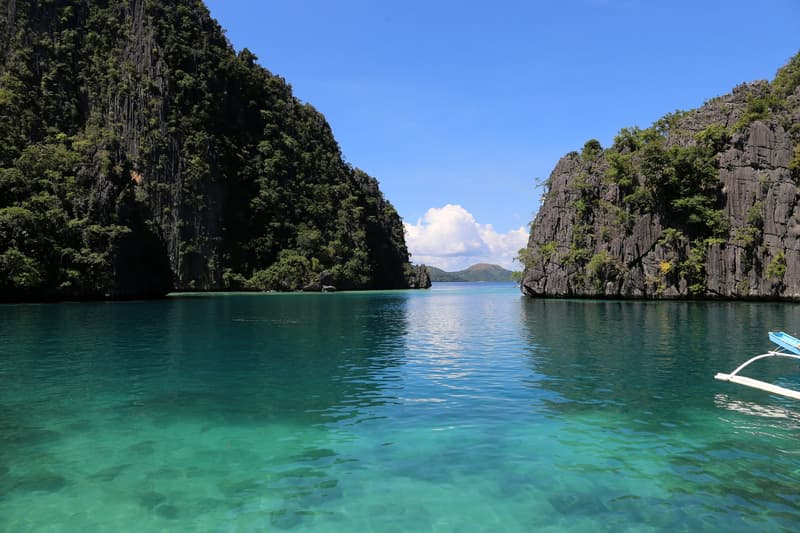
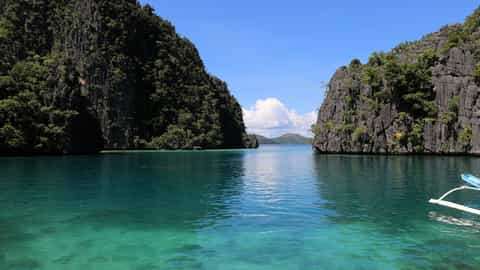
Signature landscape: Chocolate Hills, Puerto Princesa Underground River, Banaue Rice Terraces, Tubbataha Reefs, and the limestone lagoons of Palawan.
Cuisine
- Adobo
- Sinigang
- Lechon
- Kinilaw
- Halo-halo
- Lumpia
- Sisig
- Pansit
- Fresh mango
- Champorado
Architecture & heritage
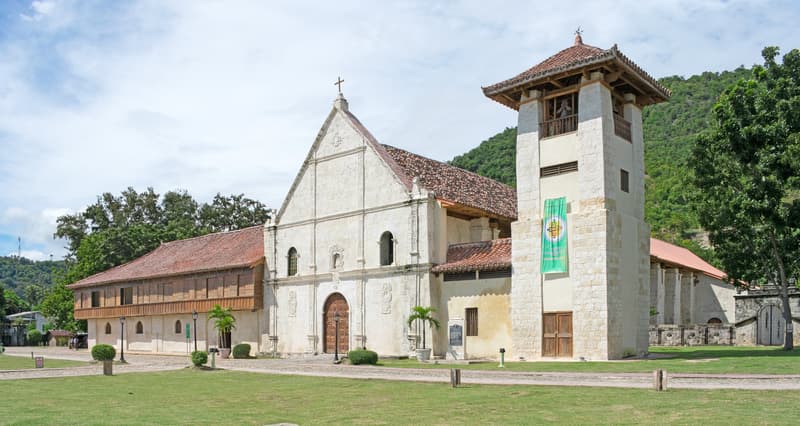
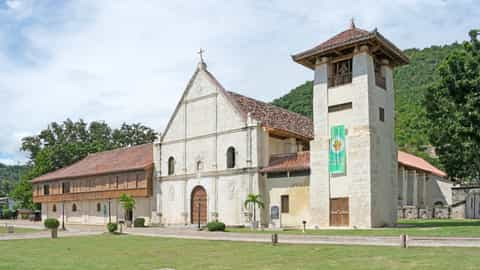
- Baroque Churches of the Philippines (UNESCO)
- Historic town of Vigan (UNESCO)
- Ifugao Rice Terraces (UNESCO)
- Spanish-era stone churches and watchtowers
- Nipa huts and bahay na bato ancestral houses
- Indigenous Cordillera and Mindanao vernacular architecture
Tips for American travellers
- Use 'po' and 'opo' for politeness; Filipinos appreciate courteous speech.
- Remove shoes when entering homes and some churches; look for cues.
- Ask permission before photographing people, especially in indigenous communities.
- Dress modestly in churches; cover shoulders and knees.
- Avoid discussing Marcos-era politics and Mindanao conflict unless invited.
- Carry small peso bills for street food and tricycles; ATMs can be scarce in small islands.
Major cities & destinations
Manila Capital and gateway city
Historic walled city, excellent museums, and the country's most dynamic food scene; chaotic but walkable pockets reward curious travelers.
Primary embarkation and debarkation port for most Philippine cruises; allow two nights before sailing.
Intramuros Fort Santiago San Agustin Church Manila Cathedral Rizal Park National Museum of Fine Arts Binondo Ayala MuseumCebu City Historic port city
Site of the country's first Spanish settlement and a modern food hub; compact historic quarter can be seen in a morning.
Frequent port call and alternate turnaround for Visayas routes; also serves as gateway to Oslob and Moalboal.
Magellan's Cross Basilica del Santo Niño Fort San Pedro Cebu Metropolitan Cathedral Carbon Market Tops LookoutPuerto Princesa Provincial capital and Palawan gateway
Jumping-off point for one of UNESCO's most spectacular river caves; also has clean public spaces and wildlife centers.
Sheltered port on Palawan's east side; ships often anchor here for Underground River excursions.
Puerto Princesa Underground River Palawan Wildlife Rescue and Conservation Center Plaza Cuartel Immaculate Conception Cathedral Baywalk Honda BayEl Nido Coastal town and limestone bay gateway
Dramatic karst cliffs, turquoise lagoons, and island-hopping that feels genuinely adventurous.
Expedition ships anchor in Bacuit Bay and use tenders or Zodiacs; no pier for large vessels.
Big Lagoon Small Lagoon Secret Lagoon Las Cabanas Beach Nacpan Beach Taraw Cliff viewpointCoron Island town and diving gateway
World-class wreck diving, clear lakes, and a laid-back vibe; the harbor is framed by limestone towers.
Protected natural anchorage; a key stop for Palawan expeditions and dive-oriented voyages.
Kayangan Lake Twin Lagoon Barracuda Lake Siete Pecados Japanese WWII wreck sites Mount TapyasTagbilaran (Bohol) Provincial capital on Bohol
Base for Chocolate Hills, tarsiers, and the Loboc River; a relaxed slice of Visayan provincial life.
Port of call for ships looping Cebu, Bohol, and Boracay; shore days can be busy, so start early.
Chocolate Hills Philippine Tarsier Sanctuary Loboc River Baclayon Church Blood Compact Site Hinagdanan CaveBoracay Resort island
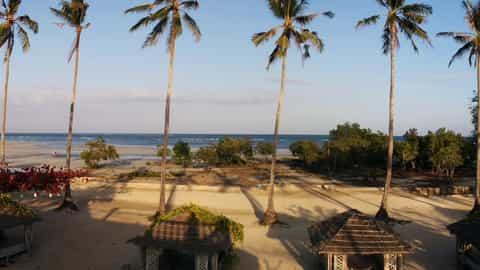
The archetypal white-sand beach—4 km of powdery sand, calm water, and easy watersports.
Tendered call; no commercial pier. Environmental fees and daily visitor caps apply, so small ships have an advantage.
White Beach Willy's Rock Bulabog Beach Mount Luho viewpoint Diniwid Beach Puka Shell BeachVigan UNESCO heritage town
The most intact Spanish colonial town in the Philippines—cobblestone streets, ancestral houses, horse-drawn carriages.
Not a regular cruise port; works best as a pre- or post-cruise land extension from Manila.
Calle Crisologo Crisologo Museum Vigan Cathedral Bantay Church and bell tower Baluarte Pottery making in PagburnayanBanaue Mountain town and rice-terrace gateway
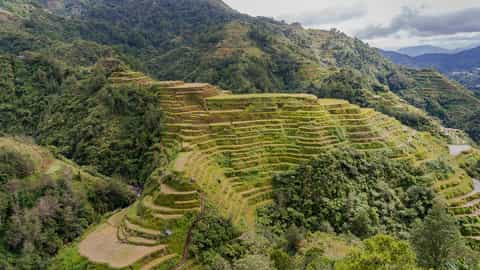
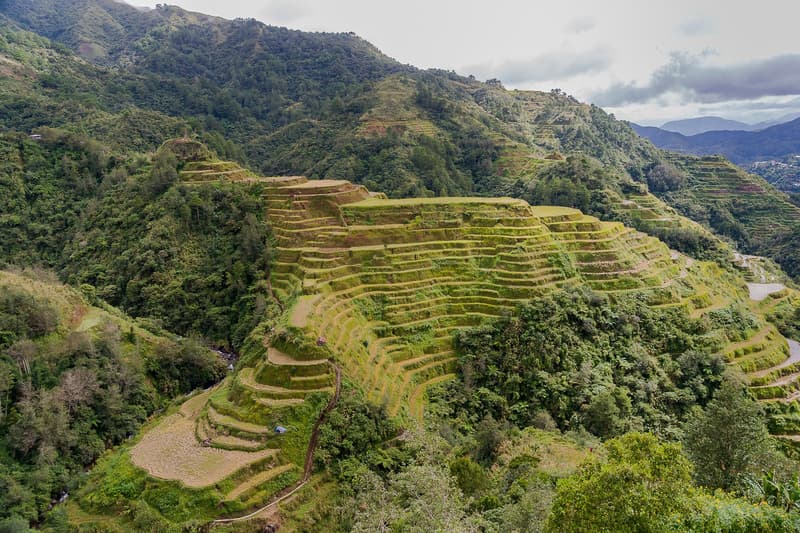
The Ifugao Rice Terraces, carved into mountains over 2,000 years, are among the world's great cultural landscapes.
Land extension, not a cruise port; reachable by winding road from Manila via Baguio.
Banaue Rice Terraces viewpoint Batad Rice Terraces Bangaan Rice Terraces Banaue Museum Tappiya FallsDavao City Southern metropolis
Gateway to Mount Apo, Philippine eagles, durian, and Samal Island; a different, more Mindanao-flavored side of the Philippines.
Occasional turnaround port for southern expedition routes; security coordination required.
Philippine Eagle Center Mount Apo People's Park Eden Nature Park Samal Island San Pedro CathedralCruise ports of call
The Philippines is best cruised on small expedition or yacht-style ships rather than mega-ships. Port infrastructure is varied: some calls are working ports, some are protected anchorages reached by tender. The two broad route families are a Manila-to-Palawan expedition arc and a Cebu-Bohol-Boracay classic island loop.
- Manila–Palawan: colonial bays and limestone coasts
- Cebu–Bohol–Boracay: islands of faith, coral, and white sand
Manila Both
Large harbor with proximity to Intramuros and Binondo; formalities are manageable but busy.
Best for: Pre-cruise history and food exploration.
Operators: Ponant, Seabourn, Windstar Cruises, Coral Expeditions, Emerald Cruises, Scenic Luxury Cruises & Tours
Puerto Princesa route_family_one
Sheltered Puerto Princesa Bay with access to Puerto Princesa Subterranean River National Park.
Best for: UNESCO nature, mangroves, wildlife.
Operators: Ponant, Coral Expeditions, Seabourn
El Nido route_family_one
No pier; ships anchor in Bacuit Bay and land with Zodiacs or tenders.
Best for: Limestone lagoons, kayaking, island-hopping.
Operators: Ponant, Coral Expeditions, Seabourn
Coron route_family_one
Natural deep-water anchorage in Coron Bay; the town is small and walkable.
Best for: Wreck diving, clear lakes, WWII history.
Operators: Ponant, Coral Expeditions, Seabourn, Windstar Cruises
Cebu City route_family_two
A working port, but the historic district is only a short drive from the pier.
Best for: Colonial-era history, Cebuano food, island-hopping.
Operators: Windstar Cruises, Seabourn, Ponant, Emerald Cruises
Tagbilaran route_family_two
Small port on Bohol's southwest coast; many ships use it as a one-day gateway to Chocolate Hills.
Best for: Bohol countryside, tarsiers, river cruise.
Operators: Windstar Cruises, Seabourn, Emerald Cruises, Scenic Luxury Cruises & Tours
Boracay route_family_two
Ships anchor off the island and tender to Cagban Beach; visitor caps apply.
Best for: Beach relaxation, watersports, sunset.
Operators: Windstar Cruises, Seabourn, Ponant, Emerald Cruises
Other possible clearances and stops include Subic Bay, Batangas, Iloilo, Bacolod, Davao, and Siargao; itineraries change seasonally, so verify with the cruise line.
All cruise ports in Philippines
Ships visiting by type: 24 ocean 3 expedition
Showing 8 ports in Philippines



River cruises & routes
There is no established multi-day river cruise product in the Philippines; the country's inland cruising is limited to day excursions and short boat rides. The following are the most rewarding on-water experiences.
| Route | Length | Countries | Highlights |
|---|---|---|---|
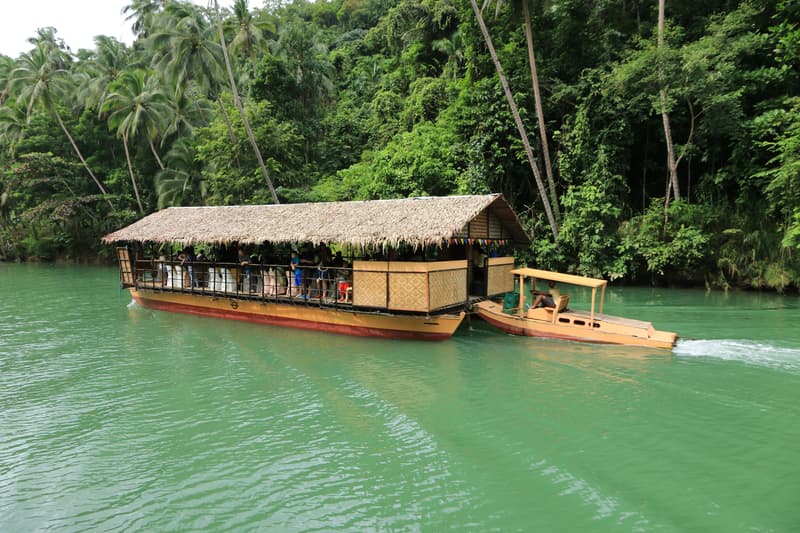
| Loboc River, Bohol | Half-day | Philippines | Floating restaurant buffet, mangrove-lined banks, nipa villages, and a calm, shaded river corridor. |
| Puerto Princesa Subterranean River, Palawan | Half-day | Philippines | UNESCO-listed limestone cave, guided paddle or boat shuttle, cathedral-like cavern interiors. |
| Pagsanjan River, Laguna | Day trip | Philippines | Dugout canoe through rapids and gorge, waterfall spray, traditional boatmen navigating shallow canyons. |
| Cagayan de Oro River, Mindanao | Half-day | Philippines | White-water rafting through jungle canyons; a more active option for adventurous travelers. |
Season: Best from November through April; the dry season lowers water levels on some rivers, but also means clearer skies and less typhoon risk.
Cruise lines visiting Philippines
The Philippines is served primarily by small-ship expedition and yacht lines. Large mainstream ships are rare, and the destination is better suited to intimate vessels that can anchor in lagoons and use tenders.
Ponant
Philippines expedition cruises between Manila, Palawan, Cebu, and Boracay; often combined with Borneo or Malaysia.
Ships: Le Soléal, Le Lapérouse, Le Bougainville
Seabourn
World cruise and expedition voyages include Manila, Puerto Princesa, Coron, and other Philippine ports.
Ships: Seabourn Quest, Seabourn Sojourn
Windstar Cruises
Southeast Asia sailings that can include the Philippines; wind-powered yachts with a relaxed, uncrowded feel.
Ships: Wind Spirit, Wind Star
Coral Expeditions
Expedition cruises to Palawan, Cebu, Bohol, and the Coral Triangle, with a focus on nature and local culture.
Ships: Coral Adventurer, Coral Geographer
Emerald Cruises
Yacht cruises in Southeast Asia with possible Philippine calls and water-sports-focused shore days.
Ships: Emerald Azzurra, Emerald Sakara
Scenic Luxury Cruises & Tours
Discovery yacht itineraries in Southeast Asia and the Philippines, combining expedition toys with luxury amenities.
Ships: Scenic Eclipse
This is a fast-changing small-ship market; always check current itineraries, environmental licenses, and port schedules before booking.
Planning & advice
Because it offers a sense of discovery—a route through limestone lagoons, rice terraces, and colonial churches—without the herd of Mediterranean or Caribbean ports. Small ships can access intimate anchorages where you will feel more like an explorer than a passenger.
For the American traveller
- Carry small peso bills; many island ports lack ATMs and credit cards are accepted only in cities.
- Have a plan for connectivity; free Wi-Fi is limited. Buy a local Globe or Smart eSIM before you arrive.
- Pack for humidity and rain; bring reef-safe sunscreen and light layers for air-conditioned churches.
- Respect cultural etiquette: remove shoes in homes and some churches; ask before photographing people.
- Book through the ship or a reputable local operator; avoid unlicensed boats and off-the-books guides.
- Be mindful of marine protected areas; do not touch corals or wildlife.
- Tubbataha, El Nido, and Boracay have strict environmental rules; follow guide instructions.
- Transportation in ports can be chaotic; prearrange transfers through your cruise line.
- General safety is good in tourist areas, but Mindanao requires itinerary coordination with your cruise line and current local advisories.
- U.S. citizens do not need a visa for tourism stays of up to 30 days; passport must be valid for at least six months.
Excursion planning
- Choose active versus cultural versus nature rather than trying to do everything in one port.
- Start early to avoid heat and crowds, especially at Chocolate Hills and the Underground River.
- In El Nido and Coron, the ship's Zodiac is often the best way to reach lagoons; reserve limited tender slots.
- Ask about fitness level: Big Lagoon kayaking is easy; Batad rice-terrace trekking is strenuous.
- Underground River permits are limited; ship excursions usually have priority access.
- For divers, verify cylinder availability, certification cards, and wreck-diving experience levels.
- Allow buffer for weather; ports can be skipped due to typhoon or sea conditions.
The verdict
Best suited for travelers who want equal parts nature, history, and genuine warmth, and who accept that the cruise infrastructure is less polished than Europe. Go in dry season, choose a small ship, and use the ship's local guides to navigate the logistics.
Sources
- CIA World Factbook — Philippines (accessed 2026-09-09)
- UNESCO World Heritage Centre — Baroque Churches of the Philippines (accessed 2026-09-09)
- UNESCO World Heritage Centre — Rice Terraces of the Philippine Cordilleras (accessed 2026-09-09)
- UNESCO World Heritage Centre — Puerto-Princesa Subterranean River National Park (accessed 2026-09-09)
- U.S. Department of State — Philippines Travel Advisory (accessed 2026-09-09)