Portugal Cruise Ports & Cruise Guide
Total 26 · 11 river · 15 ocean
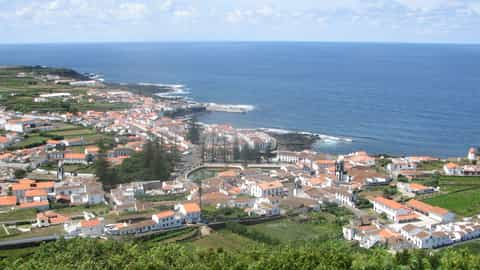
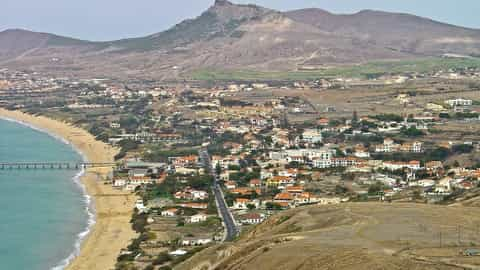
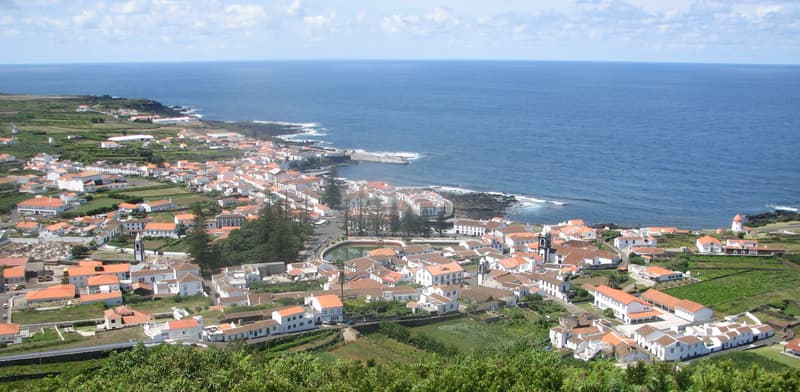
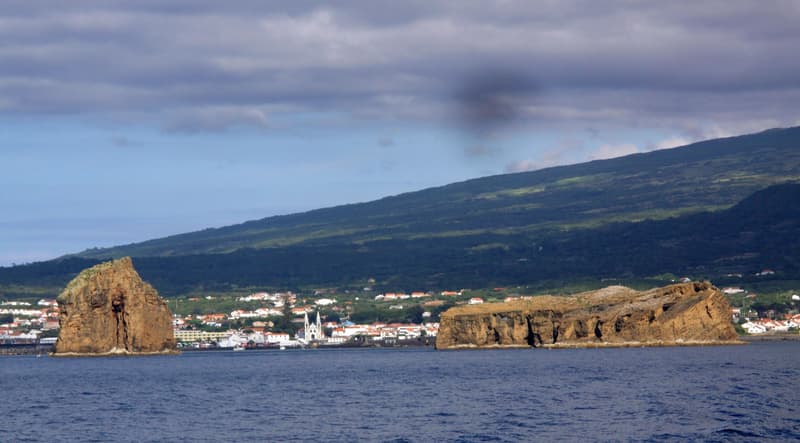
- Azores
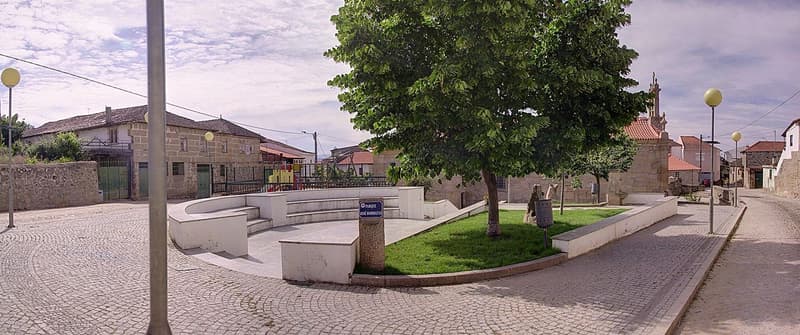
- Bragança
- Coimbra
- Faro
- Madeira
- Viseu
This page is an overview of the 26 cruise ports in Portugal, covering river and ocean cruises. Cruises start and end at Lisbon, Porto, Funchal. 160 cruise ships visit Portugal across 26 ports. See live sailings and availability on the Portugal cruises page.

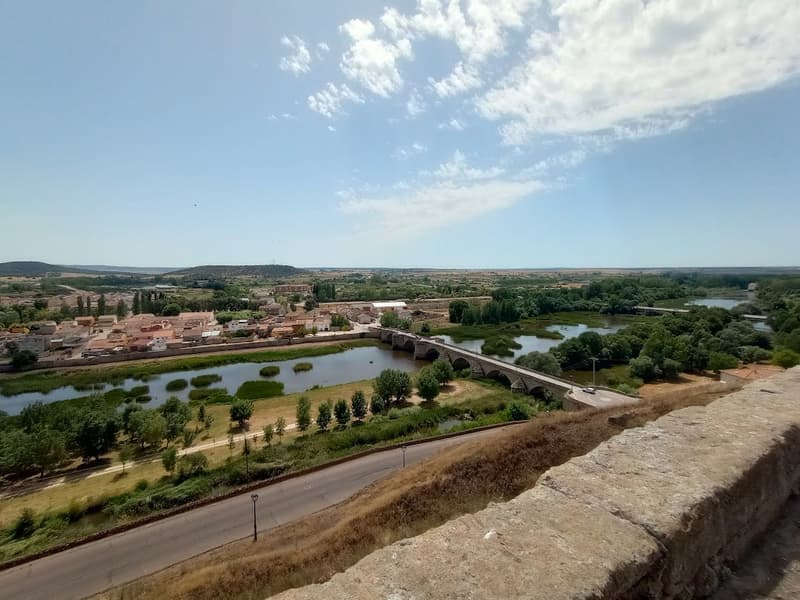
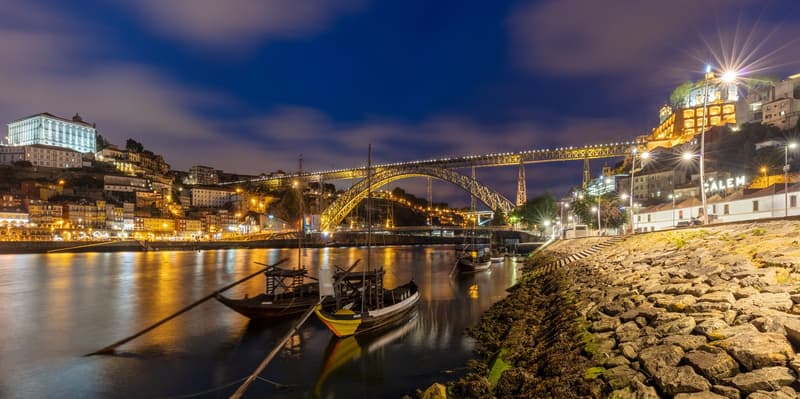
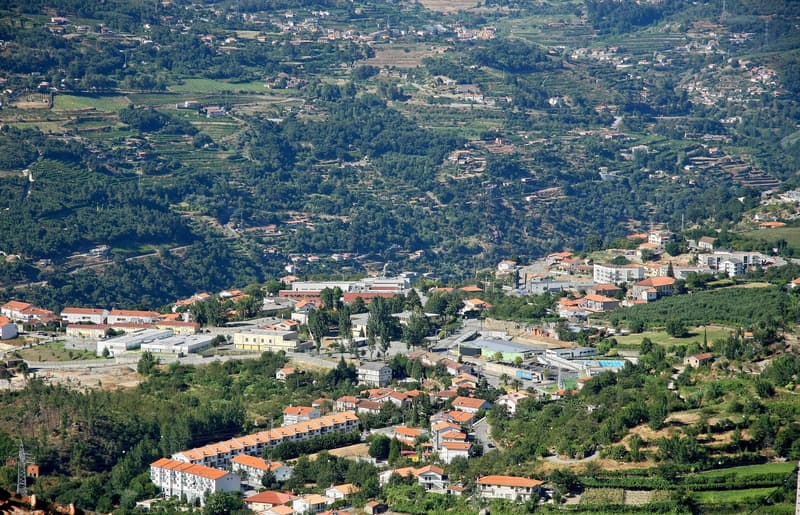

Portugal offers a compact, culturally rich river-cruise experience centered on the Douro Valley, bookended by the Atlantic charm of Porto and Lisbon. The Douro is an intimate, small-ship river with terraced vineyards, quintas, and a relaxed pace that suits milestone travelers who want depth without crowds. Add a few independent days in Lisbon and Porto, and you have one of Europe's most rewarding journeys.
Country facts
History
Portugal is one of Europe's oldest nation-states, with borders largely unchanged since the 13th century. Its maritime expansion in the 15th and 16th centuries created a global empire stretching from Brazil to Asia. The 1974 Carnation Revolution ended decades of authoritarian rule and led to a stable democracy and EU membership.
Portugal's imperial history is often romanticized as an 'Age of Discoveries,' but it also involved slavery, forced labor, and colonial extraction, especially in Brazil, Africa, and Asia. A responsible visit acknowledges this complexity rather than presenting empire as a golden age.
Culture
Portugal sees itself as Atlantic-facing, maritime, and proudly distinct from Spain. Regional identity is strong, especially in Porto, Lisbon, the Douro, and the islands. The Portuguese concept of 'saudade'—a deep, poetic melancholy—shapes the music and temperament.
Music: Fado is Portugal's most iconic musical expression, particularly Lisbon's urban fado and Coimbra's academic fado. The Cante Alentejano is a UNESCO-listed polyphonic tradition. Contemporary Portuguese music spans pop, rock, and electronic, with artists like Madredeus and Salvador Sobral.
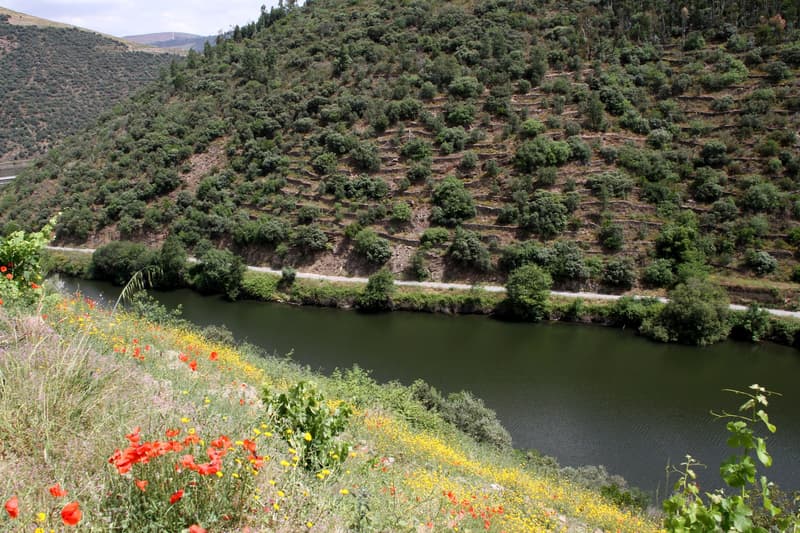
Signature landscape: The terraced vineyards of the Alto Douro Wine Region, a UNESCO cultural landscape that follows the Douro River from near Régua to the Spanish border.
Cuisine
- Bacalhau (dried salted cod, said to have 365 recipes)
- Pastel de nata (custard tart)
- Francesinha (Porto's meaty sandwich)
- Sardinhas assadas (grilled sardines)
- Caldo verde (kale and potato soup)
- Arroz de marisco (seafood rice)
- Queijo da Serra (mountain sheep cheese)
- Port wine
- Vinho Verde
Architecture & heritage
- Manueline architecture, seen at Belém's Jerónimos Monastery
- Pombaline downtown Lisbon, rebuilt after the 1755 earthquake
- Portuguese azulejos (glazed ceramic tiles)
- Roman ruins at Conímbriga
- Medieval castles and hilltop towns
- Port wine lodges in Vila Nova de Gaia
Tips for American travellers
- Dinner often starts at 19:30–21:00; make reservations for popular restaurants.
- English is widely spoken in tourist areas, but a few Portuguese phrases go a long way.
- Streets are steep and cobbled; bring comfortable, low-heeled shoes.
- Tap water is safe to drink; ask for 'água da torneira' to reduce plastic waste.
- Uber and Bolt are common in Lisbon and Porto; taxis are fine but confirm the meter or use a rideshare app.
- Tipping is modest; 5–10% in restaurants is appreciated but not mandatory.
Major cities & destinations
Lisbon Capital city
Hilltop neighborhoods, historic trams, riverfront plazas, and one of Europe's most vibrant food scenes.
Major ocean cruise hub and the most common pre/post-city for Douro river cruises.
Belém Tower Jerónimos Monastery Alfama district São Jorge Castle Praça do Comércio Time Out Market Tram 28Porto City
Historic Ribeira riverside, port wine lodges, azulejo-covered churches, and a lively food culture.
Primary embarkation and disembarkation port for Douro river cruises; ocean ships call at nearby Leixões.
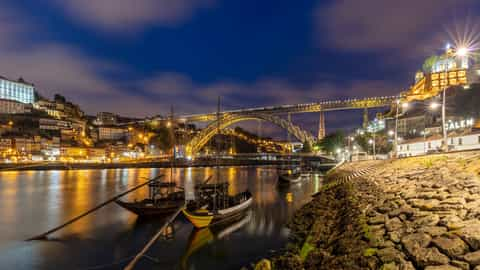
Ribeira riverside Dom Luís I Bridge São Bento Station Clérigos Tower Livraria Lello Porto Cathedral Vila Nova de Gaia port cellarsRégua River town
Center of the Alto Douro wine region, with panoramic vineyards, the Douro Museum, and classic river views.
Standard Douro river cruise stop and a jumping-off point for vineyard excursions.
Douro Museum São Leonardo de Galafura viewpoint Lamego and Nossa Senhora dos Remédios sanctuary Quinta do BomfimPinhão River village
Terraced hillsides, famous quintas, and one of Portugal's most beautiful railway stations.
Iconic Douro cruise destination; the river bends dramatically at Pinhão and the scenery is unforgettable.
Pinhão railway station azulejos Quinta do Seixo Quinta da Roêda Pinhão riverfrontBarca d'Alva Border village
Quiet border village near the Côa Valley rock art and the gateway to Salamanca in Spain.
Easternmost Douro docking point; turning point for many itineraries and the base for a Salamanca excursion.
Côa Valley Museum and rock art Figueira de Castelo Rodrigo Barca d'Alva riverfront Salamanca (Spain)Coimbra University city
Home to one of Europe's oldest universities, the magnificent Joanina Library, and a distinct fado tradition.
Common pre/post-cruise extension from Lisbon or Porto; it is not a Douro river port.
University of Coimbra Joanina Library Sé Velha (Old Cathedral) Santa Cruz Monastery Botanical GardenSintra Town
Romanticist palaces, misty forests, and a UNESCO-listed cultural landscape in the hills above Lisbon.
Top shore excursion from Lisbon; best done as a full, unhurried day.
Pena Palace Quinta da Regaleira Moorish Castle Sintra National PalaceFaro Region/city
Golden beaches, limestone cliffs, and a Moorish-influenced old town in the Algarve.
Ocean cruise stop in the Algarve, offering coastal excursions and water activities.
Faro Old Town Ria Formosa Natural Park Benagil Cave Ponta da Piedade (Lagos)Funchal Island city
Madeira's capital, famous for botanical gardens, a dramatic cable car, and a mild year-round climate.
Atlantic island port on transatlantic and winter cruise itineraries.
Funchal Old Town Monte Palace Tropical Garden Madeira Botanical Garden Funchal Cable Car Cabo Girão skywalkCruise ports of call
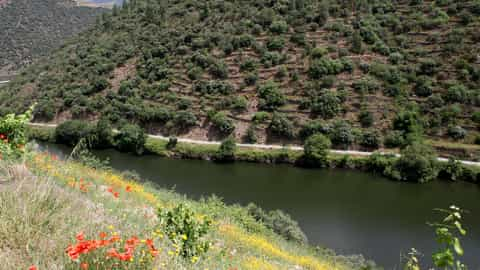
Portugal's river cruising is centered on the Douro, a narrow, terraced river flowing from the Spanish border to the Atlantic at Porto. Ocean cruises call at Lisbon, Funchal, and sometimes Faro/Portimão or Leixões. The Douro is an intimate, small-ship experience—not a mega-ship river.
- Douro River Cruises: Porto/Gaia to Barca d'Alva and back, passing Régua and Pinhão, often with a motorcoach excursion to Salamanca.
- Iberian Atlantic Coastal Cruises: Lisbon, Porto (Leixões), and Funchal as ports on Atlantic, transatlantic, or Iberia itineraries.
Porto Douro River Cruises
The center of Douro river cruising, with embarkation along the Ribeira or across the river in Vila Nova de Gaia. Ocean cruise ships use the Leixões cruise terminal about 10 km north.
Best for: Port wine lodges, historic center, gastronomy, riverfront atmosphere.
Operators: Viking Cruises, AmaWaterways, Uniworld Boutique River Cruise Collection, Tauck, Emerald Cruises, Scenic, Avalon Waterways, CroisiEurope, Regent Seven Seas Cruises, Silversea, Celebrity Cruises, Holland America Line
Régua Douro River Cruises
Also called Peso da Régua, this is the traditional capital of the Douro wine region and a regular docking point for vineyard tours.
Best for: Wine estates, Douro Museum, panoramic viewpoints.
Operators: Viking Cruises, AmaWaterways, Uniworld Boutique River Cruise Collection, Tauck, Emerald Cruises, Scenic, Avalon Waterways, CroisiEurope
Pinhão Douro River Cruises
Nestled in a dramatic curve of the Douro, Pinhão is surrounded by terraced vineyards and is a highlight of the voyage.
Best for: Iconic views, azulejo station, port wine quintas.
Operators: Viking Cruises, AmaWaterways, Uniworld Boutique River Cruise Collection, Tauck, Emerald Cruises, Scenic, Avalon Waterways, CroisiEurope
Barca d'Alva Douro River Cruises
Near the Portuguese-Spanish border, this is the turning point for most Douro itineraries and the gateway to Salamanca.
Best for: Salamanca day trip, Côa Valley rock art, quiet border scenery.
Operators: Viking Cruises, AmaWaterways, Uniworld Boutique River Cruise Collection, Tauck, Emerald Cruises, Scenic, Avalon Waterways, CroisiEurope
Lisbon Iberian Atlantic Coastal Cruises
Portugal's capital on the Tagus estuary; a major turnaround port for ocean cruises and a pre/post city for Douro river cruises.
Best for: Historic neighborhoods, monuments, fado, day trips to Sintra.
Operators: Regent Seven Seas Cruises, Silversea, Celebrity Cruises, Holland America Line
Funchal Iberian Atlantic Coastal Cruises
Madeira's capital, a verdant Atlantic island port famous for gardens, wine, and dramatic sea cliffs.
Best for: Gardens, cable car, levada walks, Madeira wine.
Operators: Regent Seven Seas Cruises, Silversea, Celebrity Cruises, Holland America Line
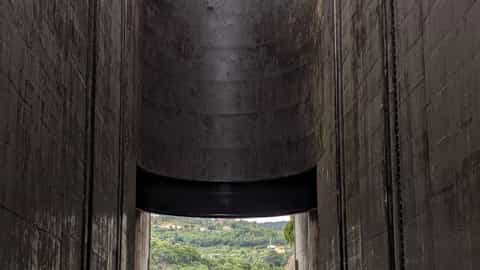
Vila Nova de Gaia and Porto are adjacent across the river; many river cruises actually dock in Gaia. The Douro has several locks, and river vessels are small—typically under 150 passengers. Ocean cruise ports in Portugal include Lisbon, Funchal, Leixões for Porto, and sometimes Faro or Portimão.
All cruise ports in Portugal
Ships visiting by type: 129 ocean 24 river 14 expedition
Showing 26 ports in Portugal

















River cruises & routes
Douro river cruises run between Porto and the Spanish border, with a motorcoach excursion to Salamanca. The river winds through terraced vineyards, schist villages, and quintas, with several locks along the way. Ships are smaller than on the Rhine or Danube, giving a more personal and unhurried experience.
| Route | Length | Countries | Highlights |
|---|---|---|---|
| Classic Douro River Cruise | 7 or 8 days | Portugal and Spain (Salamanca excursion) | Porto, Régua, Pinhão, Barca d'Alva, vineyard visits, port wine tastings, Salamanca |
| Portugal & Spain River Cruise | 10 or 11 days | Portugal and Spain | Lisbon, Coimbra, Porto, Douro Valley, Salamanca, sometimes Vega de Terrón |
| Atlantic and Douro Voyage | 12 to 14 days | Portugal | Lisbon, Porto, Douro River, possibly Madeira and the Algarve on ocean-cruise combinations |
Season: River cruising runs roughly March through November. The prime months are April–June and September–October, when temperatures are pleasant and the vineyards are green or turning autumn gold. July–August can be hot; November–March has fewer departures and cooler, rainier weather.
Cruise lines visiting Portugal
The Douro is served by a focused group of river cruise lines, all operating small ships. Ocean cruise lines use Lisbon and Funchal as Atlantic ports. Compared with the Rhine or Danube, the Douro market feels more intimate and less crowded.
Uniworld Boutique River Cruise Collection
All-inclusive Douro river cruises
Ships: S.S. São Gabriel
Tauck
Small-ship Douro river cruises with included excursions
Ships: Andorinha
Scenic
Luxury all-inclusive Douro river cruises
Ships: Scenic Azure
CroisiEurope
Value-focused Douro cruises, often with meals and excursions included
Ships: MS Infante Dom Henrique
Regent Seven Seas Cruises
Ocean cruises calling at Lisbon and Funchal
Silversea
Luxury ocean cruises including Iberian Atlantic ports
Celebrity Cruises
Ocean cruises from Lisbon and other European ports, with Portuguese calls
Holland America Line
Atlantic itineraries including Lisbon and Madeira
River ship capacities are roughly 100–160 passengers; the Douro is not a mega-ship river. Ocean cruise lines listed here are not part of the river master list but appear in per-port ocean entries. Book river departures early for April–June and September–October.
Planning & advice
For a milestone traveler who wants depth without being herded, Portugal is an ideal match. The Douro is small, scenic, and wine-focused; Lisbon and Porto are walkable and safe; and the country's scale is manageable. You can experience a UNESCO wine landscape, world-class art and architecture, and warm Atlantic culture without the intensity of larger European capitals.
For the American traveller
- Portugal is generally safe, but pickpocketing happens in crowded tram and train areas in Lisbon and Porto.
- Don't overpack; Douro river ships have smaller staterooms than ocean liners.
- Use cruise line pre/post hotel extensions, but add at least one free day in Lisbon or Porto on your own.
- Check whether port wine tastings are included in your cruise fare; quality varies.
- Expect steep hills and cobblestones; request accessible excursions if you need them.
- ATMs are common; carry small euro notes for cafés, tips, and markets.
Excursion planning
- In Porto, visit São Bento Station early in the morning before the crowds arrive.
- On the Douro, choose a quinta visit with a local host rather than a generic bus tour if available.
- From Barca d'Alva, Salamanca is a long day but worth it; book through the cruise line to avoid border logistics.
- In Lisbon, skip the often-crowded Tram 28 and walk Alfama or take an electric tuk-tuk for a more relaxed pace.
- Make Sintra a separate full day; combining it with Cascais can feel rushed.
- Travel in May, June, or September for the best balance of weather, daylight, and fewer crowds.
The verdict
Strongly recommended for mature, culturally curious travelers. Choose a small Douro river ship, travel in shoulder season, and balance included excursions with independent time in Lisbon and Porto for a rich, unhurried milestone trip.
Sources
- CIA World Factbook — Portugal (accessed 2026-09-09)
- Encyclopaedia Britannica — Portugal (accessed 2026-09-09)
- Visit Portugal — Official Tourism Website (accessed 2026-09-09)
- UNESCO World Heritage Centre — Alto Douro Wine Region (accessed 2026-09-09)