Puerto Rico Cruise Ports & Cruise Guide
Total 3
This page is an overview of the 3 cruise ports in Puerto Rico, covering ocean cruises. Cruises start and end at San Juan. 89 cruise ships visit Puerto Rico across 3 ports. See live sailings and availability on the Puerto Rico cruises page.
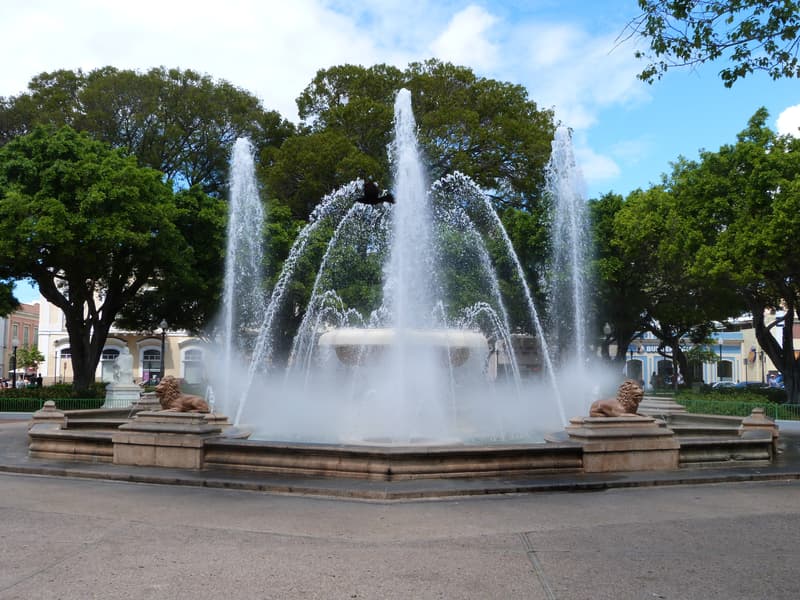
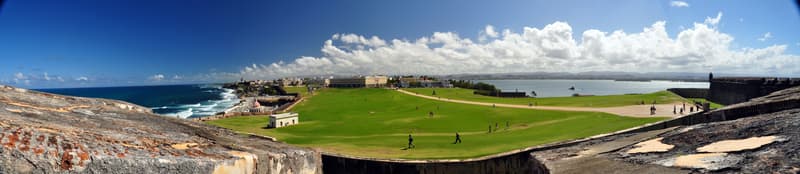

Puerto Rico offers the familiar ease of a U.S. territory—dollars, no passport, U.S. air traffic control—with a Caribbean pulse that feels genuinely foreign. For the traveler who wants milestone scenery without being herded, the sweet spot is a small ship that uses San Juan as a true homeport and spends time on the island's less crowded coasts and offshore cays.
Country facts
History
Puerto Rico's history is a convergence of Taíno, Spanish, African, and North American forces. From a Spanish colonial stronghold to a U.S. territory with unresolved status debates, the island has maintained a distinct Boricua identity.
The island's relationship with the United States remains contested; many Puerto Ricans favor statehood, independence, or enhanced commonwealth status. Visitors should not mistake the island's U.S. conveniences for the whole story.
Culture
Boricua identity blends Taíno, Spanish, African, and mainland U.S. influences; pride in family, music, food, and community is strong.
Music: Bomba, plena, salsa, and reggaetón; live bomba can be heard in Loíza and at La Placita in San Juan.
Signature landscape: El Yunque National Forest and the island's bioluminescent bays, especially Mosquito Bay in Vieques and Laguna Grande in Fajardo.
Cuisine
- Mofongo
- Tostones
- Pernil
- Arroz con gandules
- Lechón
- Alcapurrias
- Bacalaitos
- Piña colada
- Puerto Rican rum
- Café
Architecture & heritage
- 16th-century fortifications and city walls of Old San Juan
- Ponce's historic district and Creole neoclassical buildings
- Coffee haciendas and inland plantation towns
- Art Deco architecture in Condado and Santurce
- Lighthouses and coastal defense structures along the island
Tips for American travellers
- No passport required for U.S. citizens on direct flights from the mainland; carry a valid photo ID and consider a passport for cruises that visit foreign ports.
- English is widely spoken in tourist areas, but Spanish opens doors; learn 'gracias' and 'buen provecho'.
- U.S. dollars and credit cards work almost everywhere; carry cash for small kiosks and farmers' markets.
- Driving is possible but can be challenging; use Waze, obey speed bumps, and avoid aggressive drivers.
- Hurricane season runs June through November; travel insurance is recommended.
- Tap water is potable in San Juan, though many visitors prefer bottled water elsewhere.
Major cities & destinations
San Juan Capital and cruise hub
Layered colonial history, world-class restaurants, and vibrant nightlife within walking distance of the piers.
The primary Caribbean homeport and overnight port in Puerto Rico; most cruise calls dock in San Juan Bay.
Castillo San Felipe del Morro Castillo San Cristóbal La Fortaleza Paseo de la Princesa Catedral de San Juan Bautista Calle Fortaleza Plaza de ArmasPonce Southern port city
Puerto Rico's 'Pearl of the South' has a beautifully preserved historic district, a world-class art museum, and a quieter coastal character.
An occasional port of call for small-ship and luxury lines; the pier is in Playa de Ponce, a short drive from the historic plaza.
Plaza Las Delicias Parque de Bombas Catedral de Nuestra Señora de Guadalupe Museo de Arte de Ponce Casa Wiechers-Villaronga Hacienda Buena Vista Paseo Tablado La GuanchaFajardo Northeast coastal gateway
The launch point for Puerto Rico's offshore islands, mangrove channels, and one of the world's brightest bioluminescent bays.
Not a traditional cruise terminal, but a frequent tender/excursion stop from San Juan and a base for small-ship expedition days.
Las Cabezas de San Juan Nature Reserve Laguna Grande Seven Seas Beach Icacos Cay Fajardo Ferry TerminalCulebra Offshore island municipality
Powder-sand beaches, reef-protected snorkeling, and a low-key pace; Flamenco Beach is repeatedly named among the world's best.
Small-ship anchorages and excursion boats from Fajardo reach Culebra; there is no commercial cruise pier.
Playa Flamenco Culebrita Island Tamarindo Beach Dewey town Culebra National Wildlife RefugeVieques Offshore island municipality
Wild horses, black-sand beaches, and the most spectacular bioluminescent bay in the world—Mosquito Bay.
Usually reached by ferry or excursion from Fajardo; small-ship operators sometimes include it as a wilderness stop.
Mosquito Bioluminescent Bay Playa Negra Fortín Conde de Mirasol Museum Punta Mulas Lighthouse Vieques National Wildlife RefugeMayagüez Western commercial city
A lively university town and gateway to the west coast's cliffs, mangroves, and coffee country.
No regular cruise terminal; an occasional expedition port or overland destination for west-coast excursions.
Plaza Colón Teatro Yagüez Catedral Nuestra Señora de la Candelaria University of Puerto Rico Mayagüez campus Boquerón Bay (nearby)Cruise ports of call
San Juan is the island's cruise anchor—one of the largest homeports in the Caribbean—while Ponce and Fajardo offer small-ship alternatives. The result is a destination that works both for big-ship passengers who want a convenient embarkation point and for travelers who want to skip the herd.
- Eastern Caribbean & Spanish Main: San Juan to the U.S. and British Virgin Islands, sometimes as far south as Aruba, Curaçao, and the Spanish Main coast.
- Greater Antilles & Western Caribbean: San Juan to the Dominican Republic, Haiti, Jamaica, Grand Cayman, and sometimes Cuba, often with one or two Puerto Rico calls.
San Juan Both route families
Ships dock in Old San Juan at Piers 1–4 or at the Pan American Pier across the bay. The old city is walkable and safe by day; at night it fills with restaurant music and local life. Large-ship homeport departures are busy, but small-ship overnights let you see the forts at sunrise and the plazas after the day-trippers leave.
Best for: First-time visitors, colonial history, food, nightlife, and easy logistics.
Operators: Windstar Cruises, Sea Cloud Cruises, Azamara, Oceania Cruises, Regent Seven Seas Cruises, Viking, Celebrity Cruises, Royal Caribbean International, Norwegian Cruise Line, Carnival Cruise Line, Holland America Line
Ponce Route family one
The port at Playa de Ponce is a working port; a short drive takes you to one of the Caribbean's most elegant city centers. Ponce feels different from San Juan—slower, more patrician, with a strong Creole architectural identity.
Best for: Art museums, historic plazas, coffee culture, and avoiding crowds.
Operators: Windstar Cruises, Sea Cloud Cruises, Azamara, Oceania Cruises, Regent Seven Seas Cruises
Fajardo Route family one
No cruise terminal, but a frequent small-ship anchor or excursion destination from San Juan. It is the most practical base for the Spanish Virgin Islands and the bioluminescent bay.
Best for: Bioluminescence, offshore cays, snorkeling, and nature.
Operators: Windstar Cruises, Sea Cloud Cruises, Azamara
Mayagüez has a commercial pier but no scheduled cruise calls; some expedition yachts may clear customs there. The island's offshore municipalities, Culebra and Vieques, are reached by ferry from Fajardo or by ship's tender, not by a fixed cruise port.
All cruise ports in Puerto Rico
Ships visiting by type: 89 ocean
Showing 3 ports in Puerto Rico


River cruises & routes
Puerto Rico is not a river-cruise destination; there are no navigable river routes. The equivalent for small-ship travelers is coastal/expedition cruising around the island and the Spanish Virgin Islands, with overnight anchorages and nature-focused shore days.
| Route | Length | Countries | Highlights |
|---|---|---|---|
| San Juan–Spanish Virgin Islands small-ship loop | 5–7 nights | Puerto Rico (U.S.) and U.S. Virgin Islands | Old San Juan, Fajardo, Culebra, Vieques, St. Thomas |
| Greater Antilles island loop (sea cruise, not river) | 10–14 nights | Puerto Rico, Dominican Republic, Jamaica, Cayman Islands | San Juan, Samaná, Port Antonio, Grand Cayman |
Season: High season December through April; hurricane season June through November, with September historically quietest for cruising. Small-ship operators often run winter departures from San Juan.
Cruise lines visiting Puerto Rico
San Juan is a year-round cruise hub for the Eastern and Southern Caribbean, plus the Greater Antilles. Most large lines use it as a homeport; smaller luxury and expedition lines use it as an overnight cultural call.
Windstar Cruises
Small-ship, yachting-style Caribbean; San Juan round-trips and island-intensive segments
Ships: Wind Surf (representative; check current deployment)
Sea Cloud Cruises
Traditional tall-ship sailing; occasional Puerto Rico calls on trans-Caribbean routes
Ships: Sea Cloud (representative; check current deployment)
Azamara
Destination-intensive; overnights in San Juan; occasional Ponce and Fajardo calls
Ships: Azamara Quest (representative; check current deployment)
Oceania Cruises
Mid-size; Caribbean and Panama Canal itineraries with San Juan calls
Ships: Marina (representative; check current deployment)
Regent Seven Seas Cruises
All-inclusive luxury; San Juan calls on Caribbean voyages
Ships: Seven Seas Mariner (representative; check current deployment)
Viking
Small-ship ocean cruises; Caribbean itineraries with San Juan
Ships: Viking Star (representative; check current deployment)
Celebrity Cruises
Premium; San Juan homeport and Southern Caribbean routes
Ships: Celebrity Summit (representative; check current deployment)
Royal Caribbean International
San Juan homeport and Southern Caribbean routes
Ships: Serenade of the Seas (representative; check current deployment)
Norwegian Cruise Line
San Juan winter homeport; Eastern and Southern Caribbean
Ships: Norwegian Gem (representative; check current deployment)
Carnival Cruise Line
Large-ship Caribbean; San Juan calls and departures
Ships: Carnival Magic (representative; check current deployment)
Holland America Line
Panama Canal and Caribbean; San Juan calls on longer voyages
Ships: Eurodam (representative; check current deployment)
Port operators, ships, and homeport assignments change with the season; use official cruise line schedules and a travel advisor for current pier and deployment details.
Planning & advice
This is a milestone trip with low logistical friction: U.S. dollars, no passport, direct flights, and a deep culture that rewards independent exploration. A small-ship itinerary lets you sleep in Old San Juan, wake at El Morro, and reach the less-commercial south and offshore islands before the crowds.
For the American traveller
- Choose ships with overnight calls in San Juan so you can see El Morro at sunrise and hear bomba after dark.
- Skip mega-ship shore excursions; hire a licensed local guide for a private Old San Juan walk.
- If you want Culebra or Vieques, look for small-ship itineraries that use anchorages instead of crowded ferries.
- Don't overplan; leave time to sit in a plaza with a piña colada and watch the city move.
- Pack a light rain jacket and sun protection; Caribbean weather can change quickly.
- For milestone travelers, a small ship with fewer than 400 guests is the best way to avoid the herded feeling.
Excursion planning
- For El Yunque, reserve timed entry and arrive before 8 a.m. to beat tour buses.
- For bioluminescent bays, book a night with minimal moon glow; new-moon weeks are best.
- Ponce's Museo de Arte de Ponce has limited hours; verify days before planning a visit.
- Use official Discover Puerto Rico and NPS sources for permits, especially for Mona Island and wildlife refuges.
- If you want a private guide in Old San Juan, book directly with a licensed tour company rather than through the ship.
- Many beaches do not have lifeguards; swim at guarded beaches or check local conditions.
The verdict
Puerto Rico is an ideal balance of familiar and foreign for the American traveler who wants Caribbean color, credible history, and no herd. Choose a small-ship itinerary with overnights in San Juan and a southern or offshore call, and you'll feel like an explorer rather than a passenger.
Sources
- Discover Puerto Rico — Official Tourism Website (accessed 2026-09-09)
- Encyclopaedia Britannica — Puerto Rico (accessed 2026-09-09)
- CIA — Puerto Rico - The World Factbook (accessed 2026-09-09)
- National Park Service — San Juan National Historic Site (accessed 2026-09-09)
- USDA Forest Service — El Yunque National Forest (accessed 2026-09-09)