Romania Cruise Ports & Cruise Guide
Total 9
- București
This page is an overview of the 9 cruise ports in Romania, covering river cruises. Cruises start and end at Giurgiu, Constanţa, Olteniţa. 39 cruise ships visit Romania across 9 ports. See live sailings and availability on the Romania cruises page.


Romania is a Danube destination of dramatic contrasts: the grand, complicated capital of Bucharest, Roman ruins at the Iron Gates, and Europe’s wildest river delta at Tulcea. River cruises along the Lower Danube deliver the essentials—comfort, logistics, and spectacular scenery—but travelers should plan land time in Transylvania to see fortified churches, Saxon towns, and the Carpathians. The best experience is small-group, unhurried, and layered with local guides.
Country facts
History
Romania’s identity was forged at the crossroads of Latin, Byzantine, Ottoman, and Austro-Hungarian worlds. From Dacian kingdoms and Roman colonization to the rise of medieval principalities, national unification, communism, and EU membership, the country’s past is both proud and painful.
Cruise marketing often leans on Dracula and communist kitsch, but real Romania is more layered—Latin, Orthodox, rural, and modern. River cruises only show the southern Danube border; Transylvania, Maramureș, and Bucovina require a separate land journey.
Culture
A Latin-speaking island in a Slavic sea; Orthodox Christian, rural-rooted, and proud of survival through empires. Romanians are famously hospitable and place a high value on place, food, and family.
Music: Traditional doina and lively lautărească ensemble music, with classical works by George Enescu; folk dances such as călușul are inscribed on UNESCO lists.
Signature landscape: The Danube Delta—a vast maze of channels, lakes, reed beds, and forests that is Europe’s largest remaining natural wetland and a UNESCO Biosphere Reserve.
Cuisine
- sarmale (cabbage rolls with pork and polenta)
- mămăligă (traditional cornmeal polenta)
- ciorbă de burtă or ciorbă de legume (sour soups)
- mici (grilled minced meat rolls)
- papanasi (fried doughnuts with sour cream and jam)
- țuică and palincă (plum brandy)
- Romanian wines such as Fetească Neagră and Fetească Albă
Architecture & heritage
- Wooden churches of Maramureș (UNESCO)
- Painted monasteries of Bucovina (UNESCO)
- Fortified Saxon churches in Transylvania (UNESCO)
- Historic center of Sighișoara (UNESCO)
- Brancovan and Neo-Romanian architecture in Bucharest
- Danube Delta Biosphere Reserve (UNESCO)
Tips for American travellers
- No visa is required for U.S. citizens for stays under 90 days in Romania/Schengen area; passports should be valid for at least 3 months beyond departure.
- EU emergency number 112 works throughout Romania; medical care is good in cities, but carry your own medications and travel health insurance.
- The Romanian leu is the currency; euros are not generally accepted. ATMs are plentiful in cities but rare in delta villages.
- English is widely spoken by younger Romanians and in tourism, but a few phrases in Romanian will be appreciated.
- Traffic in Bucharest is chaotic; use licensed app-based taxis rather than hailing cabs on the street.
- Tap water is safe in cities but often tastes mineral-heavy; bottled water is common.
- Dress modestly in Orthodox churches and monasteries, and follow photography rules.
- Do not assume Dracula tourism is serious history; a local guide will offer a much richer story.
Major cities & destinations
Bucharest Capital city
Belle Époque boulevards, the colossal Palace of the Parliament, lively Old Town, and excellent museums make Bucharest Romania’s most complex urban experience.
Not on the Danube; most river cruises dock at Giurgiu or Oltenița and transfer 60 to 90 minutes to Bucharest for excursions or embarkation.
Palace of the Parliament Romanian Athenaeum Old Town (Lipscani) National Village Museum Herăstrău Park Cărturești Carusel bookstoreBrașov Historic city in Transylvania
Medieval Saxon charm with the Gothic Black Church, Council Square, and mountain backdrop; ideal base for Bran Castle and the Bucegi Mountains.
Land extension; no direct river access. Often combined with Bucharest or Sibiu before or after a cruise.
Council Square (Piața Sfatului) Black Church (Biserica Neagră) Strada Sforii, one of Europe’s narrowest streets Tâmpa Hill viewpoint Bran Castle, about 30 km awaySibiu Historic city in Transylvania
2007 European Capital of Culture; graceful squares, Brukenthal art collection, and a walkable medieval center with distinctive attic windows.
Land extension; reachable by rail or car from Bucharest or Cluj-Napoca; not a Danube port.
Large Square (Piața Mare) Small Square and Liar’s Bridge Brukenthal National Museum The Stairs Passage and Lower Town Council TowerSighișoara UNESCO World Heritage fortified town
One of Europe’s best-preserved medieval citadels, with cobbled lanes, colorful houses, and the birthplace of Vlad Țepeș.
Land extension; usually reached by car or train from Brașov or Cluj-Napoca; not on the Danube.
Clock Tower and History Museum Citadel walls and nine towers Vlad Dracul House Church on the Hill Scholarii StairsCluj-Napoca University city
Romania’s unofficial Transylvanian capital: vibrant cafe culture, baroque St. Michael’s Church, and easy access to the Apuseni Mountains.
Secondary air gateway; land extension; no river port.
St. Michael’s Church Unirii Square Banffy Palace Central Park and Casino Cetățuia Hill viewpointConstanța Black Sea port city
Ancient Greek and Roman Tomis, archaeological mosaics, a grand casino, and the beginning of Romania’s seaside culture.
Black Sea port of call for ocean and larger expedition ships; sometimes offered as a post-cruise extension from Tulcea.
Roman Mosaic Edifice National History and Archaeology Museum Constanța Casino Genoese Lighthouse Mamaia Beach and promenadeTulcea Danube Delta gateway town
Launch point for the Danube Delta Biosphere Reserve—a labyrinth of channels, lakes, and Europe’s best birdlife.
Home port or embarkation point for delta expedition boats; larger river ships may anchor offshore and transfer passengers to smaller vessels.
Danube Delta Museum St. Nicholas Church Tulcea Art Museum Monument of Independence Danube Delta boat trips to Mila 23 and Letea ForestGiurgiu Danube river port
A working Romanian river port and the most frequent access point to Bucharest for Lower Danube cruises; modest town with fortress heritage.
Primary docking point for Bucharest excursions; expect coach transfer of about 60 to 90 minutes each way.
Giurgiu Clock Tower Giurgiu Fortress ruins Danube promenade Bucharest day-trip sites including Palace of the Parliament and Old TownDrobeta-Turnu Severin Danube port town
Ancient Roman frontier history, including the remains of Trajan’s Bridge and the dramatic Iron Gates region.
Port of call for ships transiting the Iron Gates; often an afternoon stop or scenic cruising point.
Trajan’s Bridge remains Iron Gates Museum Water Castle Drobeta Roman camp Cazanele Dunării viewpoint nearbyOrșova Small Danube resort town
Tucked between the Banat hills and the Danube, with a marina and the sculptural Mraconia Monastery nearby.
Frequent scenic cruising point in the Iron Gates; some itineraries make a technical stop or launch small-boat excursions.
Mraconia Monastery Cazanele Dunării (Danube Gorges) Iron Gates hydroelectric project view Orșova marina and promenadeDanube Delta Natural region (UNESCO Biosphere Reserve)
Europe’s second-largest river delta, home to more than 300 bird species, wild horses, and floating reed beds—an otherworldly natural escape.
Destination of small-ship and expedition cruises; access via Tulcea; large cruise ships do not navigate the shallow channels.
Letea Forest Mila 23 village Caraorman village Sulina channel and lighthouse Lake Baclănești and bird hidesCruise ports of call
Romania’s Danube border is short in distance but rich in stops: the Iron Gates in the west, the Bucharest gateway at Giurgiu, and the Danube Delta in the east. Most river cruises include two to three Romanian port calls; expedition ships add Tulcea and Constanța.
- Lower Danube between Budapest and Bucharest—passes through the Iron Gates and stops at Giurgiu for Bucharest
- Danube Delta and Black Sea expedition—Tulcea to Constanța or Sulina with nature-focused small ships
Giurgiu Lower Danube
The standard Romanian docking point for Lower Danube cruises. The ship is not in central Bucharest; passengers take a comfortable coach transfer through the flat Wallachian plain.
Best for: Bucharest city tours, Palace of the Parliament, Village Museum, and Romanian history
Operators: AmaWaterways, Avalon Waterways, Viking, Uniworld, Emerald Cruises, Scenic, CroisiEurope, Riverside Luxury Cruises
Drobeta-Turnu Severin Lower Danube
A historic port at the eastern end of the Iron Gates. The town preserves traces of Trajan’s Bridge, once the longest arch bridge in the Roman world.
Best for: Roman frontier history, Iron Gates scenic cruising, local market life
Operators: AmaWaterways, Avalon Waterways, Viking, Uniworld, Emerald Cruises, Scenic, CroisiEurope, Riverside Luxury Cruises
Orșova Lower Danube
A small resort town on the Danube upstream from the Iron Gates dams. Ships may anchor mid-river and use tenders for excursions.
Best for: Cazanele Dunării gorges, Mraconia Monastery, close-up views of the Iron Gates
Operators: AmaWaterways, Avalon Waterways, Viking, Uniworld, Emerald Cruises, Scenic, CroisiEurope, Riverside Luxury Cruises
Tulcea Danube Delta and Black Sea
The gateway to the Danube Delta. Ships dock along the riverfront, and passengers transfer to covered shallow-draft boats for delta exploration.
Best for: Birdwatching, Danube Delta safaris, traditional Lipovan villages, wild landscapes
Operators: AmaWaterways, Avalon Waterways, Viking, Uniworld, Emerald Cruises, Scenic, CroisiEurope
Constanța Danube Delta and Black Sea
Romania’s main Black Sea port and the site of ancient Tomis. Used more often by ocean cruises than by river ships, but appears on Black Sea extension itineraries.
Best for: Roman archaeology, Black Sea promenade, Constanța Casino, Mamaia beach
Operators: AmaWaterways, Avalon Waterways, Emerald Cruises, Scenic, CroisiEurope
Giurgiu and Oltenița are the two working Lower Danube ports for Bucharest; Tulcea is the hub for the delta. Constanța is a Black Sea port used on ocean itineraries or special river-sea combinations. Docking changes due to water levels are common, so flexible planning is essential.
All cruise ports in Romania
Ships visiting by type: 39 river
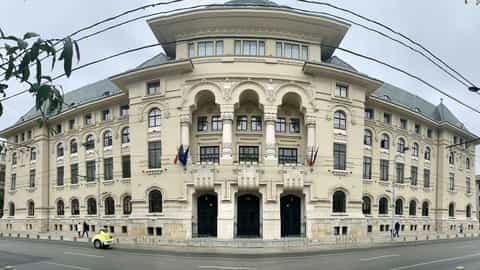
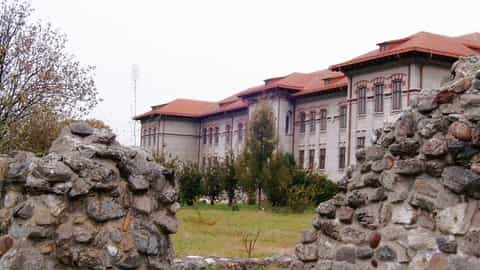
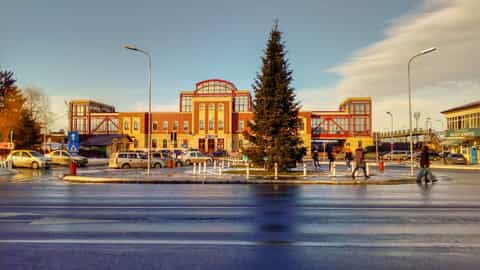
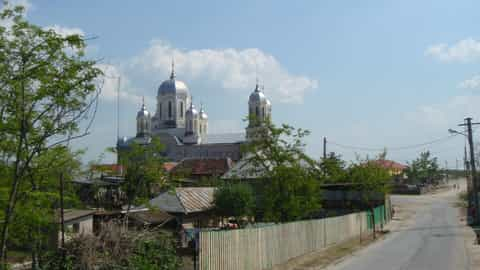
Showing 9 ports in Romania






River cruises & routes
Romania is served almost entirely by the Danube River, not its tributaries. The main routing options are the Budapest-to-Bucharest Lower Danube line and the Danube Delta/Black Sea expedition. Most cruises run east or west along the river; Transylvania is reached by land.
| Route | Length | Countries | Highlights |
|---|---|---|---|
| Budapest to Bucharest (Lower Danube) | 8 days | Hungary, Croatia, Serbia, Bulgaria, Romania | Budapest, Belgrade, Iron Gates, Giurgiu/Bucharest, optional Transylvania extension |
| Bucharest to Budapest (reverse) | 8 days | Romania, Bulgaria, Serbia, Croatia, Hungary | Bucharest, Giurgiu, Iron Gates, Belgrade, Budapest |
| Danube Delta and Black Sea Discovery | 8 days | Romania, Bulgaria | Bucharest, Giurgiu, Danube Delta, Tulcea, Constanța, optional Black Sea beaches |
Season: April-June and September-October are the best months; July and August can be hot and busy on the Danube. Some itineraries operate in March and November, with a greater chance of variable water levels.
Cruise lines visiting Romania
All major European river lines include Romania on Lower Danube itineraries, usually as one or two port calls rather than a dedicated Romania cruise. Small-ship operators add the Danube Delta. Choose a line whose shore excursions are small-group by default if you dislike crowds.
AmaWaterways
Lower Danube between Budapest and Bucharest; occasional Romania-focused itineraries with optional Transylvania land packages
Ships: AmaCerto, AmaVerde, AmaSonata
Avalon Waterways
Budapest-Bucharest Lower Danube cruises with included Bucharest shore excursions
Ships: Avalon Passion, Avalon Impression, Avalon View
Viking
Lower Danube sailings between Budapest and Bucharest; most include Giurgiu and the Iron Gates
Ships: Viking Sigyn, Viking Skadi, Viking Jarl
Uniworld
Budapest-Bucharest and Bucharest-Budapest itineraries with all-inclusive excursions
Ships: S.S. Beatrice, River Duchess
Emerald Cruises
Lower Danube and occasional Danube Delta sailings
Ships: Emerald Sun, Emerald Star, Emerald Dawn
Scenic
Luxury Budapest-Bucharest cruises with private excursion options
Ships: Scenic Ruby, Scenic Amber, Scenic Jasper
CroisiEurope
Value-oriented Lower Danube and Black Sea itineraries, including the Danube Delta
Ships: MS Beethoven, MS L'Europe, MS Girondine
Riverside Luxury Cruises
Upscale all-inclusive Danube sailings with Bucharest and Iron Gates calls
Ships: Riverside Mozart, Riverside Debussy
All major river lines use essentially the same Danube waterway; the differences are in included shore excursions, group sizes, dining, and pre/post hotel packages. If you dislike crowds, ask for small-group or private excursion upgrades, sail in shoulder season, and avoid ships carrying 180 or more passengers if possible.
Planning & advice
Romania offers the scale and comfort of European river cruising without the tourist saturation of the Rhine or Seine. For a traveler marking a milestone, the mix of ancient Roman ruins, medieval towns, wild delta landscapes, and warm hospitality is intellectually stimulating and emotionally resonant. Because the country remains less familiar to Americans, you will feel like an explorer rather than a spectator—if you choose small-group excursions and an independent pre/post stay.
For the American traveller
- No visa is required for U.S. citizens for stays under 90 days in Romania/Schengen area; passports should be valid for at least 3 months beyond departure.
- EU emergency number 112 works throughout Romania; medical care is good in cities, but carry your own medications and travel health insurance.
- The Romanian leu is the currency; euros are not generally accepted. ATMs are plentiful in cities but rare in delta villages.
- English is widely spoken by younger Romanians and in tourism, but a few phrases in Romanian will be appreciated.
- Traffic in Bucharest is chaotic; use licensed app-based taxis rather than hailing cabs on the street.
- Tap water is safe in cities but often tastes mineral-heavy; bottled water is common.
- Dress modestly in Orthodox churches and monasteries, and follow photography rules.
- Do not assume Dracula tourism is serious history; a local guide will offer a much richer story.
Excursion planning
- Book Palace of the Parliament tickets in advance; a passport is required for entry.
- If docking at Giurgiu, choose a small-group Bucharest tour rather than a full coach of 40 or more; request a licensed guide.
- For Danube Delta trips, bring binoculars, sun protection, and insect repellent; early morning light is best.
- Wear comfortable, non-slip walking shoes for cobbled Transylvania towns; many streets are steep.
- In the Iron Gates, stay on deck for scenic cruising; it is one of the most dramatic river stretches in Europe.
- Allow at least three or four days before or after a cruise to see Brașov, Sibiu, and Sighișoara by land; do not expect a river ship to take you there.
- Consider private transfers between Bucharest and Transylvania; trains can be slow but scenic.
The verdict
A memorable, slightly edgy European river destination for curious travelers who value authenticity over polish. Take the Danube cruise for comfort and access to Bucharest and the Iron Gates, then add a land extension to Transylvania to see the Romania that the river alone cannot show.
Sources
- CIA World Factbook — Romania (accessed 2026-09-09)
- Encyclopaedia Britannica — Romania (accessed 2026-09-09)
- UNESCO World Heritage Centre — Romania - Properties inscribed on the World Heritage List (accessed 2026-09-09)
- Romania Tourism — Official Travel and Tourism Information (accessed 2026-09-09)
- AmaWaterways — Danube River Cruises (accessed 2026-09-09)
- Avalon Waterways — Romania River Cruises (accessed 2026-09-09)