Sri Lanka Cruise Ports & Cruise Guide
Total 4
- Western Province
This page is an overview of the 4 cruise ports in Sri Lanka, covering ocean cruises. Cruises start and end at Colombo, Hambantota, Galle. 15 cruise ships visit Sri Lanka across 4 ports. See live sailings and availability on the Sri Lanka cruises page.


Sri Lanka is a compact, story-rich island that rewards travelers who want depth over crowds. Small luxury and expedition ships call at Colombo, Galle, Trincomalee, Hambantota and occasionally Jaffna, while the interior offers Kandy, tea country, wildlife parks and ancient Buddhist cities. For the American traveler, it is an ideal milestone destination: manageable scale, warm hospitality, layered history and enough independence to avoid feeling herded.
Country facts
History
Sri Lanka's recorded history spans more than 2,500 years, shaped by Buddhism, Tamil kingdoms, colonial powers and the Indian Ocean trade. Independence in 1948 was followed by a long civil conflict, the 2004 tsunami and a 2022 economic crisis; the country remains a resilient and culturally rich destination.
Visitors should be aware of the recent economic crisis and lingering infrastructure issues. Attractions are open, but occasional fuel shortages, queuing and variable service standards are possible. Sri Lanka remains safe for travelers who exercise normal caution and keep flexible plans.
Culture
A multi-ethnic island nation with Sinhalese, Tamil, Muslim and Burgher communities; Buddhism is central but Hindu, Islamic and Christian traditions are visible everywhere.
Music: Baila (Portuguese-influenced dance music), classical Kandyan drumming and Tamil devotional music are the main traditions; modern pop and film music blend South Indian styles.
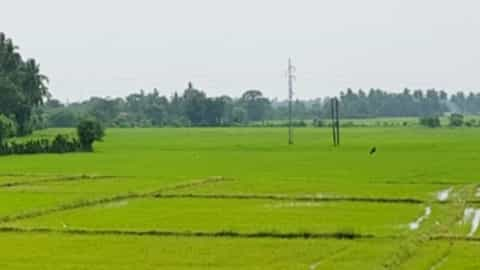
Signature landscape: The island's central highlands, where emerald tea plantations cling to misty ridges, and the southern coast's palm-fringed beaches backed by fishing villages.
Cuisine
- Rice and curry
- Hoppers (appa)
- String hoppers
- Kottu roti
- Lamprais
- Seafood ambul thiyal
- Ceylon black tea
Architecture & heritage
- Buddhist stupas of Anuradhapura and Polonnaruwa
- Dutch ramparts and warehouses in Galle Fort
- Temple of the Sacred Tooth Relic, Kandy
- Colonial-era tea planters' bungalows in the Hill Country
- Dravidian temple towers of Jaffna
Tips for American travellers
- Dress modestly and remove shoes before entering Buddhist and Hindu temples.
- Use ride-hailing apps or hotel-arranged cars rather than hailing tuk-tuks on the street.
- Carry cash in small denominations; cards are accepted in cities but not in rural areas.
- Drink bottled or filtered water and avoid ice from street vendors.
- Alcohol is not sold on full moon Poya days, and some attractions close.
- Ask permission before photographing people, especially at religious sites.
- Do not touch or sit beside Buddha statues; always photograph Buddha respectfully.
- Allow extra time for traffic in Colombo and for airline security queues at CMB.
Major cities & destinations
Colombo Commercial capital
The commercial capital and arrival point, with a lively mix of colonial buildings, temples, markets and a modern skyline.
Primary embarkation and turnaround port; cruise terminal adjacent to Colombo Port; overland tours depart from here.
Galle Face Green Gangaramaya Temple Pettah Market National Museum of Colombo Viharamahadevi Park Lotus TowerGalle Historic fortified port
A living UNESCO-listed Dutch walled city on the southwest coast, with ramparts, boutique villas and Indian Ocean views.
Most scenic port of call; ships often anchor in the natural harbour with tenders to the Old Town; access to south coast beaches and tea country.
Galle Fort Galle Lighthouse Dutch Reformed Church National Maritime Museum Meeran Jumma Mosque Unawatuna BeachKandy Inland cultural capital
Sacred city in the central highlands, home to the Temple of the Sacred Tooth Relic and surrounded by hills and tea plantations.
Overland destination for cruise passengers from Colombo, Galle or Trincomalee; not a port.
Temple of the Sacred Tooth Relic Kandy Lake Royal Botanical Gardens, Peradeniya Bahiravokanda Vihara Buddha statue Kandyan arts and crafts centreTrincomalee Eastern port city
Deep-water harbour on the east coast with fine beaches, Hindu temples and wartime fortifications.
Port call for Bay of Bengal and circumnavigation itineraries; allows access to the under-visited east coast.
Fort Fredrick Koneswaram Kovil Nilaveli Beach Pigeon Island National Park Kanniya Hot Springs Marble BeachJaffna Northern cultural capital
Centre of Tamil culture in the far north, with colorful kovils, colonial forts and islands connected by causeways.
Emerging port via Kankesanthurai, a short drive from Jaffna town; used by small expedition ships on circumnavigation routes.
Nallur Kandaswamy Kovil Jaffna Public Library Jaffna Fort Casuarina Beach Nainativu IslandHambantota Southern deep-water port
Deep-water port on the arid southeast coast; gateway to Yala National Park, ancient temples and empty beaches.
Newer cruise port used for southern safari itineraries and circumnavigation; docking at Magampura Mahinda Rajapaksa Port.
Yala National Park Bundala National Park Tissamaharama Stupa Kataragama Temple Tangalle BeachNegombo Airport gateway beach town
A historic fishing port and beach town close to the airport, with a Dutch canal and lively fish market.
Not usually a cruise port but a common pre/post-cruise extension and transfer stop near Bandaranaike International Airport.
Negombo Fish Market Dutch Fort St. Mary's Church Dutch Canal Negombo LagoonCruise ports of call
Sri Lanka is an island rather than a river destination, so cruise calls happen at ocean ports. The main commercial cruise ports are Colombo, Galle, Trincomalee, Hambantota and Kankesanthurai (for Jaffna). Most ships use Colombo as a turnaround or transit hub, while smaller expedition vessels add the northern and eastern ports.
- Indian Ocean & Arabian Sea - calls at Colombo, Galle and sometimes Hambantota on voyages between the Middle East, India, the Maldives and Africa.
- Bay of Bengal & Circumnavigation - calls at Colombo, Hambantota, Trincomalee and Kankesanthurai on routes around Sri Lanka or between India and Southeast Asia.
Colombo Indian Ocean & Arabian Sea
Cruise ships berth at the Colombo Port complex or anchor in the roads; the passenger terminal is near the commercial district. Traffic can be heavy, so excursion timing needs slack.
Best for: First-time visitors, city culture, overland departures to Kandy and Sigiriya.
Operators: Silversea Cruises, Seabourn, Regent Seven Seas Cruises, Oceania Cruises, Azamara, Windstar Cruises, Ponant, Swan Hellenic
Galle Indian Ocean & Arabian Sea
Ships often anchor off Galle and tender passengers into the harbour below the fort; the fort walls are walkable and the old town is compact.
Best for: History, architecture, walking, boutique cafes and the south coast.
Operators: Silversea Cruises, Seabourn, Regent Seven Seas Cruises, Oceania Cruises, Azamara, Windstar Cruises, Ponant, Swan Hellenic
Hambantota Bay of Bengal & Circumnavigation
Magampura Mahinda Rajapaksa Port is a modern deep-water harbour; the surrounding region is dry-zone wildlife country.
Best for: Yala leopard safari, birdwatching, Buddhist pilgrimage sites.
Operators: Silversea Cruises, Seabourn, Ponant, Swan Hellenic
Trincomalee Bay of Bengal & Circumnavigation
One of the world's largest natural harbours; docking or anchoring is close to town. The east coast season is April-October, but cruise planners usually visit December-March to avoid cyclone risk.
Best for: Marine life, Hindu temples, uncrowded beaches.
Operators: Silversea Cruises, Seabourn, Oceania Cruises, Ponant, Swan Hellenic
Kankesanthurai (Jaffna) Bay of Bengal & Circumnavigation
Kankesanthurai, often called KKS, is a deep-water harbour north of Jaffna; immigration checks may take time. Expedition ships use it to access Sri Lanka's Tamil north.
Best for: Culture, temples, islands and post-conflict discovery.
Operators: Silversea Cruises, Ponant, Swan Hellenic
Smaller anchorages such as Mirissa and Kalutara may be used by yachts and boutique lines, but commercial cruise calls focus on Colombo, Galle, Hambantota, Trincomalee and Kankesanthurai. Most lines use Colombo as the starting or ending point for Sri Lanka segments.
All cruise ports in Sri Lanka
Ships visiting by type: 14 ocean 1 river



River cruises & routes
Sri Lanka has no navigable river network for cruise ships; its rivers are short, shallow and seasonally variable. The 'river cruise' equivalent is small-ship coastal voyaging around the island, often combined with Indian Ocean itineraries.
| Route | Length | Countries | Highlights |
|---|---|---|---|
| Sri Lanka Coast & the Maldives | 10 days | Sri Lanka, Maldives | Colombo, Galle, Malé, atolls and beach time |
| Colombo to Singapore via Sri Lanka | 14 days | Sri Lanka, India, Myanmar, Thailand, Malaysia, Singapore | Galle, Trincomalee, Bay of Bengal, Southeast Asian capitals |
| Around Sri Lanka Expedition | 9 days | Sri Lanka | Colombo, Galle, Hambantota, Trincomalee, Jaffna |
Season: October-April for the west and south coasts; May-September for the east coast; December-March for a full circumnavigation to avoid monsoon and cyclone risks.
Cruise lines visiting Sri Lanka
Sri Lanka is served primarily by luxury, small-ship and expedition lines rather than mass-market megaships. Most calls are part of Indian Ocean, world-cruise or expedition segments, and tendering is common at scenic ports.
Silversea Cruises
Mumbai to Singapore via Sri Lanka; Indian Ocean and world-cruise segments
Ships: Silver Muse, Silver Moon, Silver Dawn
Seabourn
Indian Ocean voyages between Dubai, India, Sri Lanka and Southeast Asia
Ships: Seabourn Encore, Seabourn Ovation
Regent Seven Seas Cruises
World cruise and Indian Ocean itineraries with overnight or extended calls
Ships: Seven Seas Voyager, Seven Seas Mariner
Oceania Cruises
Mumbai to Singapore and South Africa to Southeast Asia voyages
Ships: Marina, Riviera, Vista
Azamara
Destination-intensive Indian Ocean cruises with late-night stays
Ships: Azamara Journey, Azamara Pursuit
Windstar Cruises
Small-ship Indian Ocean and Sri Lanka coast itineraries
Ships: Wind Surf, Star Legend
Ponant
Expedition-style Indian Ocean and circum-Sri Lanka voyages
Ships: Le Soléal, Le Bougainville
Swan Hellenic
Cultural expedition cruises through the Indian Ocean, including Sri Lanka and the Maldives
Ships: SH Vega, SH Minerva
No major mass-market line bases a ship in Sri Lanka year-round. Passengers should book shore excursions through the ship for long overland journeys, but independent walking tours are easy in Galle and central Colombo.
Planning & advice
Sri Lanka rewards unhurried travelers with a compact scale, layered history, wildlife, tea country and warm hospitality. It is less crowded than India, easy to combine with a small-ship cruise, and offers enough independent options to avoid the feeling of being herded.
For the American traveller
- Passports must be valid for at least six months; U.S. citizens need an Electronic Travel Authorization (ETA) or visa before arrival.
- Recommended vaccines include hepatitis A, typhoid and routine boosters; dengue precautions are important in urban and green areas.
- Drink bottled or filtered water; avoid tap water, ice in rural areas and raw street food if you have a sensitive stomach.
- Tuk-tuk drivers often quote inflated prices; use ride-hailing apps or ask hotels to arrange vehicles.
- Traffic is chaotic and driving standards differ; use a car and driver for inland touring rather than renting a car.
- Full moon Poya days are public holidays; alcohol sales stop and some attractions close.
- Dress conservatively for religious sites; covering shoulders and knees is expected.
- Check current travel advisories and allow flexibility for occasional service disruptions from the ongoing economic recovery.
Excursion planning
- For Kandy, Sigiriya, Yala and other long inland excursions, book through the cruise line to guarantee return times.
- In Galle and Colombo, independent walking is safe and rewarding; use a licensed guide for deeper historical context.
- Allow at least two hours of buffer for airport or port transfers due to Colombo traffic.
- Carry small LKR notes for entrance fees, restrooms and market purchases.
- Start wildlife safaris at dawn; animals are more active and tour groups are smaller.
- Buy tea from reputable tea shops or estates rather than airport souvenir stalls.
- Check whether your port stop is a berth or tender; plan mobility needs accordingly.
The verdict
Best for travelers seeking depth without crowds: small luxury and expedition ships provide access to Sri Lanka's cultural and natural variety, while the island's compact size makes independent exploration feasible. Choose a boutique or expedition operator, allow time before or after the cruise in Galle or Kandy, and treat the ship as a base rather than a bubble.
Sources
- Encyclopaedia Britannica — Sri Lanka (accessed 2026-09-09)
- CIA — The World Factbook - Sri Lanka (accessed 2026-09-09)
- Sri Lanka Tourism Development Authority — Official Travel Site (accessed 2026-09-09)
- Lonely Planet — Sri Lanka (accessed 2026-09-09)
- UNESCO World Heritage Centre — Old Town of Galle and its Fortifications (accessed 2026-09-09)
- Sri Lanka Ports Authority — Ports of Sri Lanka (accessed 2026-09-09)