Kodiak Cruise Port
The Pier 2 cruise terminal in Kodiak is located 2.4 km (1.5 miles) from the downtown core, necessitating a 5-minute shuttle transfer that typically costs $5.00 (USD) for an all-day pass. Located on Kodiak Island in the Gulf of Alaska, this destination is a rugged, working fishing port that rewards those who appreciate authenticity over polished tourism. You should not expect a themed 'Alaskaland' experience here; instead, you will find a resilient community shaped by the 1964 Good Friday Earthquake and a deep Russian-Alutiiq heritage. Kodiak is roughly 400 km (250 miles) southwest of Anchorage, accessible only by sea or air, and sits 150 km (93 miles) across the Shelikof Strait from the Katmai coast. As a major ocean cruise port, it handles both mid-sized luxury vessels and smaller expedition ships. It is worth knowing that the primary mistake travelers make is staying near the industrial pier; the true rewards—the Alutiiq Museum and the moss-draped trails of Fort Abercrombie—require purposeful movement into the town and beyond. This destination rewards the curious historian and the wildlife enthusiast but punishes the unprepared walker with sudden maritime squalls. Expect a day of raw coastal beauty, provided you respect the island's logistical distance and temperamental weather.
Kodiak Pier 2 (Cruise Ship Dock)


Kodiak, United States Port
UN/LOCODE USADQ Port of call
Kodiak Cruise Port Location
| Port Details | |
|---|---|
| Country | United States |
| UN/LOCODE | USADQ |
| Contact | |
| Address | 601 Hummel St, Kodiak, AK 99615, USA |
| Port phone | +1 907-486-8060 |
| Website | www.city.kodiak.ak.us |
| Geography | |
| Coordinates | 57.80000, -152.38333 |
| Accessibility | |
| Accessible | Limited |
The Pier 2 cruise terminal in Kodiak is located 2.4 km (1.5 miles) from the downtown core, necessitating a 5-minute shuttle transfer that typically costs $5.00 (USD) for an all-day pass. Located on Kodiak Island in the Gulf of Alaska, this destination is a rugged, working fishing port that rewards those who appreciate authenticity over polished tourism. You should not expect a themed 'Alaskaland' experience here; instead, you will find a resilient community shaped by the 1964 Good Friday Earthquake and a deep Russian-Alutiiq heritage. Kodiak is roughly 400 km (250 miles) southwest of Anchorage, accessible only by sea or air, and sits 150 km (93 miles) across the Shelikof Strait from the Katmai coast. As a major ocean cruise port, it handles both mid-sized luxury vessels and smaller expedition ships. It is worth knowing that the primary mistake travelers make is staying near the industrial pier; the true rewards—the Alutiiq Museum and the moss-draped trails of Fort Abercrombie—require purposeful movement into the town and beyond. This destination rewards the curious historian and the wildlife enthusiast but punishes the unprepared walker with sudden maritime squalls. Expect a day of raw coastal beauty, provided you respect the island's logistical distance and temperamental weather.
Kodiak — Port Overview
History
Kodiak's history is a layered narrative of indigenous resilience and imperial ambition. The Alutiiq people have inhabited these shores for over 7,000 years, developing a sophisticated maritime culture perfectly adapted to the Gulf of Alaska. In 1784, Russian fur trader Grigory Shelikhov established the first permanent Russian settlement at Three Saints Bay, eventually moving the capital to 'Paul's Harbor' (modern Kodiak) in 1792. For decades, it served as the administrative center of Russian America until the capital moved to Sitka in 1808. The most transformative event in modern memory occurred on March 27, 1964, when the Good Friday Earthquake—the most powerful in North American history—triggered a series of tsunamis that nearly leveled the town. The downtown you see today, with its functional mid-century architecture, is a direct result of that post-1964 reconstruction. Visitors can still see the 1808 Magazin (Erskine House), the oldest Russian building in North America, which survived the waves. This structure stands as a testament to the era of the sea otter trade and the enduring influence of the Russian Orthodox Church, which established its first North American mission here in 1794. Today, the city is a hub for the North Pacific fishing fleet and the primary gateway to the Kodiak National Wildlife Refuge.
The Verdict
Kodiak rewards the traveler who looks past the industrial exterior to find the deep cultural and natural heart of the island. At this port, the people who do best are the ones who arrive with a plan and the flexibility to adapt to the Gulf of Alaska’s shifting weather. This guide has been fact-checked by J. Richard and the Waterways Cruise editorial team. Excursions that guarantee a return to the ship can be tailored to your mobility, interests, and pace, so missing departure is never a concern. No two travelers want the same day ashore.
Things to Do & See in Kodiak
| Attraction | Type | Address | Phone | Hours | Website | Admission |
|---|---|---|---|---|---|---|
| Alutiiq Museum & Archaeological Repository | Museum | 215 Mission Rd, Kodiak, AK 99615 | +1 907-486-7004 | Tue–Fri 10 AM – 4 PM, Sat 10 AM – 3 PM | alutiiqmuseum.org | USD $7.00 |
| Kodiak Laboratory Aquarium & Ocean Science Center | Tourist Attraction | 301 Center Ave, Kodiak, AK 99615 | +1 907-481-1711 | Mon–Fri 8 AM – 4:30 PM | fisheries.noaa.gov | Free |
| Holy Resurrection Cathedral | Cultural Site | 602 Mission Rd, Kodiak, AK 99615 | +1 907-486-3854 | Variable; check for 'Open' sign on cruise days | holyresurrectionkodiak.org | Free |
| Kodiak History Museum (Baranov Museum) | Historical Site | 101 Marine Way, Kodiak, AK 99615 | +1 907-486-5920 | 10 AM – 4 PM daily during summer | kodiakhistorymuseum.org | USD $10.00 |
| Fort Abercrombie State Historical Park | Natural Feature | 1 Miller Point Way, Kodiak, AK 99615 | +1 907-486-6339 | Open 24 hours (Day use recommended) | dnr.alaska.gov | Free |
Alutiiq Museum & Archaeological Repository · Museum
USD $7.00Visitor feedback is consistent: this is the most culturally significant site in the city. The Alutiiq Museum isn't just a collection of dusty relics; it's a vibrant center for the reclamation of Sugpiaq Alutiiq culture. You'll find intricately carved masks that were used in ceremonies long suppressed by colonial powers, and waterproof parkas made from sea mammal intestines that represent the pinnacle of ancient maritime engineering. Spending time with the contemporary art exhibits is recommended, as they show how these traditions live on today. The museum successfully avoids the 'frozen in time' trap that many indigenous museums fall into. It is the only place in Kodiak where you can truly understand the profound depth of human history on the island before the arrival of the Russians. Most visitors walk right past the small basketry display, but look closely—the weave is so tight it was traditionally used to hold water. It’s an intimate, moving experience that earns its place as the top recommendation for any Kodiak call.
215 Mission Rd, Kodiak, AK 99615 ·+1 907-486-7004 ·Tue–Fri 10 AM – 4 PM, Sat 10 AM – 3 PM ·alutiiqmuseum.org
Kodiak Laboratory Aquarium & Ocean Science Center · Tourist Attraction
FreeThe Kodiak Laboratory Aquarium offers a deep dive into the cold, nutrient-rich waters of the Gulf of Alaska. This is not a standard aquarium with tropical fish; it is a dedicated window into the North Pacific ecosystem. The centerpiece is the 3,500-gallon touch tank where you can see—and sometimes touch—the species that drive the local economy, including the massive King and Tanner crabs. It is worth noting that this is the best place to understand the science behind Alaska’s sustainable fishing model. You will see juvenile fish and invertebrates that are rarely seen by the public, all while learning about the critical research NOAA conducts here. The facility is bright, modern, and provides a quiet retreat from the busier harbor front. It is especially rewarding for those who want to know the 'why' behind the fishing boats they see in the harbor. The whale skeleton in the atrium is a striking reminder of the giants that frequent these waters. It’s an educational, well-paced stop that suits both serious science buffs and casual visitors looking for an indoor activity.
301 Center Ave, Kodiak, AK 99615 ·+1 907-481-1711 ·Mon–Fri 8 AM – 4:30 PM ·www.fisheries.noaa.gov
Holy Resurrection Cathedral · Cultural Site
FreeThe Holy Resurrection Cathedral is the spiritual heart of Kodiak and a living monument to the island's Russian era. Its bright blue onion domes are the most photographed landmark in the city, but the true treasure lies within. Inside, you are enveloped by the smell of beeswax and the sight of gold-leafed icons that have survived over two centuries of upheaval, including the 1964 tsunami. The silence here is a profound contrast to the clatter of the nearby fish canneries. The cathedral houses the reliquary of St. Herman of Alaska, a simple monk whose devotion to the Alutiiq people made him a beloved figure across the state. This is one of the few places in the world where you can see the seamless blend of Russian liturgical tradition and Alaskan indigenous faith. The icons are not just art; they are windows into a history that shaped the entire North Pacific. Even for non-religious visitors, the sense of peace and the weight of history are palpable. It is a small space, but it carries the history of an entire continent's first mission.
602 Mission Rd, Kodiak, AK 99615 ·+1 907-486-3854 ·Variable; check for 'Open' sign on cruise days ·www.holyresurrectionkodiak.org
Kodiak History Museum (Baranov Museum) · Historical Site
USD $10.00Housed in the 1808 Russian American Company Magazin, this is the oldest wooden building in Alaska and one of the oldest in the United States. Also known as the Erskine House, it was built to store precious sea otter pelts during the height of the fur trade. Today, it serves as the Kodiak History Museum, offering a meticulously researched look at the island's transition from Russian colony to American territory. Travelers often comment on the excellent exhibit regarding the 1964 Earthquake and its impact on the city’s urban design. You will see everything from heavy Russian ironwork to delicate 19th-century domestic items. The building itself is a marvel of log construction that has survived earthquakes, tsunamis, and the rot of the damp Alaskan climate. It provides a tactile connection to the rugged lives of the early colonizers and the indigenous people they encountered. The museum does an excellent job of presenting the complex, often dark, history of the fur trade with honesty. It’s an essential stop for anyone wanting to touch the actual walls of history.
101 Marine Way, Kodiak, AK 99615 ·+1 907-486-5920 ·10 AM – 4 PM daily during summer ·kodiakhistorymuseum.org
Fort Abercrombie State Historical Park · Natural Feature
FreeFort Abercrombie is where the raw beauty of the Gulf of Alaska meets the somber reminders of World War II. During the war, this point was fortified with massive coastal guns to defend against a potential Japanese invasion. Today, the concrete ruins are being slowly reclaimed by a dense, primeval forest of Sitka spruce and thick carpets of moss. It is worth noting that Miller Point offers the most dramatic views of the crashing waves below. You can stand where soldiers once watched for enemy ships, now surrounded by the songs of hermit thrushes and the occasional blow of a whale offshore. The forest here is exceptionally lush, often called a 'temperate rainforest' because of the constant moisture from the sea. The contrast between the cold, grey concrete of the bunkers and the vibrant, pulsing life of the forest is striking. Most visitors stick to the main road, but it is best to take the trail down to the tidal flats if the tide is out. It is a place of deep quiet and immense power, offering the best natural experience on the island without a floatplane.
1 Miller Point Way, Kodiak, AK 99615 ·+1 907-486-6339 ·Open 24 hours (Day use recommended) ·dnr.alaska.gov
Eating & Drinking in Kodiak
Kodiak's culinary identity is inseparable from the Gulf of Alaska. This is not a place for experimental fusion; it is a place for the freshest cold-water seafood on the planet. The regional identity is defined by the 'Kodiak King Crab' and the five species of Pacific Salmon, which have a richer, fattier profile than those found in warmer waters. You must try the local halibut, often served simply as fish and chips to let the quality of the white, flaky meat shine. To drink, the local birch syrup soda is a unique non-alcoholic specialty that captures the earthy sweetness of the Alaskan forest. For something stronger, the 'Liquid Sunshine' at the local brewery is a staple. One honest note: tourists often expect to see reindeer sausage at every meal, but for locals, the staple is more often home-preserved salmon or halibut. You will find the most genuine versions of local food at the small harbor-front cafes where the menu changes based on what the morning's boats brought in.
| Place | Address | Phone | Hours | Website | Price range |
|---|---|---|---|---|---|
| Henry's Great Alaskan Restaurant | 512 Marine Way, Kodiak, AK 99615 | +1 907-486-8844 | 11:00 AM – 10:00 PM daily | henrysgreatalaskan.com | $25.00–$55.00 (USD) |
| Kodiak Hana Restaurant | 516 Marine Way, Kodiak, AK 99615 | +1 907-486-5555 | 11:30 AM – 9:00 PM daily | kodiakhana.com | $20.00–$45.00 (USD) |
| Kodiak Island Brewing Co | 117 Lower Mill Bay Rd, Kodiak, AK 99615 | +1 907-486-2537 | 12:00 PM – 8:00 PM | kodiakbrewery.com | $7.00–$10.00 (USD) |
Henry's Great Alaskan Restaurant
$25.00–$55.00 (USD)Order the halibut. It is caught locally and served in generous, flaky portions that define the Kodiak experience. Henry's is the social hub of the city; you will see the real Kodiak here, from muddy-booted fishermen to families celebrating birthdays. The service is friendly but 'Alaskan fast'—which means relaxed. One honest limitation: it gets very loud during the lunch rush, so do not expect a quiet, romantic meal.
512 Marine Way, Kodiak, AK 99615 ·+1 907-486-8844 ·11:00 AM – 10:00 PM daily
Kodiak Hana Restaurant
$20.00–$45.00 (USD)Because the fish is literally coming off the boats across the street, the sushi here is exceptional. The Kodiak Roll uses incredibly fresh local salmon and is a favorite among destination partners. The atmosphere is more refined than Henry's, offering a calmer dining experience with views of the harbor. The limited seating means you should arrive by 11:45 AM to secure a table before the rush.
516 Marine Way, Kodiak, AK 99615 ·+1 907-486-5555 ·11:30 AM – 9:00 PM daily
Kodiak Island Brewing Co
$7.00–$10.00 (USD)This is the best place for a drink in town. They don't serve food, but the beer is brewed on-site using local water and high-quality ingredients. It’s the perfect spot to warm up after a misty walk at Fort Abercrombie. Locals come here to fill their growlers and catch up on town news. Note: state law limits you to 36 ounces per person, so plan accordingly.
117 Lower Mill Bay Rd, Kodiak, AK 99615 ·+1 907-486-2537 ·12:00 PM – 8:00 PM
Getting There & Around
The most efficient way to navigate Kodiak once you leave the terminal is by using the city-provided shuttle. It runs in a continuous loop between Pier 2 and the downtown Visitor Center. For exploring beyond the downtown core, walking is the primary method, though it requires a moderate level of fitness. There is no Uber or Lyft in Kodiak; you must rely on local taxi companies like A&B Taxi or Kodiak Cab, which are best booked by phone rather than hailed. Bike rentals are available at 58 Degrees North downtown, and while the city is hilly, the ride out to Fort Abercrombie is manageable for those used to cycling. One tip most guides omit: if you plan to visit the Kodiak Laboratory Aquarium on Near Island, do not wait for a taxi; the walk across the bridge offers some of the best views of the Gulf of Alaska and is often faster than waiting for a cab during the ship's peak hours.
Itineraries & Sample Walks
4-Hour Shore Excursion in Kodiak
Alutiiq Museum & Archaeological Repository
9:00 AM (75 min)
This museum is world-class. It tells the 7,000-year story of the Alutiiq people through impeccably curated artifacts and contemporary art. You will see traditional skin boats and complex weaving that most visitors mistake for generic 'Alaska' art. It provides the essential context for everything else you will see on the island.
- Take the city shuttle from Pier 2 to the Visitor Center, then walk 2 blocks north on Mission Road. ($5.00 (USD) shuttle pass)
- Entry: $7.00 ($7.00)
- Look for the 'Language Tree' exhibit; it explains the connection between the local Sugpiaq language and the wider Inuit-Yupik family.
Holy Resurrection Cathedral
10:30 AM (45 min)
The iconic blue onion domes house the remains of St. Herman, the first Russian Orthodox saint in North America. The interior is a sensory experience of incense and ancient icons. It is a working cathedral, so please be respectful of ongoing services. Most visitors miss the small reliquary on the left side of the nave.
- Walk 1 block east from the Alutiiq Museum.
- Entry: Free (Donations encouraged) (Free)
- If the doors are closed, check the parish house next door; a member of the clergy will often open the nave for cruise visitors.
St. Paul Harbor Walk
11:30 AM (60 min)
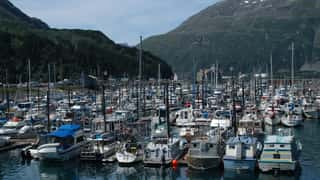
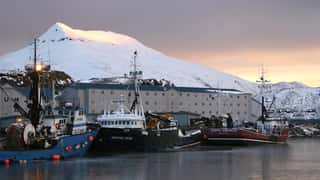
Walk the docks of one of the nation's most productive fishing ports. You'll see massive king crab boats and salmon seiners. It’s raw, industrial, and completely genuine. Watch for bald eagles, which are as common here as seagulls are in other ports.
- Walk 3 blocks south to the harbor front.
- Entry: Free (Free)
- Walk toward the North Harbor (near the bridge) for the best views of the larger crab vessels, often seen in the show 'Deadliest Catch'.
Lunch Recommendation
Henry's Great Alaskan Restaurant
Henry's serves seafood caught by the boats you see out the window. It avoids the tourist-trap atmosphere of many Southeast Alaska eateries, focusing instead on generous portions and local flavor.
Order: Kodiak Halibut Fish & Chips, Bering Sea King Crab Legs
512 Marine Way, Kodiak, AK 99615
Cost: $35.00–$60.00 (USD)
8-Hour Full Day Experience in Kodiak
Fort Abercrombie State Historical Park
8:30 AM (180 min)
This park combines WWII history with stunning coastal scenery. You will walk through 'ghost forests' of Sitka spruce draped in moss to reach old gun embankments that once guarded the Gulf of Alaska. The views from Miller Point are breathtaking. Most people miss the small military museum located in the old bunker.
- Take a taxi from the Pier 2 terminal directly to the park office. ($20.00 (USD))
- Entry: Free (Free)
- Take the 'Lake Gertrude' trail for a flatter, more sheltered walk if the coastal winds are too high.
Lunch at Henry's Great Alaskan Restaurant
11:45 AM (75 min)
The quintessential Kodiak meeting spot. You'll dine alongside local fishermen and Coast Guard personnel. The menu is heavy on local seafood. It isn't fancy, but it is the soul of the city's dining scene.
- Taxi back from Fort Abercrombie to the downtown harbor. ($20.00 (USD))
- Entry: N/A (N/A)
- Ask for a booth near the window for a view of the harbor activity.
Alutiiq Museum
1:15 PM (90 min)
Essential for understanding the indigenous history of Kodiak Island. The displays of grass weaving and bentwood hats are exceptional.
- Walk 3 blocks from Henry's.
- Entry: $7.00 ($7.00)
- Check the museum store for authentic Alutiiq carvings, which are far superior to the mass-produced trinkets sold elsewhere.
Kodiak Laboratory Aquarium & Ocean Science Center
3:00 PM (60 min)
This facility features a 3,500-gallon touch tank and exhibits on the marine biology of the Gulf of Alaska. You can see king crabs up close and learn about the sustainable fishing practices that drive the local economy.
- Walk across the Near Island Bridge from downtown (approx 15 mins).
- Entry: Free (Free)
- Look for the complete whale skeleton hanging from the ceiling in the main atrium.
Getting back to the ship
The latest safe departure from downtown Kodiak to Pier 2 is 60 minutes before your scheduled 'All-Aboard' time. While the shuttle ride is only 5 minutes, the queue for the final two shuttles can be significant, often stretching to 30-40 minutes of wait time. A taxi return costs approximately $12.00 (USD) and is more reliable if you are running close to the limit. If you miss the shuttle and cannot find a taxi, the Harbor Master's office on Shelikof St can assist in calling one. If you miss the ship, your only option is to book a flight to the next port (typically Homer or Seward) via Alaska Airlines, which can cost $400.00+ (USD) on short notice. The ship will generally not hold for passengers not on ship-sponsored excursions, as the tides in the Gulf of Alaska dictate strict departure windows.
Weather & Best Time to Visit Kodiak
Weather & What to Pack
Cruise season: May through September
8°C to 16°C (46°F–61°F). High humidity, frequent light rain or mist, and moderate winds from the Gulf of Alaska.
What to wear: Layering is critical. Start with a moisture-wicking base, add a fleece mid-layer, and finish with a high-quality waterproof (not just water-resistant) outer shell. Footwear must be sturdy and waterproof; sneakers will soak through quickly on the trails or the pier. A light hat and gloves are recommended even in July due to the damp wind. Avoid umbrellas, as the wind often makes them useless.
Weather risks: Dense sea fog frequently delays floatplane excursions for bear viewing. High winds can occasionally make docking at Pier 2 challenging.
June and July offer the most daylight, while September sees a dramatic increase in rainfall and the first signs of autumn color on the tundra.
| Season | Conditions | Hazards | Affected areas | Visitor advice |
|---|---|---|---|---|
| Summer (June–August) | Misty mornings followed by cool, overcast afternoons. Temperatures range from 10°C to 16°C (50°F–60°F). | Wet boardwalks in the harbor and muddy trails at Fort Abercrombie become slippery. Sudden sea fog can reduce visibility to near-zero within minutes. | St. Paul Harbor docks, Fort Abercrombie State Historical Park trails, and the Near Island Bridge pedestrian path. | Wear waterproof footwear with aggressive tread. Do not attempt the cliffs at Fort Abercrombie if the mist is heavy, as the grass-covered edges can be deceptive. |
| Shoulder Season (May and September) | Higher winds and more frequent rainfall. Temperatures often dip toward 4°C (40°F) with a significant wind chill from the Gulf of Alaska. | High wind gusts can make the Near Island Bridge crossing difficult for those with balance issues. Icy patches may persist on shaded northern trails in May. | The exposed walk from Pier 2 to downtown and the upper elevations of Pillar Mountain. | Heavy-duty windbreakers are non-negotiable. If winds exceed 25 knots, avoid the bridge and stay in the downtown core or use the enclosed shuttle. |
Practical Information
Cultural etiquette
Kodiak is a place where a nod and a 'hello' go a long way. Locals are incredibly friendly but have a low tolerance for entitlement; remember that this is a working town, not a resort. When greeting, a simple, direct nod or handshake is the norm. In dining customs, it is common to share large tables in crowded cafes like Henry's—don't be surprised if a fisherman sits down across from you. Tipping follows standard American norms: 18-20% for restaurants and 10-15% for taxi drivers. Photography is generally welcome, but always ask before photographing individuals, especially indigenous elders or fishermen at work. One common cultural misunderstanding cruise passengers make is treating the Russian Orthodox Cathedral as a museum; it is a sacred space for a very active congregation. Always remove hats and maintain a whisper-quiet tone inside. Also, be aware that 'Kodiak Time' can be fluid—if a shop opens ten minutes late, it’s likely because the owner was watching a whale in the harbor or mending a net.
Mistakes to Avoid
| Mistake |
|---|
Walking from Pier 2 to downtown to save the $5.00 shuttle fee. |
Expecting to see Kodiak bears wandering near the cruise terminal. |
Underestimating the wind chill on the Near Island Bridge. |
Booking an independent floatplane tour with less than a 2-hour buffer before all-aboard. |
Practical tips
Credit cards are widely accepted in all shops and restaurants, but you will need cash (USD) for small purchases at the harbor or for tipping shuttle drivers. A 15-20% tip is standard for restaurant service. Learning these five phrases earns genuine goodwill: 'How's the fishing?', 'Beautiful island', 'Thank you', 'Excuse me', and 'Is the shuttle running?'. Be aware of the 'Pillar Mountain Scam'—some taxi drivers may offer to take you to the top for a 'guaranteed' bear view; bears are rarely seen there, and you'll likely just see the wind turbines. Dress in layers even if it looks sunny; the weather changes in minutes. The best time to visit the Alutiiq Museum is 10:00 AM to stay ahead of the ship's organized tours. Always keep a 30-meter (100-foot) distance from any wildlife, including the bald eagles in the harbor, which can be aggressive if they have food. If the Tsunami siren sounds (a steady high-pitched tone), follow the blue 'Tsunami Evacuation Route' signs to higher ground immediately; it is tested on the first Wednesday of the month, but treat any other time as an emergency.
Cruise Lines Visiting Kodiak
Port of Call








Why Book With Waterways Cruise?
Four decades of expertise, one dedicated advisor, and every detail handled, from your front door to the gangway and back.
Personal Service — Your Own Cruise Concierge
Tailor-Made — 100% Custom-Built
Expertise — 40+ Years in Travel
Price Watch — Book With Total Confidence
Signature Sailings
Nearby Ports


FAQ — Kodiak
Is there cell service and Wi-Fi available near the Kodiak cruise pier?
Cell service at Pier 2 is generally strong for US carriers like GCI, AT&T, and Verizon. However, there is no public Wi-Fi at the industrial terminal itself. To access reliable Wi-Fi, take the shuttle downtown to the Kodiak Public Library at 612 Egan Way; they offer free high-speed access and comfortable seating. Some cafes like Harborside Coffee also offer Wi-Fi for customers. It is best to download offline maps of the island before you disembark, as service can drop quickly once you head toward Fort Abercrombie or Pillar Mountain.
Where can I find an ATM in Kodiak near the harbor?
The most convenient ATM for cruise passengers is located at the First National Bank Alaska at 218 Shelikof St, which is just a two-block walk from the downtown shuttle drop-off. There is also a Credit Union 1 ATM inside the Safeway at 2031 Mill Bay Road, though this requires a taxi. Most local businesses in Kodiak accept credit cards, but having $20.00–$40.00 (USD) in cash is helpful for smaller harbor-front vendors or shuttle tips. It is worth noting that some smaller fishing charters may offer a discount for cash payments.
Are there bears visible within walking distance of the Kodiak cruise port?
No. It is a common misconception that Kodiak bears frequent the city. They are shy and stay in the wilderness of the Kodiak National Wildlife Refuge. You will not see them within walking distance of Pier 2 or downtown. To see bears, you must book a floatplane excursion which typically costs upwards of $600.00 (USD). Occasionally, bears are spotted near the Buskin River (6 km from town), but this requires a taxi and a fair amount of luck. For guaranteed wildlife, look for bald eagles in the harbor masts or sea otters near the Near Island Bridge.
Can I rent a car for the day in Kodiak?
Yes, but availability is extremely limited. Budget and local operators like Kodiak Car Rentals exist, but they are often booked months in advance by fishing groups. If you manage to secure one, it will cost approximately $120.00–$160.00 (USD) per day. A car allows you to drive the 'road system' to Pasagshak Bay or Chiniak, which offers spectacular scenery. However, for a 4- to 8-hour port call, a car is often more hassle than it's worth due to the time required for pick-up and drop-off. These limited vehicles can be pre-booked.
What should I do if the tsunami sirens go off while I am ashore?
Kodiak is in a high-activity seismic zone. If you hear a steady siren, do not wait. Immediately walk toward 'Higher Ground' following the blue and white tsunami evacuation signs located on almost every street corner. The designated safe zone is typically anywhere above 15 meters (50 feet) elevation, which in downtown means heading up the hill toward the Kodiak Public Library or the high school. Note that the sirens are tested on the first Wednesday of every month at 2:00 PM; if you hear them then, it is only a test. At any other time, it is a real emergency.
Is it possible to go salmon fishing during a short port call?
Yes, but it requires precise timing. Half-day charters (4 hours) are available from St. Paul Harbor, costing roughly $200.00–$300.00 (USD) per person. You must book these in advance and ensure the charter boat is ready to depart within 30 minutes of your ship's arrival. Most charters provide all gear and can arrange for your catch to be processed and shipped home. Only doing this is recommended if your port call is at least 7 hours long, to account for transit time and the processing of paperwork for fish shipping.
Where is the best place to buy authentic Alutiiq art?
The Alutiiq Museum Store at 215 Mission Rd is the premier location for authentic, ethically sourced indigenous art. Every item is vetted for authenticity and the proceeds directly support the artists and the museum's cultural programs. You will find items ranging from $20.00 (USD) prints to $1,000.00+ (USD) original carvings and weavings. Avoid 'Alaskan' shops that sell items without a 'Silver Hand' or 'Made in Alaska' seal, as these are often mass-produced imports. The museum store is often noted for offering meaningful souvenirs of an Alaskan journey.
Is the Holy Resurrection Cathedral open to the public every day?
The Cathedral's hours are variable as it is an active house of worship. It is typically open to cruise passengers from 10:00 AM to 3:00 PM on days when ships are in port, provided there are no funerals or special liturgies. There is no entry fee, but a donation of $5.00–$10.00 (USD) is customary and helps maintain the historic structure. Please remember to dress modestly—no hats inside for men, and shoulders should be covered. If the main door is locked, sometimes a sign will direct you to the parish office next door.
What kind of footwear do I need for Fort Abercrombie?
You need sturdy, waterproof hiking shoes or boots with good traction. The trails at Fort Abercrombie are made of packed gravel and dirt, which can become extremely muddy and slippery in the frequent Kodiak rain. There are also many exposed tree roots and rocky sections near the cliff edges. Sneakers or dress shoes are not suitable and will likely be ruined. Consider wearing your boots off the ship to save space in your day pack, as the terrain in Kodiak is rugged from the moment you leave the paved shuttle drop-off.
How do I get to the Kodiak Laboratory Aquarium from the shuttle drop-off?
It is a 15-minute walk (approx. 1.2 km) from the downtown visitor center. You will walk south on Marine Way, then turn left to cross the Near Island Bridge. The bridge has a protected pedestrian path and offers excellent views of the harbor. Once across, follow the signs to the Aquarium. A taxi will cost about $12.00 (USD) if you prefer not to walk the incline of the bridge. The walk for the photo opportunities of the fishing fleet against the backdrop of the Gulf of Alaska is recommended.
Fact-checked and co-written by J. Richard, Founder, Waterways Cruise, with the Waterways Cruise Content Team.
Published May 19, 2026 · Last updated November 2, 2026
This guide is researched and reviewed by our editorial team, but prices, hours, and availability change often. Confirm current details directly with venues, excursion operators, and your cruise line before you travel.