Punta del Este Cruise Port
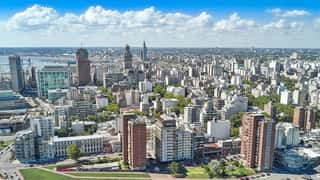
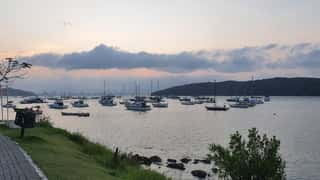
Cruise ships visiting Punta del Este anchor roughly 1.5 km (0.9 miles) offshore, necessitating a mandatory 15-minute tender transfer to the Muelle de Yates terminal. Located in the Maldonado Department of southeastern Uruguay, this destination serves as the playground for South America's elite. You are visiting a point where the Río de la Plata transitions into the Atlantic Ocean, creating a unique coastal dynamic of calm river-side bays and crashing ocean surf. It is worth knowing that tender queues can exceed 60 minutes during peak morning disembarkation; if you haven't booked a ship-sponsored tour, wait until 10:30 AM to head ashore. This city is approximately 15 minutes by road from the historic center of Maldonado and 45 minutes from the coastal town of Piriápolis. As a premier ocean cruise port, it rewards those who appreciate refined architecture, world-class art galleries, and upscale gastronomy. However, it punishes the unprepared with high prices—expect to pay roughly $12 for a standard beer at a waterfront café. A day here realistically offers enough time for the 'Peninsula' and one major outlying site like Casapueblo. You cannot realistically attempt to visit Jose Ignacio and the inland wineries in a single 8-hour call without significant stress.
Puerto de Punta del Este (Muelle de Yates)


Punta del Este, Uruguay Port
UN/LOCODE UYPDP Port of call Homeport
Punta del Este Cruise Port Location
| Port Details | |
|---|---|
| Country | Uruguay |
| UN/LOCODE | UYPDP |
| Contact | |
| Address | Rambla General Artigas y Calle 13, Punta del Este, Uruguay |
| Port phone | +598 4244 3787 |
| Website | www.gub.uy |
| Geography | |
| Coordinates | -34.93330, -54.96670 |
| Accessibility | |
| Accessible | Limited |
Cruise ships visiting Punta del Este anchor roughly 1.5 km (0.9 miles) offshore, necessitating a mandatory 15-minute tender transfer to the Muelle de Yates terminal. Located in the Maldonado Department of southeastern Uruguay, this destination serves as the playground for South America's elite. You are visiting a point where the Río de la Plata transitions into the Atlantic Ocean, creating a unique coastal dynamic of calm river-side bays and crashing ocean surf. It is worth knowing that tender queues can exceed 60 minutes during peak morning disembarkation; if you haven't booked a ship-sponsored tour, wait until 10:30 AM to head ashore. This city is approximately 15 minutes by road from the historic center of Maldonado and 45 minutes from the coastal town of Piriápolis. As a premier ocean cruise port, it rewards those who appreciate refined architecture, world-class art galleries, and upscale gastronomy. However, it punishes the unprepared with high prices—expect to pay roughly $12 for a standard beer at a waterfront café. A day here realistically offers enough time for the 'Peninsula' and one major outlying site like Casapueblo. You cannot realistically attempt to visit Jose Ignacio and the inland wineries in a single 8-hour call without significant stress.
Punta del Este — Port Overview
History
Punta del Este first emerged into the colonial record in 1516 when Spanish explorer Juan Díaz de Solís named it Cabo de Santa María. For centuries, it remained a sparsely populated outpost, significant primarily as a navigational landmark and a station for whaling. The modern transformation began in 1907 when the first group of holidaymakers arrived from Montevideo aboard the steamer 'Tabaré.' By 1910, the British-style Biarritz Hotel had established the city's reputation as a high-society retreat. Its strategic importance shifted from military to economic during the mid-20th century, particularly after the 1967 Summit of the Americas placed it on the global diplomatic map. The city's silhouette changed forever in the 1980s with a construction boom that introduced the towering skyscrapers you see today, modeled after Miami's coastline. You can still find traces of the original village in the 'El Faro' district near the lighthouse, built in 1860 with volcanic sand brought from Europe. The historical friction between the sleepy fishing village of the 19th century and the glass-and-steel metropolis of the 21st century defines the landscape. When you stand at the port, the Edificio Aduana (Customs House), dating to the 1880s, serves as a direct link to the town's pre-glamour era of maritime trade and smuggling.
The Verdict
Punta del Este rewards the traveler who approaches it with a sense of leisure rather than a checklist. Travelers who benefit most from this port are the ones who arrive with a plan and the flexibility to adapt it to the Atlantic breeze. This guide has been fact-checked by J. Richard and the Waterways Cruise editorial team. Excursions that guarantee a return to the ship can be tailored to your mobility, interests, and pace, so missing departure is never a concern. No two travelers want the same day ashore.
Things to Do & See in Punta del Este
| Attraction | Type | Address | Phone | Hours | Website | Admission |
|---|---|---|---|---|---|---|
| Museo Ralli | Museum | Calle Los Arrayanes s/n, Beverly Hills, Punta del Este | +598 4248 3476 | Tuesday – Sunday, 2:00 PM – 6:00 PM (Hours vary by month) | museoralli.com.uy | Free |
| Los Dedos (The Hand Sculpture) | Landmark | Parada 1, Playa Brava, Punta del Este | Open 24 hours | turismo.gub.uy | Free | |
| Casapueblo | Historical Site | Calle Mar de Liguria, Punta Ballena, Uruguay | +598 4257 8041 | 10:00 AM – Sunset | casapueblo.com.uy | USD 500 UYU |
| Fundación Pablo Atchugarry | Cultural Site | Ruta 104, Km 4.5, El Chorro | +598 4486 2107 | 11:00 AM – 7:00 PM | fundacionpabloatchugarry.org | Free |
| Faro de Punta del Este (Lighthouse) | Landmark | Calle 2 and Calle 5, Punta del Este | Exterior viewable 24/7; Interior access is restricted to certain holidays | Free |
Museo Ralli · Museum
FreeThis is arguably the finest collection of contemporary Latin American art in the southern hemisphere. Founded by Harry Recanati, the museum is one of five worldwide, but the Punta del Este location is uniquely integrated into the lush gardens of Beverly Hills. You will see works by masters like Bery, Juarez, and Kingman, alongside an impressive European collection featuring Dalí and Magritte. It is well established that the museum’s policy of 'no photography' inside the galleries is strictly enforced, which actually enhances the experience by removing the distraction of tablets and phones. Visitors who initially had no interest in art consistently report that the serenity of the space was the highlight of their day. The architecture itself—a stark white Mediterranean-style villa—is a masterpiece. Spend your time in the Surrealist halls; the lighting is designed to highlight the texture of the oils in a way few modern museums manage. It is a sophisticated, quiet alternative to the crowded beaches.
Calle Los Arrayanes s/n, Beverly Hills, Punta del Este ·+598 4248 3476 ·Tuesday – Sunday, 2:00 PM – 6:00 PM (Hours vary by month) ·www.museoralli.com.uy
Los Dedos (The Hand Sculpture) · Landmark
FreeKnown variously as 'The Fingers' or 'The Hand,' this sculpture was created by Chilean artist Mario Irarrázabal during the first International Meeting of Modern Sculpture in the Open Air in 1982. While other artists worked in the town, Irarrázabal chose the beach, creating a dramatic image of a hand emerging from the sand to warn swimmers about the rough Atlantic Ocean surf. Over the decades, it has become the defining symbol of Uruguay's coastline. When you stand before it, the sheer scale of the concrete digits—reinforced with steel bars—is impressive. The walking time from the tender pier takes about 12 minutes, making it the easiest landmark to reach. You will likely see long lines of people waiting to stand in the 'palm,' but it is a good idea to walk 20 yards further down the beach for a profile shot that captures the hand against the crashing waves of Playa Brava. It is a testament to the city’s commitment to public art, standing as a reminder of the power of the sea that surrounds the peninsula.
Parada 1, Playa Brava, Punta del Este ·Open 24 hours ·turismo.gub.uy
Casapueblo · Historical Site
USD 500 UYUConstructed over 36 years by the Uruguayan artist Carlos Páez Vilaró, Casapueblo is a 'living sculpture' that defies traditional architectural labels. Built without blueprints, the white-washed citadel clings to the cliffs of Punta Ballena, inspired by the mud nests of the local hornero birds. Originally a summer home and workshop, it now functions as a museum, art gallery, and hotel. The structure is a dazzling array of 13 levels, each offering a different perspective of the Atlantic Ocean. Visitors who viewed the cinema room reported that the short film about Páez Vilaró’s life—including his search for his son after the 1972 Andes flight disaster—adds a profound layer of meaning to the white walls. You will find that every room has a story, and the artist's signature sun-faces appear in everything from the tiles to the gate latches. While it is the most tourist-heavy site in the region, the view from the main terrace remains one of the most spectacular in South America. It is the one place in Punta del Este that feels truly unique to Uruguay.
Calle Mar de Liguria, Punta Ballena, Uruguay ·+598 4257 8041 ·10:00 AM – Sunset ·casapueblo.com.uy
Fundación Pablo Atchugarry · Cultural Site
FreeThis non-profit institution was created by world-renowned sculptor Pablo Atchugarry to promote art and provide a meeting ground for artists of all disciplines. The site features a stunning 25-hectare sculpture park where massive works in steel and marble sit against the backdrop of the Uruguayan countryside. In 2022, they opened the MACA (Museum of Contemporary Art Atchugarry), a breathtaking wooden structure designed by Carlos Ott. The visitor patterns offers a far more peaceful experience than Casapueblo. You can wander between the sculptures at your own pace, seeing works by Le Parc and Benedit. The centerpiece is Atchugarry's own 'La Piedad,' a contemporary interpretation of Michelangelo's masterpiece carved from a single block of marble. This for travelers who want is recommended to escape the 'glitz' of the city and see the sophisticated, pastoral side of Uruguay. It is an extraordinary testament to one man's vision and generosity.
Ruta 104, Km 4.5, El Chorro ·+598 4486 2107 ·11:00 AM – 7:00 PM ·www.fundacionpabloatchugarry.org
Faro de Punta del Este (Lighthouse) · Landmark
FreeStanding 45 meters tall, the Faro de Punta del Este has guided sailors into the mouth of the Río de la Plata since 1860. It was built using a mixture of volcanic sand and brick, designed to withstand the fierce Atlantic gales. The lighthouse survived the transition from the era of whaling ships to the arrival of the first luxury liners. It remains one of the few structures in the city that has not been altered by the modern construction boom. You will find it in the quietest corner of the Peninsula, surrounded by charming low-rise houses that look more like a Mediterranean village than a South American city. Directly across the street is the Iglesia de la Candelaria, the town's most important church. It is best to take a slow walk around the perimeter of the lighthouse block; the garden walls are often covered in bright bougainvillea, offering one of the most photographed corners of the city. It represents the 'original' Punta del Este, a place of safety and tradition long before the skyscrapers arrived.
Calle 2 and Calle 5, Punta del Este ·Exterior viewable 24/7; Interior access is restricted to certain holidays
Eating & Drinking in Punta del Este
Uruguay's culinary identity is defined by the 'Asado' (barbecue), but in Punta del Este, the focus shifts toward the Atlantic Ocean. You must try 'Brótola,' a delicate, firm white fish that is rarely found outside Uruguayan waters. Another specialty is the 'Chivito'—a massive steak sandwich topped with ham, cheese, egg, and olives; it is the ultimate local comfort food. For drinks, look for wines made from the Tannat grape, Uruguay's flagship red, or the refreshing 'Clericó,' a white wine punch. You'll find genuine street food at the 'Artico' window near the port, where locals buy 'buñuelos de algas' (seaweed fritters). One honest note: tourists often expect spicy food as they would find in Mexico, but Uruguayan cuisine is mild, savory, and more closely resembles Italian and Spanish traditions. The meat is grass-fed and seasoned only with salt, reflecting a deep pride in the quality of the raw ingredients.
| Place | Address | Phone | Hours | Website | Price range |
|---|---|---|---|---|---|
| Lo de Tere | Rambla del Puerto y Calle 21, Punta del Este | +598 4244 0492 | 12:00 PM – 4:00 PM, 8:00 PM – 12:00 AM | lodetere.com | 2,000 – 3,000 UYU (~$52.00 – $78.00 USD) |
| Cuatro Mares | Calle 2 (El Faro) and Calle 12, Punta del Este | +598 4244 8916 | 12:30 PM – 3:30 PM, 8:00 PM – 11:30 PM | cuatromares.com.uy | 1,500 – 2,500 UYU (~$39.00 – $65.00 USD) |
| Moby Dick Pub | Rambla Artigas 650, Punta del Este | +598 4244 1240 | 12:00 PM – 4:00 AM | mobydick.com.uy | 400 – 700 UYU (~$10.50 – $18.00 USD) |
Lo de Tere
2,000 – 3,000 UYU (~$52.00 – $78.00 USD)Lo de Tere is a cornerstone of the Punta del Este dining scene. Located directly across from the yacht harbor, it offers front-row views of the Atlantic Ocean. You should order the Brótola; it is the most prized local white fish, and here it is handled with incredible respect. The service is impeccably formal in a way that is becoming rare. One honest limitation: it is expensive, but you are paying for the consistency and the location. It is the best place to taste the true 'flavor' of the city.
Rambla del Puerto y Calle 21, Punta del Este ·+598 4244 0492 ·12:00 PM – 4:00 PM, 8:00 PM – 12:00 AM
Cuatro Mares
1,500 – 2,500 UYU (~$39.00 – $65.00 USD)Situated near the lighthouse, Cuatro Mares is housed in a beautifully restored colonial-style building. The focus here is on Mediterranean techniques applied to Uruguayan ingredients. The grilled octopus is consistently cited as the best ever had. It feels like a private home rather than a restaurant. It’s perfect for those who want a quiet, high-quality meal away from the cruise ship crowds. Note that they do not accept bookings for lunch during peak season, so arrive exactly at 12:30 PM.
Calle 2 (El Faro) and Calle 12, Punta del Este ·+598 4244 8916 ·12:30 PM – 3:30 PM, 8:00 PM – 11:30 PM
Moby Dick Pub
400 – 700 UYU (~$10.50 – $18.00 USD)Moby Dick is an institution. Located right at the harbor, it has a massive outdoor deck that is the perfect place to watch the tender boats come and go. Order the Clericó; it is the unofficial drink of Punta del Este summers. The atmosphere is always upbeat, and it’s the best spot for people-watching. It has been the 'place to be seen' for over 25 years. Even if you don't drink alcohol, their fresh fruit lemonades are exceptional.
Rambla Artigas 650, Punta del Este ·+598 4244 1240 ·12:00 PM – 4:00 AM
Getting There & Around
Once you disembark at the Muelle de Yates, the primary way to explore the Peninsula is on foot. The area is flat and designed for walking. For longer distances, such as reaching the Ralli Museum or Beverly Hills, a taxi is the only efficient choice. Uber operates in Punta del Este and is generally 20% cheaper than traditional taxis, though availability can be spotty during the midday lunch rush. Visitors should download the 'Uber' or 'Cabify' app before arrive. A local bus system runs along the Rambla (the coastal road); look for buses marked 'Maldonado' or 'La Barra' at the stops. A single fare is 50-60 UYU (~$1.30-$1.50 USD), paid in cash to the driver. Bike rentals are available near the port for approx 600 UYU (~$15.50 USD) for 4 hours, but be warned: while the Rambla has bike paths, the inner streets have heavy traffic and aggressive drivers. One navigation tip: the streets in the Peninsula are numbered, but locals always use the names (e.g., Calle 20 is 'El Remanso'). Use a map that shows both.
Itineraries & Sample Walks
4-Hour Shore Excursion in Punta del Este
The Peninsula Walk & Lighthouse
9:30 AM (60 min)
Walk to the southern tip where the river meets the ocean. The 1860 lighthouse is the centerpiece. Most people just take a photo of the exterior, but the real gem is the Church of Our Lady of Candelaria directly across from it, featuring a beautiful sky-blue interior.
- Walk from the tender pier along the Rambla Artigas to the tip of the peninsula. (Free)
- Entry: Free (Free)
- Visit the weather station (Estación Meteorológica) nearby to see the zero-kilometer marker of the Río de la Plata.
Museo Ralli
10:45 AM (90 min)
This museum holds one of the world's most significant collections of contemporary Latin American art, plus several original Salvador Dalí sculptures. The courtyard is a serene oasis of marble and fountains. It is completely free, which is shocking given the quality of the collection.
- 10-minute taxi from the lighthouse area. (500 UYU (~$13.00 USD))
- Entry: Free (Free)
- Go directly to Room 5 for the Surrealist collection; it is often empty even when tours are in the building.
Lunch Recommendation
Lo de Tere
While La Huella is the famous choice, it is a 40-minute drive away. Lo de Tere is right at the port, offers far superior service, and sources its fish directly from the boats you see out the window.
Order: Brótola (local sea bass) in almond crust, Dulce de Leche soufflé
Rambla del Puerto y Calle 21, Punta del Este
Cost: 2,300 UYU (~$60.00 USD)
8-Hour Full Day Experience in Punta del Este
Casapueblo
9:00 AM (120 min)
The former home and workshop of artist Carlos Páez Vilaró. It is a 'living sculpture' built into the cliffs. Explore the winding white-washed corridors and terraces that overlook the Atlantic. It is the most famous site in Uruguay for a reason.
- 20-minute taxi from the tender pier. (1,800 UYU (~$47.00 USD) for round trip with wait time)
- Entry: 500 UYU (~$13.00 USD)
- Avoid the cafe here; it's overpriced and slow. Focus on the 'L'Atelier' room where the artist's original brushes are still laid out.
Beverly Hills & Ralli Museum
11:30 AM (90 min)
View the surrealist masters and Latin American icons in this quiet, climate-controlled sanctuary. The Dali sculptures in the courtyard are the highlight.
- 15-minute taxi from Casapueblo. (600 UYU (~$15.50 USD))
- Entry: Free (Free)
- The museum is closed on Mondays; if your ship docks then, substitute with the Fundación Pablo Atchugarry.
Los Dedos (The Fingers)
3:00 PM (30 min)
The iconic hand emerging from the sand. It was created in 1982 and has become the symbol of the city. It's a quick but mandatory photo stop.
- 10-minute taxi from Beverly Hills. (400 UYU (~$10.50 USD))
- Entry: Free (Free)
- To get a photo without 50 other tourists, walk around to the 'back' of the fingers (the palm side); most crowds stay on the nail side.
Getting back to the ship
The last tender usually departs 30 to 60 minutes before the ship's scheduled sailing time. It is a good idea to be back at the Muelle de Yates pier no later than 90 minutes before departure. A taxi from Casapueblo or La Barra back to the port takes 25–30 minutes and costs approx 900 UYU (~$23.50 USD). Do not rely on local buses for your return, as they can be significantly delayed by summer traffic. If you are running late, contact the port agent (number provided on your daily ship program). If you miss the ship, you will likely have to travel by road to Montevideo or Buenos Aires to rejoin—a costly and complicated process involving international border crossings. The ship will not hold for independent passengers.
Weather & Best Time to Visit Punta del Este
Weather & What to Pack
Cruise season: November to April
20°C to 28°C (68°F to 82°F). Low rainfall but high humidity (approx 70%). Winds are frequent and can reach 30 km/h.
What to wear: Light, breathable fabrics are essential. However, the wind coming off the Atlantic Ocean can feel surprisingly cool, even on a sunny day—carry a light pashmina or windbreaker. Wear sturdy walking shoes; while the city looks like a beach resort, you will be walking on concrete and hard-packed sand. Sun protection is non-negotiable as the ozone layer is thinner in this region.
Weather risks: High winds (Pampero) can cause tender operations to be suspended mid-afternoon. If the ship sounds its horn repeatedly, head to the pier immediately.
January is the busiest and hottest month; February sees more frequent afternoon thunderstorms.
| Season | Conditions | Hazards | Affected areas | Visitor advice |
|---|---|---|---|---|
| Summer (December–February) | Hot and humid with temperatures frequently exceeding 30°C (86°F). This is the peak of the South American holiday season. | Extreme UV radiation on the Rambla and beaches. Dehydration is a risk on the exposed tender pier where shade is non-existent. | Playa Brava, the tender pier, and the open-air Casapueblo terraces. | Wear high-SPF sunscreen and a wide-brimmed hat. Avoid the Peninsula's main shopping streets between 1:00 PM and 4:00 PM when the heat is most oppressive. |
| Autumn (March–May) | Mild days and cool nights. The intense summer crowds disappear, leaving the city much quieter. | Sudden Atlantic swells can make tendering difficult or cause the port to close entirely. Wet cobblestones near the lighthouse become slick. | Muelle de Yates tender platform and the historical district streets. | Carry a windbreaker. Check your ship's daily program for 'Port Closure' alerts, as wind direction can change the tender schedule rapidly. |
Practical Information
Cultural etiquette
Locals in Uruguay are formal but warm. When greeting, a single kiss on the right cheek is the norm for everyone, though a polite nod or handshake is perfectly acceptable for visitors. Dining follows the European clock; lunch rarely starts before 1:00 PM and dinner is an 11:00 PM affair. If you eat at 6:00 PM, you will be alone in the restaurant. Do not signal for the bill by waving; a subtle eye contact with a 'hand-writing' gesture is preferred. Photography is generally welcome, but always ask '¿Puedo?' before taking a photo of a local fisherman or artisan. Queueing is a national pastime; locals wait patiently for buses and at markets—cutting in line is considered extremely offensive. Tipping in restaurants is a standard 10% (the 'propina'), usually paid in cash as it often cannot be added to a credit card slip. A common mistake cruise passengers make is trying to pay with Argentine Pesos; while USD is widely accepted, Argentine currency is not. Use Uruguayan Pesos or a credit card to avoid embarrassing rejections at the register.
Mistakes to Avoid
| Mistake |
|---|
Waiting for the first tender without a plan. |
Taking a taxi to the Peninsula center. |
Assuming they can see Jose Ignacio and Casapueblo in one day. |
Not carrying a windbreaker. |
Practical tips
Uruguay is remarkably card-friendly; you can pay for even a small coffee with a credit card. However, small craft markets and tips require cash in Uruguayan Pesos (UYU). Tipping is a flat 10% in restaurants; taxis do not expect a tip unless they help with heavy luggage. Learn these five phrases: 'Hola' (Hello), 'Gracias' (Thank you), 'La cuenta, por favor' (The bill, please), '¿Cuánto cuesta?' (How much is it?), and 'Uruguay es hermoso' (Uruguay is beautiful). Scams are rare, but 'distraction' pickpockets operate near the 'Los Dedos' sculpture—keep your bag in front of you while taking photos. There is no strict dress code for churches here, but remove hats when entering. The best strategy for crowd avoidance is to visit Casapueblo at 10:00 AM and the Ralli Museum at 2:00 PM. Note that most shops close for a 'siesta' between 1:30 PM and 3:30 PM during the off-season, though Gorlero remains open during the cruise season.
Cruise Lines Visiting Punta del Este
Port of Call









Why Book With Waterways Cruise?
Four decades of expertise, one dedicated advisor, and every detail handled, from your front door to the gangway and back.
Personal Service — Your Own Cruise Concierge
Tailor-Made — 100% Custom-Built
Expertise — 40+ Years in Travel
Price Watch — Book With Total Confidence
Signature Sailings
All Cruise Lines at Punta del Este (A–Z)
Nearby Ports





FAQ — Punta del Este
Which is the best beach for a few hours near the port?
For a short stay, head to Playa Mansa (Parada 1 to 3). It is a 10-minute walk from the tender pier. The water is calm because it faces the bay, making it safer for swimming than the ocean-facing Playa Brava. You can rent a beach chair for about 400 UYU (~$10.50 USD). Mansa for cruise guests is recommended because it is closer to the pier for a quick return.
Is the water safe to drink in Punta del Este?
Yes, tap water in Punta del Este and throughout Uruguay is among the safest in South America. It is potable and treated to high standards. However, many visitors prefer the taste of bottled water (agua mineral), which is available 'con gas' (sparkling) or 'sin gas' (still). A 500ml bottle costs about 60 UYU (~$1.50 USD) at any kiosk.
Are shops and museums open on Sundays?
Yes, Sunday is a major day for tourism in Punta del Este. Most shops on Avenida Gorlero and the Ralli Museum are open. However, some smaller boutiques in the Peninsula may close or have reduced hours. Casapueblo is open every day of the week. Sunday is actually the liveliest day to visit the Plaza Artigas craft market.
What is the best way to get to Casapueblo independently?
The most reliable way is to take a taxi from the rank at the tender pier. Negotiate a 'round trip with wait time.' A fair price is 1,800 UYU (~$47.00 USD) for the driver to take you there, wait for 90 minutes, and bring you back. This is often cheaper and faster than trying to use a rideshare app for the return leg from the cliffs.
Is Punta del Este safe for walking alone?
Punta del Este is considered one of the safest cities in South America. Violent crime is extremely rare. However, like any major tourist hub, petty theft like bag-snatching can occur, especially in crowded areas like the 'Los Dedos' sculpture. Use common sense, keep your belongings secure, and avoid wearing flashy jewelry while walking in the less-populated residential areas like Beverly Hills.
Can I use US Dollars in Punta del Este?
Yes, US Dollars are widely accepted in major restaurants, boutiques, and by taxi drivers. However, you will often receive your change in Uruguayan Pesos at a less-than-favorable exchange rate. For the best value, use a credit card or withdraw a small amount of local currency from an ATM. For small purchases like street food or local bus fares, pesos are required.
How much should I tip my tour guide or driver?
For a half-day private tour, a tip of $10–$15 USD is appreciated but not mandatory. For a taxi driver, tipping is not expected for standard point-to-point fares, but rounding up to the nearest 50 pesos is a kind gesture if they have been helpful with directions or luggage. Restaurant tips should be 10% of the bill, preferably in cash.
What is the specific 'must-buy' souvenir from Uruguay?
The most authentic item is a high-quality wool product from Manos del Uruguay, a world-renowned cooperative. Alternatively, look for an 'Amethyst' geode; Uruguay is famous for deep purple stones. For something smaller, a traditional 'Mate' cup and bombilla (straw) is the quintessential Uruguayan souvenir, though it takes some practice to use correctly. Expect to pay $25 USD for a decent Mate set.
Are there any public WiFi spots near the harbor?
The tender pier area has a public hotspot provided by Antel, the national telecom. Many cafes along the harbor, such as Artico or Freddo, provide WiFi passwords to customers. The connection is generally fast enough for checking email or maps, but can struggle with video calls when several large cruise ships are in the bay and thousands of passengers are connected.
What happens if the weather is too rough for tenders?
If Atlantic swells are too high, the port captain will close the harbor. If this happens while you are on the ship, the call will be cancelled and you'll likely have an extra day at sea or an unscheduled stop in Montevideo. If it happens while you are ashore, the ship will coordinate with local authorities to wait for a 'window' or use larger local ferries. Always keep your ship's emergency contact number with you.
Fact-checked and co-written by J. Richard, Founder, Waterways Cruise, with the Waterways Cruise Content Team.
Published May 19, 2026 · Last updated November 2, 2026
This guide is researched and reviewed by our editorial team, but prices, hours, and availability change often. Confirm current details directly with venues, excursion operators, and your cruise line before you travel.