England Cruise from Portsmouth to Piraeus — 71 Days

70 nights · England · Departs Portsmouth UK · Visiting Saint-Malo, Bordeaux, Saint-Jean-de-Luz, Bilbao-Getxo, Ferrol, Vigo, Porto-Leixoes, Lisbon, Seville, Gibraltar, Malaga, Motril, Cartagena Spain, Valencia, Barcelona, Marseille, Cannes, Monte Carlo, Santa Margherita Ligure, Livorno, Porto Santo Stefano, Civitavecchia-Rome, Sorrento, Amalfi, Trapani, Porto Empedocle, Siracusa, Kotor, Sibenik, Venice, Opatija, Zadar, Dubrovnik, Hvar Island Croatia, Pula, Koper, Rovinj, Split, Corfu Island, Kefalonia Island, Itea, Katakolon, Souda-Chania, Piraeus-Athens, Monemvasia, Syros Island, Volos, Thessaloniki, Kavala, Istanbul, Canakkale, Chios Island, Rhodes Island, Agios Nikolaos, Santorini Island, Mykonos Island · Aboard Azamara Cruises on the Azamara Journey

Azamara Cruises logo
Cruise lineAzamara Cruises
ShipAzamara Journey
Duration70 nights
Port calls57
Departures1 sailings
From fare$19,559 per person
Year built2000
Guests781
Cabins355
Crew408
Length181 m
Beam25 m
Cruising speed18.0 kn
  1. Day 1

    Portsmouth UK

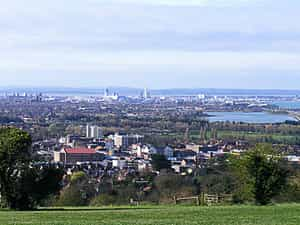
    Portsmouth is Britain’s great naval city, where the nation’s maritime story remains vividly present. At the Historic Dockyard, step aboard Nelson’s HMS Victory and visit the Mary Rose Museum. The Tudor warship, lifted from the Solent after 437 years, reveals extraordinary detail of life at sea. Beyond the waterfront, find lively cafés, independent shops and views from the 170-metre Spinnaker Tower. Portsmouth rewards those who want history close at hand beside a working seafront.

  2. Day 2

    Saint-Malo, France

    St-Malo rises from the Breton coast in granite, its old town enclosed by formidable seventeenth-century ramparts. Walk the walls for sea views, then enter Intra-Muros, where narrow lanes lead to cafés, shops and the cathedral. Privateers once sailed under royal authority; their story gives the city a character beyond its handsome stones. St-Malo’s tides rank among Europe’s highest, lending each visit a changing edge; save time for oysters and Breton crêpes.

  3. Day 4

    Bordeaux, France

    Bordeaux is best approached through its river: the Garonne leads into a city shaped by trade, wine and ambitious architecture. Along the UNESCO-listed Port of the Moon, eighteenth-century façades frame broad quays and the Place de la Bourse. Beyond the centre, renowned wine estates and the Médoc’s château-lined roads invite a longer excursion. Stay in town for a market, a riverside walk and a glass of local claret. Venture farther for vineyard landscapes that explain Bordeaux’s global reputation.

  4. Day 7

    Saint-Jean-de-Luz, France

    Saint-Jean-de-Luz is a working Basque port with a handsome old town and a sheltered crescent of beach. Its harbor once prospered on whaling and cod fishing; today, fishing boats share the waterfront with pleasure craft. Walk rue Gambetta to Saint-Jean-Baptiste Church, where Louis XIV married Maria Theresa of Spain in 1660. Then browse the covered market or follow the seafront to Grande Plage, sheltered by the bay’s breakwaters.

  5. Day 8

    Bilbao-Getxo, Spain

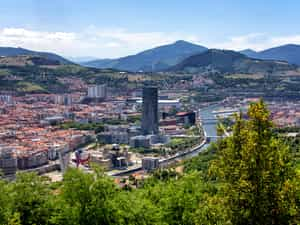
    Bilbao rewards visitors who look beyond its celebrated Guggenheim Museum. Cruise ships berth at Getxo, roughly 20 kilometres from the city centre. A taxi or arranged transfer brings you into Bilbao, where Frank Gehry’s titanium landmark rises beside the Nervión River. Beyond the museum, explore elegant boulevards and the seven streets of Casco Viejo. Stop at La Ribera Market, then sample pintxos with a glass of crisp txakoli.

  6. Day 9

    Ferrol, Spain

    Ferrol rewards travelers who look beyond the cruise terminal. This Galician port grew around Spain’s naval fleet, and its imposing 18th-century arsenal still shapes the waterfront. In the Magdalena quarter, elegant streets meet lively cafés and local shops. The English Way to Santiago de Compostela begins here, a compelling choice for walkers. Beyond town, the Atlantic coast offers windswept headlands and broad beaches.

  7. Day 10

    Vigo, Spain

    Vigo is Galicia’s working Atlantic city, built around one of Europe’s finest natural harbours. From the quays, the old quarter climbs towards Castro fortress, with views across the Ría de Vigo. Follow Rua das Ostras for oysters opened to order, then browse the market and waterfront cafés. Beyond town, ferries reach the Cíes Islands, with white beaches and clear water inside a protected national park.

  8. Day 11

    Porto-Leixoes, Portugal

    Porto is a city best approached on foot, where steep lanes descend towards the Douro and the Atlantic beyond. Across the river, Vila Nova de Gaia’s historic port-wine lodges offer tastings and views back to the old town. Between them, the Ribeira waterfront, tiled churches and iron bridges tell the story of a trading city shaped by water. Taste tawny port, then linger over market halls, intimate museums and unhurried meals.

  9. Day 12

    Lisbon, Portugal

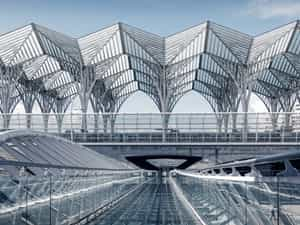
    Lisbon is a city best approached with time and comfortable shoes. Its seven hills rise above the Tagus, linking tiled lanes, grand squares and viewpoints with wide river views. In Alfama, narrow streets preserve the feel of old Lisbon. In Belém, the Jerónimos Monastery and Tower recall Portugal’s age of discovery. Pause for coffee and a warm pastel de nata between sights.

  10. Day 13

    Seville, Spain

    Seville’s river port opens onto a city of Moorish courtyards, Gothic grandeur and lively streets. The cathedral and Giralda dominate the old quarter. The Alcázar’s tiled rooms and gardens reveal centuries of Islamic and Christian rule. Along the Guadalquivir, former trading warehouses recall the city’s Atlantic fortunes. Come ashore ready to walk, pause for tapas, and let the details set the pace.

  11. Day 16

    Gibraltar

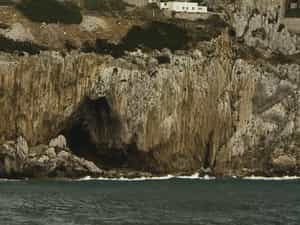
    Gibraltar stands at the southern tip of the Iberian Peninsula, looking across the Strait towards Morocco. The Rock rises above a compact town shaped by British, Spanish and Mediterranean influences. A taxi tour of the Upper Rock Nature Reserve brings far-reaching views and close encounters with Barbary macaques. Below, explore the Great Siege Tunnels and Moorish Castle, then browse Main Street’s shops and cafés.

  12. Day 17

    Malaga, Spain

    Málaga is more than a gateway to Andalusia; it is a port city with a confident life of its own. In the old centre, the Roman Theatre sits below the Moorish Alcazaba, while the cathedral rises above nearby streets. Visit the Picasso Museum or his birthplace, then try grilled sardines and local wine at a pavement table. The Mediterranean is close: city beaches, Atarazanas Market and palm-lined promenades make lingering easy.

  13. Day 18

    Motril, Spain

    Motril is a working port on Granada’s Mediterranean coast, backed by the foothills of the Sierra Nevada. It puts the Alhambra and historic centre of Granada within reach, as well as the white villages of the Alpujarras. In town, explore Motril’s sugar-cane legacy, browse local produce, and sample seafood from the Costa Tropical. For a slower day, beaches and palm-lined promenades keep the coast close.

  14. Day 19

    Cartagena Spain, Spain

    Cartagena rewards visitors who look beyond its busy harbor. Founded by the Carthaginians in 227 BC, this compact port city carries layers of Roman, military, and maritime history. Follow the waterfront to the Roman Theatre, uncovered in 1988 and now paired with a museum. Explore the old quarter’s elegant Modernista buildings and naval landmarks. Cartagena is easy to navigate, yet rich enough to hold your attention all day.

  15. Day 20

    Valencia, Spain

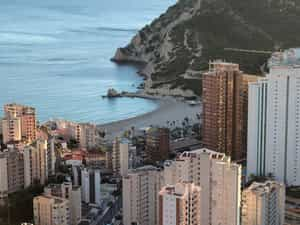
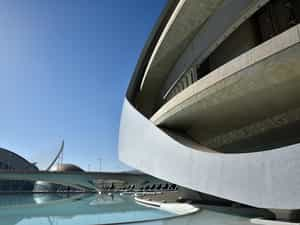
    Valencia rewards travellers who look beyond its waterfront. Spain’s third-largest city pairs a handsome old centre with the bold architecture of the City of Arts and Sciences. Visit the Central Market for local produce, then follow the Turia Gardens towards the coast. Paella has deep roots here; seek it in its birthplace, not merely on the menu. With efficient transport and a compact historic core, Valencia is easy to explore at your own pace.

  16. Day 21

    Barcelona, Spain

    Barcelona is a Mediterranean port city built on Roman foundations, with Gothic lanes and striking modernist architecture. La Rambla runs from Plaça de Catalunya towards the waterfront and the old town. Gaudí’s Sagrada Família and Park Güell show the city at its most distinctive. Set aside time for a market lunch and a walk through El Born, where medieval streets meet lively cafés. Barcelona’s beaches offer a welcome pause between visits.

  17. Day 22

    Marseille, France

    Marseille is France’s oldest city, founded by Greek settlers around 600 BC, and it still faces the Mediterranean with confidence. Begin at the Vieux-Port, where fishing boats share the waterfront with cafés and ferries bound for nearby islands. Climb to Notre-Dame de la Garde for sweeping views, or explore Le Panier’s narrow lanes and lively squares. The Calanques’ limestone coves lie beyond the city; local markets bring Provençal flavors closer.

  18. Day 23

    Cannes, France

    Arrive in Cannes and the Riviera’s polished glamour is immediately on show. Follow the palm-lined Croisette past Belle Époque hotels, designer boutiques and the Palais des Festivals, home of the film festival. Then climb into Le Suquet, the old quarter, for narrow lanes and views across the harbour. At Marché Forville, local produce and Provençal specialities offer a taste of everyday life. Ferries to the Lérins Islands make an easy escape to pine-scented shores.

  19. Day 23

    Monte Carlo, Monaco

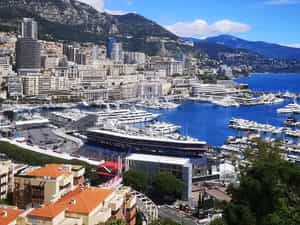
    Monte Carlo makes a striking first impression, with superyachts in Port Hercule and the Alps rising behind the coast. A short walk leads to Casino Square, where Belle Époque architecture frames the famous casino and designer boutiques. For a quieter contrast, climb to Monaco-Ville for the Prince’s Palace, cathedral and views across the harbor. The principality is compact and easy to explore on foot, though its steep streets reward comfortable shoes.

  20. Day 25

    Santa Margherita Ligure, Italy

    Santa Margherita Ligure pairs a working harbour with pastel façades, palm-lined promenades and the Ligurian Sea. Ferries connect the town with Portofino, while coastal paths lead toward the abbey at San Fruttuoso. Browse the shops and cafés along the waterfront, then visit the 17th-century Basilica of Santa Margherita d’Antiochia. Allow time for a seafood lunch; local menus often feature anchovies, Ligurian pesto and fresh fish.

  21. Day 26

    Livorno, Italy

    Livorno rewards those who look beyond the cruise terminal. Its canals, built in the style of Venice, wind through historic Venezia Nuova. The seafront promenade leads to Terrazza Mascagni, where black-and-white paving frames the sea. At Mercato Centrale, locals shop beneath a vast iron-and-glass roof. Try cacciucco, the city’s rich fish stew. Florence and Pisa are within reach, but Livorno merits time of its own.

  22. Day 28

    Porto Santo Stefano, Italy

    Porto Santo Stefano brings you to Monte Argentario, where Tuscany meets the Tyrrhenian Sea. Its curved harbor remains a working port, lined with cafés, seafood restaurants, and boats bound for Giglio Island. Climb to the 16th-century Spanish Fortress for sweeping views across the waterfront and islands. Beyond town, coves and clear water reward a drive along the peninsula’s rugged coast.

  23. Day 29

    Civitavecchia-Rome, Italy

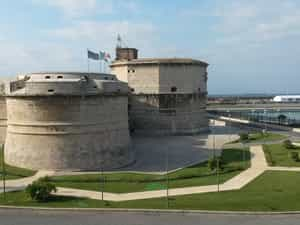
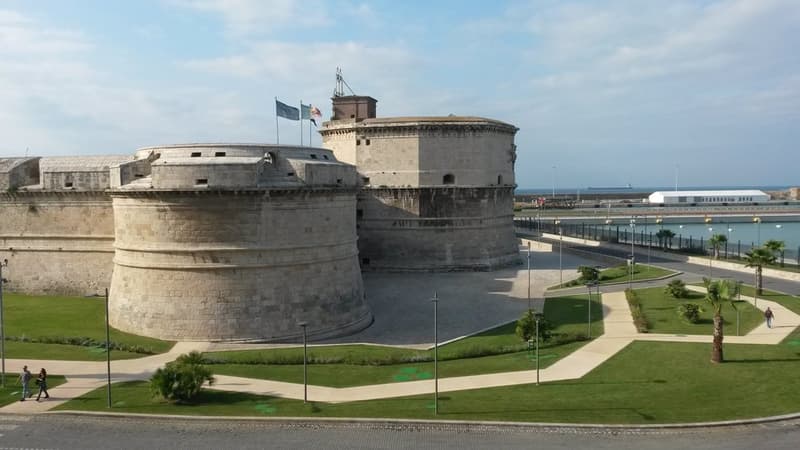
    Your ship docks at Civitavecchia, Rome’s seaport, about 50 miles northwest of the capital. Rome’s great monuments are within reach, but the port town rewards a closer look. Walk the waterfront to Forte Michelangelo, a 16th-century fortress begun under Pope Julius II; explore the old streets and market. Prefer a quieter day? The town’s seafront and nearby beaches offer an easy change of pace. Choose Rome for art and antiquity, or Civitavecchia for coastal life beyond the terminal.

  24. Day 30

    Sorrento, Italy

    Sorrento rises above the Bay of Naples, facing Mount Vesuvius across water busy with ferries. From here, ferries connect with Capri, while the town rewards a slower day among old lanes, churches, and sea-view terraces. Follow the scent of citrus to shops selling Sorrento lemons, locally made limoncello, and finely crafted marquetry. Then pause over lunch: the region’s seafood and Campanian produce are best enjoyed without hurry.

  25. Day 31

    Amalfi, Italy

    Amalfi brings the coast’s drama within easy reach: cliffs, lemon terraces and a harbor backed by steep streets. Start in the old center, where the striped façade of the Cathedral of Saint Andrew rises above Piazza Duomo. Then choose your pace: browse lanes and cafés, visit the Paper Museum, or take the winding road to Ravello. Sea views come with history here, and the pleasure of seeing one of Italy’s celebrated shorelines at close range.

  26. Day 32

    Trapani, Italy

    Trapani sits on Sicily’s western tip, where salt pans, fishing boats and old stone streets define the waterfront. Erice rises above the coast, reached from Trapani by cable car in about ten minutes. Stay in town for the Basilica-Santuario di Maria Santissima Annunziata and the lively lanes around the fish market. Local menus bring couscous, tuna and seafood to the table, reflecting Trapani’s long links with North Africa.

  27. Day 33

    Porto Empedocle, Italy

    Porto Empedocle is a working Sicilian port with an unusually distinguished neighbour: Agrigento’s Valley of the Temples. Just a short drive inland, this UNESCO-listed site preserves some of the finest Greek temples outside Greece. Closer to shore, the pale cliffs of Scala dei Turchi rise above the water near Realmonte. Come for ancient history, then linger over Sicilian seafood and the unhurried rhythms of a port town.

  28. Day 34

    Siracusa, Italy

    Siracusa rewards visitors who look beyond its handsome waterfront. On Ortigia, the old island heart, Greek temples, Baroque palaces and lively markets sit within an easy walk. Across the channel, Neapolis Archaeological Park preserves a Greek theatre, Roman amphitheatre and the famed Ear of Dionysius. Pause for granita or fresh seafood, then watch the light soften over the Ionian Sea.

  29. Day 36

    Kotor, Montenegro

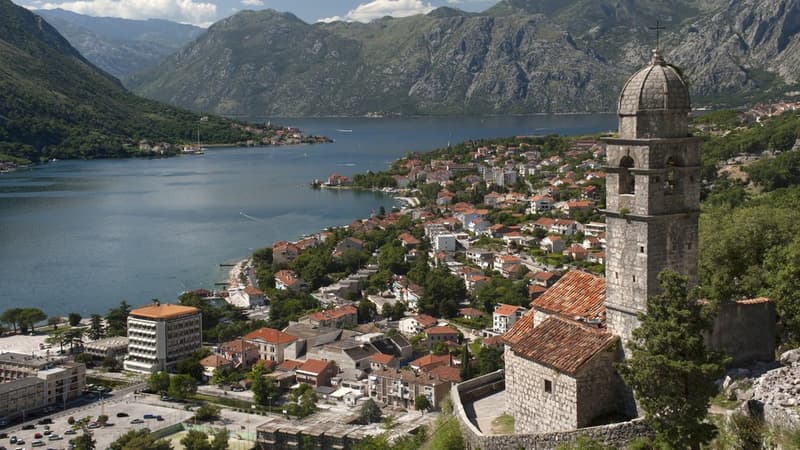
    At the head of Montenegro’s Bay of Kotor, the old town sits beneath steep mountains. Enter through the Sea Gate and follow stone lanes to St Tryphon’s Cathedral. Venetian-era walls frame squares, churches, and cafés within a compact UNESCO-listed center. For a broader view, climb toward San Giovanni Fortress; the steps are demanding. Take water and allow time for the ascent, especially in summer heat. From the harbor, the bay’s changing light makes a memorable arrival and departure.

  30. Day 37

    Sibenik, Croatia

    Šibenik pairs a working waterfront with a medieval centre climbing the hillside. The Cathedral of St James, a UNESCO World Heritage site, was built entirely from stone. From St Michael’s Fortress, take in broad views across the islands, then explore the cafés and narrow lanes below. Four historic fortresses speak to the city’s strategic past. Krka National Park is a rewarding excursion inland.

  31. Day 38

    Venice, Italy

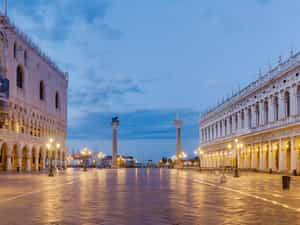
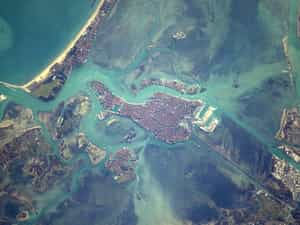
    Arrive in Venice by water, where the lagoon’s canals replace ordinary streets. St Mark’s Basilica and Doge’s Palace anchor the celebrated Piazza San Marco. Take a vaporetto along the Grand Canal, then explore a quieter neighborhood on foot. Confirm your ship’s terminal and transfer arrangements before setting out; cruise access varies. Near Rialto, the market and bridge offer a lively glimpse of the city’s trade. Give yourself time to leave the main routes and follow smaller canals.

  32. Day 40

    Opatija, Croatia

    Opatija has welcomed visitors since the nineteenth century, when Austro-Hungarian aristocrats came for its mild climate and sea air. Today, Habsburg-era villas, manicured parks and an elegant seafront promenade preserve the feel of a grand Adriatic resort. Walk the Lungomare, a twelve-kilometre coastal path linking Opatija with nearby villages, then pause at a café above Kvarner Bay. Local restaurants serve Kvarner seafood; Mount Učka rises behind town, offering a striking change of scenery.

  33. Day 41

    Zadar, Croatia

    Zadar pairs a compact old town with a clear Adriatic setting. Roman streets, Venetian gates and medieval churches tell the story of a city shaped by centuries of trade. On the seafront, the Sea Organ turns waves into music through stone pipes. Nearby, the Sun Salutation gathers solar energy and shines after dark. Beyond the walls, Nin’s salt pans and the island-dotted coast reward a closer look.

  34. Day 42

    Sibenik, Croatia

    Šibenik pairs a working waterfront with a medieval centre climbing the hillside. The Cathedral of St James, a UNESCO World Heritage site, was built entirely from stone. From St Michael’s Fortress, take in broad views across the islands, then explore the cafés and narrow lanes below. Four historic fortresses speak to the city’s strategic past. Krka National Park is a rewarding excursion inland.

  35. Day 43

    Kotor, Montenegro

    At the head of Montenegro’s Bay of Kotor, the old town sits beneath steep mountains. Enter through the Sea Gate and follow stone lanes to St Tryphon’s Cathedral. Venetian-era walls frame squares, churches, and cafés within a compact UNESCO-listed center. For a broader view, climb toward San Giovanni Fortress; the steps are demanding. Take water and allow time for the ascent, especially in summer heat. From the harbor, the bay’s changing light makes a memorable arrival and departure.

  36. Day 44

    Dubrovnik, Croatia

    Spend a day inside Dubrovnik’s UNESCO-listed Old Town, best explored on foot. Walk the city walls for close views of fortifications, roofs, and harbor. Then follow Stradun to Rector’s Palace and the Franciscan monastery. Book wall access in advance during busy months, and start early in summer. Mount Srđ offers a higher view, reached by cable car or road. Leave time for side lanes; their quieter corners reveal the city’s daily rhythm.

  37. Day 45

    Hvar Island Croatia, Croatia

    Hvar Town combines a handsome harbor with stone lanes and a lively island setting. From the waterfront, climb to St Stephen’s Square and its Renaissance cathedral. Continue uphill to the Spanish Fortress for a commanding view over town and Pakleni Islands. Water taxis link the harbor with the nearby islands, weather and schedules permitting. Choose a table along the port, or find a quieter lane above the square. In summer, book ahead; Hvar’s waterfront is among Croatia’s busiest.

  38. Day 46

    Pula, Croatia

    Pula rewards visitors who look beyond its waterfront. At the city’s heart, the Roman Arena stands among antiquity’s best-preserved amphitheatres, still hosting performances today. Nearby, the Arch of the Sergii and Temple of Augustus reveal a city shaped by Rome, Venice and Austria-Hungary. Walk the old centre, then seek clear water, pine shade and seafood paired with local Malvasia along the Istrian coast.

  39. Day 47

    Venice, Italy

    Arrive in Venice by water, where the lagoon’s canals replace ordinary streets. St Mark’s Basilica and Doge’s Palace anchor the celebrated Piazza San Marco. Take a vaporetto along the Grand Canal, then explore a quieter neighborhood on foot. Confirm your ship’s terminal and transfer arrangements before setting out; cruise access varies. Near Rialto, the market and bridge offer a lively glimpse of the city’s trade. Give yourself time to leave the main routes and follow smaller canals.

  40. Day 48

    Koper, Slovenia

    Koper rewards travellers who step ashore ready to explore on foot. Slovenia’s principal seaport opens onto a compact old town shaped by centuries of Venetian rule. At Tito Square, the Praetorian Palace and the cathedral’s bell tower frame a handsome introduction to the city. Beyond its stone lanes, the Istrian hinterland offers vineyards, olive groves and Karst landscapes. Stay awhile: Koper’s quiet confidence is part of its appeal.

  41. Day 49

    Rovinj, Croatia

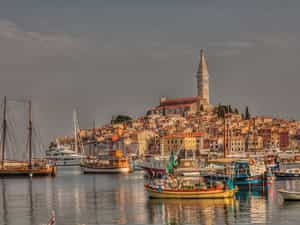
    Rovinj rises above Istria’s western shore, its old town gathered on a peninsula. Follow narrow lanes uphill to St Euphemia’s Church and its landmark bell tower. From the summit, look across red roofs, harbor boats, and the Adriatic. Along the waterfront, restaurants serve Istrian seafood and local wines. Allow time for the marina and nearby coves; the center is best explored on foot. Rovinj rewards a slow walk, particularly in the quieter morning hours.

  42. Day 50

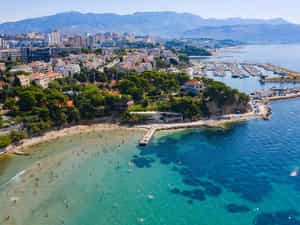
    Split, Croatia

    Split is Croatia’s second-largest city, but its heart feels remarkably intimate. Inside Diocletian’s Palace, Roman walls frame cafés, shops and homes. The cathedral and Peristyle recall the emperor’s former residence. Walk the Riva for views across the harbor and its working waterfront. Then climb Marjan Hill for a broad panorama of red roofs and Adriatic islands. Few ports make history so easy to enter on foot.

  43. Day 51

    Kotor, Montenegro

    At the head of Montenegro’s Bay of Kotor, the old town sits beneath steep mountains. Enter through the Sea Gate and follow stone lanes to St Tryphon’s Cathedral. Venetian-era walls frame squares, churches, and cafés within a compact UNESCO-listed center. For a broader view, climb toward San Giovanni Fortress; the steps are demanding. Take water and allow time for the ascent, especially in summer heat. From the harbor, the bay’s changing light makes a memorable arrival and departure.

  44. Day 52

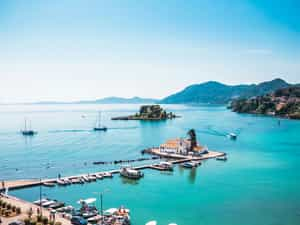
    Corfu Island, Greece

    Corfu rewards visitors who look beyond the beach resorts. Its Old Town, a UNESCO World Heritage site, bears the marks of centuries of Venetian rule. Walk the arcaded Liston, then climb to the Old Fortress for views across the rooftops and Ionian Sea. Beyond town, cypress-lined roads lead to Paleokastritsa’s coves, while the Achilleion palace recalls an imperial past. Allow time for lunch; Corfiot cooking pairs Ionian seafood with Italian and Greek influences.

  45. Day 53

    Kefalonia Island, Greece

    Your first view of Kefalonia may be Argostoli, a working harbor framed by hills and the Ionian Sea. From here, roads lead to traditional villages, the underground lake at Melissani, and the sweeping shore of Myrtos Beach. Argostoli merits a pause for its palm-lined waterfront, lively market, and loggerhead turtles that forage in the harbor. Choose one excursion rather than rushing the island; winding roads make distances longer than the map suggests.

  46. Day 54

    Itea, Greece

    At Itea, the Gulf of Corinth meets the foothills of Mount Parnassus. Delphi lies about 16 kilometres inland, on a dramatic mountainside. Its sanctuary of Apollo and ancient theatre reward the visit. Back in Itea, waterfront cafés look across the gulf. Nearby Amfissa is famed for its extensive olive groves. Choose Itea for a measured day ashore: sacred history above, sea air and an easy promenade below.

  47. Day 55

    Katakolon, Greece

    Katakolon is a compact seaside port on the western Peloponnese, with cafés and shops lining its waterfront. Most visitors come for ancient Olympia, about 35 kilometres inland and readily reached by road. There, the sanctuary, archaeological museum and ancient stadium bring the story of the Olympic Games into focus. Back in Katakolon, allow time for a stroll along the harbour before returning to your ship.

  48. Day 56

    Souda-Chania, Greece

    Souda Bay places you within easy reach of Chania, one of Crete’s most compelling historic towns. A short drive leads to Chania’s Venetian harbour, with its lighthouse, waterfront cafés and narrow lanes. On the Akrotiri peninsula, monasteries and coastal views share the landscape with the Allied war cemetery overlooking Souda Bay. Make time for Cretan cooking, distinguished by fine olive oil, local cheeses and wild herbs.

  49. Day 57

    Piraeus-Athens, Greece

    Piraeus is Athens’ working harbour, not a resort port—and that is its appeal. From here, the capital’s ancient landmarks are within reach, while the waterfront keeps its own busy, distinctly Greek character. Visit the Archaeological Museum of Piraeus, then linger over grilled fish in Mikrolimano, a small harbour lined with tavernas. Metro connections make central Athens straightforward. Or stay near the water and watch ferries depart for the islands.

  50. Day 58

    Monemvasia, Greece

    Monemvasia rises from the sea as a sheer rock, joined to the Peloponnese by a narrow causeway. Step through its medieval gate into a stone-built town of vaulted lanes, Byzantine churches and Venetian-era mansions. Cars stay outside the lower town, leaving its steep alleys to walkers. Climb to the ruined upper fortress for wide views across the Aegean, then return for local wine and seafood.

  51. Day 59

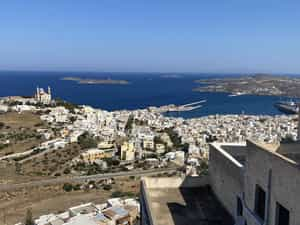
    Syros Island, Greece

    Above Ermoupoli’s busy harbor, Áno Sýros keeps the quieter face of Syros. Its medieval lanes climb toward the Catholic Cathedral of Saint George, past whitewashed houses and small tavernas. Go on foot in shoes with grip, pausing for views across the Aegean and down to the neoclassical capital. This is a place for unhurried exploring, not a beach day.

  52. Day 60

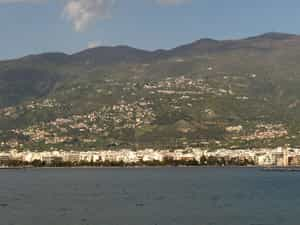
    Volos, Greece

    Volos sits at the head of the Pagasetic Gulf, with Mount Pelion rising behind the city. Its waterfront cafés and lively tsipouradika serve the local ritual of tsipouro with small plates. The Archaeological Museum displays finds from Thessaly, including rare Neolithic objects. Beyond town, Pelion villages offer stone mansions, shaded squares and mountain paths. Take the historic narrow-gauge railway through the hills, or follow the coast to clear-water beaches.

  53. Day 61

    Thessaloniki, Greece

    Thessaloniki rewards travelers who look beyond the waterfront. Greece’s second-largest city layers Roman, Byzantine and Ottoman history into a lively modern center. Walk the seafront to the White Tower, then explore Byzantine churches and monuments recognized by UNESCO. The Roman Rotunda and Arch of Galerius reveal the city’s imperial past. Make time for Ladadika’s tavernas and Modiano Market, where northern Greek flavors take the lead.

  54. Day 62

    Kavala, Greece

    Kavala climbs from its harbor to the walled peninsula of Panagia, with Mount Symvolo behind it. Explore the old quarter’s stone lanes, the 16th-century aqueduct and Muhammad Ali’s early-19th-century Imaret. Along the waterfront, tobacco warehouses recall the trade that shaped the city. Order fresh fish, or take a regular ferry to Thasos, where beaches offer an easy island escape.

  55. Day 63

    Istanbul, Turkey

    Istanbul makes a compelling first impression: minarets rise above the Bosphorus, while ferries cross between Europe and Asia. On the historic peninsula, Hagia Sophia, the Blue Mosque and Topkapi Palace place centuries of empire within walking distance. Istanbul rewards curiosity beyond its landmarks. Browse the Grand Bazaar, linger over Turkish coffee, then take a ferry to the Asian shore. Allow time for traffic and queues; the city’s scale is part of the experience.

  56. Day 65

    Canakkale, Turkey

    Çanakkale stands on the Asian shore of the Dardanelles, where Europe and Asia face each other across a busy strait. Its waterfront cafés, ferry traffic and Ottoman-era Çimenlik Castle offer a direct introduction to the city’s maritime past. Across the water, Gallipoli’s battlefields and memorials recall the 1915 campaign, while ancient Troy lies about 30 kilometres south. Both make compelling excursions, but leave time to walk the promenade and watch ferries cross the strait.

  57. Day 66

    Chios Island, Greece

    Chios lies in the eastern Aegean, a short crossing from Turkey, yet it feels distinctly its own. Its chief distinction is mastic, the aromatic resin harvested in southern villages and prized since antiquity. In Pyrgi, geometric black-and-white façades turn ordinary streets into an open-air gallery. Visit the 11th-century Nea Moni, a UNESCO-listed monastery, and study its Byzantine mosaics. Back in Chios Town, stroll the waterfront and sample local mastic liqueur.

  58. Day 67

    Rhodes Island, Greece

    Rhodes pairs a fortified medieval capital with a sunlit Aegean coast. The UNESCO-listed Old Town stands just beyond the harbour, enclosed by formidable walls built by the Knights of St John. Walk its cobbled lanes to the Palace of the Grand Master, then pause over coffee in a shaded square. Beyond the city, beaches and whitewashed Lindos reward a longer outing; an ancient acropolis crowns the bay.

  59. Day 68

    Agios Nikolaos, Greece

    Agios Nikolaos gives eastern Crete a cosmopolitan face, set around the deep blue waters of Mirabello Bay. At its heart, Lake Voulismeni connects to the harbor, bordered by cafés and a lively waterfront. Beyond town, the Minoan site at Gournia and the Venetian fortress of Spinalonga reveal layers of history. Come ashore for a swim, a lakeside lunch, or a drive through Crete’s olive-covered hills.

  60. Day 69

    Santorini Island, Greece

    Few Greek islands make an entrance like Santorini, where whitewashed villages crown a volcanic caldera above the Aegean. Most cruise ships anchor offshore, and tenders land at the old port below Fira. Ride the cable car, or climb the steps, to reach the island’s capital and its celebrated views. Beyond Fira, Oia’s blue domes, the archaeological site of Akrotiri, and volcanic wines reward a longer day ashore.

  61. Day 70

    Mykonos Island, Greece

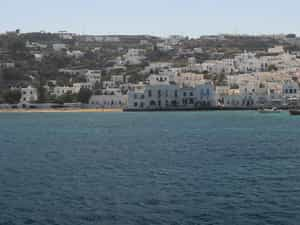
    Mykonos rewards an early start: whitewashed lanes, blue-domed churches and waterfront cafés are quieter before the cruise crowds arrive. In Little Venice, old captains’ houses lean over the Aegean, while the island’s windmills stand above the harbor. Beyond town, beaches range from lively Psarou to the broad sands of Elia. Take a short boat ride to Delos, where ancient sanctuaries and marble streets mark one of Greece’s great archaeological sites.

  62. Day 71

    Piraeus-Athens, Greece

    Piraeus is Athens’ working harbour, not a resort port—and that is its appeal. From here, the capital’s ancient landmarks are within reach, while the waterfront keeps its own busy, distinctly Greek character. Visit the Archaeological Museum of Piraeus, then linger over grilled fish in Mikrolimano, a small harbour lined with tavernas. Metro connections make central Athens straightforward. Or stay near the water and watch ferries depart for the islands.

Azamara Journey Cruises
Published August 27, 2026
Last updated October 3, 2026
Author: J. Richard


Cruise Disclosure

Good to know: Prices are quoted per person based on double occupancy and include all applicable taxes and fees. Availability and prices can change quickly, so please continue through the booking process to confirm the latest availability and pricing before you pay.

We work hard to make sure everything on this website is accurate and up to date. However, some information may be incomplete or inaccurate, including details supplied by third parties or otherwise outside our control, and we cannot be held responsible for such errors. We work with 0 cruise line operators, that are providing cruises on 0 ships visiting 0 ports across 0 unique cruises, creating 0 itineraries. This is a great deal of data to continually update daily from our suppliers. If a pricing error, misrepresentation, or omission occurs, we reserve the right to adjust the pricing, correct the information, or cancel or decline any booking made in error, with notice to you. Thank you for your understanding!