Italy Cruise from Civitavecchia — 25 Days

24 nights · Italy · Departs Civitavecchia-Rome (Italy) · Visiting Ponza Island, Salerno, Siracusa, Zakynthos Island, Souda-Chania, Spetses Island, Piraeus-Athens, Milos Island, Kalamata, Corfu Island, Kotor, Dubrovnik, Venice, Ravenna, Korcula Island Croatia, Bari, Valletta, Trapani, Naples · Aboard Crystal Cruises on the Crystal Symphony

Crystal Cruises logo
Cruise lineCrystal Cruises
ShipCrystal Symphony
Duration24 nights
Port calls20
Departures1 sailings
From fare$14,090 per person
Year built1995
Guests606
Cabins310
Crew530
Length238 m
Beam31 m
Cruising speed21.0 kn
  1. Day 1

    Civitavecchia-Rome, Italy

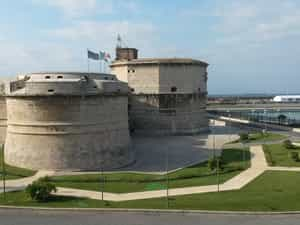
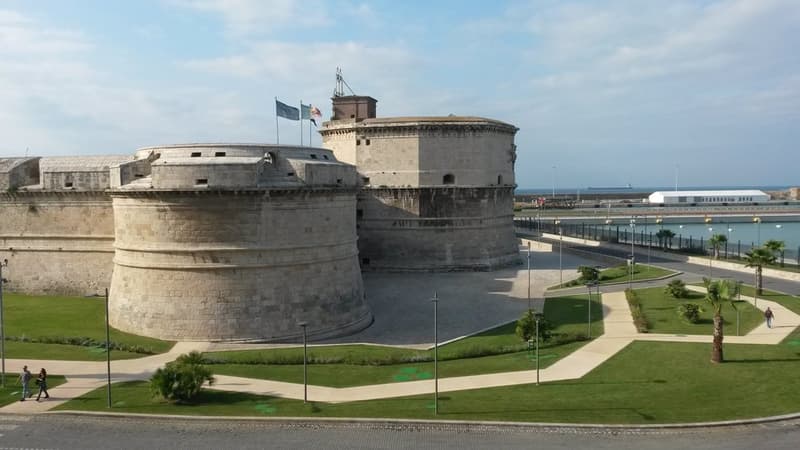
    Your ship docks at Civitavecchia, Rome’s seaport, about 50 miles northwest of the capital. Rome’s great monuments are within reach, but the port town rewards a closer look. Walk the waterfront to Forte Michelangelo, a 16th-century fortress begun under Pope Julius II; explore the old streets and market. Prefer a quieter day? The town’s seafront and nearby beaches offer an easy change of pace. Choose Rome for art and antiquity, or Civitavecchia for coastal life beyond the terminal.

  2. Day 2

    Ponza Island, Italy

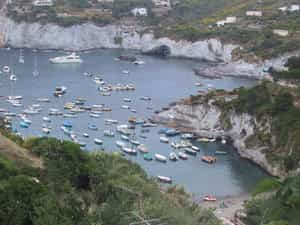
    Ponza is the largest island in the Pontine archipelago, set off Lazio’s coast between Rome and Naples. Arrive by ferry, and pastel houses climb above a harbour where fishing boats share the water with sleek yachts. Beyond town, Roman-era grottoes, clear coves and volcanic cliffs reward a day spent exploring by boat. On land, follow winding roads to beaches and viewpoints. Return for seafood as the sun sets over the Tyrrhenian Sea.

  3. Day 3

    Salerno, Italy

    Salerno puts southern Italy within easy reach, with ferries and roads leading toward the Amalfi Coast. Yet the city rewards a closer look: its old lanes gather around the handsome Duomo di San Matteo. Inside, bronze doors and a richly decorated crypt recall Salerno’s medieval importance as a center of learning. Climb to Arechi Castle for broad views across the Gulf, or venture inland to the Greek temples at Paestum.

  4. Day 4

    Siracusa, Italy

    Siracusa rewards visitors who look beyond its handsome waterfront. On Ortigia, the old island heart, Greek temples, Baroque palaces and lively markets sit within an easy walk. Across the channel, Neapolis Archaeological Park preserves a Greek theatre, Roman amphitheatre and the famed Ear of Dionysius. Pause for granita or fresh seafood, then watch the light soften over the Ionian Sea.

  5. Day 6

    Zakynthos Island, Greece

    Zakynthos rewards a day beyond the quay. On this Ionian island, Venetian traces meet neoclassical arcades, lively cafés and the waterfront of Zakynthos Town. Visit the Byzantine Museum on Solomos Square, then climb to Bohali for views across town and harbor. Further afield, boat trips reveal the Blue Caves, while protected Laganas Bay shelters loggerhead turtles. Plan excursions carefully: winding roads make the island’s coves and viewpoints farther apart than they appear.

  6. Day 7

    Souda-Chania, Greece

    Souda Bay places you within easy reach of Chania, one of Crete’s most compelling historic towns. A short drive leads to Chania’s Venetian harbour, with its lighthouse, waterfront cafés and narrow lanes. On the Akrotiri peninsula, monasteries and coastal views share the landscape with the Allied war cemetery overlooking Souda Bay. Make time for Cretan cooking, distinguished by fine olive oil, local cheeses and wild herbs.

  7. Day 8

    Spetses Island, Greece

    Spetses lies in the Saronic Gulf, a short ferry ride from the Peloponnese and within reach of Athens. Its elegant harbor town invites slow discovery: neoclassical mansions, pine-fringed lanes and waterfront cafés gather around Dapia. Private cars are largely absent, so explore on foot, by bicycle, water taxi or horse-drawn carriage. The Bouboulina Museum traces the island’s pivotal role in Greece’s War of Independence. Stay for the sea at dusk.

  8. Day 9

    Piraeus-Athens, Greece

    Piraeus is Athens’ working harbour, not a resort port—and that is its appeal. From here, the capital’s ancient landmarks are within reach, while the waterfront keeps its own busy, distinctly Greek character. Visit the Archaeological Museum of Piraeus, then linger over grilled fish in Mikrolimano, a small harbour lined with tavernas. Metro connections make central Athens straightforward. Or stay near the water and watch ferries depart for the islands.

  9. Day 10

    Milos Island, Greece

    Arrive at Adamas, Milos’s sheltered ferry port, and you step onto an island shaped by fire and sea. Its volcanic geology has carved pale cliffs, sea caves, and beaches across the coast. Visit Sarakiniko’s sculpted white rock, then climb to Plaka for island-wide views and a quiet evening. At Tripiti, visit the early Christian catacombs and ancient theater, near where the Venus de Milo was found in 1820.

  10. Day 11

    Kalamata, Greece

    Kalamata, set between the Messinian Gulf and the Taygetus Mountains, is the gateway to Greece’s southern Peloponnese. Its name is inseparable from the region’s renowned olives, but the city rewards a closer look. Explore the old quarter below the hilltop castle, then pause at the seafront. Inland, the remarkably preserved ancient city of Messene offers a compelling excursion into Greece’s classical past.

  11. Day 12

    Corfu Island, Greece

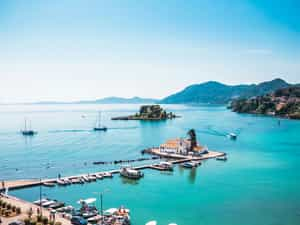
    Corfu rewards visitors who look beyond the beach resorts. Its Old Town, a UNESCO World Heritage site, bears the marks of centuries of Venetian rule. Walk the arcaded Liston, then climb to the Old Fortress for views across the rooftops and Ionian Sea. Beyond town, cypress-lined roads lead to Paleokastritsa’s coves, while the Achilleion palace recalls an imperial past. Allow time for lunch; Corfiot cooking pairs Ionian seafood with Italian and Greek influences.

  12. Day 13

    Kotor, Montenegro

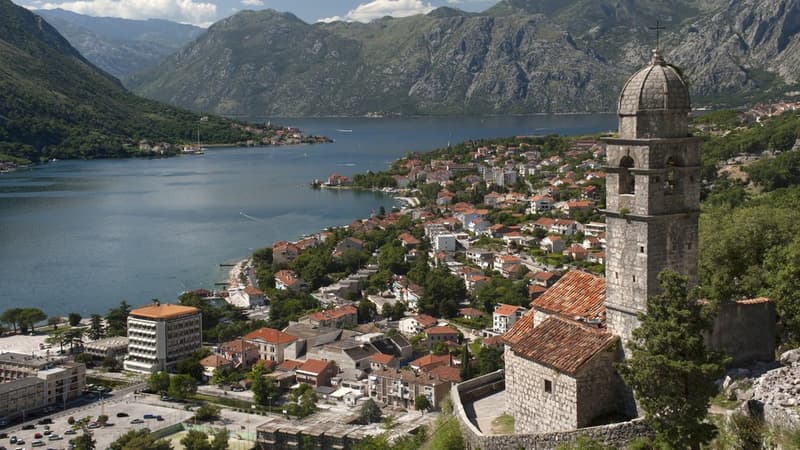
    At the head of Montenegro’s Bay of Kotor, the old town sits beneath steep mountains. Enter through the Sea Gate and follow stone lanes to St Tryphon’s Cathedral. Venetian-era walls frame squares, churches, and cafés within a compact UNESCO-listed center. For a broader view, climb toward San Giovanni Fortress; the steps are demanding. Take water and allow time for the ascent, especially in summer heat. From the harbor, the bay’s changing light makes a memorable arrival and departure.

  13. Day 14

    Dubrovnik, Croatia

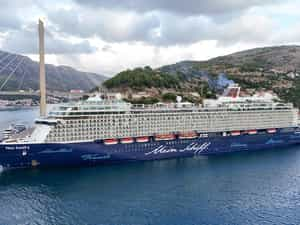
    Spend a day inside Dubrovnik’s UNESCO-listed Old Town, best explored on foot. Walk the city walls for close views of fortifications, roofs, and harbor. Then follow Stradun to Rector’s Palace and the Franciscan monastery. Book wall access in advance during busy months, and start early in summer. Mount Srđ offers a higher view, reached by cable car or road. Leave time for side lanes; their quieter corners reveal the city’s daily rhythm.

  14. Day 16

    Venice, Italy

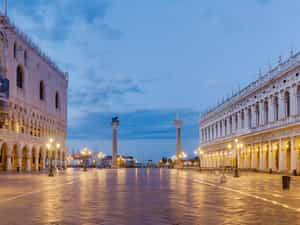
    Arrive in Venice by water, where the lagoon’s canals replace ordinary streets. St Mark’s Basilica and Doge’s Palace anchor the celebrated Piazza San Marco. Take a vaporetto along the Grand Canal, then explore a quieter neighborhood on foot. Confirm your ship’s terminal and transfer arrangements before setting out; cruise access varies. Near Rialto, the market and bridge offer a lively glimpse of the city’s trade. Give yourself time to leave the main routes and follow smaller canals.

  15. Day 17

    Ravenna, Italy

    Ravenna rewards travellers who look beyond the shoreline. From Porto Corsini, the historic centre lies about 12 kilometres inland. Eight UNESCO-listed monuments preserve some of Europe’s finest Byzantine mosaics. See the Basilica of San Vitale and the intimate Mausoleum of Galla Placidia, famed for its starry ceiling. Dante’s tomb and quiet piazzas complete a city best explored on foot, at an unhurried pace.

  16. Day 19

    Korcula Island Croatia, Croatia

    Korčula rises from the Adriatic on an island famed for vineyards, clear coves and stone villages. Inside the old walls, narrow streets fan out in a fishbone pattern. Follow them past Venetian Gothic façades to St Mark’s Cathedral and the town’s small squares. Beyond the harbor, island wineries pour local Grk and Pošip, while swimming coves reward a longer stay.

  17. Day 20

    Bari, Italy

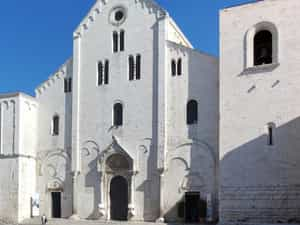
    Bari is Puglia’s lively capital, with a working port and a historic center close by. Enter Bari Vecchia on foot and follow its lanes toward the Basilica of Saint Nicholas. This Romanesque church draws pilgrims and visitors to the saint’s revered relics. On Arco Basso, local women have traditionally shaped orecchiette by hand. Then cross to the seafront or browse Via Sparano’s shops and cafés. Order seafood or a plate of Puglia’s distinctive pasta before returning to port.

  18. Day 22

    Valletta, Malta

    Valletta makes a powerful first impression, its honey-coloured walls rising above Grand Harbour. Founded by the Knights of St John in 1566, Malta’s compact capital rewards exploration on foot. Enter St John’s Co-Cathedral for Caravaggio’s monumental paintings, then follow Republic Street to cafés, palaces and the Upper Barrakka Gardens. From the terraces, watch ferries cross the harbour and look towards the Three Cities. Allow time for steep lanes and quiet side streets.

  19. Day 23

    Trapani, Italy

    Trapani sits on Sicily’s western tip, where salt pans, fishing boats and old stone streets define the waterfront. Erice rises above the coast, reached from Trapani by cable car in about ten minutes. Stay in town for the Basilica-Santuario di Maria Santissima Annunziata and the lively lanes around the fish market. Local menus bring couscous, tuna and seafood to the table, reflecting Trapani’s long links with North Africa.

  20. Day 24

    Naples, Italy

    Naples puts its history within reach: the port opens onto a compact city framed by Mount Vesuvius and the bay. UNESCO-listed streets lead to churches, palaces and the everyday theatre of southern Italian life. At the National Archaeological Museum, mosaics and objects from Pompeii and Herculaneum bring the Roman world sharply into focus. Stay close for Neapolitan pizza, or use Naples as a springboard to Pompeii, Herculaneum and Capri.

  21. Day 25

    Civitavecchia-Rome, Italy

    Your ship docks at Civitavecchia, Rome’s seaport, about 50 miles northwest of the capital. Rome’s great monuments are within reach, but the port town rewards a closer look. Walk the waterfront to Forte Michelangelo, a 16th-century fortress begun under Pope Julius II; explore the old streets and market. Prefer a quieter day? The town’s seafront and nearby beaches offer an easy change of pace. Choose Rome for art and antiquity, or Civitavecchia for coastal life beyond the terminal.

Crystal Symphony Cruises

Published August 18, 2026
Last updated October 3, 2026
Author: J. Richard


Cruise Disclosure

Good to know: Prices are quoted per person based on double occupancy and include all applicable taxes and fees. Availability and prices can change quickly, so please continue through the booking process to confirm the latest availability and pricing before you pay.

We work hard to make sure everything on this website is accurate and up to date. However, some information may be incomplete or inaccurate, including details supplied by third parties or otherwise outside our control, and we cannot be held responsible for such errors. We work with 41 cruise line operators, that are providing cruises on 585 ships visiting 1,731 ports across 7,194 unique cruises, creating 13,822 itineraries. This is a great deal of data to continually update daily from our suppliers. If a pricing error, misrepresentation, or omission occurs, we reserve the right to adjust the pricing, correct the information, or cancel or decline any booking made in error, with notice to you. Thank you for your understanding!