Portugal Cruise from Lisbon to Reykjavík — 55 Days

54 nights · Portugal · Departs Lisbon (Portugal) · Visiting Porto-Leixoes, La Coruna, Bordeaux, La Rochelle, Brest, Guernsey Island, Le Havre-Paris, Isle of Wight, Portsmouth UK, Zeebrugge, IJmuiden, Newcastle upon Tyne, Leith-Edinburgh, Kirkwall, Oslo, Lysekil, Copenhagen, Aarhus, Goteborg, Haugesund, Maloy, Kristiansund, Tromso, Hammerfest, Honningsvag, Alta, Jan Mayen Island, Akureyri, Isafjordur, Reykjavik, Nanortalik, Sisimiut, Nuuk, Paamiut, Tasiilaq, Siglufjordur, Grundarfjordur · Aboard Crystal Cruises on the Crystal Symphony

Crystal Cruises logo
Cruise lineCrystal Cruises
ShipCrystal Symphony
Duration54 nights
Port calls38
Departures1 sailings
From fare$31,500 per person
Year built1995
Guests606
Cabins310
Crew530
Length238 m
Beam31 m
Cruising speed21.0 kn
  1. Day 1

    Lisbon, Portugal

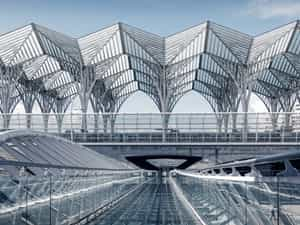
    Lisbon is a city best approached with time and comfortable shoes. Its seven hills rise above the Tagus, linking tiled lanes, grand squares and viewpoints with wide river views. In Alfama, narrow streets preserve the feel of old Lisbon. In Belém, the Jerónimos Monastery and Tower recall Portugal’s age of discovery. Pause for coffee and a warm pastel de nata between sights.

  2. Day 2

    Porto-Leixoes, Portugal

    Porto is a city best approached on foot, where steep lanes descend towards the Douro and the Atlantic beyond. Across the river, Vila Nova de Gaia’s historic port-wine lodges offer tastings and views back to the old town. Between them, the Ribeira waterfront, tiled churches and iron bridges tell the story of a trading city shaped by water. Taste tawny port, then linger over market halls, intimate museums and unhurried meals.

  3. Day 3

    La Coruna, Spain

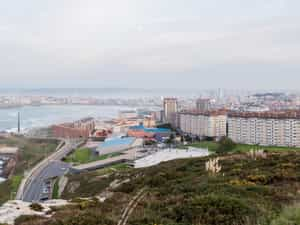
    La Coruña rewards a shore day spent looking beyond the waterfront. In Galicia’s Atlantic capital, glass-fronted galerías brighten the marina. Old town lanes lead to quiet squares and the church of Santiago. Walk the headland to the Tower of Hercules, the world’s oldest working Roman lighthouse and a UNESCO World Heritage site. Then settle over local seafood and Albariño, with the ocean never far from view.

  4. Day 5

    Bordeaux, France

    Bordeaux is best approached through its river: the Garonne leads into a city shaped by trade, wine and ambitious architecture. Along the UNESCO-listed Port of the Moon, eighteenth-century façades frame broad quays and the Place de la Bourse. Beyond the centre, renowned wine estates and the Médoc’s château-lined roads invite a longer excursion. Stay in town for a market, a riverside walk and a glass of local claret. Venture farther for vineyard landscapes that explain Bordeaux’s global reputation.

  5. Day 7

    La Rochelle, France

    La Rochelle rewards a day ashore with a handsome harbour, salt air and a history built on Atlantic trade. Its Vieux Port is framed by medieval towers, once guarding the entrance to one of France’s most important maritime cities. Walk beneath arcades to the market, then choose oysters or seafood beside the water. For a change of pace, the Aquarium brings Atlantic marine life within easy reach of the quays.

  6. Day 8

    Brest, France

    Brest stands at France’s western edge, where the Atlantic has shaped a formidable naval port. Rebuilt after extensive wartime destruction, the city has broad avenues and a distinctly modern feel. The harbor’s Château de Brest houses the National Maritime Museum, a vivid introduction to France’s maritime past. Visit Océanopolis for a different view of ocean life, then look beyond the city toward Brittany’s rugged coast.

  7. Day 9

    Guernsey Island

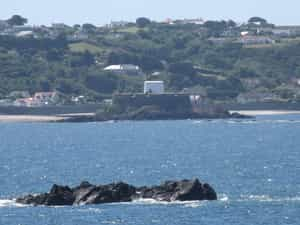
    Guernsey rewards travellers who look beyond its handsome harbour. St Peter Port rises from the waterfront, its lanes climbing past Georgian houses and independent shops. At the harbour entrance, Castle Cornet has guarded the island for centuries. Beyond town, cliff paths, sheltered coves and country lanes reveal a landscape shaped by sea and history. Guernsey is a self-governing Crown Dependency, not part of the United Kingdom. It uses sterling, and issues its own banknotes and coins.

  8. Day 10

    Le Havre-Paris, France

    Le Havre is more than a gateway to Normandy; it is a city worth seeing in its own right. Rebuilt after wartime destruction under architect Auguste Perret, its striking concrete centre earned UNESCO World Heritage status. Visit the Musée d’Art moderne André Malraux for an exceptional collection of Impressionist paintings, then walk the seafront. Beyond the city, Normandy offers medieval Honfleur, the D-Day landing sites and the abbey at Mont-Saint-Michel.

  9. Day 11

    Isle of Wight

    The Isle of Wight rewards a closer look than its compact size suggests. Just off England’s south coast, the island pairs chalk cliffs and quiet beaches with villages shaped by seafaring history. Visit Osborne, Queen Victoria’s Italianate summer home, or walk the coastal path towards the Needles. Here, white cliffs rise above the Solent. In Cowes, sailing remains part of daily life, not merely a spectacle.

  10. Day 11

    Portsmouth UK

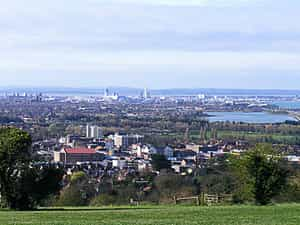
    Portsmouth is Britain’s great naval city, where the nation’s maritime story remains vividly present. At the Historic Dockyard, step aboard Nelson’s HMS Victory and visit the Mary Rose Museum. The Tudor warship, lifted from the Solent after 437 years, reveals extraordinary detail of life at sea. Beyond the waterfront, find lively cafés, independent shops and views from the 170-metre Spinnaker Tower. Portsmouth rewards those who want history close at hand beside a working seafront.

  11. Day 13

    Zeebrugge, Belgium

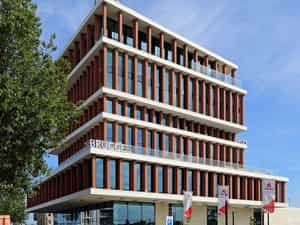
    Zeebrugge is Belgium’s North Sea gateway, but Bruges is the reason many travellers come ashore. The medieval city lies about 17 kilometres inland, its canals, brick gables and market square remarkably intact. The coast has its own appeal: stroll the broad beach, watch fishing boats return, or find seafood near the harbour. Choose your day well, and you can pair Bruges’ rich history with the Flemish coast’s open skies and sea air.

  12. Day 14

    IJmuiden, Netherlands

    IJmuiden sits where the North Sea meets the canal leading inland to Amsterdam, about 25 kilometres away. Watch ocean-going ships pass the sea locks, a striking reminder that this is one of Europe’s busiest ports. Choose Amsterdam’s museums and canal houses, or explore Haarlem’s historic centre. IJmuiden aan Zee offers broad sands and a bracing North Sea walk. This is a practical gateway with a distinctly coastal edge.

  13. Day 16

    Newcastle upon Tyne

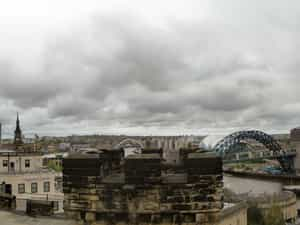
    Your ship docks at the Port of Tyne, in North Shields, about eight miles from Newcastle’s centre. Newcastle’s story unfolds along the river, beneath its famous bridges. The medieval castle gave the city its name. Walk the Quayside for riverside views, then explore the compact historic centre. Hadrian’s Wall, a UNESCO World Heritage Site, lies within reach for an excursion into Roman Britain. Nearby Tynemouth offers a broad beach, a ruined priory and a change of pace.

  14. Day 17

    Leith-Edinburgh

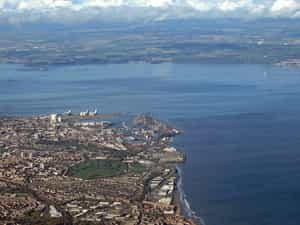
    Leith brings Edinburgh within reach, but rewards those who stay by the water. Once a working port, this lively district pairs maritime history with independent restaurants, galleries and a strong local character. At Ocean Terminal, step aboard the Royal Yacht Britannia, the former royal residence now open to visitors. Trams and buses connect you with the capital: Edinburgh Castle, its museums and Georgian streets make an easy day ashore.

  15. Day 18

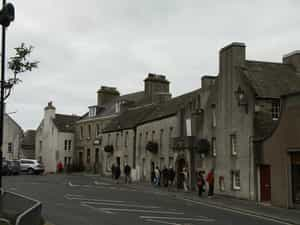
    Kirkwall

    Kirkwall is Orkney’s compact capital, where Norse history remains part of everyday life. Begin at St Magnus Cathedral, a striking red-sandstone landmark founded in 1137. Nearby, the ruins of the Earl’s and Bishop’s palaces reveal the power once held here. Beyond town, prehistoric sites such as Skara Brae and the Ring of Brodgar make a compelling excursion. Leave time for the harbor, local shops, and a dram of island whisky.

  16. Day 20

    Oslo, Norway

    Oslo rewards curious travellers with a rare balance of grand history, modern design and easy access to nature. From the harbour, walk to City Hall, the Nobel Peace Center and Akershus Fortress, whose ramparts overlook the fjord. Across the water, Bygdøy gathers standout museums, including the Fram Museum and Norwegian Folk Museum. Save time for the Opera House, where a public roof offers a striking view over the city and Oslofjord.

  17. Day 21

    Lysekil, Sweden

    Lysekil sits on Sweden’s Bohuslän coast, where smooth pink granite meets the Skagerrak. From the harbour, explore the old town’s lanes, then follow the shore to Stångehuvud Nature Reserve. Its bare granite headland opens onto wide sea views. Havets Hus aquarium introduces the marine life of Gullmar Fjord, Sweden’s only true fjord. Try local seafood beside the harbour, where working boats keep Lysekil’s fishing heritage in view.

  18. Day 22

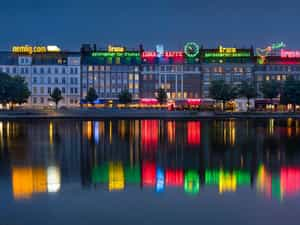
    Copenhagen, Denmark

    Copenhagen is best explored at street level, where royal history meets modern design. At Nyhavn, colorful harbor-front houses frame canal tours; nearby Amalienborg Palace is the monarch’s winter residence. Christiansborg Palace combines Denmark’s parliament with historic royal rooms, while Christianshavn’s canals reveal a quieter side. Pause for smørrebrød, the open-faced rye-bread staple, and explore the city’s design shops before returning to port.

  19. Day 24

    Aarhus, Denmark

    Arrive in Aarhus, Denmark’s second-largest city, where a waterfront meets one of Scandinavia’s most rewarding cultural scenes. From the port, the compact centre is easy to explore on foot. See the Gothic cathedral, browse the Latin Quarter’s independent shops, then visit ARoS for its rooftop panorama. At Den Gamle By, historic Danish streets and interiors bring everyday life across centuries into view. Choose Aarhus for a day with substance: excellent museums, good design, and lively café culture.

  20. Day 25

    Goteborg, Sweden

    Gothenburg, Sweden’s second-largest city, faces the Kattegat from a working west-coast harbour. Dutch-designed canals frame grand squares and Haga’s 19th-century wooden houses. At the waterfront, seafood is a serious business; the city’s celebrated fish market and restaurants showcase the North Sea catch. Beyond the centre, ferries connect with islands of the southern archipelago, an easy excursion from town. Come for the harbour, stay for a city that makes Scandinavian design and maritime heritage part of daily life.

  21. Day 26

    Fjord Cruising (Fjord Cruising)

  22. Day 27

    Haugesund, Norway

    Haugesund sits between the North Sea and the sheltered waters of Karmsundet, where Norway’s maritime story feels close at hand. The town grew on herring and shipping, and its waterfront retains a working-port character. Walk Haraldsgata for cafés and shops, then visit Haraldshaugen, a monument commemorating King Harald Fairhair. Across the sound, Avaldsnes offers a closer look at Norway’s Viking-age past.

  23. Day 28

    Maloy, Norway

    At Norway’s western edge, Måløy is a working harbour town where fishing remains central to daily life. The Måløy Bridge links Vågsøy island with the mainland, while the open Atlantic shapes the town’s brisk, salt-aired character. Nearby, the sea has sculpted Kannesteinen into a striking stone mushroom. Refviksanden, a broad beach of pale sand, rewards a short coastal outing. The 1941 British commando raid left a lasting mark on Måløy’s history.

  24. Day 29

    Kristiansund, Norway

    Kristiansund spreads across four islands on Norway’s rugged west coast, linked by bridges and ferries. Its harbor has shaped a town long tied to the sea and the trade in klippfisk, salted and dried cod. Ride the Sundbåten harbor ferry for an easy look at waterfront life. Beyond town, the Atlantic Ocean Road makes a memorable drive across bridges and exposed coastline.

  25. Day 31

    Tromso, Norway

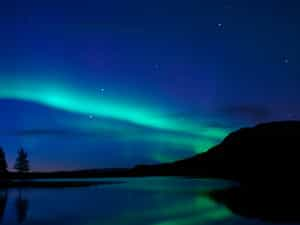
    Tromsø puts the Arctic within easy reach, yet its cafés, galleries and university give the city a lively, modern pulse. Set on an island above the Arctic Circle, it is linked to the mainland by a bridge and tunnel. Visit the Polar Museum and the Arctic Cathedral. Ride the Fjellheisen cable car for views across mountains and sea. In winter, the northern lights may appear overhead.

  26. Day 32

    Hammerfest, Norway

    At 70°39′ north, Hammerfest is among the world’s northernmost towns, set on Norway’s Arctic coast. Its harbour welcomes fishing vessels and the coastal express, carrying travellers through stark northern scenery. Visit the Museum of Reconstruction to learn how the town was destroyed during the German retreat in 1944, then rebuilt. By the waterfront, the Meridian Column commemorates the Struve Geodetic Arc, now a UNESCO World Heritage site.

  27. Day 33

    Honningsvag, Norway

    Honningsvåg sits on Magerøya, above the Arctic Circle, where fishing boats share the harbour with expedition ships. From here, a road crosses open tundra to the North Cape plateau, about 35 kilometres away. At 71° north, the light becomes the main event: midnight sun in summer, polar night in winter. Walk the small town, then seek king crab, coastal views and stories of life near Europe’s edge.

  28. Day 34

    Alta, Norway

    Alta is a small town in Norway’s far north, set at the head of Altafjord. Its position beneath the auroral oval draws winter visitors hoping to see the northern lights. At the Alta Museum, UNESCO-listed rock art offers a glimpse of life here as far back as 7,000 years ago. In summer, long daylight opens the Finnmark plateau to walks and scenic drives. Sámi traditions, including reindeer husbandry, shape the wider region.

  29. Day 36

    Jan Mayen Island, Norway

    Jan Mayen is less a conventional port than a rare landing on Norway’s remote Arctic island. Set between Greenland and the Norwegian Sea, it is dominated by Beerenberg. At 2,277 metres, its glaciated summit is the world’s northernmost active volcano. With no town or visitor infrastructure, landings depend on weather and sea conditions. If ashore, expect stark volcanic shores, broad Arctic horizons and seabird colonies—not shops or sightseeing buses.

  30. Day 38

    Akureyri, Iceland

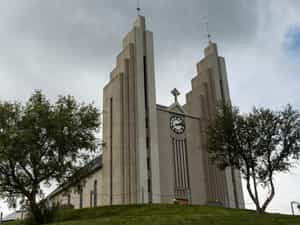
    Akureyri sits at the head of Eyjafjörður, Iceland’s longest fjord, with mountains rising beyond its compact harbour. Walk uphill to Akureyrarkirkja, then browse cafés and shops along Hafnarstræti. The town’s botanical garden grows thousands of plant varieties despite its northern latitude. From the waterfront, boats head out to watch whales. Road trips reach Goðafoss and the volcanic landscapes around Lake Mývatn. Akureyri rewards a day spent both in town and beyond.

  31. Day 39

    Isafjordur, Iceland

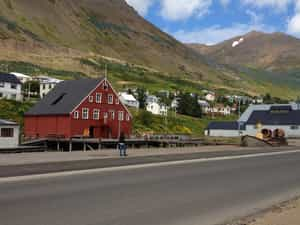
    Ísafjörður is the Westfjords’ principal town, set between a sheltered harbor and steep, often snow-streaked mountains. Walk its compact center to see colorful timber houses, then visit the Westfjords Heritage Museum in the historic harbor district. Its exhibits trace the fishing trade that shaped life along Iceland’s remote western coast. Beyond town, dramatic fjord scenery unfolds along winding roads. With a full day ashore, consider the drive to Dynjandi, one of the region’s most striking waterfalls.

  32. Day 40

    Reykjavik, Iceland

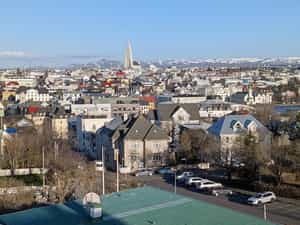
    Reykjavík is a capital with one foot in the wild. The Atlantic frames the city, volcanic mountains rise on the horizon, and geothermal water warms its pools. Start at Hallgrímskirkja, whose tower commands broad views, then walk down to the harbor and Harpa concert hall. Cafés, design shops, and museums make the compact center easy to explore on foot. Beyond town, geysers and waterfalls make a striking day trip; return for a soak in a neighborhood pool.

  33. Day 43

    Nanortalik, Greenland

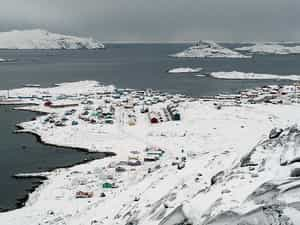
    Nanortalik, Greenland’s southernmost town, sits on an island where fjords, sea cliffs and steep mountains define the horizon. Its name means “place of polar bears,” and bears still roam the surrounding region. From the harbor, boat journeys reach dramatic Tasermiut Fjord, famed for its granite walls and remote wilderness. Visit the local museum for a glimpse of Greenlandic life, then watch for icebergs and seabirds along the coast.

  34. Day 45

    Sisimiut, Greenland

    Set just north of the Arctic Circle, Sisimiut is Greenland’s second-largest town and a working fishing port. Brightly painted homes rise above the harbor. Boats and fishing vessels keep the waterfront firmly connected to daily life. At Sisimiut Museum, historic buildings and collections reveal Inuit heritage and the town’s colonial past. From town, trails open onto Arctic landscapes of mountains, lakes and broad tundra.

  35. Day 46

    Nuuk, Greenland

    Nuuk is Greenland’s capital, where Arctic scale meets the pace of a working town. Set beside the vast Nuuk Fjord, it pairs brightly painted houses with modern architecture and a lively harbor. Visit the Greenland National Museum to see the 500-year-old Qilakitsoq mummies and objects tracing Inuit life. Then look toward Sermitsiaq, the landmark mountain rising beyond the water. Nuuk rewards travelers seeking Greenlandic culture alongside its dramatic landscapes.

  36. Day 47

    Paamiut, Greenland

    Paamiut lies on Greenland’s southwest coast, between Nuuk and Qaqortoq, beneath steep mountains. Founded in 1742, this small fishing town remains shaped by the sea. Brightly painted homes rise above the harbor, while a handsome wooden church anchors the centre. Watch for whales offshore, then look inland to the fjords and peaks of Sermersooq. Greenland’s towns have no road links, so arrival by ship offers a close-up encounter with life on this remote coast.

  37. Day 50

    Tasiilaq, Greenland

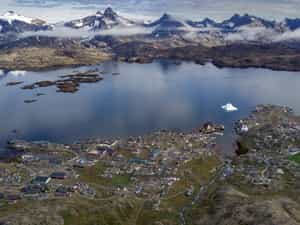
    Tasiilaq is East Greenland’s largest town, set on Ammassalik Island beneath steep, snow-streaked mountains. Its harbor faces the Denmark Strait, with Sermilik Fjord nearby and icebergs drifting through its waters. Colorful homes and the local museum offer glimpses of Inuit life and history. Come ashore for Arctic scale, clear light and a community shaped by sea, weather and distance.

  38. Day 52

    Siglufjordur, Iceland

    Set beneath steep mountains at the head of a narrow fjord, Siglufjörður feels close to Iceland’s northern edge. Once the center of Iceland’s herring boom, this compact harbor town preserves its story at the Herring Era Museum. Walk the waterfront, then explore restored herring buildings and exhibits tracing the industry’s rise and fall. Beyond town, mountain roads and hiking routes open onto the dramatic Tröllaskagi Peninsula. Its fjord setting and steep peaks make the town as memorable as its past.

  39. Day 53

    Isafjordur, Iceland

    Ísafjörður is the Westfjords’ principal town, set between a sheltered harbor and steep, often snow-streaked mountains. Walk its compact center to see colorful timber houses, then visit the Westfjords Heritage Museum in the historic harbor district. Its exhibits trace the fishing trade that shaped life along Iceland’s remote western coast. Beyond town, dramatic fjord scenery unfolds along winding roads. With a full day ashore, consider the drive to Dynjandi, one of the region’s most striking waterfalls.

  40. Day 54

    Grundarfjordur, Iceland

    Grundarfjörður sits on the north shore of Iceland's Snæfellsnes peninsula, a fishing village beneath steep mountains. Its signature sight is Kirkjufell, a 463-metre peak shaped like an arrowhead. Walk or drive to Kirkjufellsfoss, where cascades frame the mountain. Further west, Snæfellsjökull glacier crowns a volcano and the national park around it. Weather changes quickly here, so bring warm, waterproof layers. Come for scale, silence and light.

  41. Day 55

    Reykjavik, Iceland

    Reykjavík is a capital with one foot in the wild. The Atlantic frames the city, volcanic mountains rise on the horizon, and geothermal water warms its pools. Start at Hallgrímskirkja, whose tower commands broad views, then walk down to the harbor and Harpa concert hall. Cafés, design shops, and museums make the compact center easy to explore on foot. Beyond town, geysers and waterfalls make a striking day trip; return for a soak in a neighborhood pool.

Crystal Symphony Cruises

Published August 17, 2026
Last updated October 3, 2026
Author: J. Richard


Cruise Disclosure

Good to know: Prices are quoted per person based on double occupancy and include all applicable taxes and fees. Availability and prices can change quickly, so please continue through the booking process to confirm the latest availability and pricing before you pay.

We work hard to make sure everything on this website is accurate and up to date. However, some information may be incomplete or inaccurate, including details supplied by third parties or otherwise outside our control, and we cannot be held responsible for such errors. We work with 41 cruise line operators, that are providing cruises on 585 ships visiting 1,731 ports across 7,194 unique cruises, creating 13,822 itineraries. This is a great deal of data to continually update daily from our suppliers. If a pricing error, misrepresentation, or omission occurs, we reserve the right to adjust the pricing, correct the information, or cancel or decline any booking made in error, with notice to you. Thank you for your understanding!