Netherlands North Holland Cruise from Amsterdam to Berlin — 12 Days

11 nights · Netherlands North Holland · River cruise · Departs Amsterdam (Netherlands) · Visiting Groningen, Delfzijl, Emden, Papenburg, Oldenburg, Bremen, Nienburg-Weser, Stolzenau-Weser, Minden-Weser, Hannover, Sulfeld, Magdeburg, Brandenburg an der Havel, Potsdam, Berlin · Aboard CroisiEurope on the ms Victor Hugo

CroisiEurope logo

Waterways

This river cruise sails the Rhine, Ems, Weser and Elbe, departing Amsterdam.

  1. Rhine →
  2. Ems →
  3. Weser →
  4. Elbe
Cruise lineCroisiEurope
Shipms Victor Hugo
Duration11 nights
Port calls16
Departures3 sailings
From fare$2,279 per person
Year built2000
Guests100
Cabins49
Crew20
Length82 m
Beam10 m
Cruising speed9.0 kn
  1. Days 1–2

    Amsterdam, Netherlands

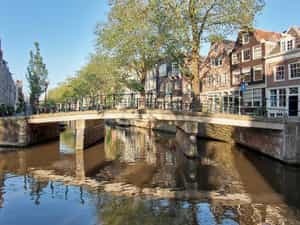
    Amsterdam pairs world-class museums with the everyday pleasure of canal-side life. Its Golden Age houses, narrow waterways and lively markets make the city rewarding well beyond its famous sights. Visit the Rijksmuseum for Dutch masters, then explore the canal belt on foot or by boat. Leave time for a neighbourhood café: in Amsterdam, the best discoveries often come between the landmarks.

  2. Day 3

    Groningen, Netherlands

    Come ashore in Groningen and discover a Dutch city shaped by canals, commerce and centuries of university life. The Grote Markt lies beneath the Martinitoren, a 97-metre landmark with views across the city. Nearby, the Groninger Museum brings contemporary art and bold architecture to the water’s edge. Explore the old streets on foot, pause beside the canals, and leave time for cafés and the lively university quarter.

  3. Day 3

    Delfzijl, Netherlands

    Delfzijl faces the Ems-Dollard estuary in the northern Dutch province of Groningen. Its working harbour and sea-facing dikes give the town a distinctly maritime character. Visit the Muzeeaquarium, housed in a historic sea lock, for local shipping history and marine life. Follow the waterfront, or take the train to Groningen, where canals, lively squares and handsome architecture reward a longer visit.

  4. Day 3

    Emden, Germany

    Emden sits where the Ems meets the North Sea, giving this working port a distinctly maritime character. Begin at the harbor, then explore the Kunsthalle Emden, known for its modern and contemporary art collection. The Otto Huus celebrates the city’s best-known comic son, while canals and East Frisian tea invite a slower pause. Emden rewards travelers who look beyond its waterfront to discover a resilient city shaped by trade, art, and German life.

  5. Day 4

    Papenburg, Germany

    Follow Papenburg’s canals into a town shaped by water, peat and shipbuilding. Founded in 1631, it grew as a peat colony in the Emsland, with waterways once used to move peat. Today, brick houses, small bridges and historic vessels give the canals their distinctive character. At Meyer Werft, a major cruise-ship builder, enormous liners are built inland before travelling down the Ems. Papenburg rewards a closer look at the engineering, history and quiet northern German landscape behind modern ocean travel.

  6. Day 4

    Oldenburg, Germany

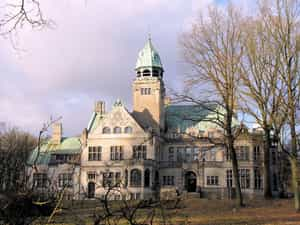
    Oldenburg rewards visitors with handsome streets, a compact old town and a distinctly northern German character. The former ducal residence sits in Lower Saxony, between Bremen and the North Sea coast. Oldenburg Palace houses the State Museum of Art and Cultural History; the market square anchors the centre. Pause for coffee in the old town, browse independent shops, or follow the city’s waterways and leafy parks. It makes an appealing, unhurried stop for art and local life.

    • River Cruising (River Cruising)
  7. Day 5

    Bremen, Germany

    Arrive in Bremen and discover a Hanseatic city shaped by trade, river traffic and centuries of independence. Walk its compact centre, from the UNESCO-listed Town Hall and Roland statue to Schnoor’s narrow lanes. Pause on Böttcherstrasse, a striking street of expressionist brickwork, galleries and cafés. Then seek the bronze Town Musicians, whose story gives Bremen one of Germany’s most beloved city emblems.

  8. Day 6

    Nienburg-Weser, Germany

    On the Weser in Lower Saxony, Nienburg offers a measured alternative to Germany’s better-known city stops. Explore the old town on foot, where half-timbered façades, market-square landmarks and St Martin’s Church make an easy, rewarding circuit. By the river, paths and promenades invite a pause and offer a glimpse of everyday life in this historic town. Visit in spring to encounter Nienburg’s celebrated asparagus, a local specialty served across the region.

  9. Day 6

    Stolzenau-Weser, Germany

    Stolzenau sits beside the Weser in Lower Saxony, where river scenery and small-town life set an unhurried pace. Explore the compact centre, with its historic town hall and St. Jacobi Church, before strolling towards the water. The Weser Cycle Route passes through the area, inviting an easy walk or ride along the valley. Here, the landscape—not a crowded list of sights—is the chief pleasure.

  10. Day 6

    Minden-Weser, Germany

    Minden sits where the Weser meets the Mittelland Canal, a meeting of waterways that shaped this Westphalian town. Its famous water bridge carries the canal over the river, an engineering landmark best understood from the banks. Beyond it, the compact centre rewards a walk past the cathedral, timber-framed houses and traces of Prussian history. Pause at an old-town café, then follow the riverside paths. Minden rewards curiosity more than haste.

  11. Day 7

    Hannover, Germany

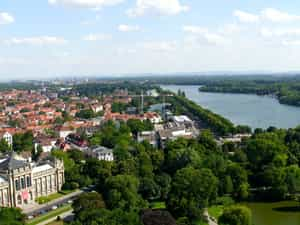
    Hannover rewards visitors who look beyond its businesslike first impression. The capital of Lower Saxony pairs royal gardens and handsome historic buildings with a lively arts scene. Follow the Red Thread through the old town to Marktkirche and its restored half-timbered houses. Then make time for Herrenhausen Gardens, one of Europe’s finest baroque landscapes. For a quieter pause, stroll beside Maschsee, a broad lake close to the centre.

  12. Day 7

    Sulfeld, Germany

    Set in Schleswig-Holstein’s Stormarn district, Sülfeld offers a quieter counterpoint to Germany’s better-known cities. Rural lanes cross open fields and small villages, while Hamburg is within reach for an ambitious day ashore. In Sülfeld, look for the village church and signs of local agricultural life rather than grand attractions. Come for a slower pace, a countryside walk, and a close-up view of northern Germany.

    • Mittelland Canal (Scenic Area)
  13. Day 8

    Magdeburg, Germany

    Magdeburg stands on the Elbe, where more than a thousand years of history meet a confidently modern city. Visit its Gothic cathedral, often described as Germany’s first. Otto the Great, the city’s medieval patron, is buried here. Then contrast its solemn stone with the Green Citadel, a striking Hundertwasser landmark. The compact center makes an easy day ashore, with riverside walks and cafés between sights.

  14. Day 9

    Brandenburg an der Havel, Germany

    Brandenburg an der Havel is a city of water, brick and deep history, about 70 kilometres west of Berlin. St Peter and Paul Cathedral stands on Dominsel, an island in the Havel. The Old Town and New Town retain distinct historic centres. Explore Gothic churches, medieval gates and quiet riverfront paths. This is a rewarding stop for travellers who prefer discovery at an unhurried pace.

  15. Day 9

    Potsdam, Germany

    Potsdam rewards visitors who look beyond Berlin. This Brandenburg capital pairs grand Prussian palaces with quiet lakes, leafy parks and streets made for an unhurried walk. At Sanssouci, Frederick the Great’s summer palace rises above terraced vineyards, while the grounds invite time to linger. The Dutch Quarter brings a different character, with red-brick gabled houses and cafés. At Cecilienhof, history turns serious: the 1945 Potsdam Conference helped shape postwar Europe.

  16. Days 10–12

    Berlin, Germany

    Berlin rewards visitors who look beyond its grand boulevards. The Brandenburg Gate, Reichstag and remnants of the Wall trace a city shaped by empire, division and reunification. Museum Island holds five major museums, while neighbourhood cafés and galleries reveal a lively present. Berlin lies inland; cruise calls marketed as Berlin generally involve a long transfer from Warnemünde. Allow time for the journey and choose your sights carefully.

ms Victor Hugo Cruises

Published September 25, 2026
Last updated October 3, 2026
Author: J. Richard


Cruise Disclosure

Good to know: Prices are quoted per person based on double occupancy and include all applicable taxes and fees. Availability and prices can change quickly, so please continue through the booking process to confirm the latest availability and pricing before you pay.

We work hard to make sure everything on this website is accurate and up to date. However, some information may be incomplete or inaccurate, including details supplied by third parties or otherwise outside our control, and we cannot be held responsible for such errors. We work with 41 cruise line operators, that are providing cruises on 585 ships visiting 1,731 ports across 7,194 unique cruises, creating 13,822 itineraries. This is a great deal of data to continually update daily from our suppliers. If a pricing error, misrepresentation, or omission occurs, we reserve the right to adjust the pricing, correct the information, or cancel or decline any booking made in error, with notice to you. Thank you for your understanding!